While the coronavirus pandemic forced many media companies to slow down production and forced athletics to grind to a halt, Barstool Sports adapted and CEO Erika Nardini says the company was able to capitalize on a slew of non-sports-related content.
Now Barstool Sports' priority is to show buyers at the company's first appearance at the NewFronts marketing conference that it can still be profitable even without the return of North American pro leagues.
"We wanted to show, not only the showcasing of what we're creating -- so, all of the brands we're developing and running -- but also how we're performing for advertisers," she said.
Barstool's success during the shutdowns, Nardini explained, is not only attributable to the team's ability to "create content that's authentic" but also its commitment to creating content that fans want to engage with.
"We're building some of, if not, the very biggest brands on the internet," she said. "I think that during quarantine, most media companies stopped making content. They either had production challenges, they weren't able to gather in studios. We took the opposite approach."
Barstool's growth on social media platforms like TikTok and Instagram has also allowed the company's "brands the ability to play ball with those audiences" where they otherwise might not have had access, according to the CEO.
"Every single brand that's created at Barstool is programmed and produced for the internet, which means that we naturally attract what you would call 'young viewers,'" she said.
Even with the success of the non-sports content, Nardini said the company will not abandon its newfound format despite the imminent return of the pros, but will instead marry the new content with Barstool's core programs.
"What we've found is when you have eyes for the internet, and you're making content for the internet, that stuff can last," she noted.
Anthony Tall, sports agent and president of Miracle Sports Agency, joins Cheddar News to talk about the challenges professional sports leagues are facing amid a surge in coronavirus cases across the U.S.
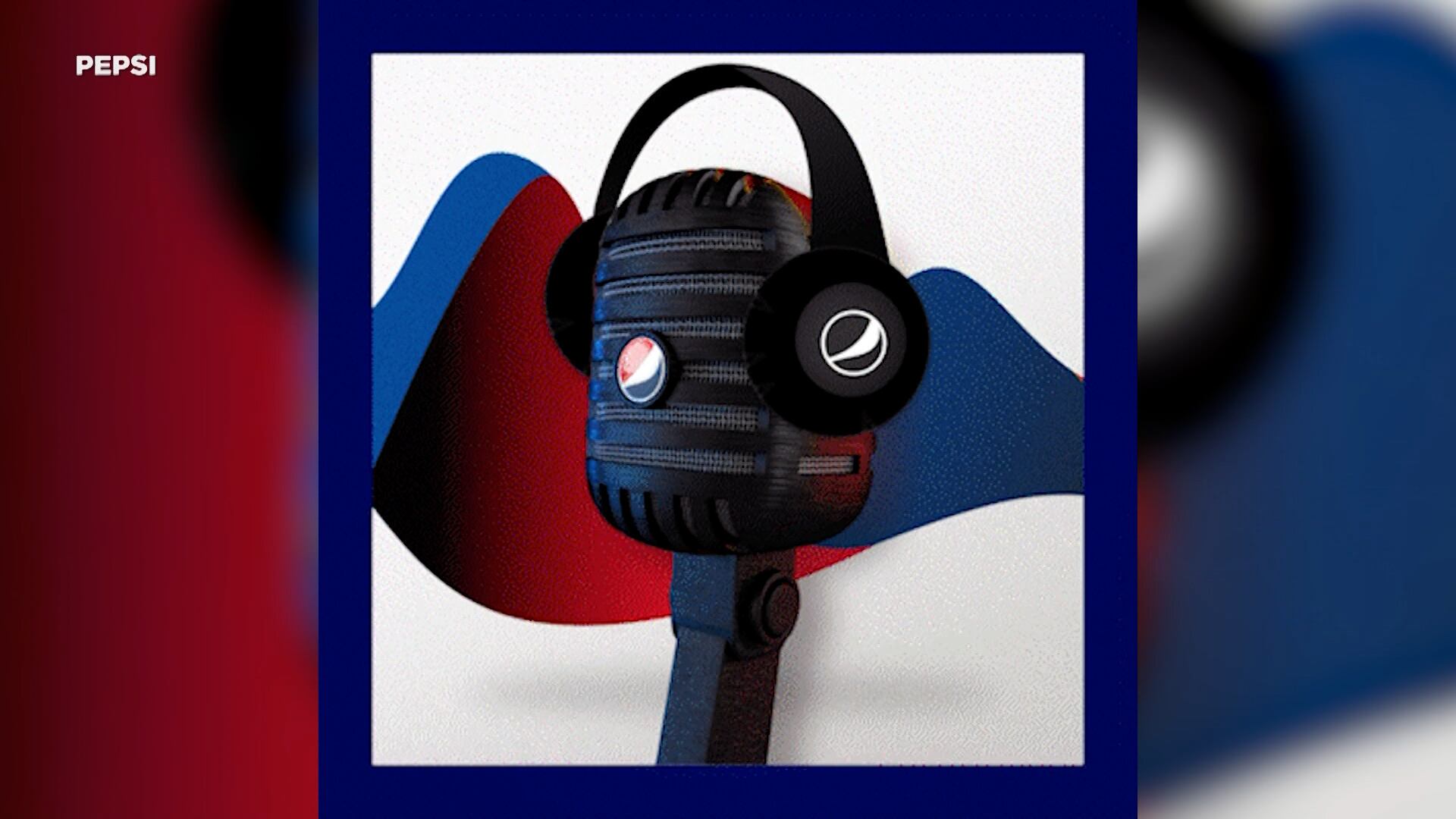
Todd Kaplan, Pepsi's Vice President of Marketing, joins Cheddar News to discuss the company's first-ever non-fungible token with its Pepsi Mic Drop genesis NFT collection.
This year, consumers might not be as surprised by what's under their trees as by the trees themselves. Despite a tighter market for trees, Stew Leonard's was able to secure its entire stock of Christmas trees from a supplier in Quebec. But some prices jumped this year as a result of increased costs for shipping and labor amid the COVID-19 pandemic. Cheddar's Chloe Aiello reports.
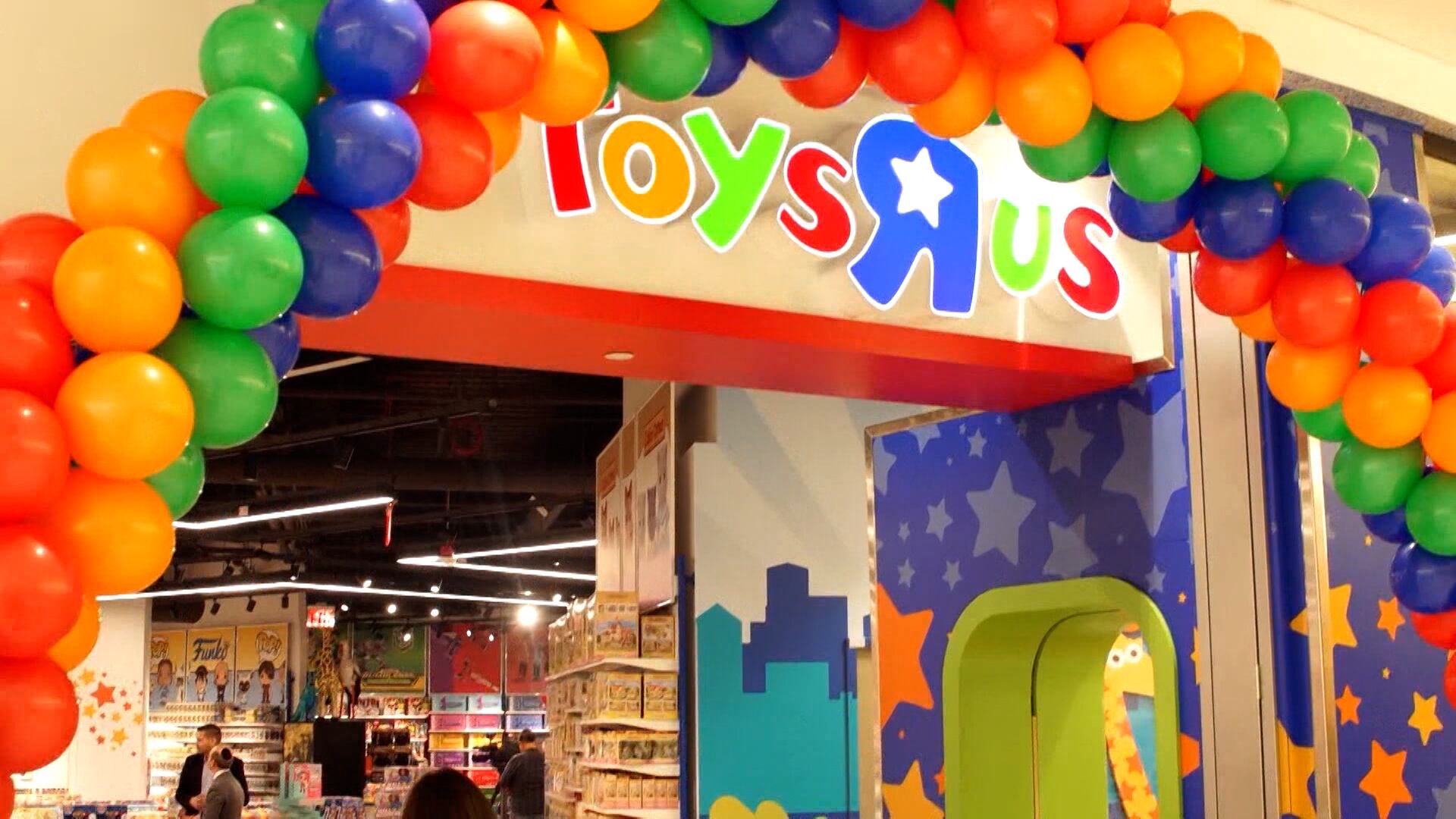
The parent company for Toys "R" Us, Tru Kids, was acquired by WHP Global in March 2021, and it vowed a return to the physical retail experience. On Tuesday, the company opened its U.S. flagship location in American Dream, a megamall based in East Rutherford, N.J.
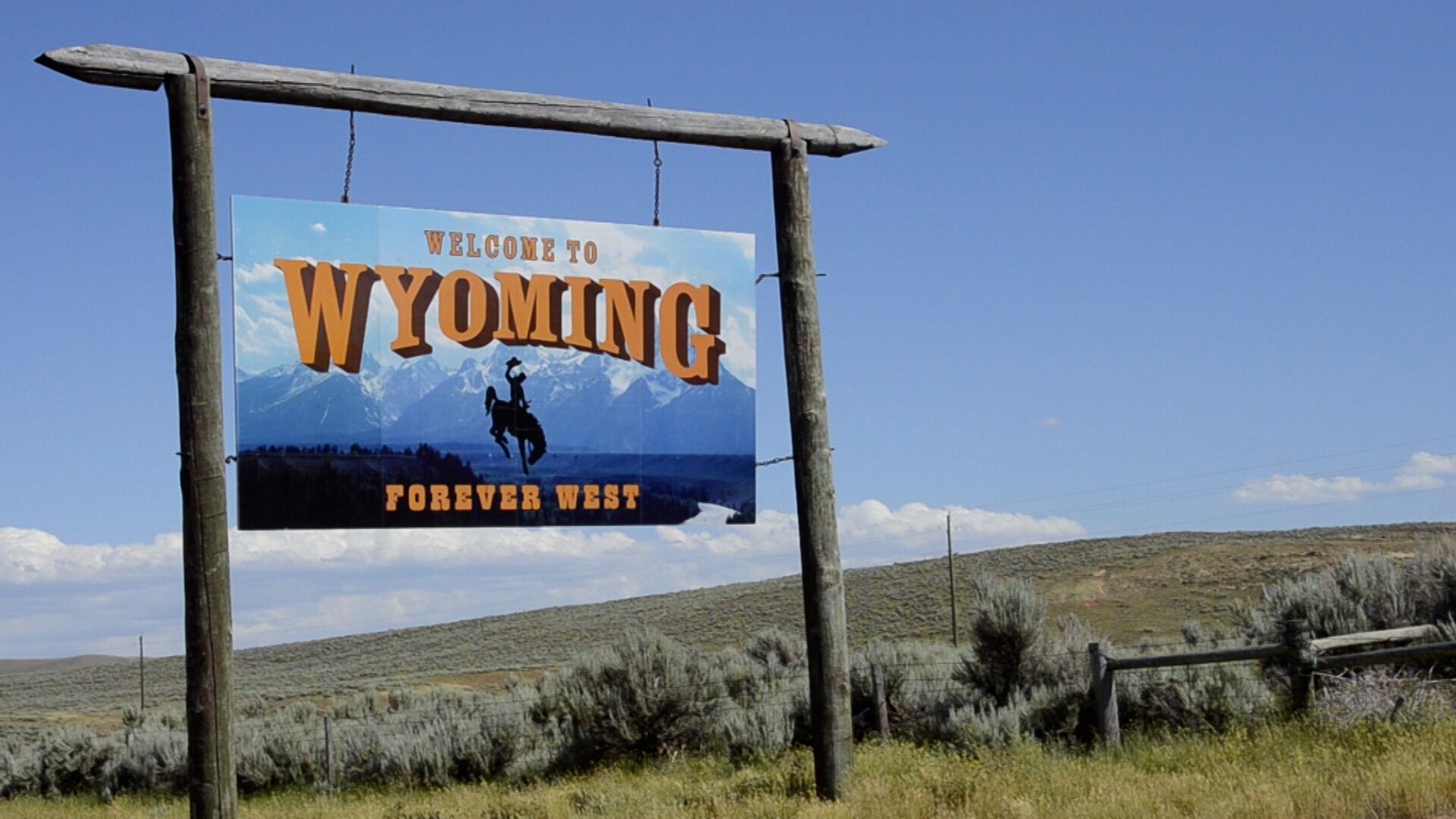
The Cowboy State has become one of the world's top tax havens, according to the Pandora Papers, a trove of more than 11.9 million documents obtained by the International Consortium of Investigative Journalists and The Washington Post. The papers reveal, among other things, how ultra-wealthy people from around the world move money into the U.S., invest, and spend it under a shroud of secrecy. Allison Tait, University of Richmond law professor, joined Cheddar to talk about Wyoming's laidback tax laws, their impact on the nation's economy, and provided some details on the financial arrangement known as the "cowboy cocktail."
Cheddar is looking back at the 12 biggest buzzwords of the year leading up to Christmas. The term for Day 9 is NFT. Definition: (noun) The abbreviation of non-fungible token, can be used as a unique and non-interchangeable unit of data stored on a digital ledger.
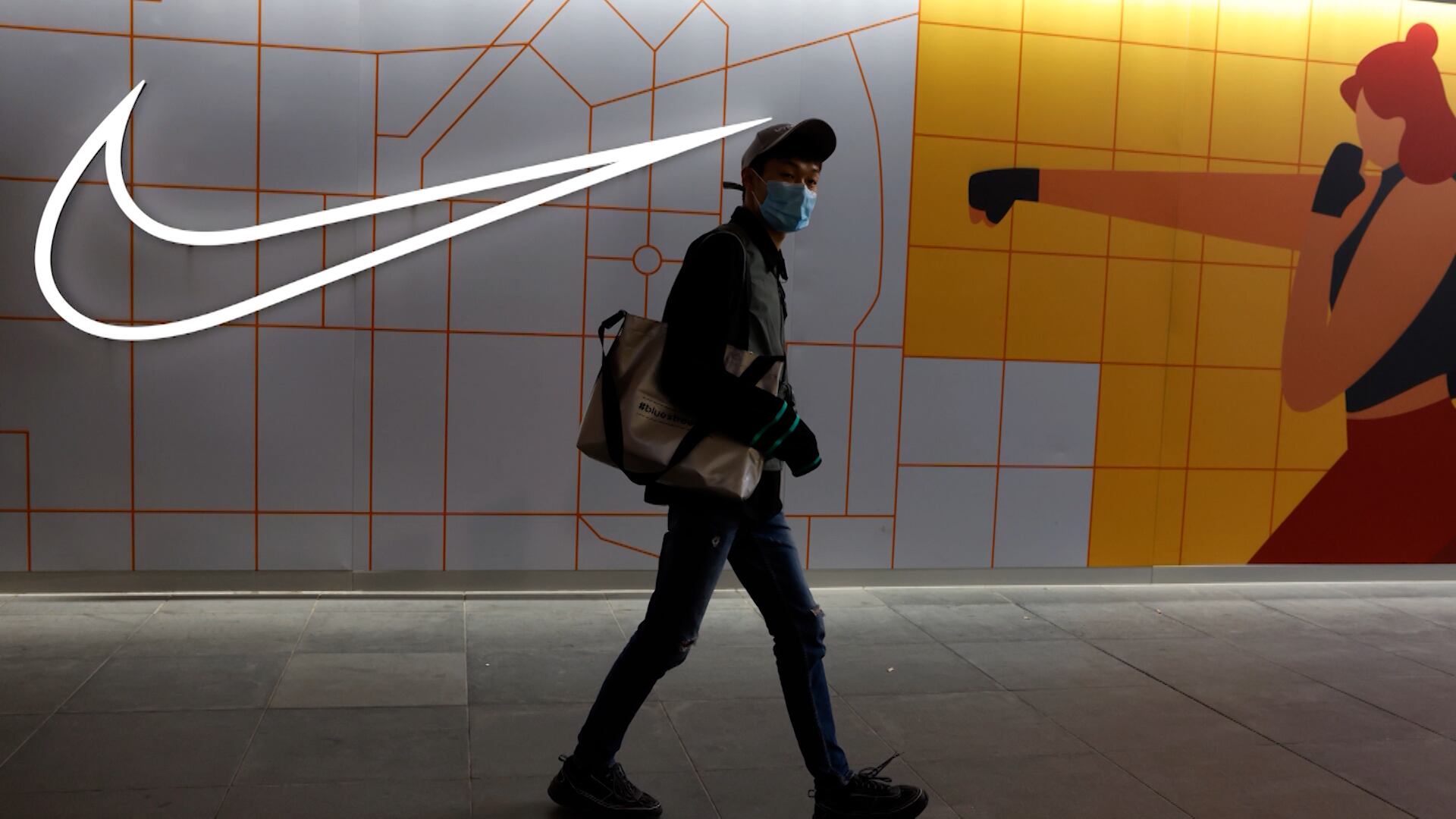
Barbara Doran, CEO and Chief Investment Officer at BD8 Capital Partners, joined Wake Up With Cheddar's Brad Smith to break down results from Nike and talk broader market movement, as major indexes look poised to rebound.