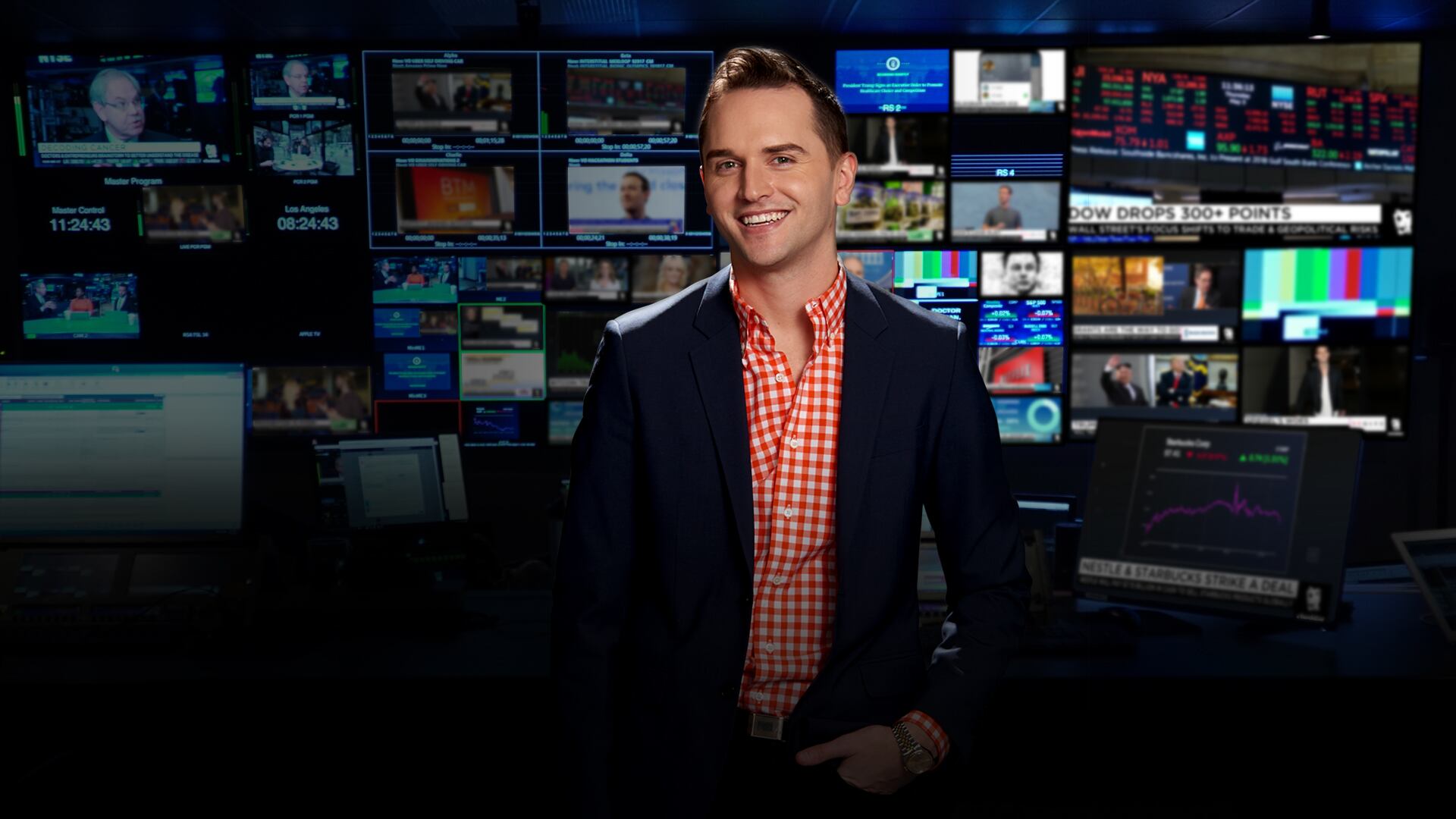
While the coronavirus pandemic forced many media companies to slow down production and forced athletics to grind to a halt, Barstool Sports adapted and CEO Erika Nardini says the company was able to capitalize on a slew of non-sports-related content.
Now Barstool Sports' priority is to show buyers at the company's first appearance at the NewFronts marketing conference that it can still be profitable even without the return of North American pro leagues.
"We wanted to show, not only the showcasing of what we're creating -- so, all of the brands we're developing and running -- but also how we're performing for advertisers," she said.
Barstool's success during the shutdowns, Nardini explained, is not only attributable to the team's ability to "create content that's authentic" but also its commitment to creating content that fans want to engage with.
"We're building some of, if not, the very biggest brands on the internet," she said. "I think that during quarantine, most media companies stopped making content. They either had production challenges, they weren't able to gather in studios. We took the opposite approach."
Barstool's growth on social media platforms like TikTok and Instagram has also allowed the company's "brands the ability to play ball with those audiences" where they otherwise might not have had access, according to the CEO.
"Every single brand that's created at Barstool is programmed and produced for the internet, which means that we naturally attract what you would call 'young viewers,'" she said.
Even with the success of the non-sports content, Nardini said the company will not abandon its newfound format despite the imminent return of the pros, but will instead marry the new content with Barstool's core programs.
"What we've found is when you have eyes for the internet, and you're making content for the internet, that stuff can last," she noted.
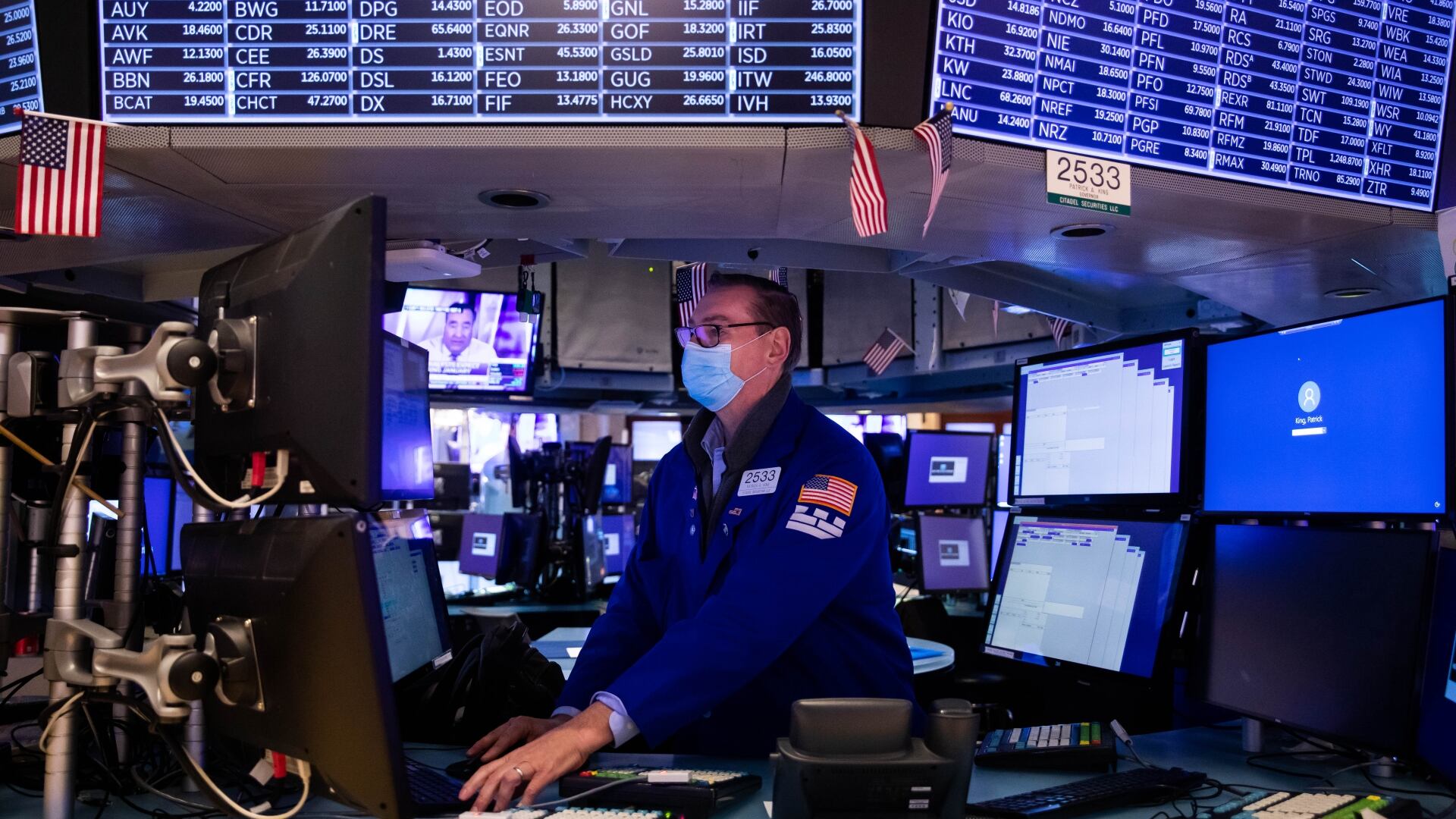
On a day where the Dow and Russell 2000 each closed more than 3% lower, Melissa Armo, founder and owner of The Stock Swoosh, says Wednesday's big sell-off could extend into after-hours trading. She joined Cheddar News' Closing Bell for more.
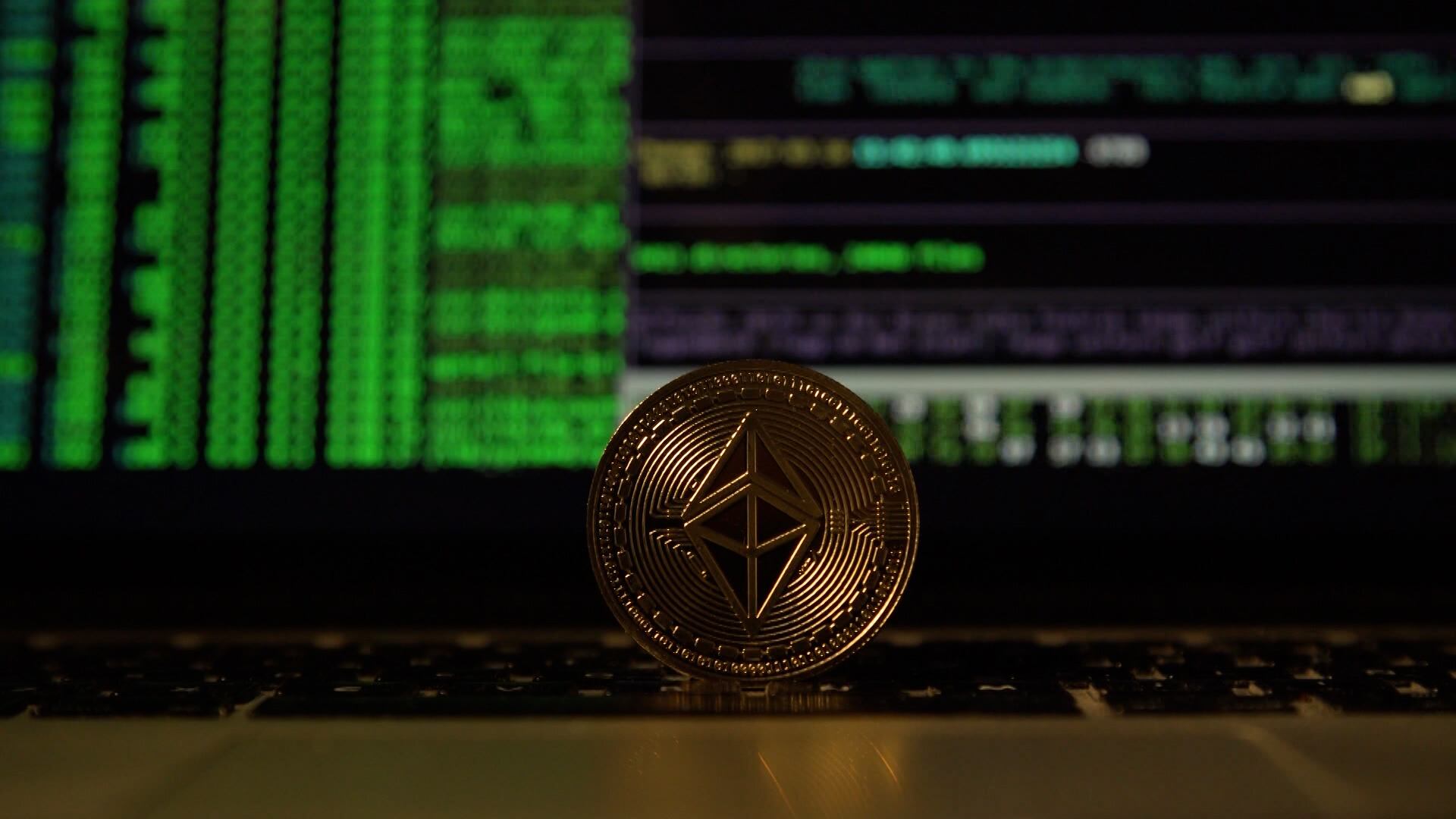
At a time when banks in countries like Australia and Spain are offering customers cryptocurrency assets for the first time, Josh Goodbody, COO of Qredo, believes we're going to see more financial institutions across the world unveil their crypto solutions this year after developing them behind the scenes last year. He joined Cheddar News' Closing Bell to discuss.
Americans looking to purchase at-home COVID-19 tests will now have to shell out a bit more money after an agreement expired between the White House and companies to sell the tests at cost. The price of Abbot's BinaxNow test kit from October to December was $14 apiece; on Tuesday, Walmart's website listed the test for $19.88, and Kroger listed the tests for $23.99. Carbon Health Regional Clinical Director Dr. Bayo Curry-Winchell joined Cheddar News' Closing Bell to discuss the impact higher prices will have as the nation experiences another surge in cases.
Natalia Abrams, President of the Student Debt Crisis Center, discusses how the extension impacts borrowers and what the federal government needs to do to tackle the student loan debt crisis.
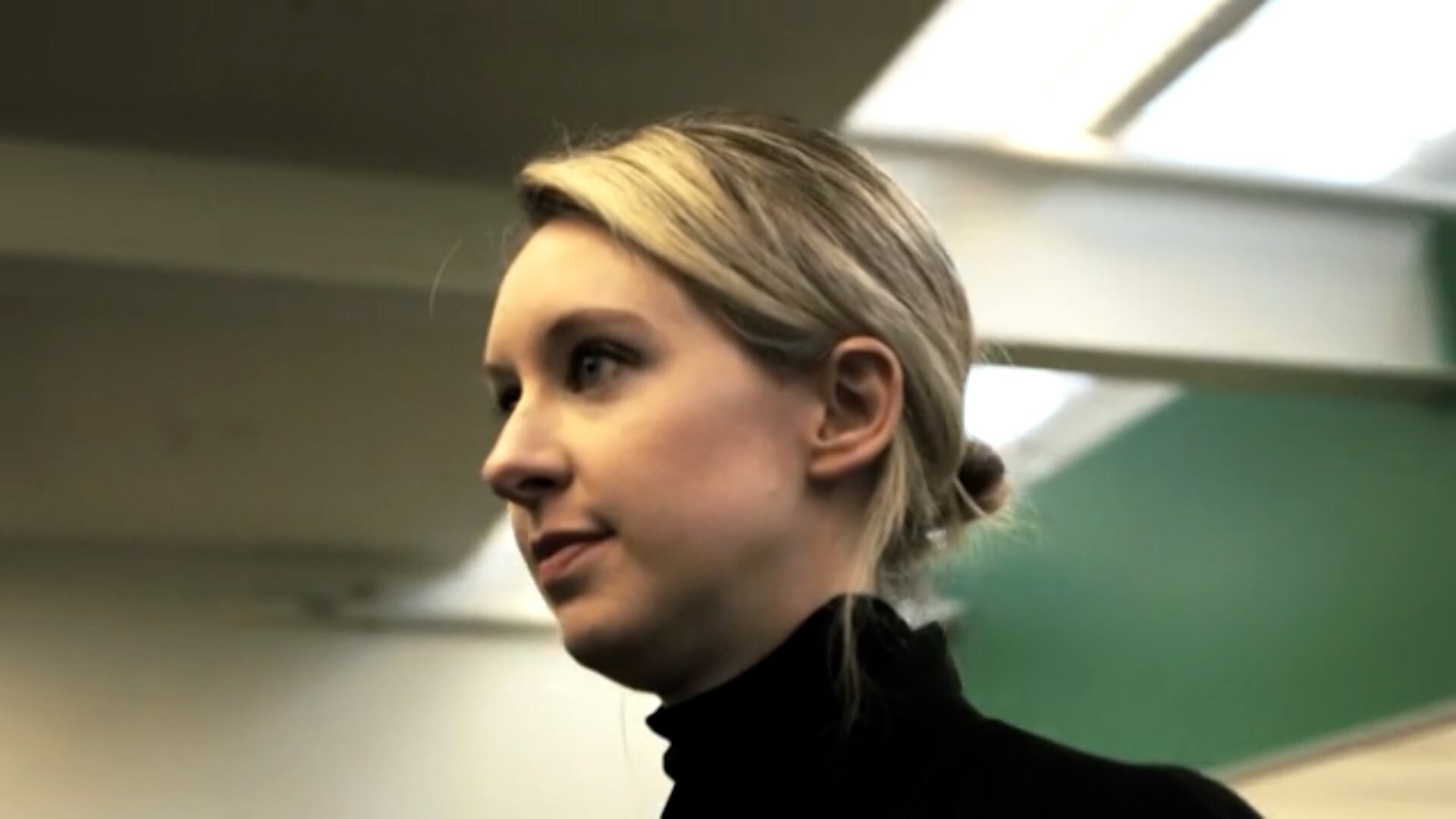
Caroline Polisi, Criminal Defense Attorney & Lecturer in Law at Columbia Law School, breaks down the Holmes verdict and how this case impacts the reputation of female entrepreneurs.
The streaming wars picked up in 2021, but what can we expect to see in 2022 as the global economy re-opens? Wall Street is likely to spend much of the new year debating where to place bets in the new year, and specifically which entertainment stocks to focus on. Tuna Amobi, media and entertainment analyst at CFRA research, joins Cheddar News to share his top picks.
2022 is set to be a big year for autonomous technology. After many new partnerships, acquisitions, and developments in 2021, all eyes will be on the self-driving sector to see what progress, or lack there-of, will be made this year. Soroush Salehian, CEO and co-founder of Aeva, gives a look at what's ahead for the industry.
Jon Wilk, CEO of CompoSecure, discusses how the adoption of tap-to-pay is expanding the longevity of physical cards and the growth opportunities within the crypto cold storage ecosystem.