While the coronavirus pandemic forced many media companies to slow down production and forced athletics to grind to a halt, Barstool Sports adapted and CEO Erika Nardini says the company was able to capitalize on a slew of non-sports-related content.
Now Barstool Sports' priority is to show buyers at the company's first appearance at the NewFronts marketing conference that it can still be profitable even without the return of North American pro leagues.
"We wanted to show, not only the showcasing of what we're creating -- so, all of the brands we're developing and running -- but also how we're performing for advertisers," she said.
Barstool's success during the shutdowns, Nardini explained, is not only attributable to the team's ability to "create content that's authentic" but also its commitment to creating content that fans want to engage with.
"We're building some of, if not, the very biggest brands on the internet," she said. "I think that during quarantine, most media companies stopped making content. They either had production challenges, they weren't able to gather in studios. We took the opposite approach."
Barstool's growth on social media platforms like TikTok and Instagram has also allowed the company's "brands the ability to play ball with those audiences" where they otherwise might not have had access, according to the CEO.
"Every single brand that's created at Barstool is programmed and produced for the internet, which means that we naturally attract what you would call 'young viewers,'" she said.
Even with the success of the non-sports content, Nardini said the company will not abandon its newfound format despite the imminent return of the pros, but will instead marry the new content with Barstool's core programs.
"What we've found is when you have eyes for the internet, and you're making content for the internet, that stuff can last," she noted.
Adi Robertson, senior reporter at The Verge, joins Cheddar News to break down the battle between two NFT collections by Phunky Ape Yacht Club and PHAYC that are selling plagiarized Bored Ape Yacht Club designs.
Following the attack on the Capitol last year, several major corporations promised to no longer pour funds into the campaigns of Republican lawmakers who supported the January 6 insurrection. But not all have stood firm on their word. Among those that did keep to their promise were Nike, American Express, and Walgreens.
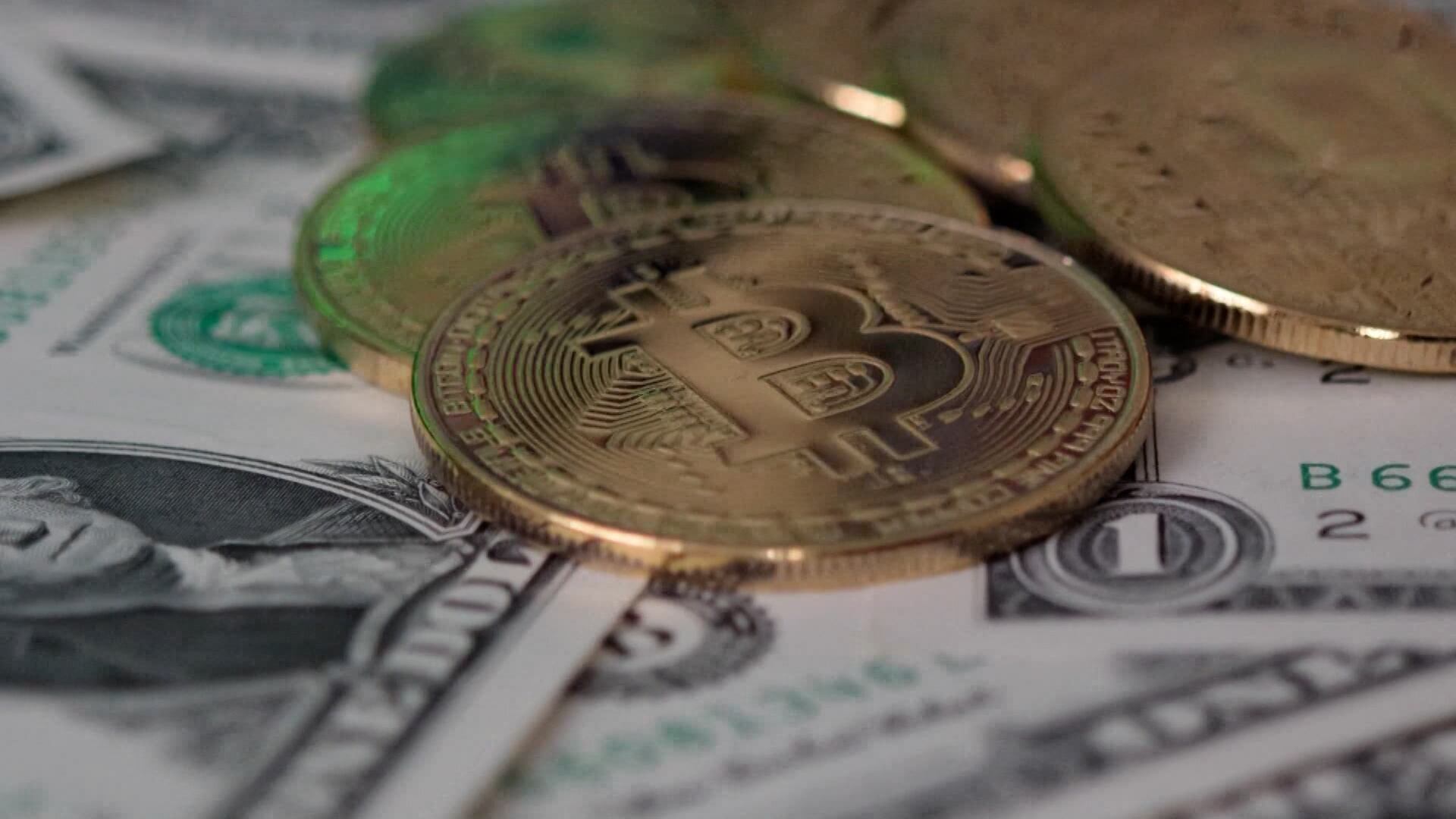
Maja Vujinovic, managing director of investment and advisory firm OGroup LLC, spoke to Cheddar about factors impacting the price of a Bitcoin. She attributed some of the drop-offs in the cryptocurrency's value to inflation and expects the space to continue being volatile. Vujinovic also stated that Bitcoin is here stay and will continue to expand, opening the door for legislators to establish regulation around cryptocurrencies.
Chris Johnson, CEO of Johnson Research Group, breaks down how the Feds decision impacts economic growth and highlights certain sectors within tech that offer a hedge on inflation.
Sandy Villere, Portfolio Manager, Villere Balanced Fund breaks down the major risks to the market and highlights sectors showing growth despite COVID-19 headwinds.
Stock closed at record highs on the first day of trading in 2022, kicking the new year off on a strong note. Tommy Mancuso, president and co-founder of the The Bad Investment Company, joined Cheddar to discuss his optimism for the year ahead, as well as the significance of Apple hitting the $3 trillion market cap mark.