While the coronavirus pandemic forced many media companies to slow down production and forced athletics to grind to a halt, Barstool Sports adapted and CEO Erika Nardini says the company was able to capitalize on a slew of non-sports-related content.
Now Barstool Sports' priority is to show buyers at the company's first appearance at the NewFronts marketing conference that it can still be profitable even without the return of North American pro leagues.
"We wanted to show, not only the showcasing of what we're creating -- so, all of the brands we're developing and running -- but also how we're performing for advertisers," she said.
Barstool's success during the shutdowns, Nardini explained, is not only attributable to the team's ability to "create content that's authentic" but also its commitment to creating content that fans want to engage with.
"We're building some of, if not, the very biggest brands on the internet," she said. "I think that during quarantine, most media companies stopped making content. They either had production challenges, they weren't able to gather in studios. We took the opposite approach."
Barstool's growth on social media platforms like TikTok and Instagram has also allowed the company's "brands the ability to play ball with those audiences" where they otherwise might not have had access, according to the CEO.
"Every single brand that's created at Barstool is programmed and produced for the internet, which means that we naturally attract what you would call 'young viewers,'" she said.
Even with the success of the non-sports content, Nardini said the company will not abandon its newfound format despite the imminent return of the pros, but will instead marry the new content with Barstool's core programs.
"What we've found is when you have eyes for the internet, and you're making content for the internet, that stuff can last," she noted.
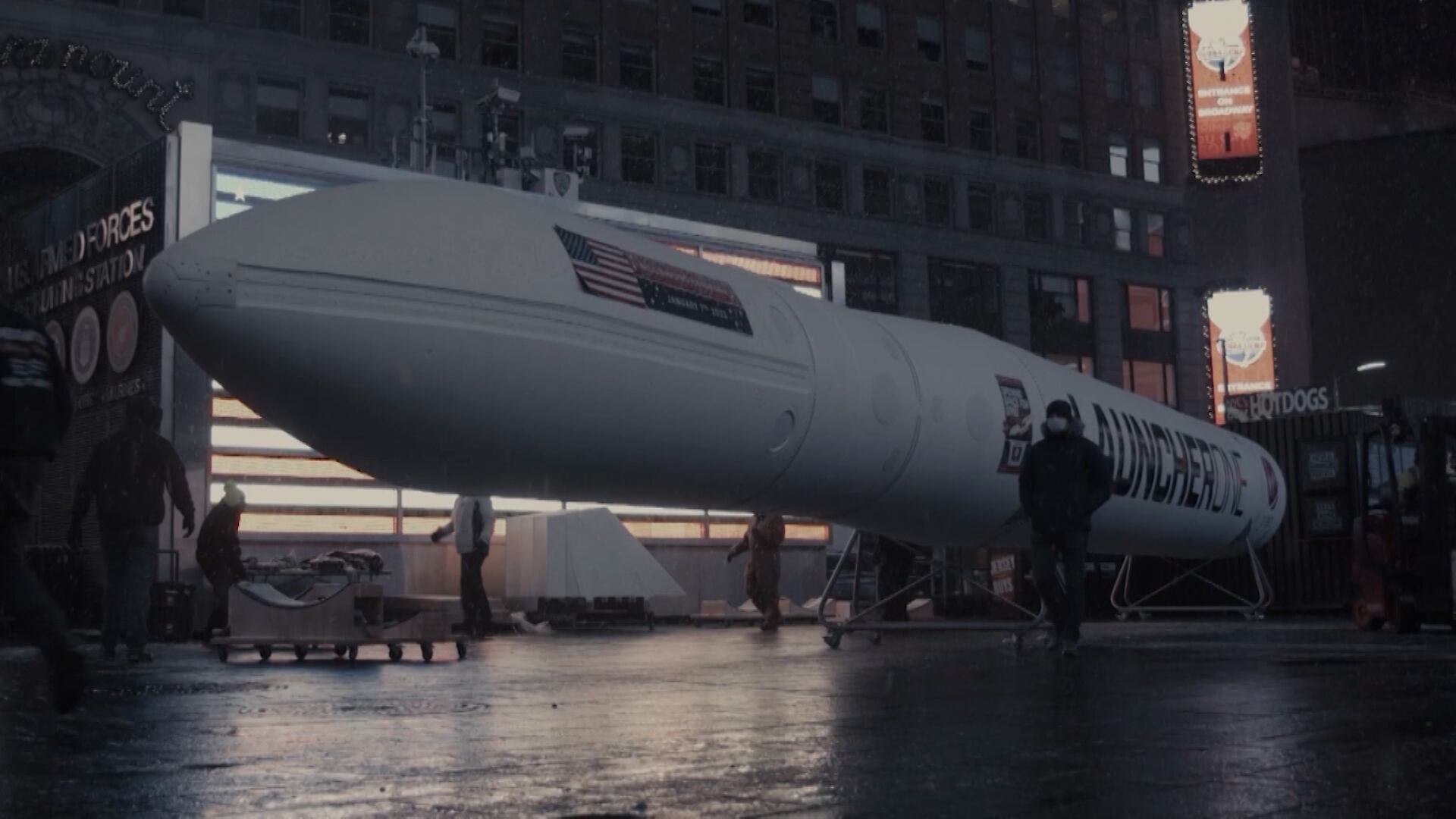
Satellite launch service Virgin Orbit has gone public on the Nasdaq via a SPAC merger with NextGen Acquisitions with a valuation of about $3.2 billion. CEO Dan Hart joined Cheddar's "Between Bells" from in front of his LauncherOne rocket in New York City's Times Square to talk about what's next after the IPO, an upcoming "Above the Clouds" mission to deliver commercial and national security payloads, and the benefits of their rockets being launched from commercial 747 aircraft. "We can launch anywhere in the world," he said. "There are almost 80 space agencies across the world, for instance, and about 10 of them have space launch. We can give them a space flight capability overnight by taking a runway and turning it into a spaceport."
CEO Tim Cook made a staggering $98.7 million in total compensation for 2021. The majority of Cook's earnings came from stocks along with his salary of $3 million. Apple recently became the first publicly traded U.S. company to have crossed the $3 trillion valuation mark.
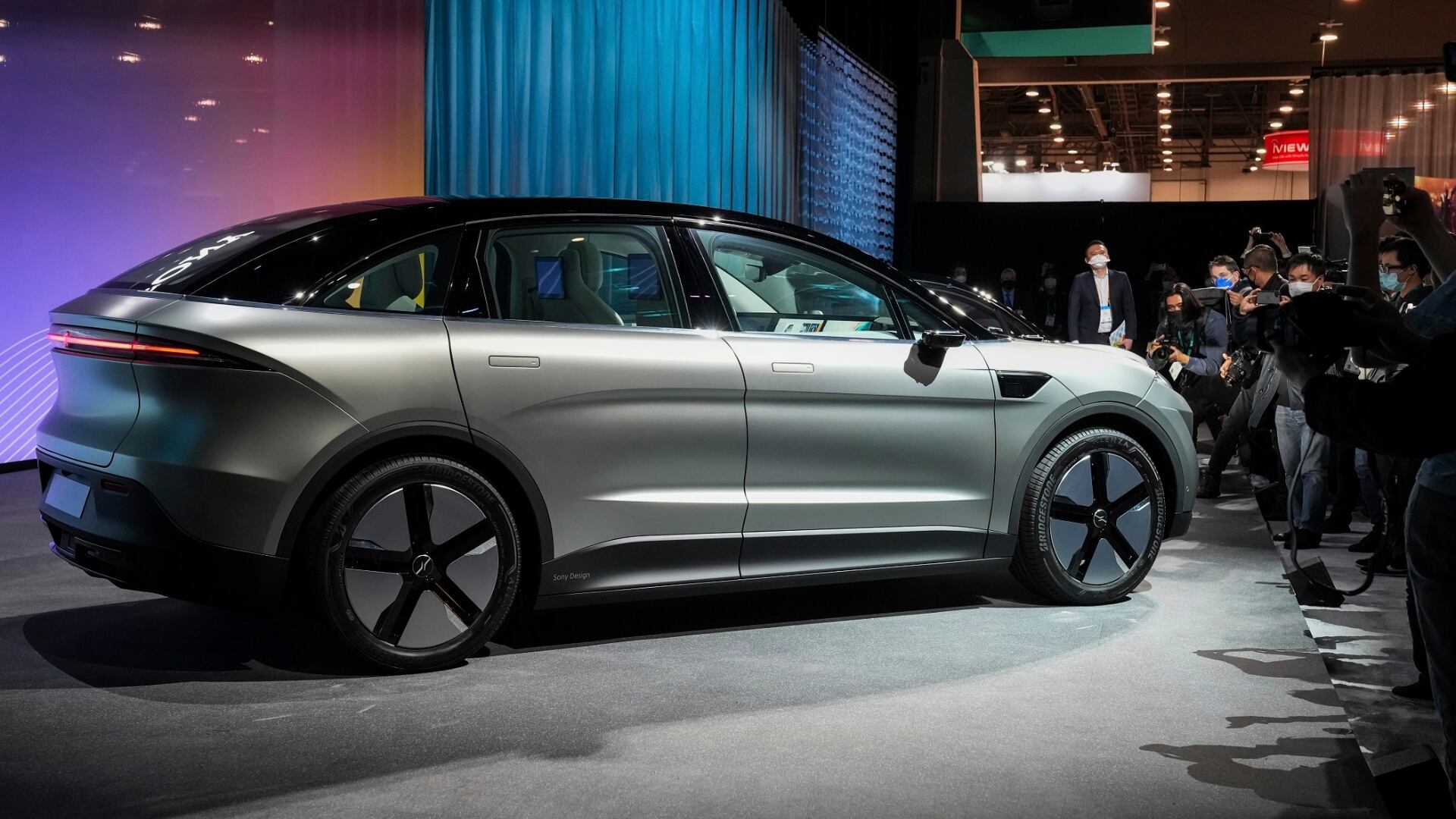
Tech and entertainment giant Sony appears to be getting serious about automaking. An electric concept SUV — the Vision S-02 — was unveiled at CES 2022 and is slated to be produced by a new subdivision, Sony Mobility. This comes after the company revealed the Vision S concept Sedan at CES 2020.
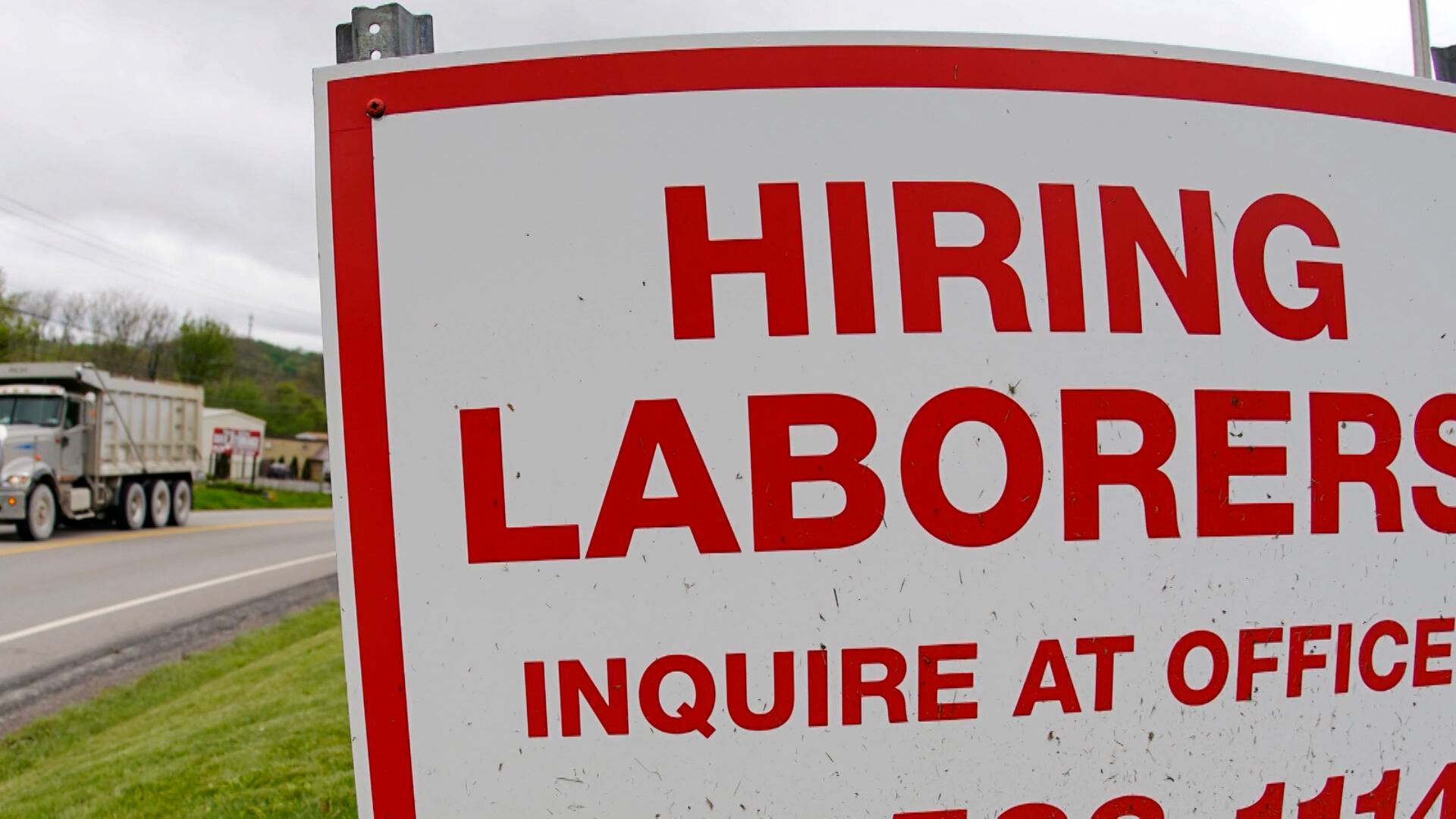
According to the Labor Department December report, the U.S added 199,000 jobs as opposed to the more than 400,000 that had been expected. William M. Rodgers III, vice president and director of the Institute for Economic Equality at the Federal Reserve Bank of St. Louis, joined Cheddar's Baker Machado to talk about the state of the economy and noted that, despite the miss, the drop-off in the unemployment rate signaled to him that the economy is moving in the right direction. "There was an upward revision of about 100,000, a little more than 100,000, for the months of October and November, so, again, I'm not as worried or looking at this as negative as you all are," Rodgers added. He also noted the next three months would likely see slower growth due to the winter but stated that it would remain in a positive direction.
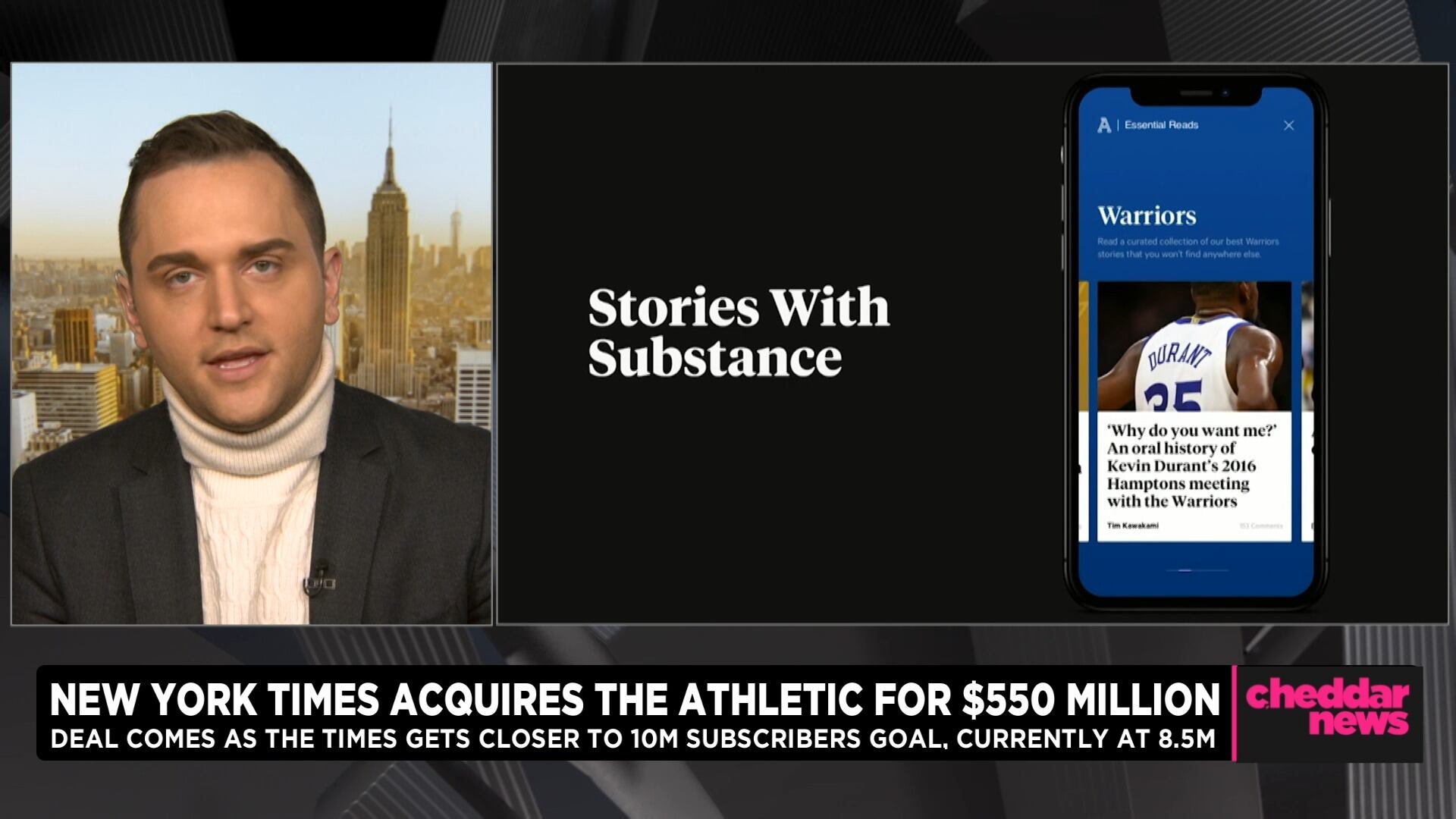
The New York Times has acquired sports outlet The Athletic in a $550 million deal. The acquisition brings the Times closer to its 10 million paid subscribers goal by 2025.
The year 2021 saw numerous natural disasters around the world, including extreme heat and wildfires, rare deep freezes, and historic flooding. This year's United Nations COP26 conference was key for getting world leaders on board with emissions reductions and other climate-focused policies as the UN Secretary-General said the agency's report on global warming is a 'code red for humanity.' In the U.S., President Joe Biden has focused most of his domestic agenda on slashing emissions and building climate-focused infrastructure. Guests from The Economist, UNC-Chapel Hill, Global Rescue, and more join Cheddar Climate's year-end special to discuss how the climate changed in 2021, and what to expect in 2022.