While the coronavirus pandemic forced many media companies to slow down production and forced athletics to grind to a halt, Barstool Sports adapted and CEO Erika Nardini says the company was able to capitalize on a slew of non-sports-related content.
Now Barstool Sports' priority is to show buyers at the company's first appearance at the NewFronts marketing conference that it can still be profitable even without the return of North American pro leagues.
"We wanted to show, not only the showcasing of what we're creating -- so, all of the brands we're developing and running -- but also how we're performing for advertisers," she said.
Barstool's success during the shutdowns, Nardini explained, is not only attributable to the team's ability to "create content that's authentic" but also its commitment to creating content that fans want to engage with.
"We're building some of, if not, the very biggest brands on the internet," she said. "I think that during quarantine, most media companies stopped making content. They either had production challenges, they weren't able to gather in studios. We took the opposite approach."
Barstool's growth on social media platforms like TikTok and Instagram has also allowed the company's "brands the ability to play ball with those audiences" where they otherwise might not have had access, according to the CEO.
"Every single brand that's created at Barstool is programmed and produced for the internet, which means that we naturally attract what you would call 'young viewers,'" she said.
Even with the success of the non-sports content, Nardini said the company will not abandon its newfound format despite the imminent return of the pros, but will instead marry the new content with Barstool's core programs.
"What we've found is when you have eyes for the internet, and you're making content for the internet, that stuff can last," she noted.
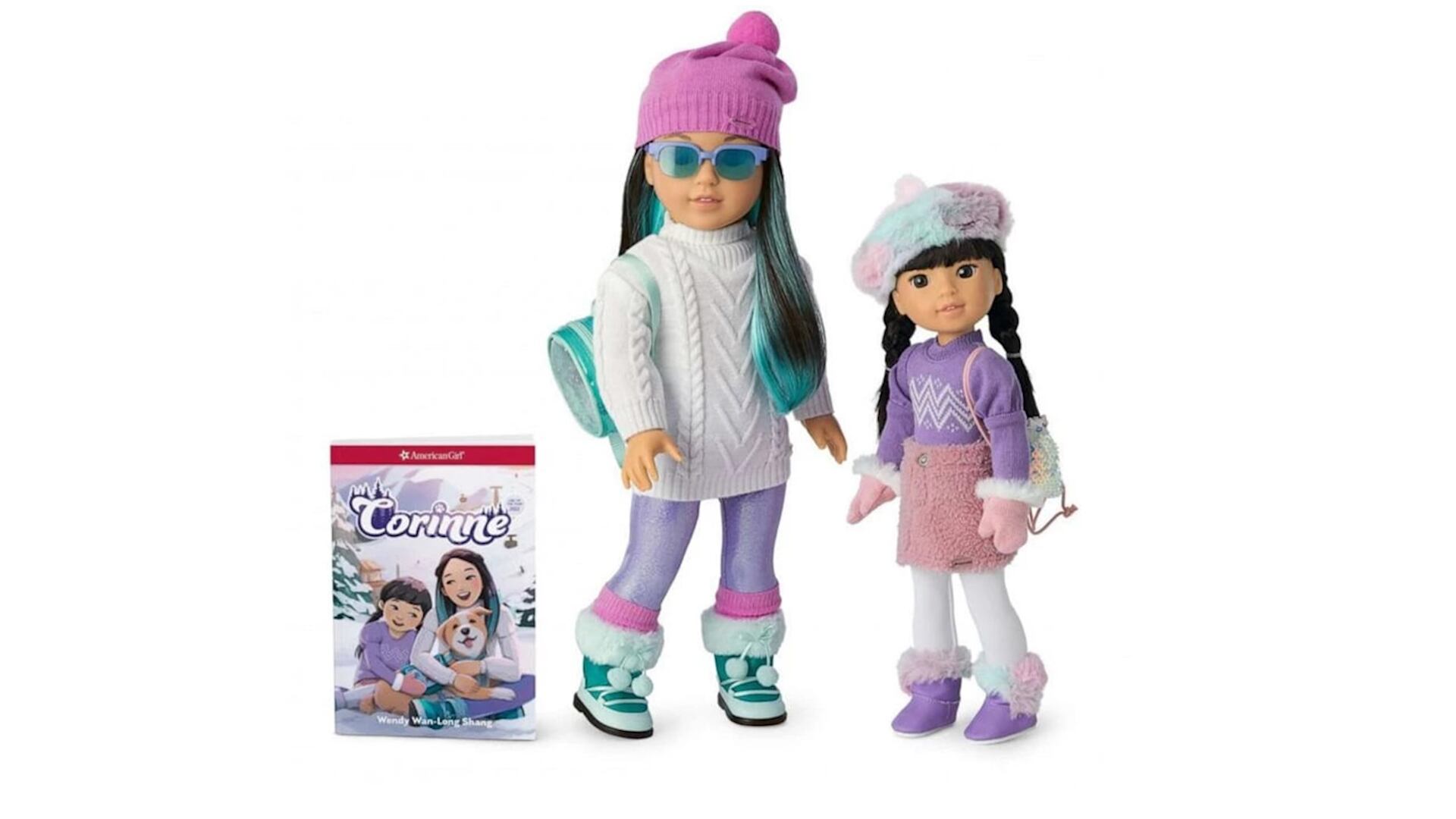
Meet Corrine Tan, American Girl’s 2022 Girl of the Year. Corrine is the first doll of Chinese descent from the company, debuting in response to a rise in hate crimes against the Asian American community. Jamie Cygielman, president and general manager of American Girl, spoke to Cheddar about the long development of the character. "As the pandemic began we started to see a lot of anti-Asian sentiment across the country," she said. "We sort of blended all of these stories together to create Corinne, an outline for Corinne, and then partnered with the wonderful author Wendy Shang to help tell that story to our fans." Cygielman also touched on linking up with AAPI Youth Rising, donating $25,000 for education efforts.
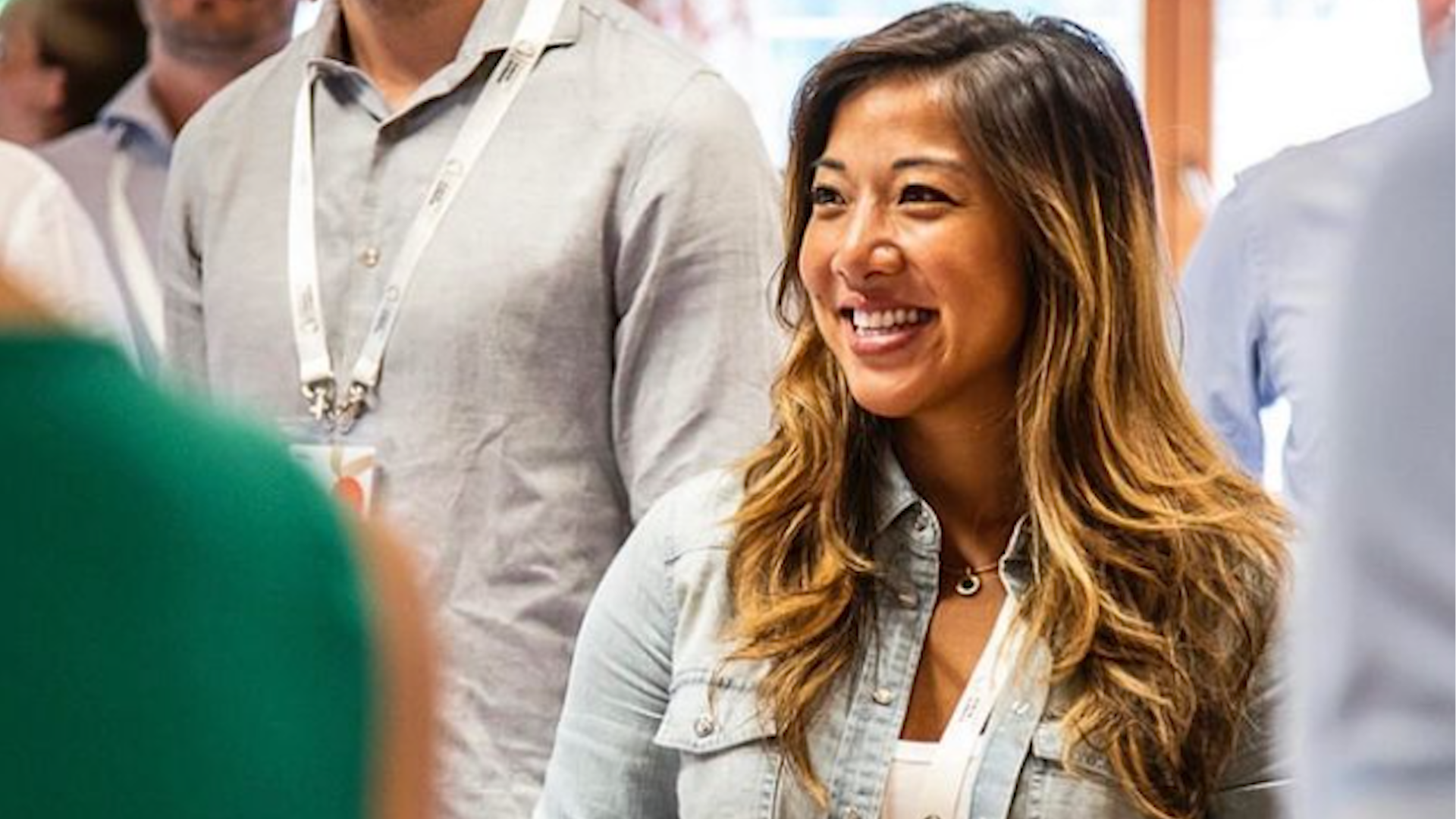
Janet Phan, founder of Thriving Elements and author of 'Boldly You,' joins Cheddar News to discuss the importance of being a mentor and how her organization is helping the next generation of STEM leaders.
Jobs website Glassdoor has released its annual Best Places to Work list with Nvidia, HubSpot, and Bain & Company. While the tech sector holds 40 percent of the rankings, Facebook parent company Meta notably dropped 36 places from last year.
Domino's is planning ahead for surging food costs, anticipating an 8 to 10 percent rise due to inflation and labor shortages. The pizza chain will be changing promotions to offset the overhead, such as making some of its discounts online orders only.
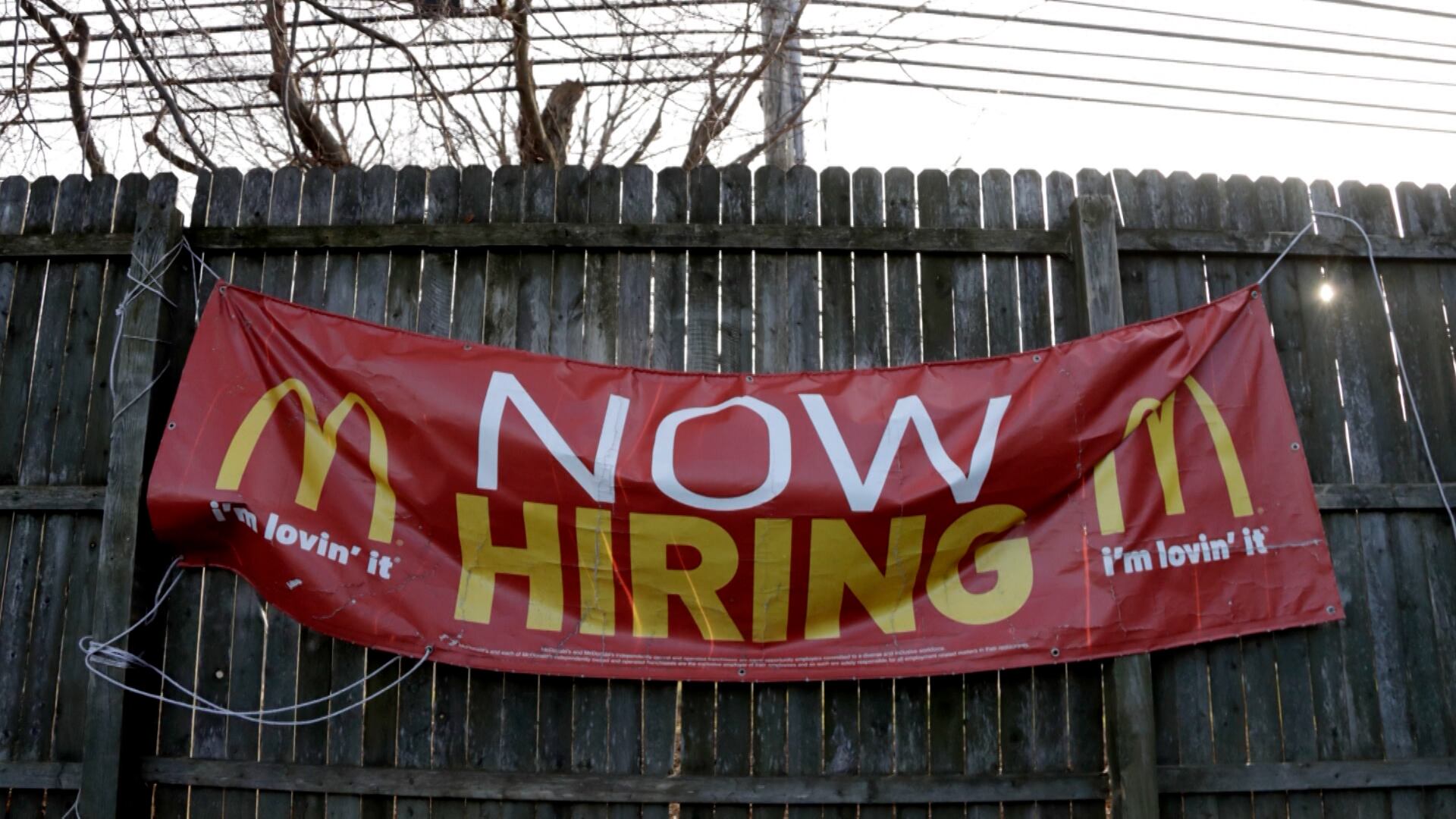
A record 4.5 million Americans quit their jobs in November as people continue to take advantage of red hot job market. The resignation rate is now the highest in the two decades the government has kept records, with many people voluntarily leaving their current jobs for other opportunities. Harley Lippman, CEO of Genesis 10, discusses how why so many people are quitting their jobs right now, and how the tech sector is being impacted.
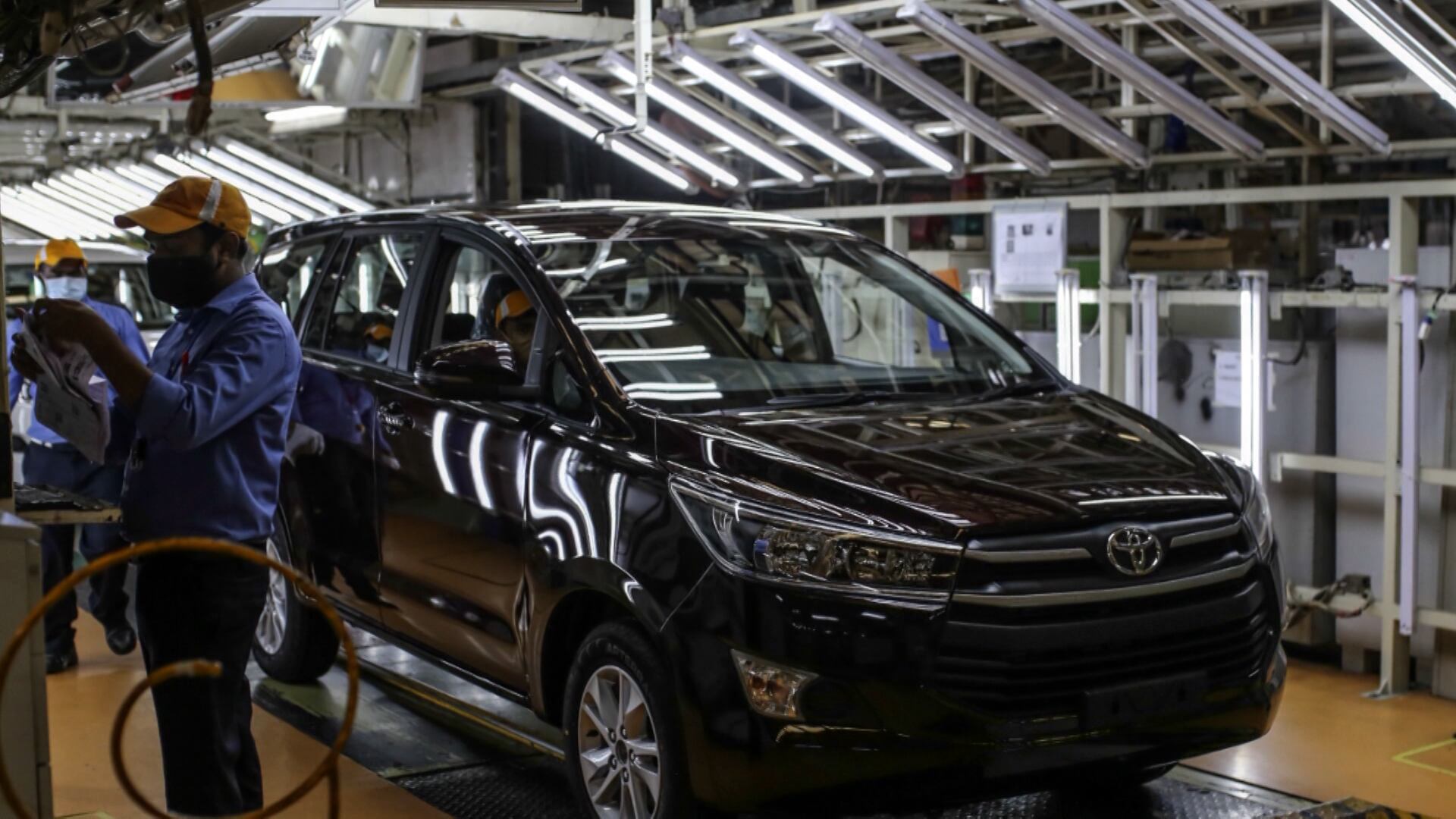
Michelle Krebs, Executive Analyst at Cox Automotive, discusses the factors that led to Toyotas sales growth and highlights the challenges automakers have shifting to all-electric fleets.
The December jobs report was a mixed bag, with the U.S. adding just 199,000 jobs, less than half of the 422,000 forecasted. But there were some bright spots - the unemployment rate fell to a pandemic-era low of 3.9% and wages increased better than expected to 4.7% year-over-year. Heather Boushey, member of President Biden's council of economic advisers, joined Cheddar to gives her reaction to the jobs report, as well as an update on the state of the Build Back Better bill.
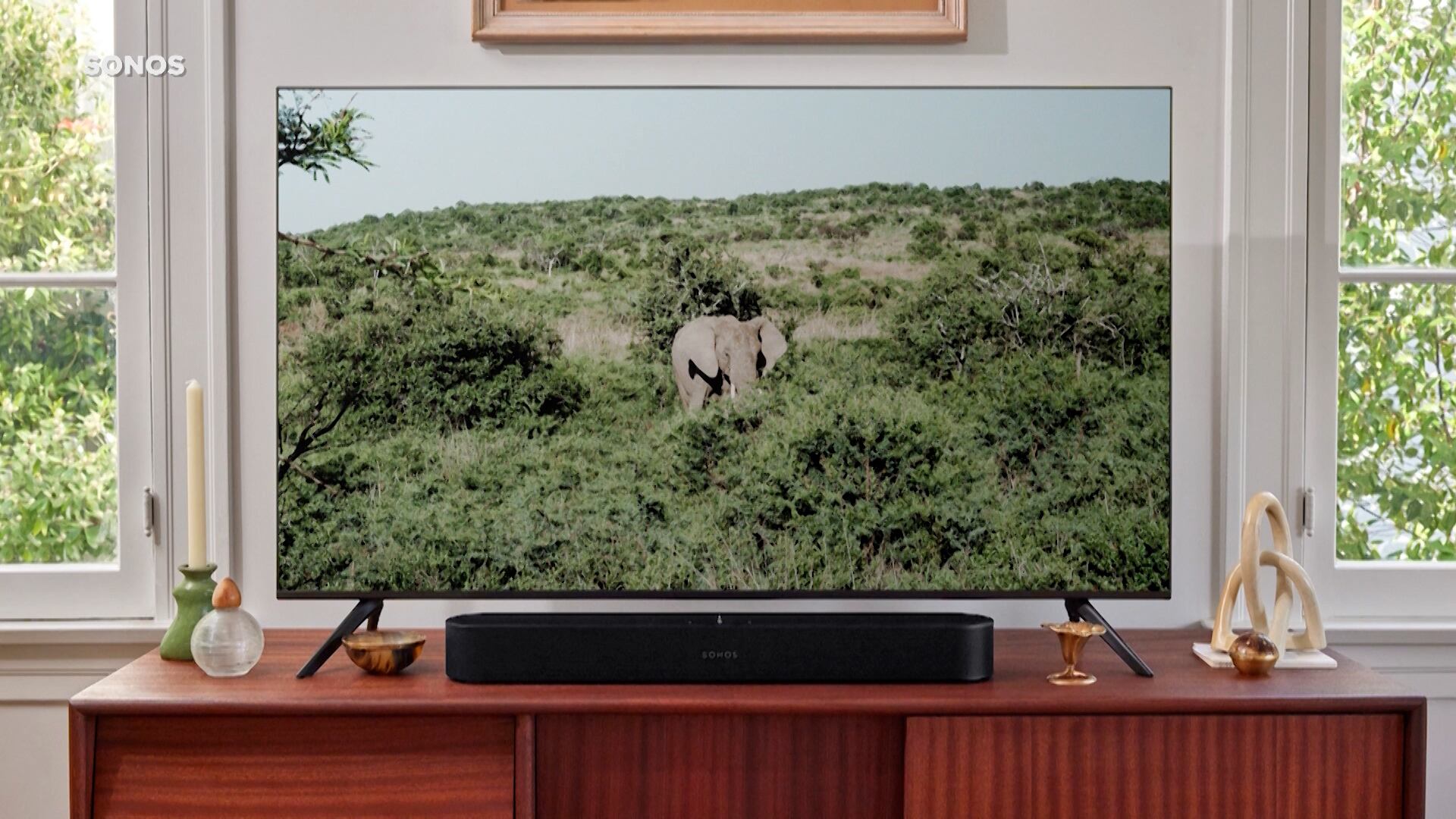
Amy Landers, Director of the Intellectual Property Concentration at Drexel University, breaks down what the Google-Sonos lawsuit means for consumers and addresses concerns about big corporations monopolizing patents within specific industries.
Kris Ruby, CEO of Ruby Media Group, talks about the challenges brands have retaining customers and how crypto is becoming a popular reward among brands.