While the coronavirus pandemic forced many media companies to slow down production and forced athletics to grind to a halt, Barstool Sports adapted and CEO Erika Nardini says the company was able to capitalize on a slew of non-sports-related content.
Now Barstool Sports' priority is to show buyers at the company's first appearance at the NewFronts marketing conference that it can still be profitable even without the return of North American pro leagues.
"We wanted to show, not only the showcasing of what we're creating -- so, all of the brands we're developing and running -- but also how we're performing for advertisers," she said.
Barstool's success during the shutdowns, Nardini explained, is not only attributable to the team's ability to "create content that's authentic" but also its commitment to creating content that fans want to engage with.
"We're building some of, if not, the very biggest brands on the internet," she said. "I think that during quarantine, most media companies stopped making content. They either had production challenges, they weren't able to gather in studios. We took the opposite approach."
Barstool's growth on social media platforms like TikTok and Instagram has also allowed the company's "brands the ability to play ball with those audiences" where they otherwise might not have had access, according to the CEO.
"Every single brand that's created at Barstool is programmed and produced for the internet, which means that we naturally attract what you would call 'young viewers,'" she said.
Even with the success of the non-sports content, Nardini said the company will not abandon its newfound format despite the imminent return of the pros, but will instead marry the new content with Barstool's core programs.
"What we've found is when you have eyes for the internet, and you're making content for the internet, that stuff can last," she noted.
trivago reported its last earnings of 2021 yesterday, marking the end of a rollercoaster year. The online hotel search site was forced to cut costs during the pandemic as the travel industry shut down entirely, instead pivoting its strategy to meet customer demand in other ways. Matthias Tillmann, CFO of trivago, joined Cheddar's Opening Bell to discuss the company's results and why he's optimistic about the future of the travel industry in 2022.
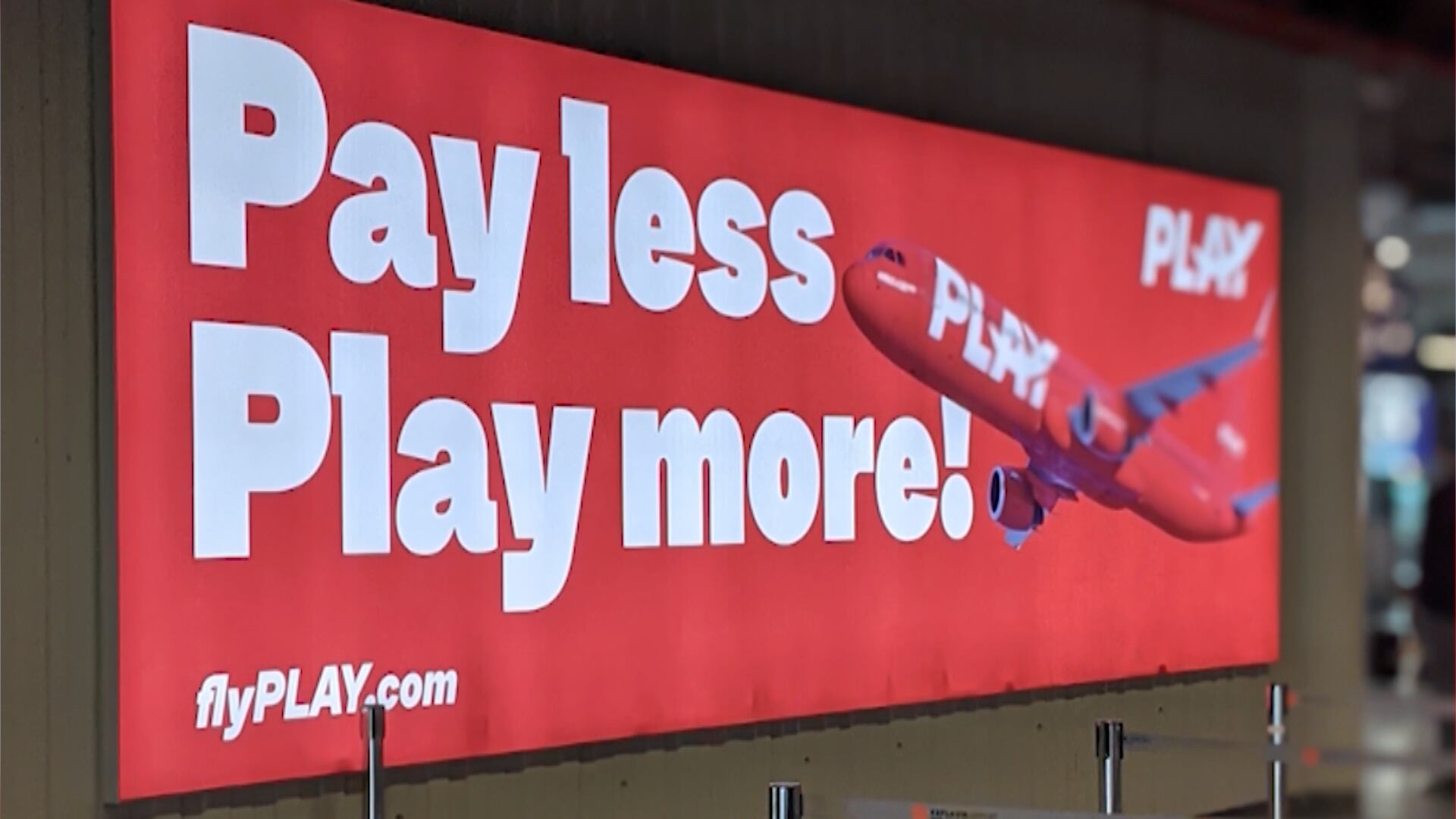
PLAY, a low-cost airline headquartered in Iceland, is expanding service to New York Stewart International Airport, marking its third destination in the United States. PLAY is the latest affordable carrier to fly onto the scene, debuting its first flights a little more than six months ago. Birgir Jonsson, CEO of PLAY, joined Cheddar to discuss what this expansion means for the airline and what it's been like to lead a new airline during a pandemic. "For us to get into the market now, have the availability of great, brand new aircraft at historically low prices, and basically being able to secure a low operating cost base for the future is a completely rare opportunity," Jonsson said. "We can get into the market now when our competitors are also weak."
On Monday, Peloton CEO John Foley stepped down, 2,800 layoffs were announced, and its stock price skyrocketed. Lydia Moynihan, business reporter for the New York Post joined Cheddar News to talk about why investors are excited about this shift in power, while thousands of its workers were let go in a less than ideal manner. "One of the headlines that emerged was that even as they were being fired, Foley sort of couched it as, 'well, you know what, you're still gonna get a year's login to a Peloton subscription', as if somehow if that would make things better," Moynihan said of the soon-to-be ex-CEO. "So, even in that, it was seen as a very sort of tone-deaf move as people were being axed."