While the coronavirus pandemic forced many media companies to slow down production and forced athletics to grind to a halt, Barstool Sports adapted and CEO Erika Nardini says the company was able to capitalize on a slew of non-sports-related content.
Now Barstool Sports' priority is to show buyers at the company's first appearance at the NewFronts marketing conference that it can still be profitable even without the return of North American pro leagues.
"We wanted to show, not only the showcasing of what we're creating -- so, all of the brands we're developing and running -- but also how we're performing for advertisers," she said.
Barstool's success during the shutdowns, Nardini explained, is not only attributable to the team's ability to "create content that's authentic" but also its commitment to creating content that fans want to engage with.
"We're building some of, if not, the very biggest brands on the internet," she said. "I think that during quarantine, most media companies stopped making content. They either had production challenges, they weren't able to gather in studios. We took the opposite approach."
Barstool's growth on social media platforms like TikTok and Instagram has also allowed the company's "brands the ability to play ball with those audiences" where they otherwise might not have had access, according to the CEO.
"Every single brand that's created at Barstool is programmed and produced for the internet, which means that we naturally attract what you would call 'young viewers,'" she said.
Even with the success of the non-sports content, Nardini said the company will not abandon its newfound format despite the imminent return of the pros, but will instead marry the new content with Barstool's core programs.
"What we've found is when you have eyes for the internet, and you're making content for the internet, that stuff can last," she noted.
The Super Bowl might be over, but people are still buzzing about the players, commercials, halftime show, and more. Google tracks the top searches before and after the game every year, revealing the show-stopping moments of the biggest sporting event of the year. Sadie Thoma, Director of US Creative Partnerships at Google, joined Cheddar's Opening Bell to discuss the top trends this year.
Parallel Systems has been selected to receive $4.5 million from the Department of Energy for an advanced testing program of its autonomous, battery-electric rail vehicles. The startup, which has raised more than $53 million to date, was founded by former SpaceX engineers to reimagine the rail system by creating a more efficient, decarbonized freight network. Matt Soule, Co-founder & CEO of Parallel Systems, joined Cheddar's Opening Bell to discuss what the company hopes to achieve.
Disney reported earnings beat on both top and bottom lines. Earnings per share came in at $1.06 versus Refinitiv estimates of 63 cents. Revenue also exceeded expectations at $21.82 billion dollars versus $20.91 billion expected. Meanwhile, Disney+ added 11.8 million new subscribers this quarter to reach nearly 130 million total. Tuna Amobi, media and entertainment expert at CFRA research, joined Cheddar to gives his take on Disney's earnings blowout.
Almost a decade after facing a parent's worst nightmare, the families of the young students killed in the Sandy Hook School shooting reached a settlement with gun manufacturer Remington, makers of the Bushmaster AR-15 used in the crime. David Pucino, deputy chief counsel, Giffords Law Center to Prevent Gun Violence joined Cheddar News to discuss the families' case and how its strategy brought about the legal settlement. "They built a really great case showing the way that Bushmaster developed its advertising to drive sales using those toxic messages.
Private equity firms are taking a big interest in investing in NBA teams, the sports league showing the highest ROI over the last two decades according to Sportico, Forbes, and PitchBook. Wylie Fernyhough, lead analys for private equity at PitchBook joined Cheddar News to discuss the way firms are looking to get a piece of the action on the court. “There’s a certain amount of rarity, with these," Fernyhough said. "They’re not exactly printing new NBA franchises."
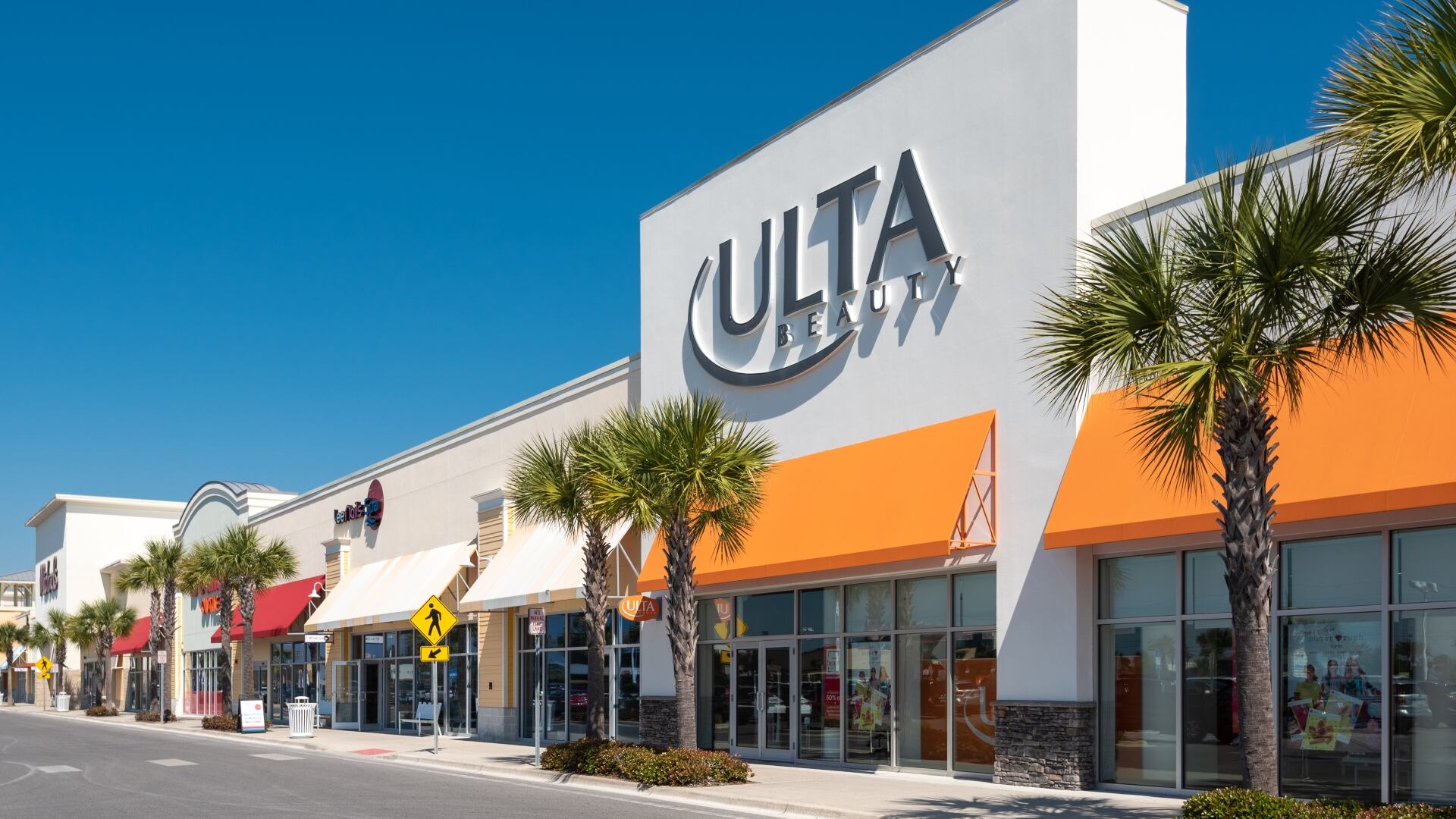
In efforts to help support black-owned brands. Ulta Beauty says it will make a commitment to not only give these brand shelf space but also help them navigate the ins and outs of growing a business. Last week, the beauty retailer announced in order to reach those goals, the company will spend $50 million on diversity and inclusion programs, including an accelerated program to mentor entrepreneurs of color. CEO of Ulta Beauty, Dave Kimbell, joined Cheddar to discuss more.
Inflation remains hot as the January PPI has increased by 1 percent, twice what analysts had been expecting with a jump of 9.7 over the year. Beth Ann Bovino, the U.S. chief economist, for S&P Global Ratings, joined Cheddar News to discuss the rapid pace of inflation alongside higher wages, predicting the Federal Reserve will act quickly and forcefully this year. "They haven't changed their forecast, yet, that's gonna come out soon. But we expect that a March rate hike is basically pretty much baked in the cake," she said. "We think six rate hikes in total for 2022."
For black history month, Cheddar is highlighting black business leaders who are driving the need for representation forward. On February 10, the U.S. Chamber of Commerce hosted an event called 'Developing the Black-Owned Business Ecosystem.' The virtual event was organized under the lobbying group's two initiatives -- the Equality of Opportunity Initiative, and the Coalition to Back Black Businesses. The event highlighted the developments needed to develop more black-owned businesses in the U.S. Dr. Anthony Wilbon, Dean of the School of Business at Howard University, joined Cheddar News' Closing Bell to discuss his experience as a speaker at the event.
Black spending power reached a record $1.6 Trillion in a 2021 report from the University of Georgia Selig Center for Economic Growth. Ayesha Selden, certified financial planner, breaks down why real estate is the key to closing the racial wealth gap and how Black Americans are using social media to improve financial literacy. "If we look at home ownership as being a primary driver of wealth, when you look at the equity that Americans have in their homes, that equity can be used to buy additional assets like other rental properties. That equity can be used to educate our children," Selden said, noting that lower rates of home ownership meant Black Americans tend to incur more debt on average for their student loans.