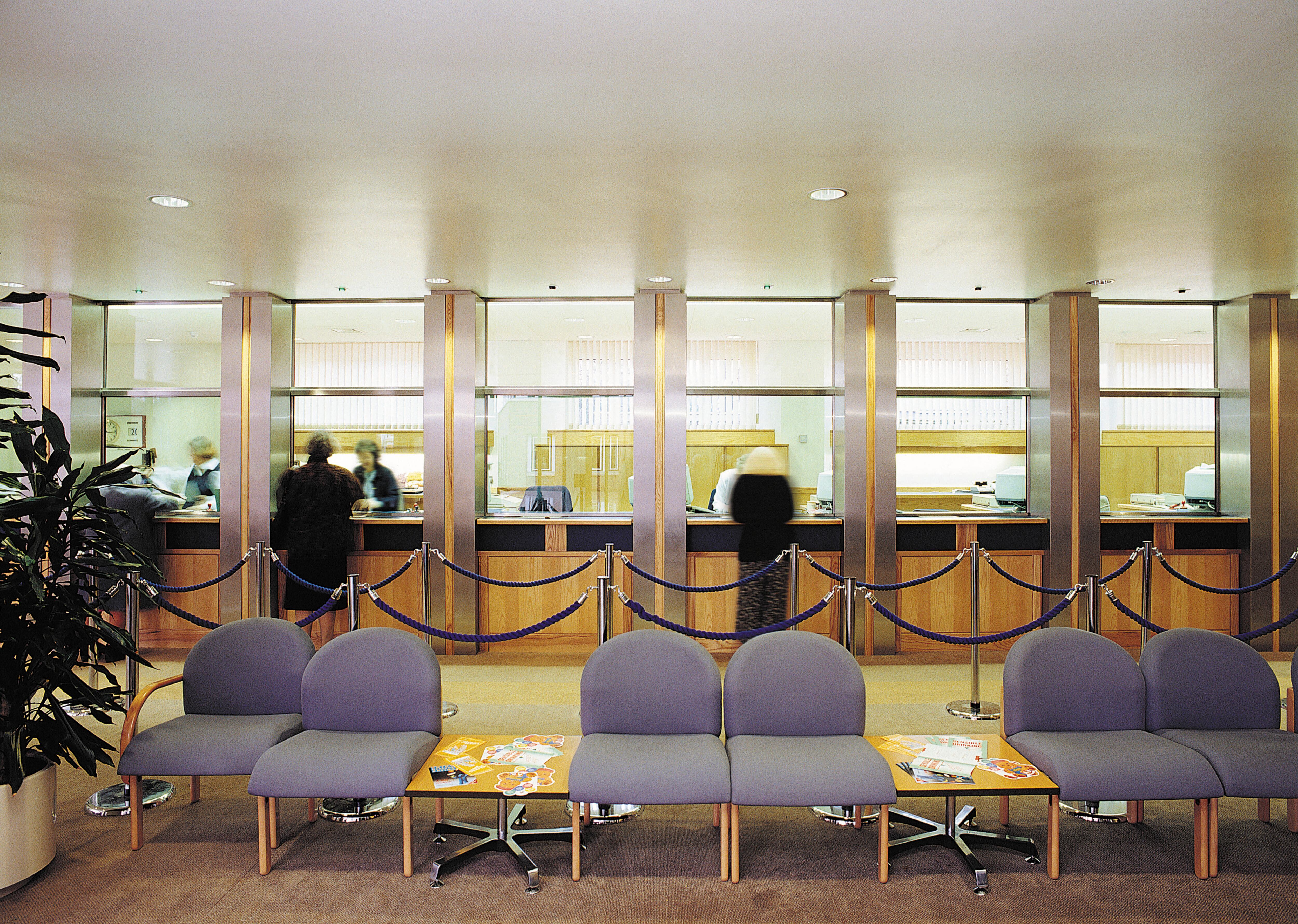
A malfunctioning HVAC unit was behind the fire that shut down a popular Delaware bank location in 2019. Why it never reopened, though, stems from a decade-long trend reshaping the industry.
"Within 48 hours of that incident, the head of our retail group said 'I think we should use this as an opportunity to close that location,'" said Rodger Levenson, CEO of WSFS Bank, which has a footprint in Delaware, southeast Pennsylvania, and New Jersey.
In a much larger case of never letting a crisis go to waste, banks across the industry are now weighing similar business decisions about whether to reopen branches once the COVID-19 threat subsides.
The coronavirus outbreak spurred a nationwide shutdown of bank branches, and the sector is watching closely to see how easily customers adapt to a new normal where digital is the only option.
The trendlines have been clear for years. Between 2010 and 2019, the number of branch locations declined 12 percent from 95,000 to 83,000, according to Federal Deposit Insurance Corp.
In the short term, the pandemic has driven banks to drastically increase those numbers. JPMorgan Chase in March announced that it was closing 20 percent of its branches to help halt the spread of the virus. Citigroup said it was closing 15 percent of locations.
Most banks have at least reduced hours and staffing during the outbreak.
The major banks say branches will reopen along with the rest of the economy, but some industry watchers are skeptical.
"They're going to close them. I don't believe the statement that these are temporary closings," said Richard X. Bove, chief strategist at Odeon Capital Group. "You're looking at a trend that was very persistent for a decade, since the last financial crisis. Now the coronavirus comes along and that becomes an excuse that banks can use to close even more branches."
JPMorgan did not provide details about its future plans concerning branch locations but said it will "reopen some branches as appropriate," according to a spokesperson.
A Bank of America spokesperson said more information was likely to come in the weeks ahead, while Citigroup and Wells Fargo did not immediately respond to requests for comment.
For WSFS, consolidation has already become a part of its DNA, according to Levenson.
The bank closed 25 percent of its locations after acquiring regional competitor Beneficial Bank in August 2019. The new combined company did a close accounting of transaction counts, foot traffic, and digital adoption at its 120 branches. Much of the cost-savings were channeled into technology upgrades.
At the time, the result was one of the most ambitious reductions in branch locations in the country.
"I think a lot of banks had been sort of pruning around the edges for a period of time, taking a much more critical eye toward renewing leases or opening up new locations," said Levenson.
The acquisition pushed WSFS toward a more drastic approach, which Levenson said has primed the bank for future overhauls.
"This environment is certainly going to cause us to go back and take a look and will probably lead to some more consolidation of our branch locations," said Levenson.
In the immediate aftermath of COVID-19, Bove said it's unlikely that banks will announce major plans to cut their footprints. Some could open new branches, even as they retire old ones, he said, to grow their market share in new territories with a secondary goal of marketing the bank to new customers.
"Most bank branches I walk by are pretty dead. They tend to be more like marketing outposts than they tend to be useful," said Steve McLaughlin, founder of FT Partners, an investment banking firm focused exclusively on financial technology.
Bullish about all-digital banks, McLaughlin still sees a role for physical banks but said they will look and operate differently as digital picks up steam.
"Branches could definitely shrink over the course of time, as a result of less and less foot traffic. They could end up in some cases being smaller two-person offices, as opposed to sprawling places with dozens of tellers, coffee machines, and lollipops."
WSFS said it's been moving in this direction for years. Its new branches are half the size of old locations and usually staffed by a handful of bankers, where everyone is trained to do everything.
There could be political pain points along the way. Customers loyal to a given location, or communities that stand to lose a location in their backyard, could put up some resistance.
But the wider adoption of digital has cleared some of those obstacles.
"Consumers don't want to go to branches, and banks don't want to have branches," Bove said.
Levenson said he's relying on customers understanding the trade-offs: losing some of the physical access that banks offered in exchange for new and convenient digital tools.
Whether the coronavirus puts the nail in the coffin or not, the move away from in-person banking and toward digital is being treated by many in the industry as a foregone conclusion.
"All the pandemic is really doing is accelerating many years of that trend into a much shorter time-frame," said Levenson. "I wouldn't characterize it as a very hard sell."