By Ken Sweet
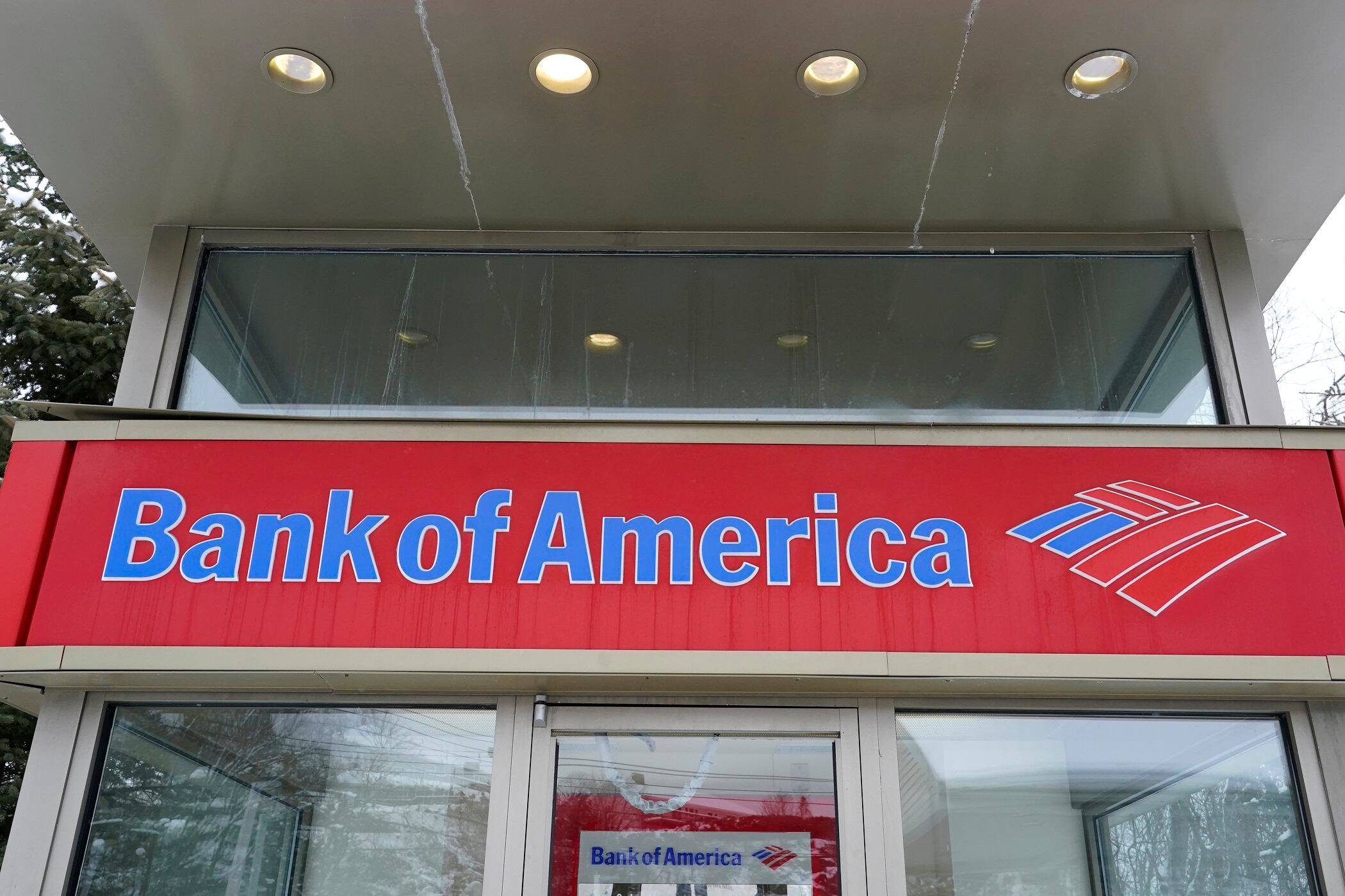
Bank of America slashed the amount it charges customers when they spend more than they have in their accounts and plans to eliminate entirely its fees for bounced checks.
It's the latest move by the nation's biggest banks to roll back the overdraft fees they long charged customers, fees that often amount to hundreds of dollars a year for frequent overdraft users.
The bank based in Charlotte, North Carolina, will cut the overdraft fees it charges customers to $10 from $35 starting in May. It will also stop charging fees for non-sufficient funds — which are levied when it rejects a transaction — better known as bouncing a check.
While checks are no longer widely used, NSF fees can come from automated payments like utility bills. Bank of America, the nation’s second-largest bank, says roughly 25% of its overdraft/NSF fee revenue each year came from NSF fees. Overdraft fees typically come when someone makes a purchase on a debit card that exceeds the available cash in their account.
Altogether, Bank of America estimates the steps will cut its overdraft-fee revenues by 97% from where they were in 2009, the year before it started taking incremental steps toward reining in overdraft-fee revenues.
“This is the final step in the journey we've been on," said Holly O’Neill, president of retail banking at BofA, in an interview. "We have good financial solutions for clients without them having to rely on overdraft, but we will still have overdraft if it is needed.”
Consumer groups and politicians applauded the measure, particularly with Bank of America's size as the largest consumer banking franchise in the country.
“I've been working to reduce or eliminate overdraft fees for 20 years and to give them credit, they really did listen,” said Martin Eakes, CEO of the Center for Responsible Lending. “This could potentially hundreds of millions of dollars staying in customers' accounts instead of going toward fees.”
It remains to be seen whether the decision by BofA — a leader in the retail banking industry — to cut overdraft fees will pressure other banks to take similar measures.
“Banks are going to take different approaches. Some are going to eliminate them, reduce them, others will remain in denial about how damaging these fees are. But now they have competitive pressure" said Lauren Saunders, associate director for the National Consumer Law Center. "Any bank that is not seriously considering reforming their overdraft practices is just hurting themselves in the long term.”
The bank is also eliminating two smaller fees as well. It will no longer allow customers to overdraft their accounts at the ATM and will eliminate a $12 fee it charged customers when the bank automatically moved money from one account to another to avoid an overdraft, often moving money from a long-term savings account into the customers' primary checking.
Overdraft has its origins in banks providing a service for a fee to customers who may have not balanced their checkbook correctly and wanted a bank to honor a purchase. But the widespread use of debit cards changed this courtesy into a routine source of revenue for banks. If a customer lacked funds in their account, a $5 coffee could end up costing $35 because of overdraft fees.
Overdraft fees became lucrative for the industry but at the same time made banks a target for consumer advocates and regulators. After the financial crisis, Democrats put the Consumer Financial Protection Bureau and other regulators in charge of reining in overdraft fee revenue. The CFPB under President Biden has decided to take another look at overdraft fee practices.
"For many big banks, overdraft fees are still the steady, reliable, predictable, easy revenue that shareholders love,” said Rohit Chopra, the CFPB's director, in December.
Sen. Elizabeth Warren, D-Massachusetts and a long-time critic of banking practices like overdraft fees, called BofA's announcement “a step in the right direction” on Twitter.
“Big banks should eliminate these fees altogether,” Warren said.
Sen. Sherrod Brown, D-Ohio and the chairman of the Senate Banking Committee, called BofA's decision a “good first step toward banks eliminating overdraft fees altogether.”
For years, BofA has slowly cut back on its overdraft fee practices. It got rid of overdraft fees tied to debit card purchases in 2010 and created a checking account in 2014 that did not allow customers to overdraft. The SafeBalance account is now the bank's most commonly opened account.
But BofA and the broader industry were not ready to get rid of overdraft fees altogether until recently. Many banks froze the fees they charged customers during the first year of the pandemic and industry still booked record profits. While overdraft fees fell for the first time in six years in 2020, the industry still collected over $30 billion in fees from such practices that year.
So starting in 2021, some larger banks started announcing they were dropping overdraft fees entirely. Ally Bank, PNC, Santander and Capital One were among the bigger regional banks to effectively eliminate overdraft fees. JPMorgan Chase also eased its overdraft practicing, giving customers more leeway to go negative in their accounts before fees would be charged.
Bank of America will report its fourth-quarter results on Jan. 19, which will give investors and the public a full-year view on how much the bank is still bringing in from fees like overdraft.




