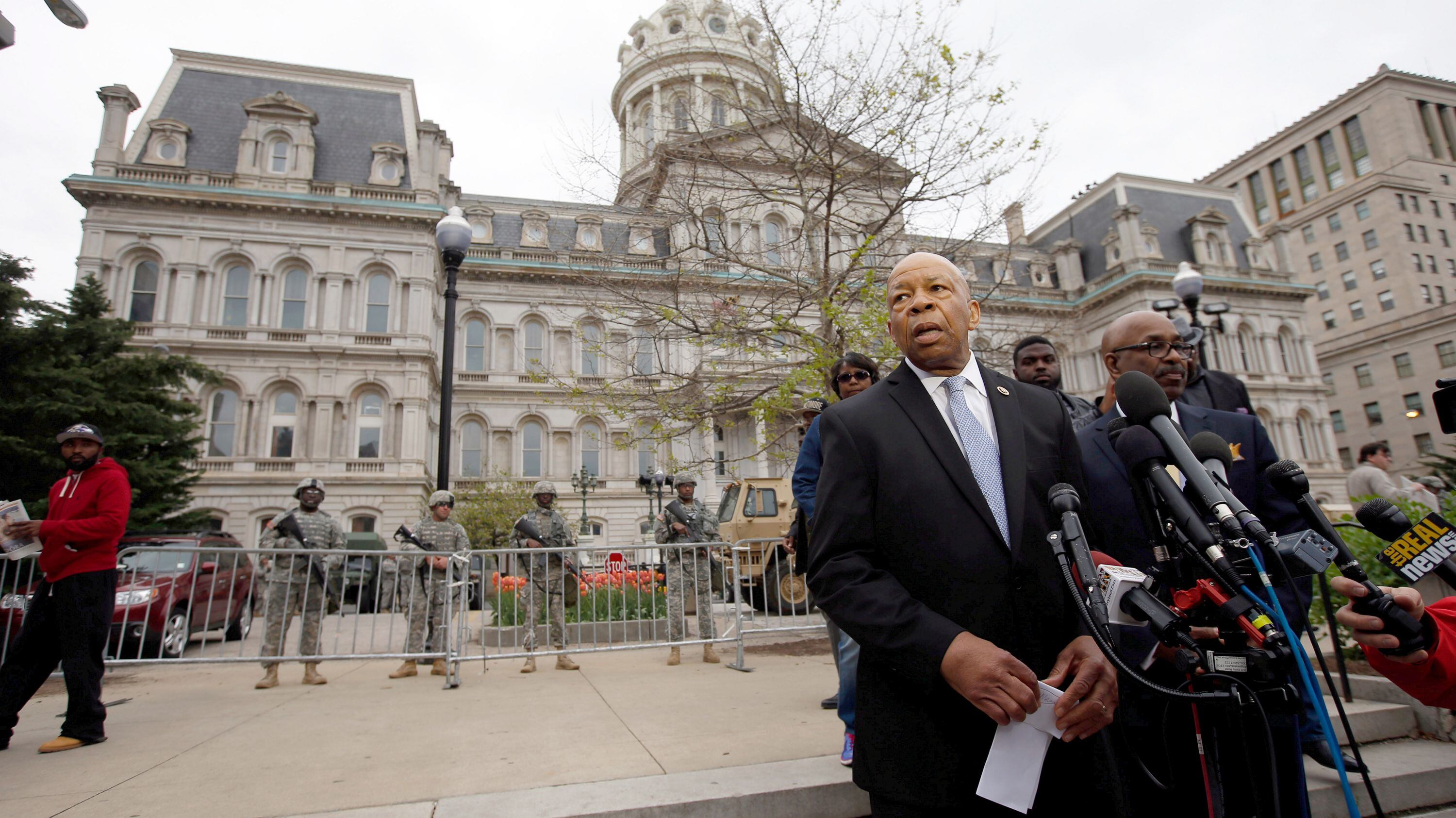
Residents of Baltimore are working to showcase the best that their hometown has to offer, just days after President Trump described the city as a "a disgusting, rat and rodent infested mess."
Trump's epithets came amid a Twitter tirade against Baltimore's congressional Rep. Elijah Cummings (D-Md.), who chairs the House Oversight Committee and has been a staunch critic of the president.
"His district is considered the Worst in the USA," Trump added. "If he spent more time in Baltimore, maybe he could help clean up this very dangerous & filthy place." The president also took a hit at residents of Baltimore.
Cummings dismissed the president's critique, saying in a tweet "each morning, I wake up, and I go and fight for my neighbors."
The city, moreover, has soundly rejected the president's characterization.
"People are furious, of course. People know that Baltimore is not how [Trump] describes it," Greg Tucker, the co-founder of the forthcoming website We Are Baltimore told Cheddar. "Indeed Baltimore has challenges. Indeed Baltimore has suffered years of underinvestment in critical neighborhoods… yet too often Baltimore is characterized solely by our worst elements."
"We Are Baltimore," which was in the works before Trump's tweets, will aggregate stories from residents and thriving local businesses to counter the negative narrative of the city.
It will "provide a definitive platform where we can aggregate and amplify the many positives, the many assets of Baltimore," Tucker added.
In a statement, Baltimore's Mayor Bernard C. Jack Young also slammed the president for using "hurtful and dangerous" rhetoric to "denigrate a vibrant American City."
Trump is "a disappointment to the people of Baltimore, our country, and to the world," Young added.
The president's invocation of rodents and infestations to describe a city that is more than 60 percent black was widely rebuked as using racist terms that have been historically used to demonize minorities.
Civil rights icon Reverend Al Sharpton said from a press conference in Baltimore on Monday that Trump had attacked the city in "the most bigoted and racist way."
"He has a particular venom for blacks and people of color," Sharpton said. "He doesn't refer to any of his other opponents or critics as infested."
Trump said "Democrats always play the Race Card" and criticized Sharpton as a "a con man, a troublemaker" on Twitter ahead of the press conference. He also doubled down early Monday morning on his critique of Cummings, who has represented Maryland's 7th congressional district since 1996. "25 years of all talk, no action!" Trump tweeted.
Several 2020 Democratic presidential candidates including Sen. Bernie Sanders (I-Vt.), Sen. Elizabeth Warren (D-Mass.), and Sen. Kamala Harris (D-Calif.) — whose campaign is headquartered in Baltimore — condemned Trump's remarks.
Yet the most scathing rebuke came from the Baltimore Sun's editorial board, which wrote "Better to have some vermin living in your neighborhood than to be one."
Trending on Twitter over the weekend was #TrumpIsARat.
In a statement to Cheddar, Twitter confirmed that Trump's tweets do not violate the platform's rules regarding the use of dehumanizing language.
Student loan debt continues to be a major concern for tens of millions of Americans who collectively owe about $1.7 trillion. Black college students often take on larger amounts of student debt in order to pay for a higher education. In turn, they are more likely to struggle post-graduation with repaying their debt, creating a racial wealth gap divide. Andre Perry, senior fellow at Brookings Institution joined All Hands to help break down the black student debt crisis.
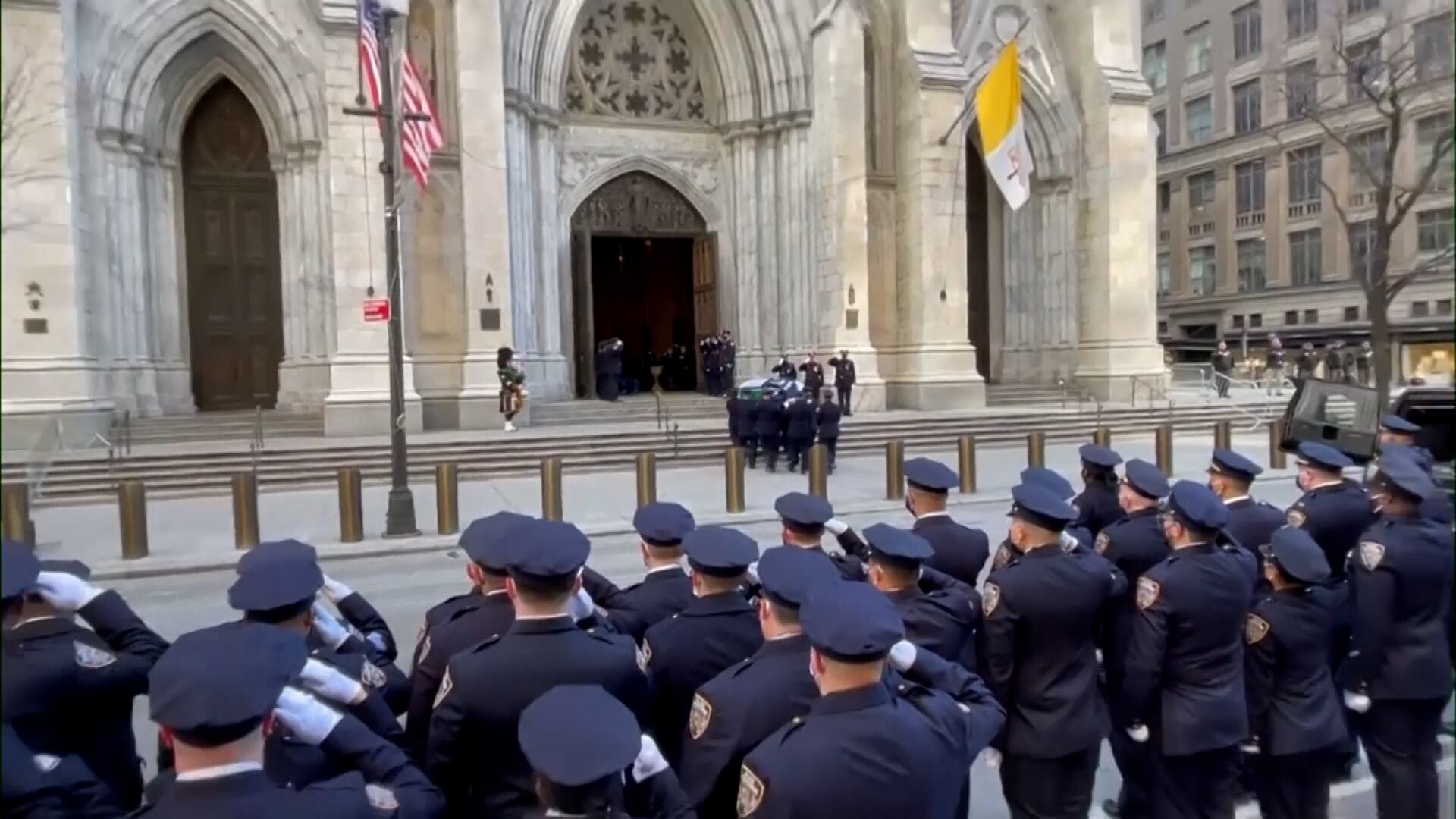
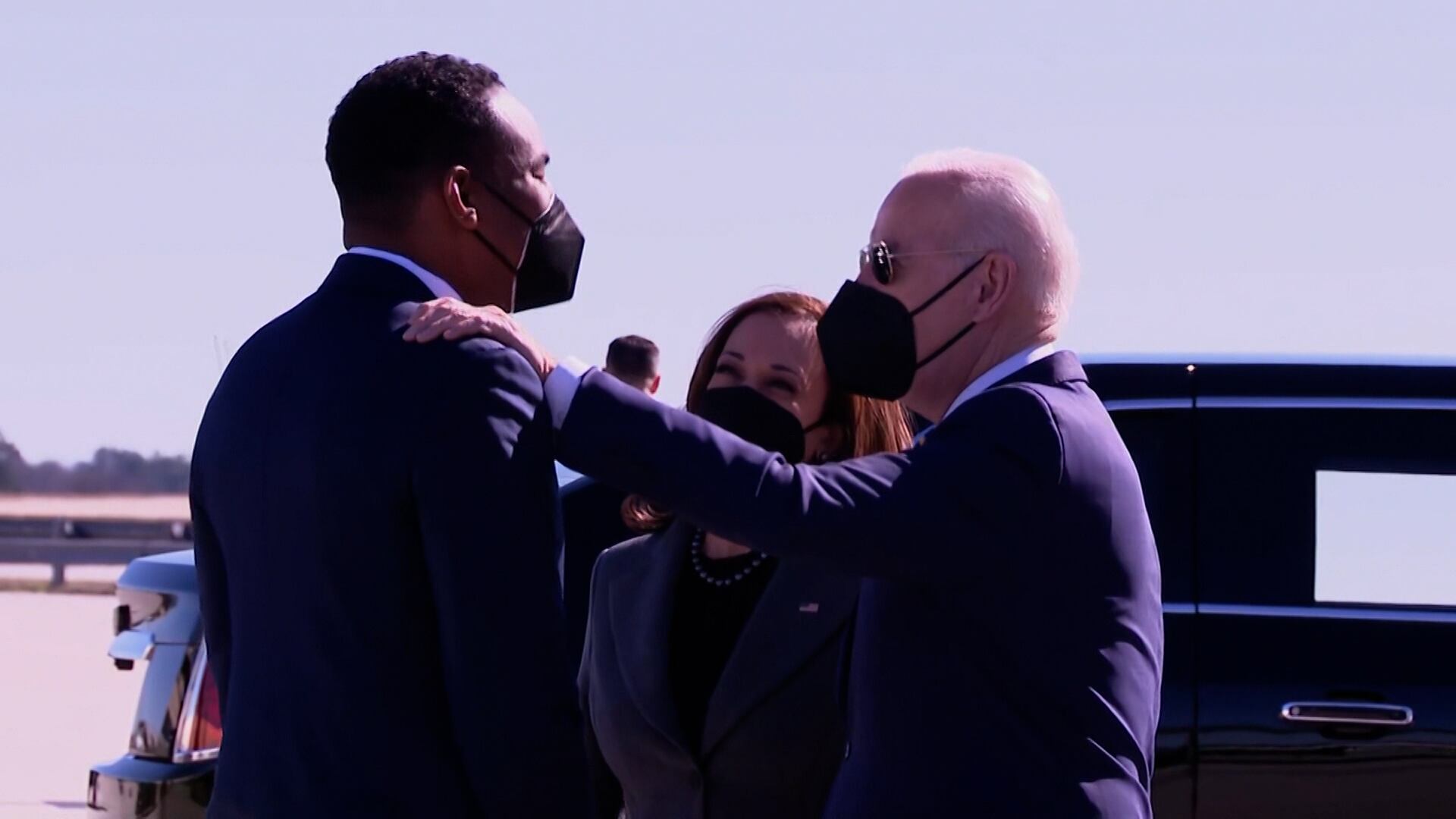
After two NYPD officers were killed with an illegal gun, President Biden made a trip to New York City to speak on the issue of gun violence fed by the "iron pipeline" of illegal firearms that make their way from the South to the Big Apple. Kris Brown, the president of the gun violence prevention organization Brady United, joined Cheddar to discuss what this visit from the president could mean for the future of gun laws in America. "He's asked Congress to pass things like expanding the Brady background check system, but with the filibuster a barrier to so much action right now in the Congress, he's looking at solutions that involve funding at the federal level and really involve enforcement."
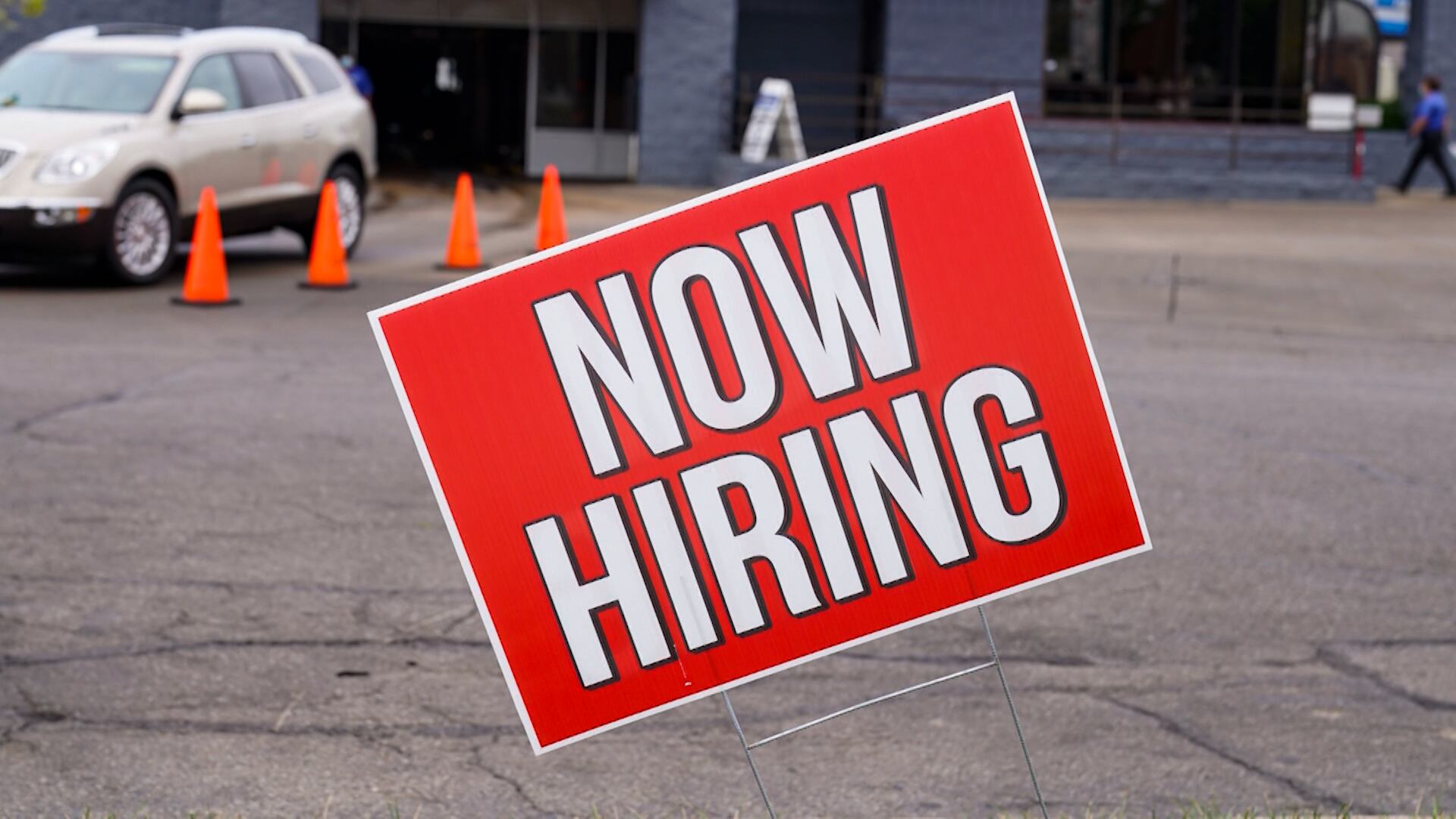
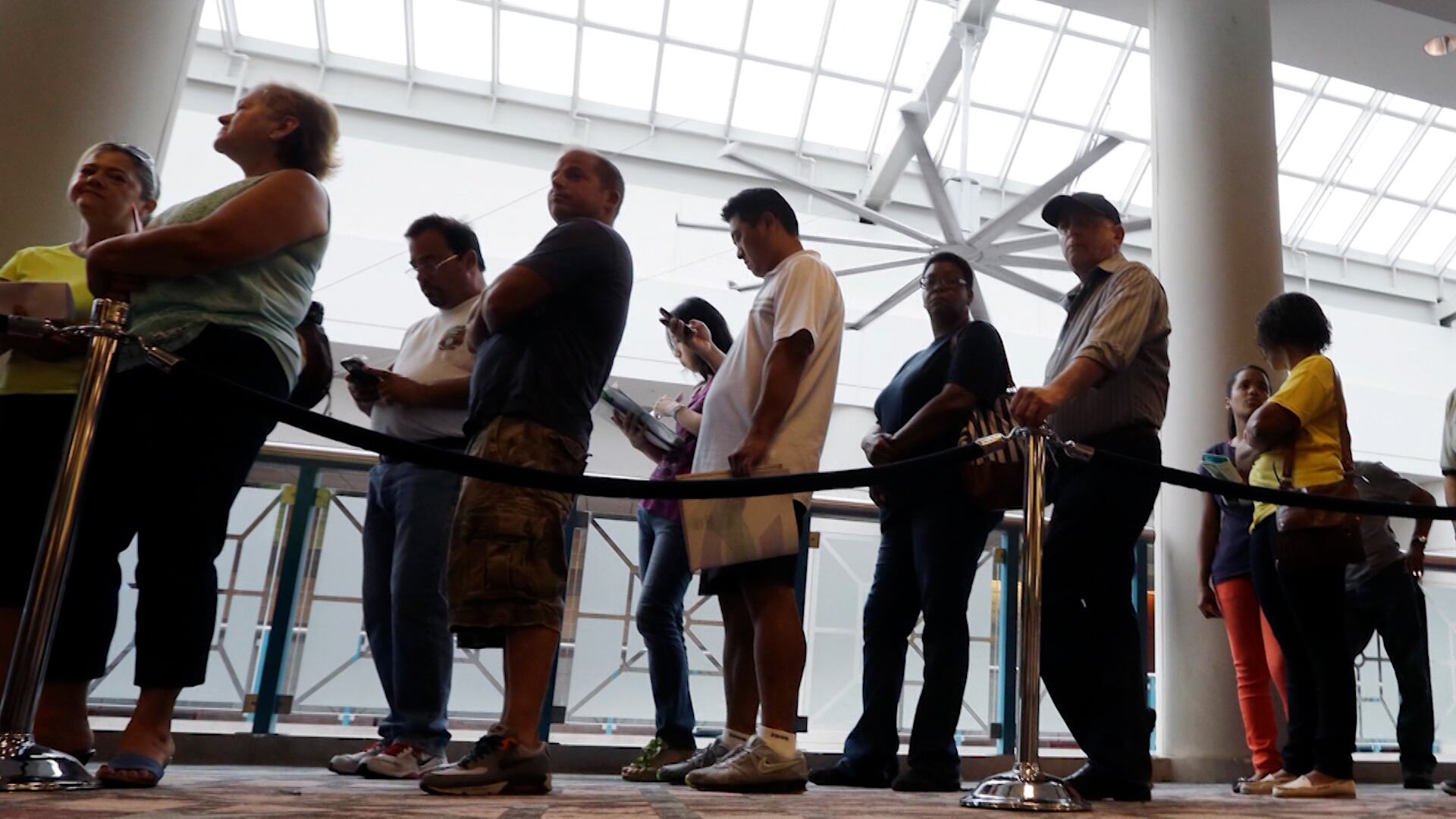
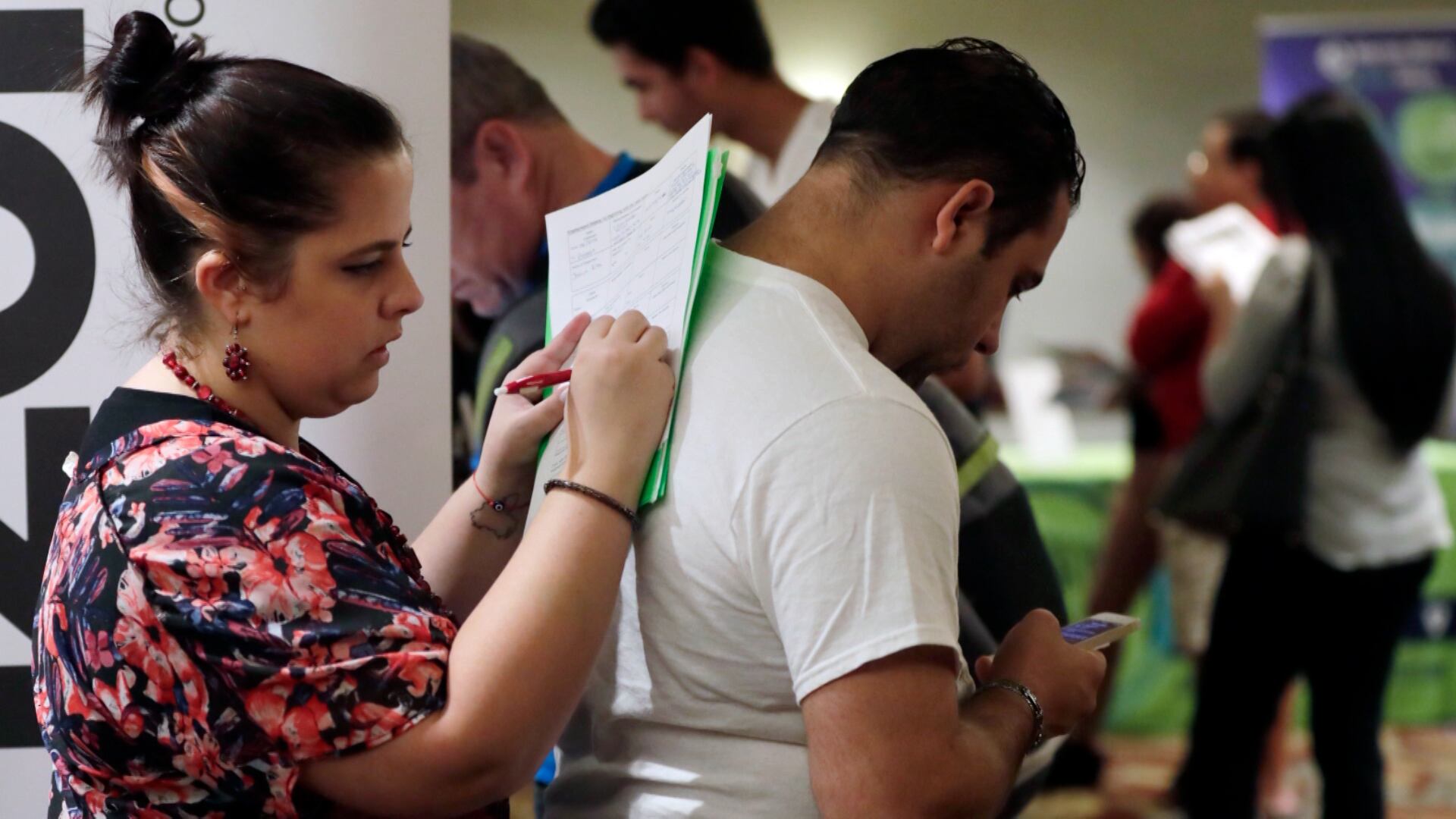
Following the surprising big beat on estimates for the January jobs report, William M. Rodgers III, vice president and director of the Institute for Economic Equity at the Federal Reserve Bank of St. Louis, joined Cheddar News to break down the data. “We ended 2021 with a strong crescendo to a recovery that had taken hold, and we started 2022 in good fashion." He also discussed the dueling pressures of wage growth and inflation.
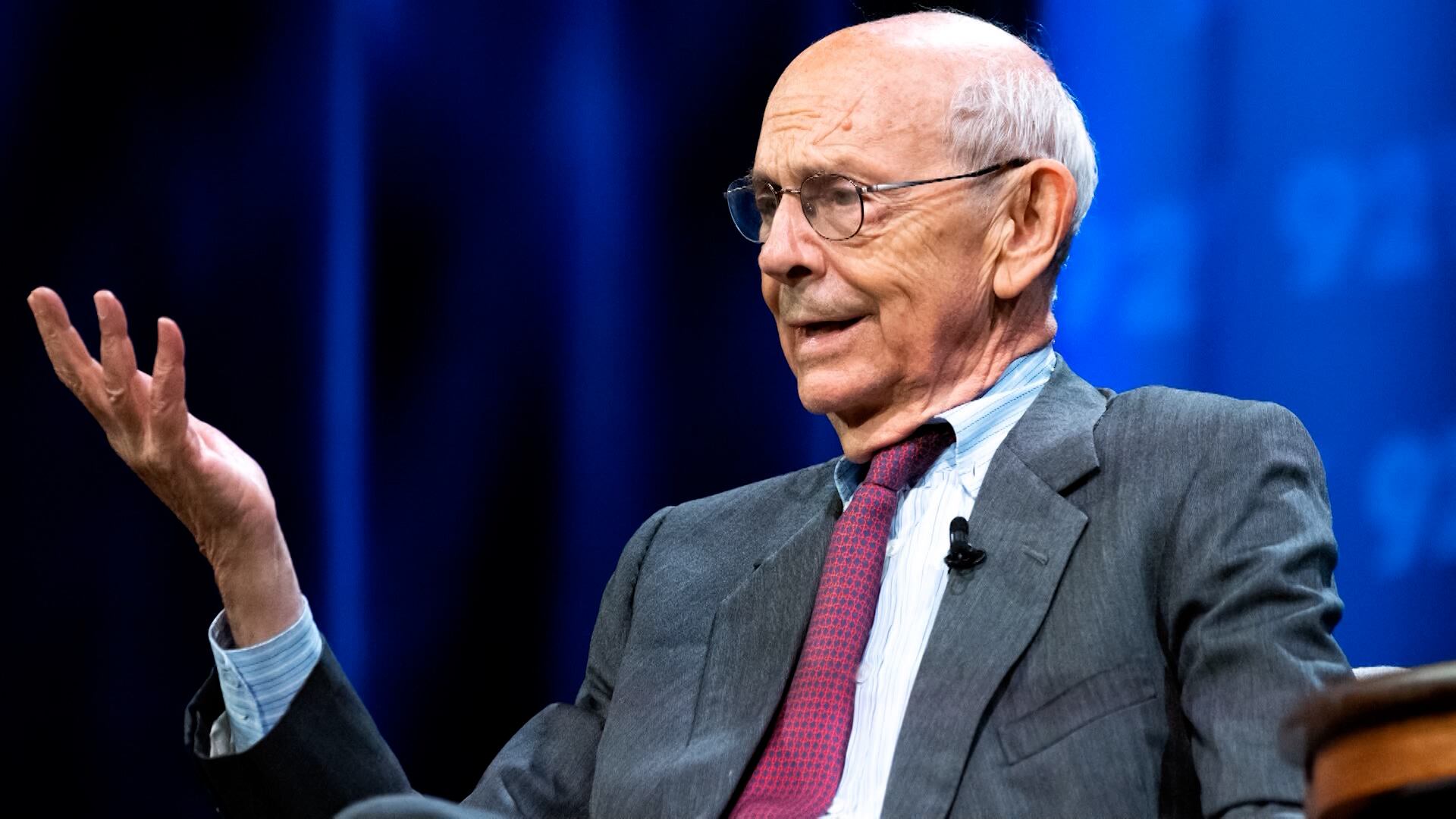
Jessica Mason Pieklo, senior vice president and executive editor of the Rewired News Group and co-host of the podcast. "Boom! Lawyered," joins Cheddar Politics to discuss Justice Stephen Breyer's retirement, legacy and potential replacement on the Supreme Court.
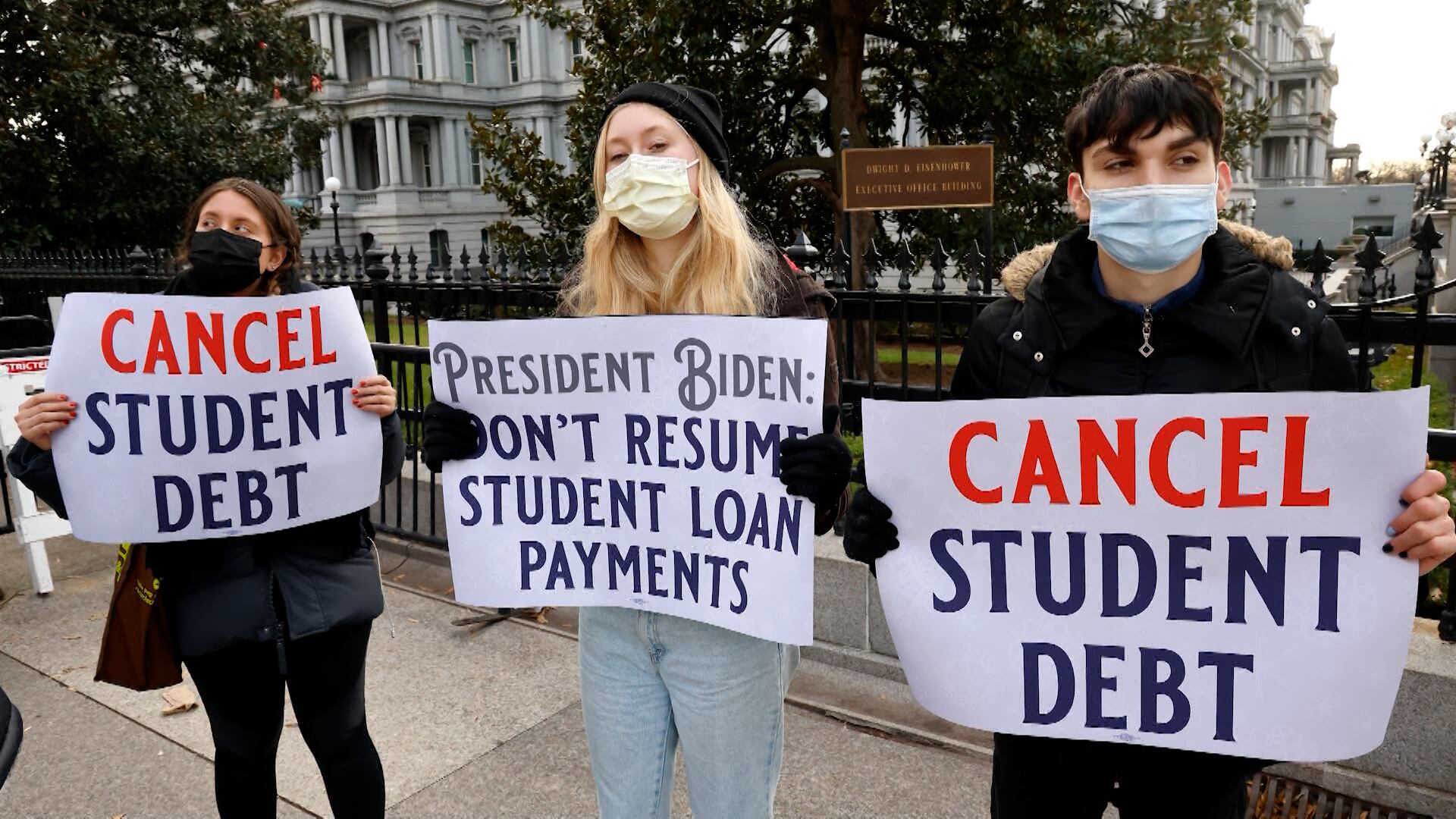
The Biden administration delivered a temporary win for student loan borrowers this year by extending the moratorium on federal payments for a few more months. That moratorium is coming to an end on May 1st and borrowers will again have their monthly loan payment plopped in their lap.
Stephanie Vanderslice, a creative writing professor paying off debt through the Parent Plus program, and Mike Pierce, executive director of the Student Borrower Protection Center, join Cheddar Politics to discuss.
2022 was already going to be a big year for the Supreme Court. We have decisions on major issues like abortion and gun rights on the way. Then, Justice Stephen Breyer announced his retirement and that set up a major confirmation fight for later this year. Amy Howe, co-founder of SCOTUSblog, joins Cheddar Politics to discuss.
The Labor Department released a better-than-expected report of 467,000 jobs added in January. Heather Boushey, Council of Economic Advisers Member for President Biden, joined Cheddar to tout the administration's handling of the economy amid the pandemic and the upward revisions for the previous month. "It also shows that, because of the revisions, the economy was stronger over the past couple of months," she said. "I don't think that this can be said enough, but economic forecasting during an historic pandemic is extremely difficult." Boushey also addressed issues involving wage growth versus the rapid rise of inflation.
The Labor Department's January jobs report showed 467,000 jobs were added, compared to the 150,000 that were projected, a sign that employment is continuign to return to pre-pandemic levels. Lindsey Piegza, chief economist at investment bank Stifel, joined Cheddar to break down the report, noting the big gains but adding a note of caution. "Remember, even with this morning's stellar report, we're still millions below that level that we had reached prior to the onset of COVID-19," she said." Yes, we are recapturing jobs. We still have further ground that needs to be made before we can talk about reaching that previous peak." Piegza also discussed the role of the Federal Reserve going forward as the employment figures turn more positive.