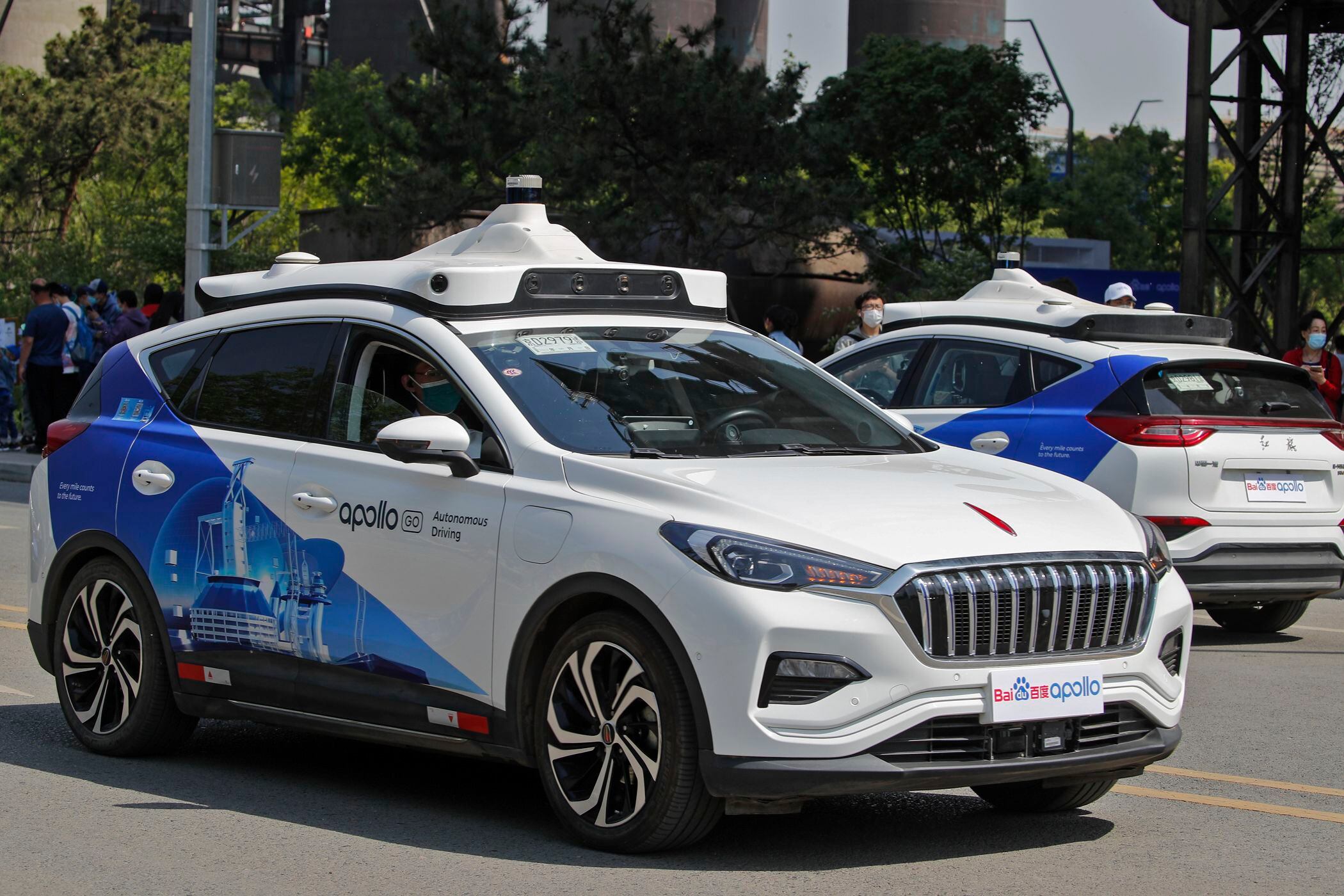
Baidu Apollo Robotaxis move on a street at the Shougang Park in Beijing, Sunday, May 2, 2021. Chinese tech giant Baidu rolled out its paid driverless taxi service on Sunday, making it the first company that commercialized autonomous driving operations in China. (AP Photo/Andy Wong)
Chinese tech giant Baidu rolled out its paid driverless taxi service on Sunday, making it the first company to commercialize autonomous driving operations in China.
Unlike previous Baidu autonomous driving demonstrations in Beijing, this was the first time there was no safety driver sitting behind the wheel. Instead, a safety member was seated in the front passenger seat to deal with any emergencies.
Up to 10 Apollo “robotaxis” are now operating simultaneously in an area of about 3 square kilometers (1.2 square miles), picking up and dropping off passengers at eight stops in Shougang Park in western Beijing. Each ride costs 30 yuan ($4.60), and is open to passengers ages 18 to 60.
The park is a former site of iron and steel plants that's been redeveloped into a sightseeing destination and a future venue for the 2022 Beijing Winter Olympics. Although traffic flows aren't heavy, an influx of tourists was seen in the park on the second day of China's international labor day holiday.
The robotaxis were repeatedly forced to brake when encountering jaywalkers or curious tourists who came close to the vehicles for photos.
Kelly Wang and her husband, who both work in the artificial intelligence industry, said they had a smooth riding experience.
“I would recommend people experience this. There is a strong sense of technology, because nobody is in the driver’s seat,” Wang said. Her husband was even considering buying such a car for their household.
Passengers can order a robotaxi on an app called Apollo Go. When the taxi arrives, passengers must have their identities verified before getting in. The taxi will start to move after it detects the passengers have fastened their seat belts.
One visitor, Amy Li, still had concerns about autonomous driving, because driving behavior on the road can be complex.
“We’ve all had experiences such as other cars jumping the queue or making a sudden lane change. People have emotions while robots don’t, at least at present,” she said “The robots may not be able to deal with such changes.”
Baidu, known for its search engines, has been testing autonomous driving on the open road since last year. Its Apollo Go robotaxi service has carried more than 210,000 passengers in three cities across China and aims to expand to 30 cities in the next three years, the company said in a press release.
“In the future, Baidu Apollo will launch driverless robotaxis in more cities, enabling the public to access greener, low-carbon and convenient travel services, while continuing to improve the unmanned service process and user experience,” said Wang, vice president and general manager of autonomous driving technology at Baidu in a statement.
___
Associated Press video producer Olivia Zhang in Beijing contributed to this report.
A Michigan judge is putting sponges in the hands of shoplifters and ordering them to wash cars in a Walmart parking lot when spring weather arrives. Genesee County Judge Jeffrey Clothier hopes the unusual form of community service discourages people from stealing from Walmart. The judge also wants to reward shoppers with free car washes. Clothier says he began ordering “Walmart wash” sentences this week for shoplifting at the store in Grand Blanc Township. He believes 75 to 100 people eventually will be ordered to wash cars this spring. Clothier says he will be washing cars alongside them when the time comes.
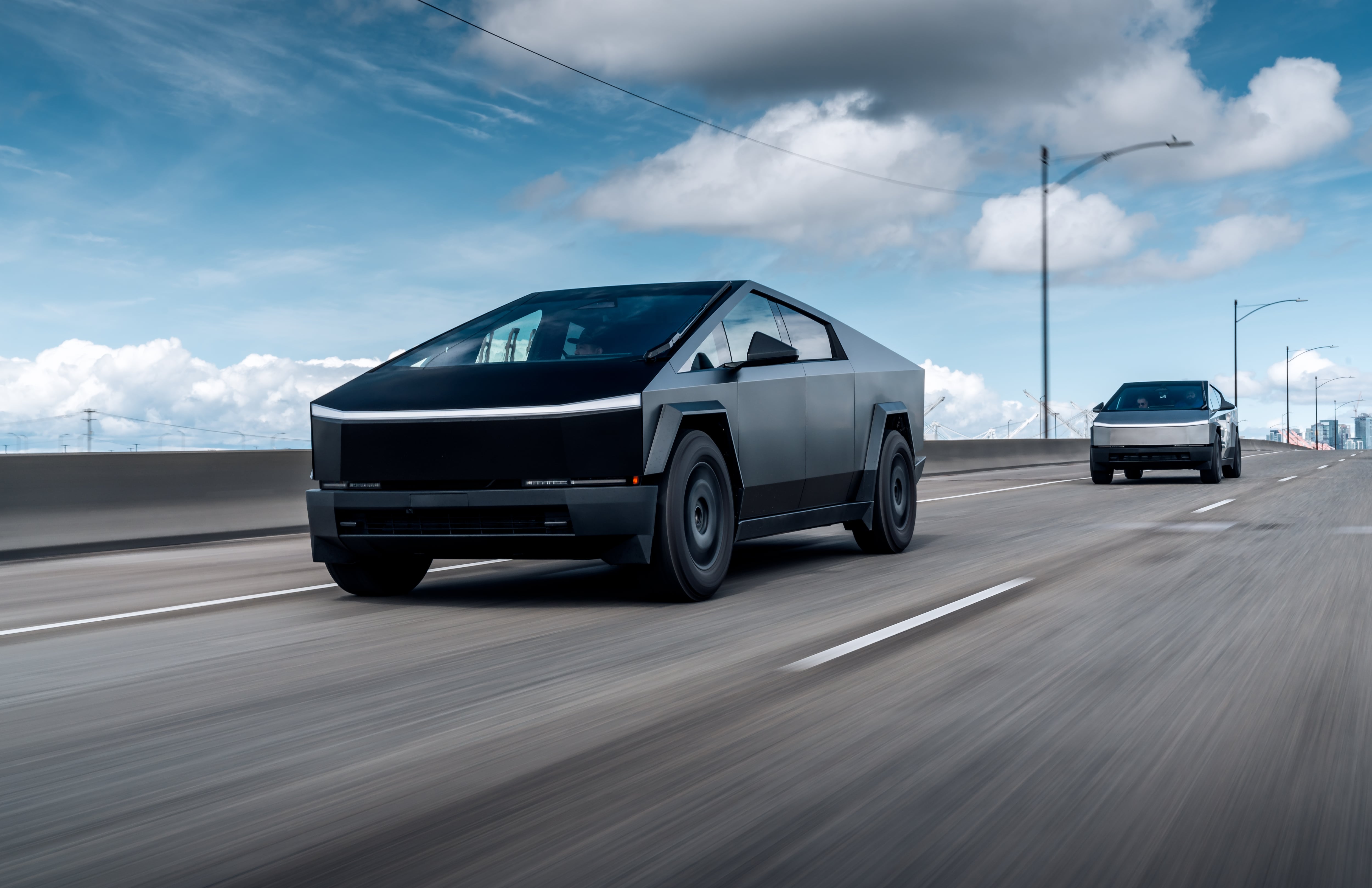
The State Department had been in talks with Elon Musk’s Tesla company to buy armored electric vehicles, but the plans have been put on hold by the Trump administration after reports emerged about a potential $400 million purchase. A State Department spokesperson said the electric car company owned by Musk was the only one that expressed interest back in May 2024. The deal with Tesla was only in its planning phases but it was forecast to be the largest contract of the year. It shows how some of his wealth has come and was still expected to come from taxpayers.
At 100 years old, the Goodyear Blimp is an ageless star in the sky. The 246-foot-long airship will be in the background of the Daytona 500 — flying roughly 1,500 feet above Daytona International Speedway, actually — to celebrate its greatest anniversary tour. Even though remote camera technologies are improving regularly and changing the landscape of aerial footage, the blimp continues to carve out a niche. At Daytona, with the usual 40-car field racing around a 2½-mile superspeedway, views from the blimp aptly provide the scope of the event.
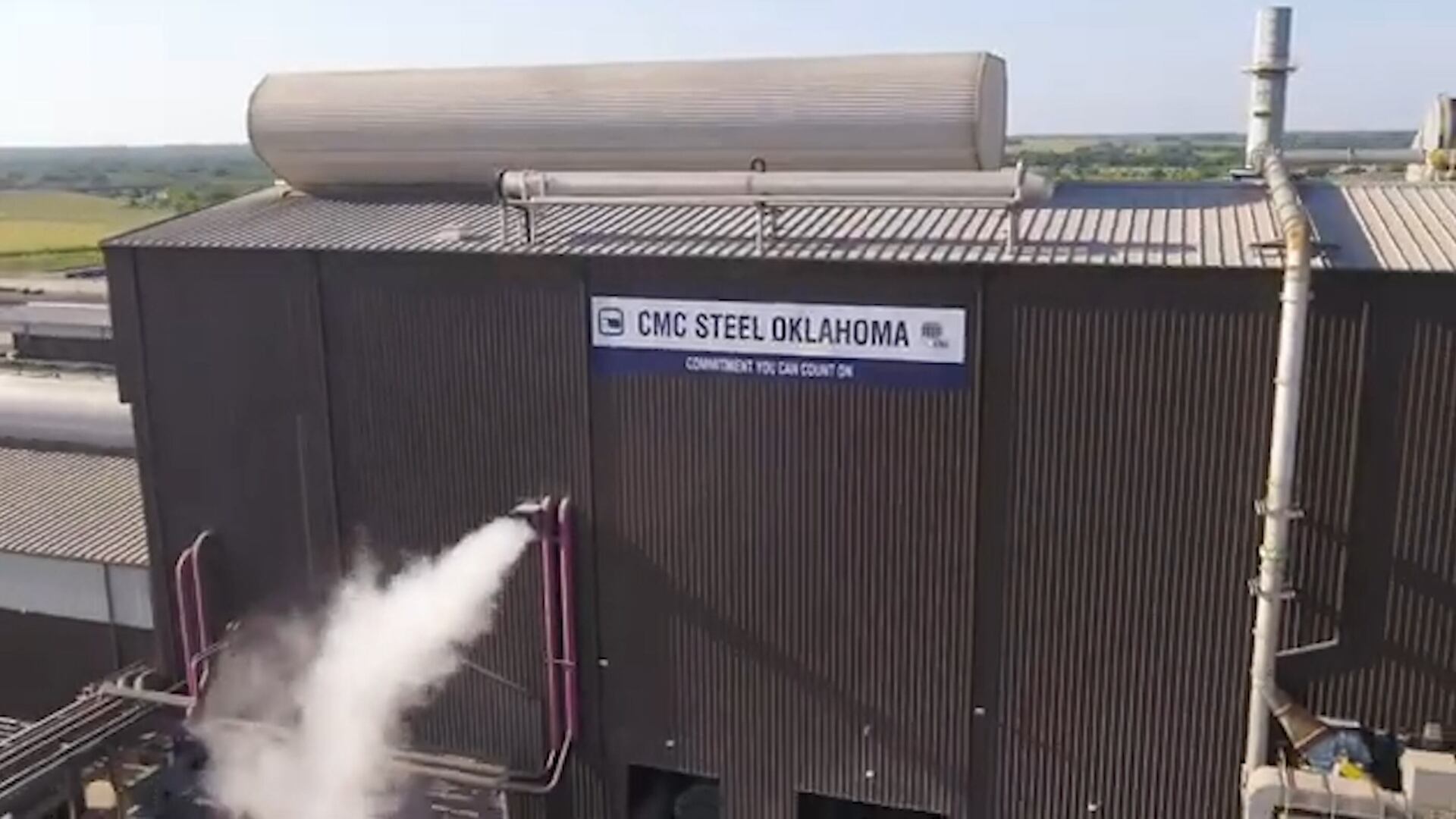
You'll just have to wait for interest rates (and prices) to go down. Plus, this deal's a steel, the big carmaker wedding is off, and bribery is back, baby!
It’s a chicken-and-egg problem: Restaurants are struggling with record-high U.S. egg prices, but their omelets, scrambles and huevos rancheros may be part of the problem. Breakfast is booming at U.S. eateries. First Watch, a restaurant chain that serves breakfast, brunch and lunch, nearly quadrupled its locations over the past decade to 570. Fast-food chains like Starbucks and Wendy's added more egg-filled breakfast items. In normal times, egg producers could meet the demand. But a bird flu outbreak that has forced them to slaughter their flocks is making supplies scarcer and pushing up prices. Some restaurants like Waffle House have added a surcharge to offset their costs.
William Falcon, CEO and Founder of Lightning AI, discusses the ongoing feud between Elon Musk and Sam Altman, and how everyday people can use AI in their lives.
U.S. tariffs on steel and aluminum “will not go unanswered,” European Union chief Ursula von der Leyen vowed on Tuesday, adding that they will trigger toug