*By Michael Teich*
Democrats led by Senator Mark Warner are stepping up the charge against big tech, but they may not accomplish anything unless the party makes major gains in the midterm elections, according to Axios reporter David McCabe.
Disinformation and privacy concerns on social media platforms have become a major concern of many lawmakers after Russian interference in the 2016 U.S. Presidential election was uncovered.
"It's not hugely surprising to see Democrats engaging on the disinformation piece because of the concerns about 2016," McCabe said Tuesday in an interview with Cheddar.
Facebook has spent nearly two years working to counter political misinformation campaigns on its platform. The company announced Tuesday it found and removed 32 pages and accounts linked to an influence campaign on Facebook and Instagram. Warner said in a statement Tuesday that "the Kremlin continues to exploit platforms like Facebook to sow division and spread disinformation."
Before Facebook's announcement, McCabe had obtained Warner's policy papers, which propose 20 ways to address disinformation online, protect user privacy, and encourage greater competition.
McCabe said he's skeptical that Warner's proposals can be enacted in the near-term. Despite a growing tech-lash and heightened concerns over data privacy that resulted from Facebook's Cambridge Analytica scandal, the issues are not priorities for Democrats or Republicans.
"Going into midterms, this hasn’t proven to be a big election issue," McCabe said before Facebook's latest revelation.
If Democrats can shift party control of Congress in November, they may be able to get enough momentum behind Warner's ideas, said McCabe. But even if they do well in midterms, the Democrats will have to go up against big tech's robust lobbying efforts. McCabe said the Democrats' intentions, as outlined by Warner, may prompt tech companies to spend even more on lobbying lawmakers in Washington.
In September, legislators will question social media executives including Twitter's Jack Dorsey in order to evaluate how government regulations might prevent the spread of misinformation and propaganda on social platforms.
For more on this, [click here](https://cheddar.com/videos/mark-warners-uphill-battle-against-big-tech).
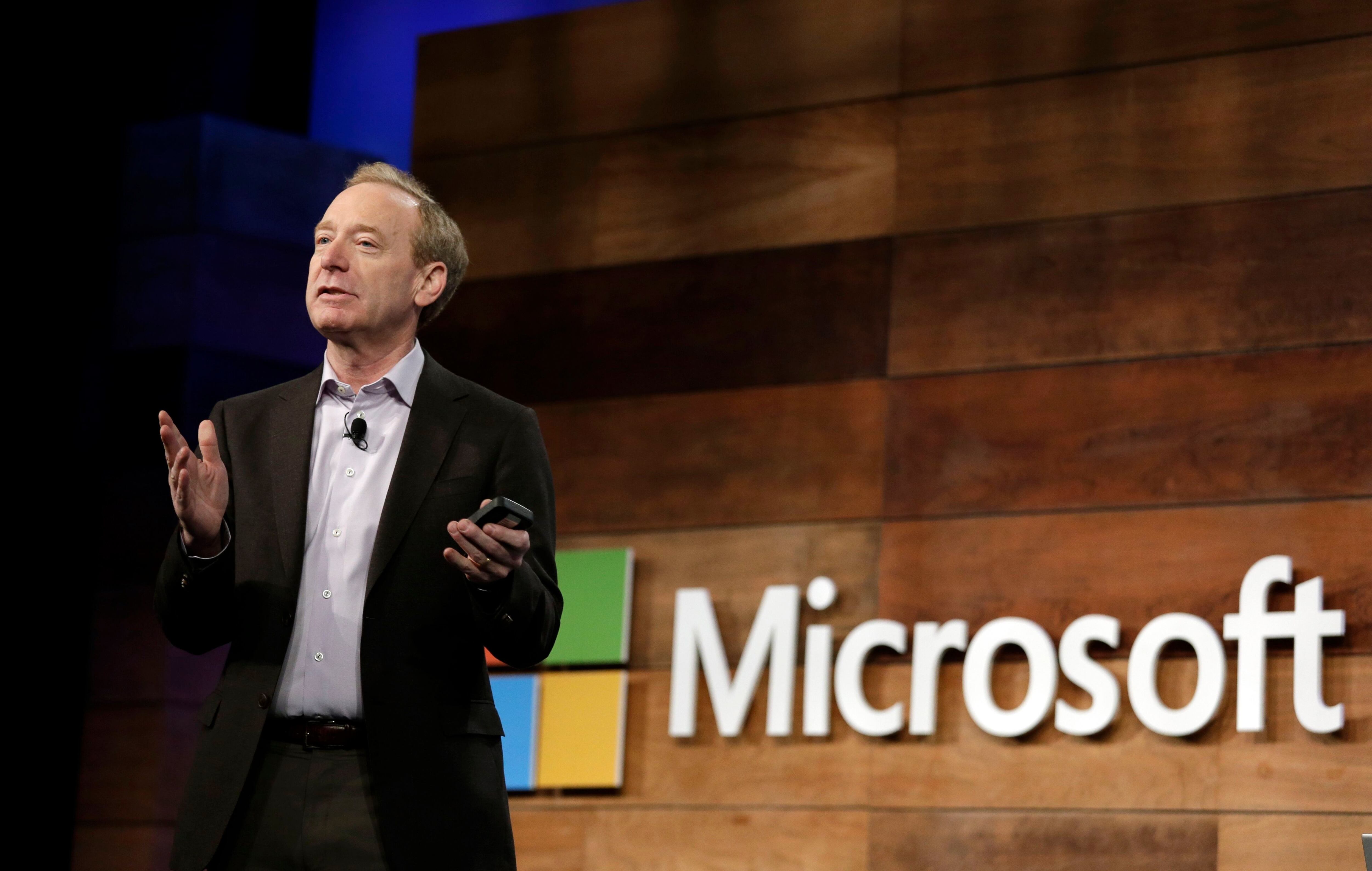
Microsoft will continue to provide technology to U.S. agencies and the military, despite the objections raised by employees over how the products are being used, specifically with regard to immigration and border control. "We will be proactive in using our voice," said Microsoft President Brad Smith, speaking to Cheddar from the 2018 Web Summit in Lisbon, Portugal. "We think we'll be more persuasive if we're engaged than if we withdraw."
These are the headlines you Need 2 Know.
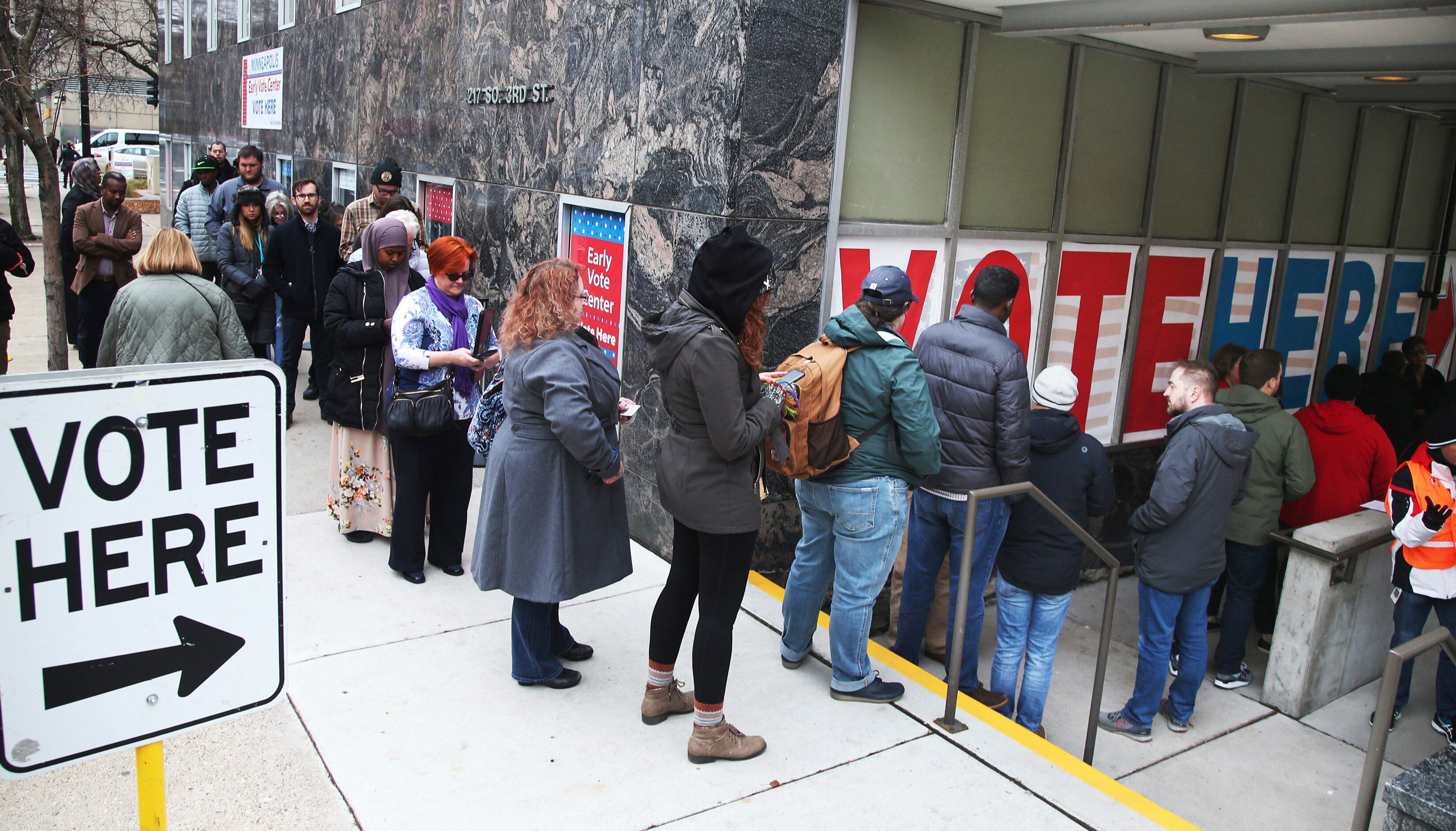
Political fixer-turned VC Bradley Tusk doesn't think it's sufficient to just bring voters to the polls ー he wants to bring the polls to them. "We know, fundamentally, democracy works when a lot of people vote, and it really doesn't work when very few people vote," Tusk told Cheddar on Tuesday.
Incoming Intuit CEO Sasan Goodarzi, currently the company's EVP of small business, tells Cheddar that the software company plans to lean on its open platform and innovations in artificial intelligence to put more money in the pockets of its customers. "There is not enough we could do for our customers," Goodarzi said Tuesday.
Cheddar's Tanaya Macheel breaks down the crypto wallet firm Blockchain's newest ventures, including its giveaway of $125 million in tokens.
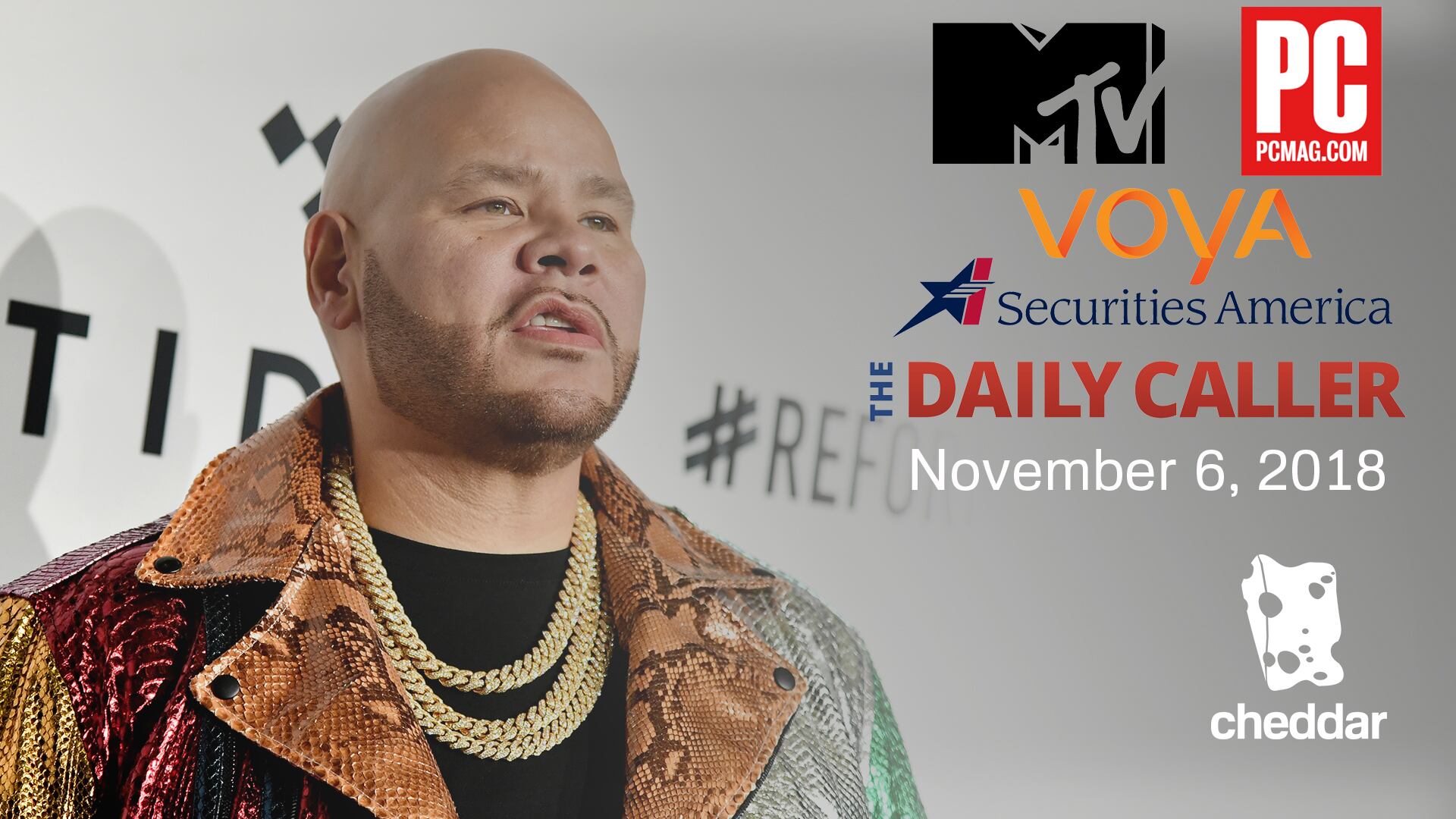
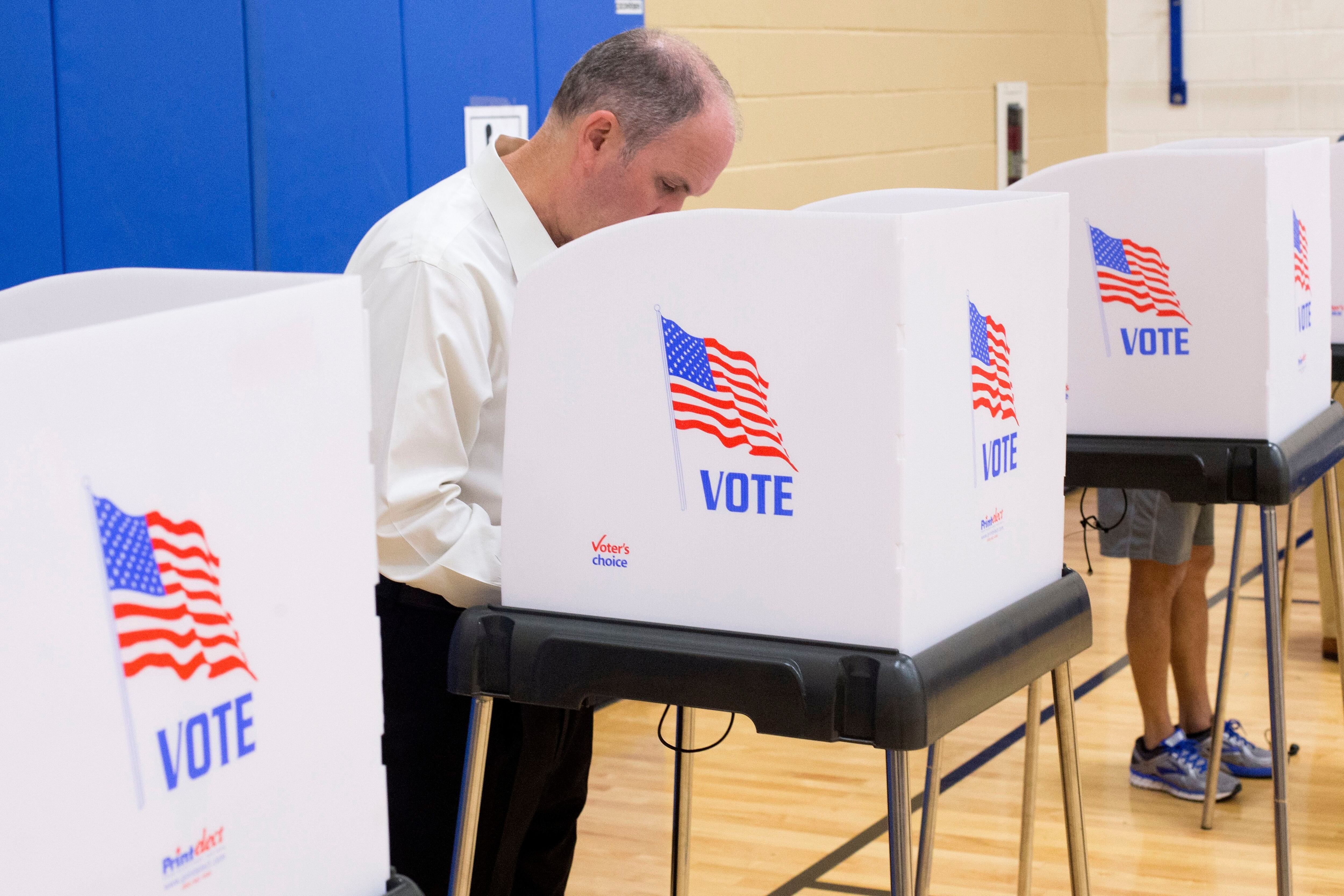
It's midterms day in America! After a whopping 36 million people voted early, many are predicting record voter turnout for this midterms election. Rapper Fat Joe joins Cheddar to talk about his efforts to get young voters to the polls as part of MTVs '+1 The Vote' campaign. And, we dig into reports that Amazon is splitting its second headquarters, also known as HQ2, between two different cities.
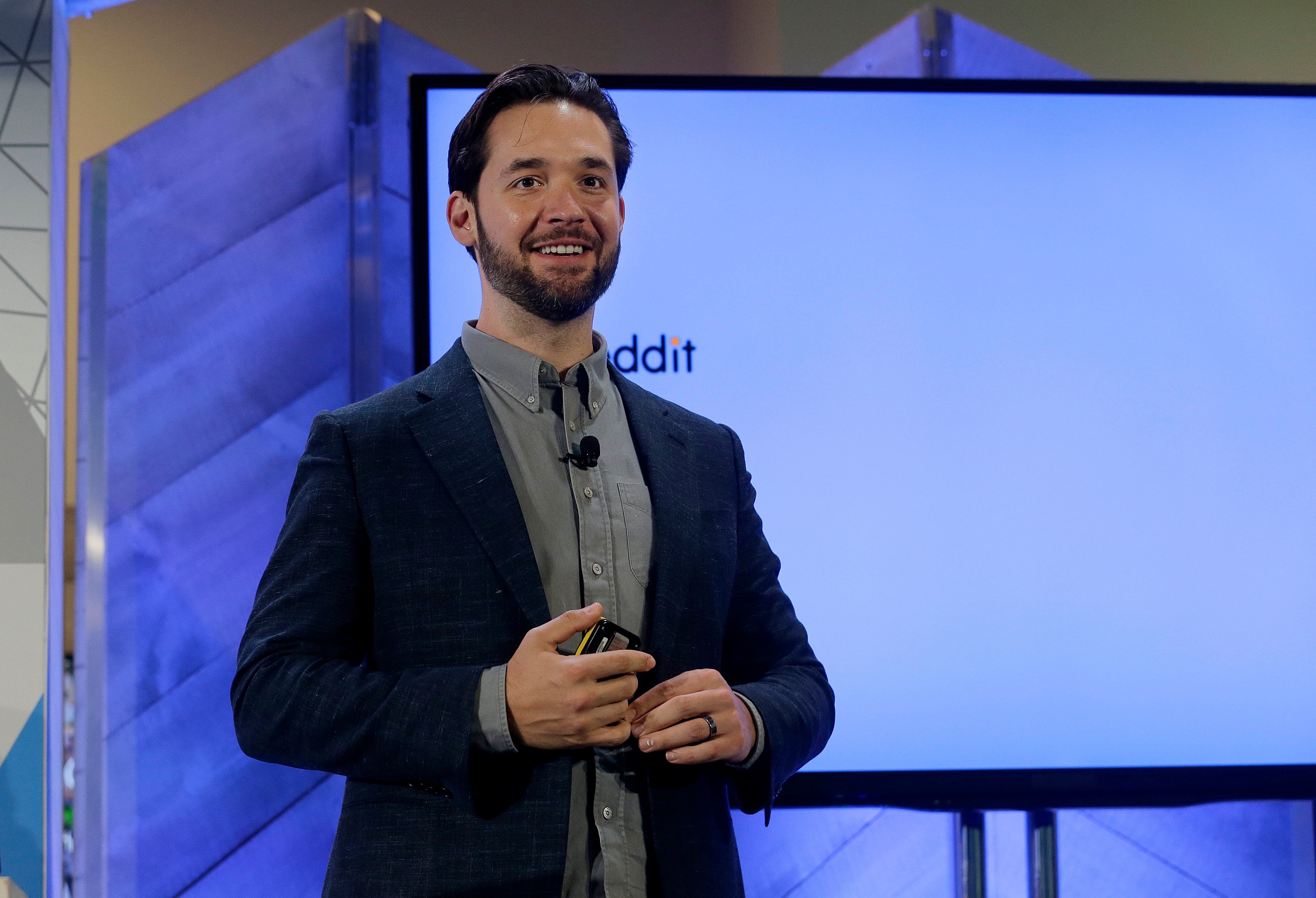
Alexis Ohanian and Garry Tan spoke with Cheddar's Alex Heath from the Web Summit in Lisbon, Portugal about what they both look at before seeding a company. It all comes down to software.
Data collection and analysis is an increasingly crowded field, but SurveyMonkey CEO Zander Lurie told Cheddar he isn't too concerned about industry upstarts ー especially not when he has General Data Protection Regulation compliance on his side.
Reports that Amazon may split its new headquarters between two locations is raising questions about the financial incentives offered by those cities bidding to become the new hub. “One of the questions that I’m left with following this reporting that there might be two cities instead of just one ... is whether this will change the incentives that some of the cities are offering in their draft plan,” Axios reporter Shannon Vavra told Cheddar Tuesday.
As Americans head to the polls for the 2018 midterm election, some are concerned about outside actors hacking voting systems, which would be different from the misinformation campaigns that proliferated on social media in 2016. Rob Marvin, associate features editor at PC Mag, explains the different levels of vulnerabilities.