*By Michael Teich*
Democrats led by Senator Mark Warner are stepping up the charge against big tech, but they may not accomplish anything unless the party makes major gains in the midterm elections, according to Axios reporter David McCabe.
Disinformation and privacy concerns on social media platforms have become a major concern of many lawmakers after Russian interference in the 2016 U.S. Presidential election was uncovered.
"It's not hugely surprising to see Democrats engaging on the disinformation piece because of the concerns about 2016," McCabe said Tuesday in an interview with Cheddar.
Facebook has spent nearly two years working to counter political misinformation campaigns on its platform. The company announced Tuesday it found and removed 32 pages and accounts linked to an influence campaign on Facebook and Instagram. Warner said in a statement Tuesday that "the Kremlin continues to exploit platforms like Facebook to sow division and spread disinformation."
Before Facebook's announcement, McCabe had obtained Warner's policy papers, which propose 20 ways to address disinformation online, protect user privacy, and encourage greater competition.
McCabe said he's skeptical that Warner's proposals can be enacted in the near-term. Despite a growing tech-lash and heightened concerns over data privacy that resulted from Facebook's Cambridge Analytica scandal, the issues are not priorities for Democrats or Republicans.
"Going into midterms, this hasn’t proven to be a big election issue," McCabe said before Facebook's latest revelation.
If Democrats can shift party control of Congress in November, they may be able to get enough momentum behind Warner's ideas, said McCabe. But even if they do well in midterms, the Democrats will have to go up against big tech's robust lobbying efforts. McCabe said the Democrats' intentions, as outlined by Warner, may prompt tech companies to spend even more on lobbying lawmakers in Washington.
In September, legislators will question social media executives including Twitter's Jack Dorsey in order to evaluate how government regulations might prevent the spread of misinformation and propaganda on social platforms.
For more on this, [click here](https://cheddar.com/videos/mark-warners-uphill-battle-against-big-tech).
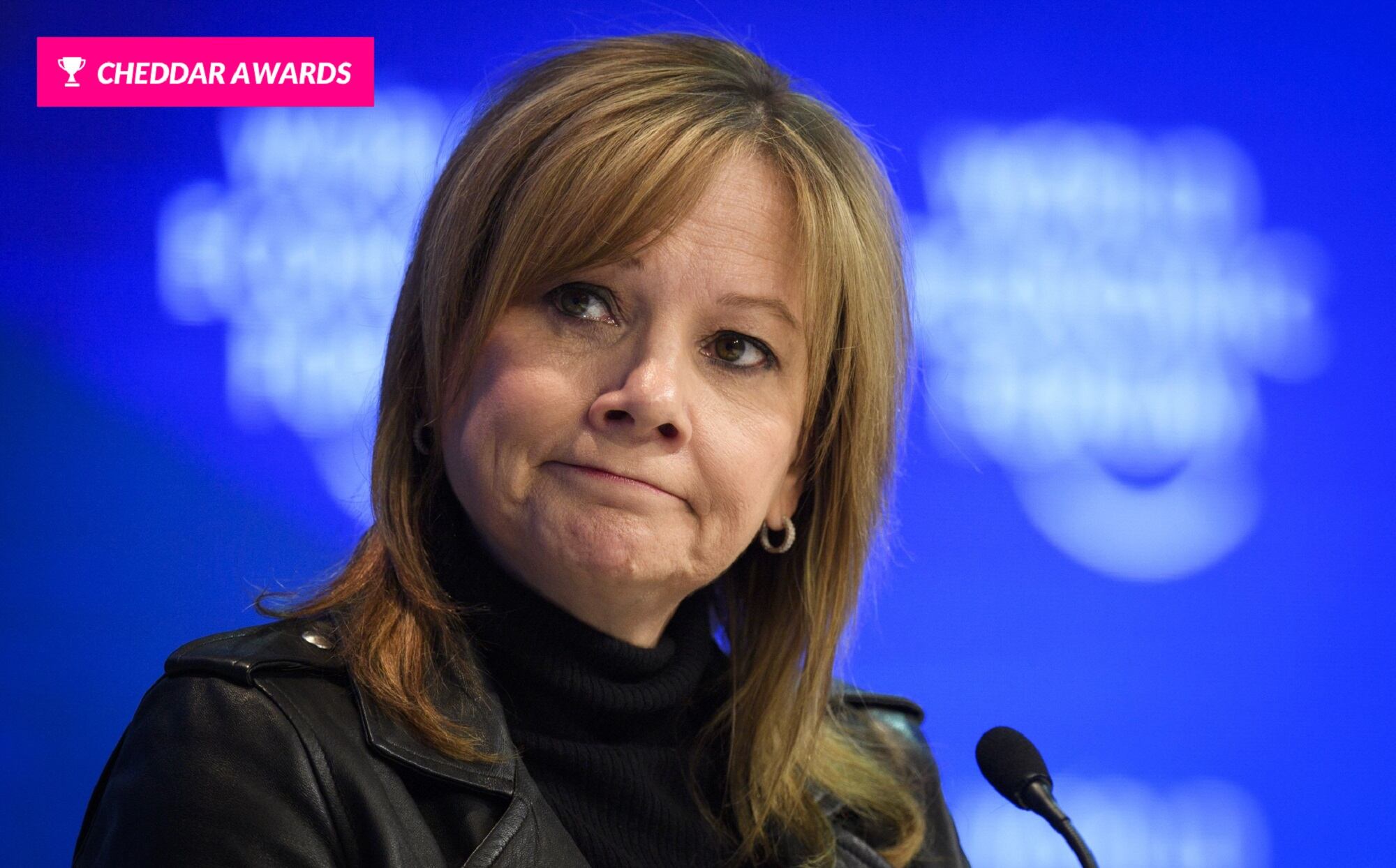
CEO Mary Barra made national headlines when General Motors announced in late November that 14,000 salaried and hourly workers would be cut for the sake of the company's growth. Backlash against Barra was swift; it populated the White House Twitter feed and echoed through the hall of Congress.
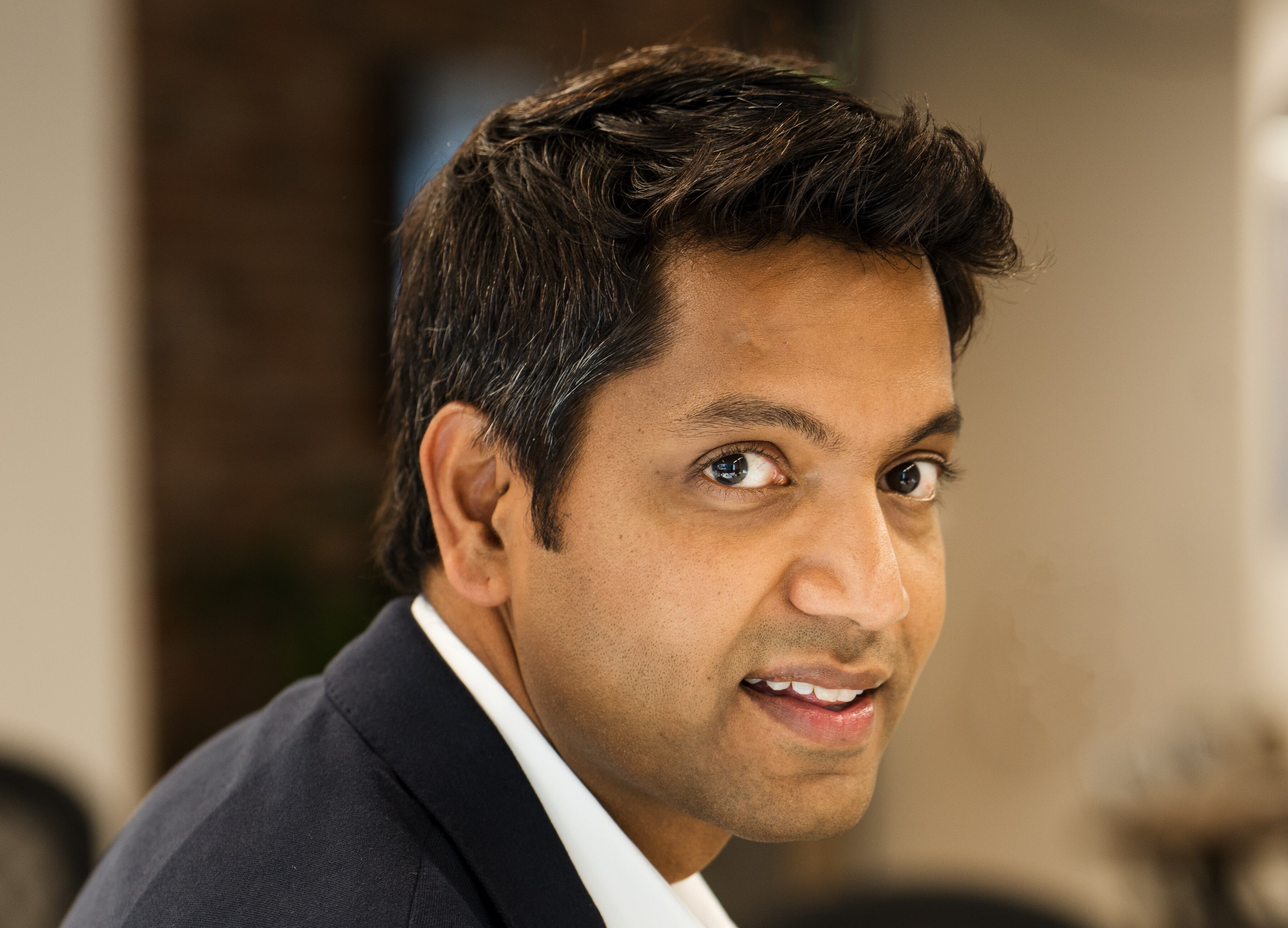
Securly is a start-up with a simple mission: to keep kids safe online. And the artificial intelligence company has just raised $16 million in series B funding to expand the reach of its social media tracking capabilities to more parents and schools. “We are going to take this money and invest in research and development and scaling up sales and distribution across America,” CEO and co-founder Vinay Mahadik told Cheddar.
Proposed legislation in New York City would require “cashless" restaurants ー which only accept debit and credit cards and mobile payments ー to give customers the option to pay in cash, and fine any establishment that refuses to accept it. Jason Oxman, CEO of the Electronic Transactions Association, discussed the backlash against cashless retail with Cheddar.
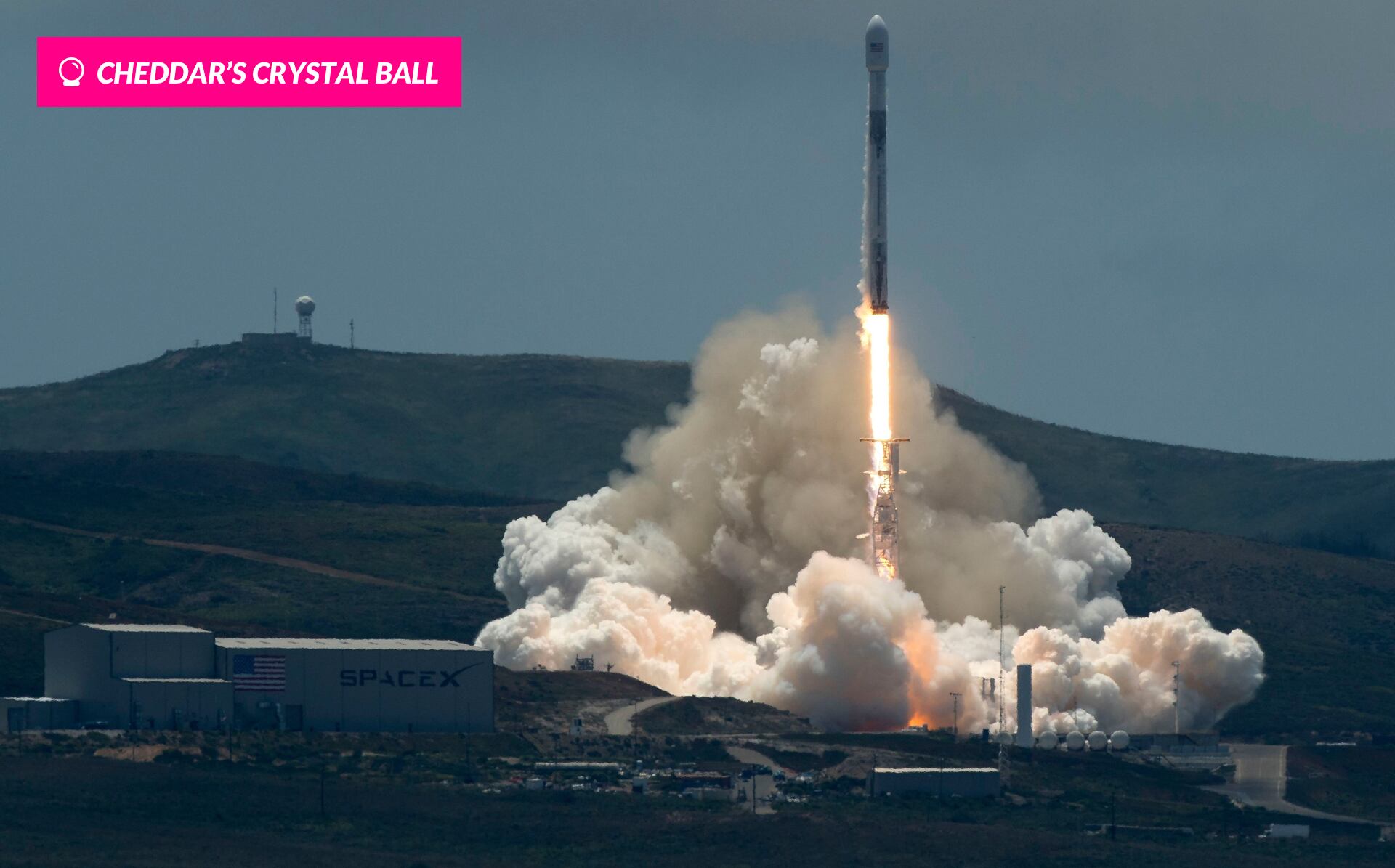
This year marked the first voyage for Cheddar's weekly series Cheddar Rides, covering the changes happening in transportation and the future of getting from here to there. To celebrate the last episode of its inaugural year, Rides is looking at the road ahead.
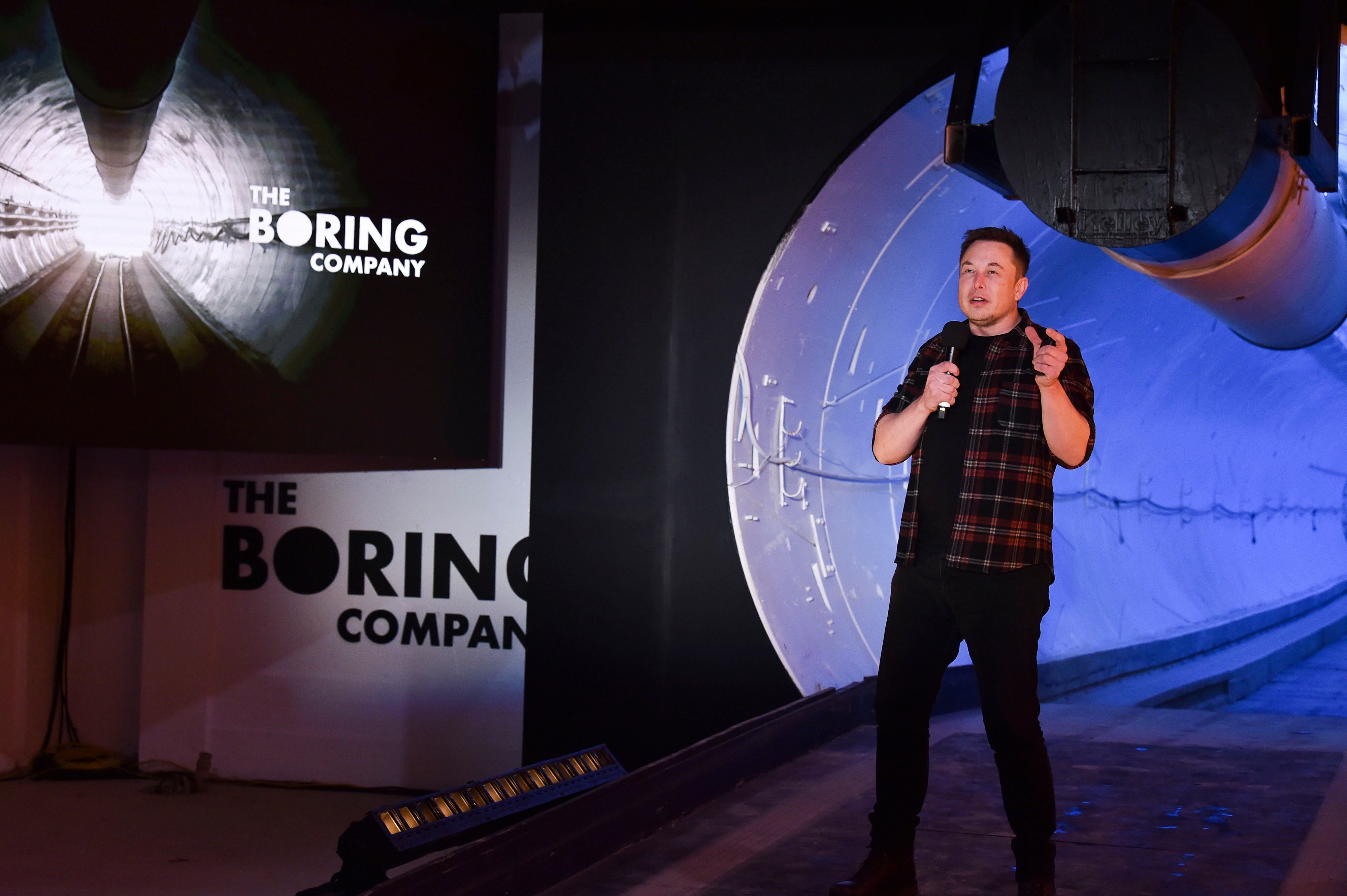
What started with a joke on Twitter two years ago finally became a reality on Tuesday, as The Boring Company unveiled its first tunnel to the public under the SpaceX headquarters in Hawthorne, Calif. The big reveal of the 1.14-mile-long tunnel reflected both Musk's eccentric nature and the glitz and glam of Los Angeles, living up to the billionaire's promise that the event would be "more than a tunnel opening." Cheddar's Alyssa Julya Smith got a test ride in the first section of tunnel underneath L.A.
Facebook is doing damage control again after a New York Times report claims the company gave big tech companies such as Amazon and Microsoft more access to user data than previously disclosed. Plus, all eyes are on the Federal Reserve today, as the central bank is poised to raise interest rates for the fourth time this year. And Big Sean tells Cheddar what motivates him to give back to his community.
Actor Alfonso Ribeiro's case against Epic Games for its use of "the Carlton" dance in "Fortnite" might come down to a jury's sympathy, rather than copyright technicalities, intellectual property lawyer Gaston Kroub told Cheddar on Tuesday. "Could a sympathetic jury decide that these \[artists\] deserve something from 'Fortnite'? That's something that remains to be seen," said Kroub, a partner at Kroub, Silbersher & Kolmykov.
If you’re looking to make a move in 2019, you could do worse than some of the cities below. Each one is using technology ー IoT, machine learning, data analysis, autonomy, A.I. ー to remake the way its citizens interact with their surroundings. But a smart city is more than just innovative technology, as Mike Barlow and Cornelia Levy-Bencheton, authors of "Smart Cities, Smart Future," told Cheddar. It's about improving lives in concrete, everyday ways.
Riot's COO is suspended, Fortnite vaults the Infinity Blade, and Overwatch League announces its plans for Season 2. Featuring beastcoast CEO Grant Zinn, University of Califonia and Irvine Director of Esports Mark Deppe. Plus - EndGameTV COO Aiden McCaig previews Smash Ultimate's first major, Don't Park on the Grass 2018.
More and more retailers are adopting mobile payment technology, but is all that innovation a good thing? A New York City Council member is proposing a ban on cashless establishments, saying it unfairly targets minority populations. Jason Oxman from the Electronic Transaction Association joined Cheddar to discuss.