*By Michael Teich*
Democrats led by Senator Mark Warner are stepping up the charge against big tech, but they may not accomplish anything unless the party makes major gains in the midterm elections, according to Axios reporter David McCabe.
Disinformation and privacy concerns on social media platforms have become a major concern of many lawmakers after Russian interference in the 2016 U.S. Presidential election was uncovered.
"It's not hugely surprising to see Democrats engaging on the disinformation piece because of the concerns about 2016," McCabe said Tuesday in an interview with Cheddar.
Facebook has spent nearly two years working to counter political misinformation campaigns on its platform. The company announced Tuesday it found and removed 32 pages and accounts linked to an influence campaign on Facebook and Instagram. Warner said in a statement Tuesday that "the Kremlin continues to exploit platforms like Facebook to sow division and spread disinformation."
Before Facebook's announcement, McCabe had obtained Warner's policy papers, which propose 20 ways to address disinformation online, protect user privacy, and encourage greater competition.
McCabe said he's skeptical that Warner's proposals can be enacted in the near-term. Despite a growing tech-lash and heightened concerns over data privacy that resulted from Facebook's Cambridge Analytica scandal, the issues are not priorities for Democrats or Republicans.
"Going into midterms, this hasn’t proven to be a big election issue," McCabe said before Facebook's latest revelation.
If Democrats can shift party control of Congress in November, they may be able to get enough momentum behind Warner's ideas, said McCabe. But even if they do well in midterms, the Democrats will have to go up against big tech's robust lobbying efforts. McCabe said the Democrats' intentions, as outlined by Warner, may prompt tech companies to spend even more on lobbying lawmakers in Washington.
In September, legislators will question social media executives including Twitter's Jack Dorsey in order to evaluate how government regulations might prevent the spread of misinformation and propaganda on social platforms.
For more on this, [click here](https://cheddar.com/videos/mark-warners-uphill-battle-against-big-tech).
In 2019, 10 minutes out of every hour of media engagement will be spent streaming video on mobile, app market data provider App Annie told Cheddar. In 2018, app downloads hit 113 billion, Levitas said, while spending on Google ($GOOGL) Play and the Apple ($AAPL) app store hit $76 billion. On average, Americans spent three hours per day on apps.
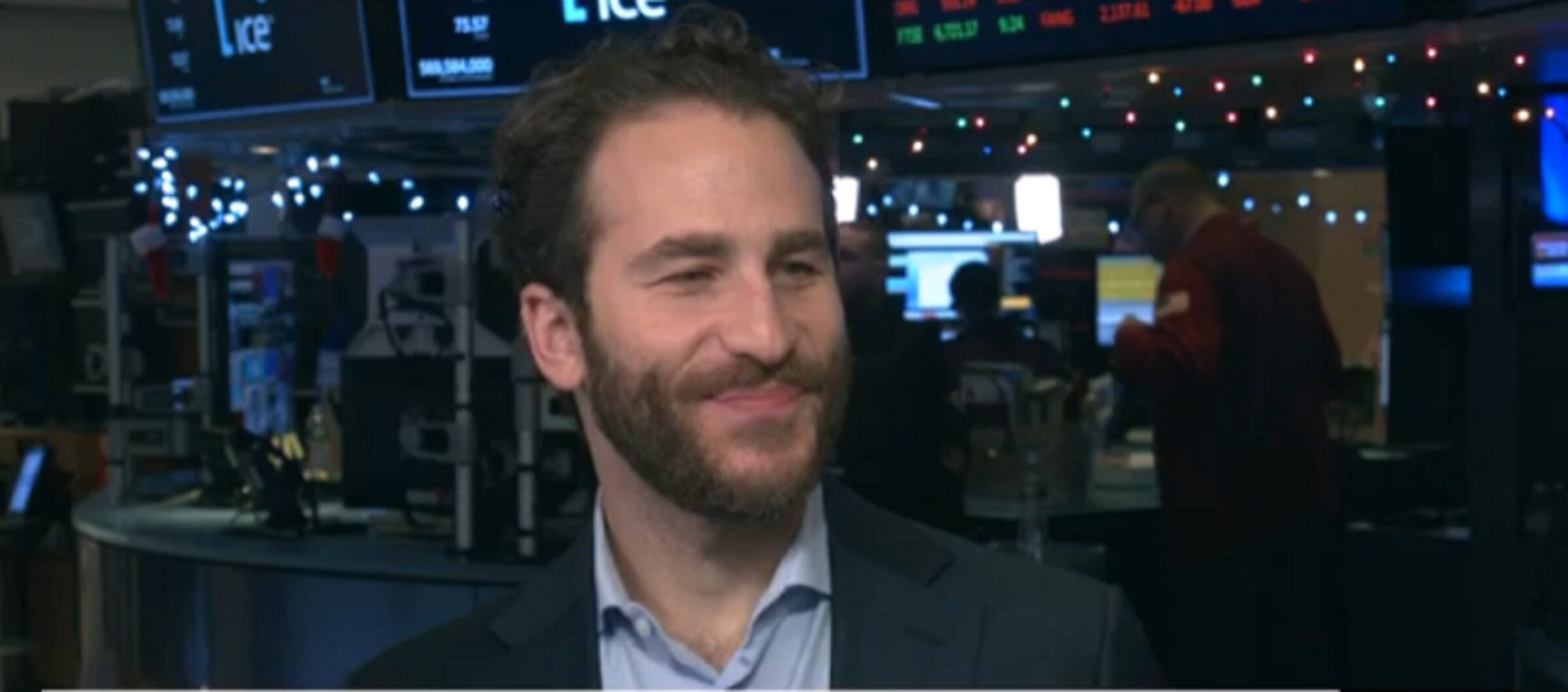
New video-sharing platform Portal wants to help online video creators cash in on their content, says company founder Jonathan Swerdlin. "Portal is the first video sharing platform that everyone can use that completely skips the ad model and introduces really easy ways for users to pay each other," Swerdlin said in an interview on Cheddar. "Everyone can be their own mini HBO."
From Wall Street to Silicon Valley, these are the top stories that moved markets and had investors, business leaders, and entrepreneurs talking this week on Cheddar.
Fair Financial is riding high on its recent $385 million round of funding. Founder and CEO Scott Painter is even willing to bet the used-car-subscription startup will go public down the line. "In most cases, I think it is really foolish to set a target that says, 'we are going to be a public company,' but in Fair's case, there is quite literally just so much money involved," Painter told Cheddar on Friday. "It will have to be a public company sooner than later."
These are the headlines you Need 2 Know for Friday, Dec. 21, 2018.
AppOnboard is looking to reinvent the app store by letting users instantly experience an app or game without having to download it. The company just raised $15 million in funding, bringing its total to $30 million this year. “We’re really excited to really re-invent the way that users consume apps,” Bryan Buskas, AppOnboard's chief operating officer told Cheddar on Thursday.
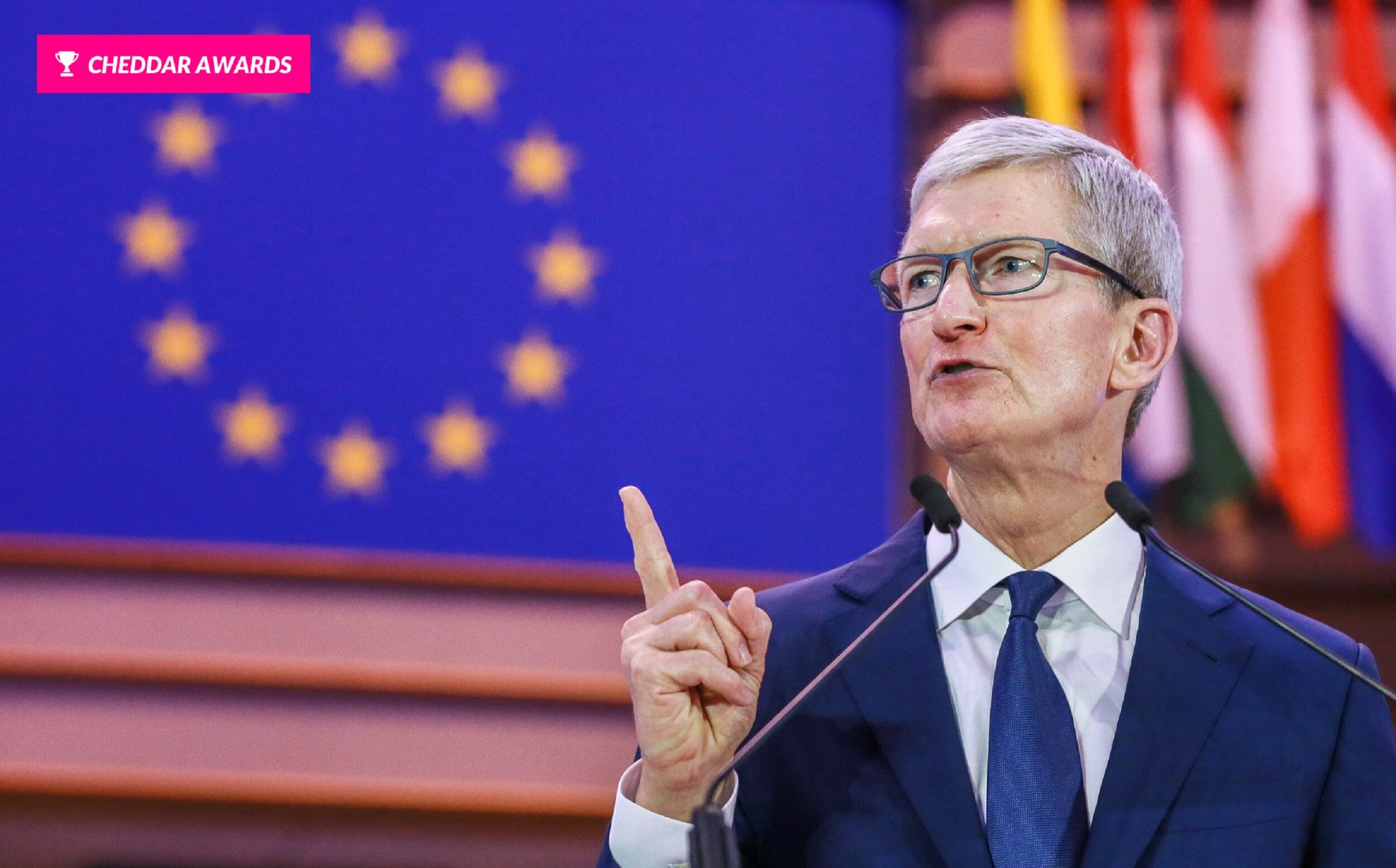
As Cheddar reflects on 2018, we are profiling the most innovative, flamboyant, and often-controversial entrepreneurs and corporate leaders who delivered the year's most memorable moments in business. Of the CEO Class of 2018, who was crowned Biggest Flirt? Class Clown? Cheddar's Most Outspoken Award Goes to Tim Cook.
As we round out 2018, we’re reviewing the year's biggest letdowns for investors. To commemorate all the epic fails, we ranked the biggest flops ー the companies that enjoyed a booming 2017, but fizzled in 2018.
Stocks plunged on Thursday for the second day running, as the renewed threat of a government shutdown over the Christmas holiday weekend contributed to residual market weakness after the Fed's latest rate hike.
To cap off a rough year for Snap Inc., employees have been told they won’t receive cash bonuses after the company failed to meet its business goals. Instead, top-performing employees are receiving a discretionary incentive bonus in the form of more stock, the people said. Snapchat's stock is trading at all-time lows.