*By Michael Teich*
Democrats led by Senator Mark Warner are stepping up the charge against big tech, but they may not accomplish anything unless the party makes major gains in the midterm elections, according to Axios reporter David McCabe.
Disinformation and privacy concerns on social media platforms have become a major concern of many lawmakers after Russian interference in the 2016 U.S. Presidential election was uncovered.
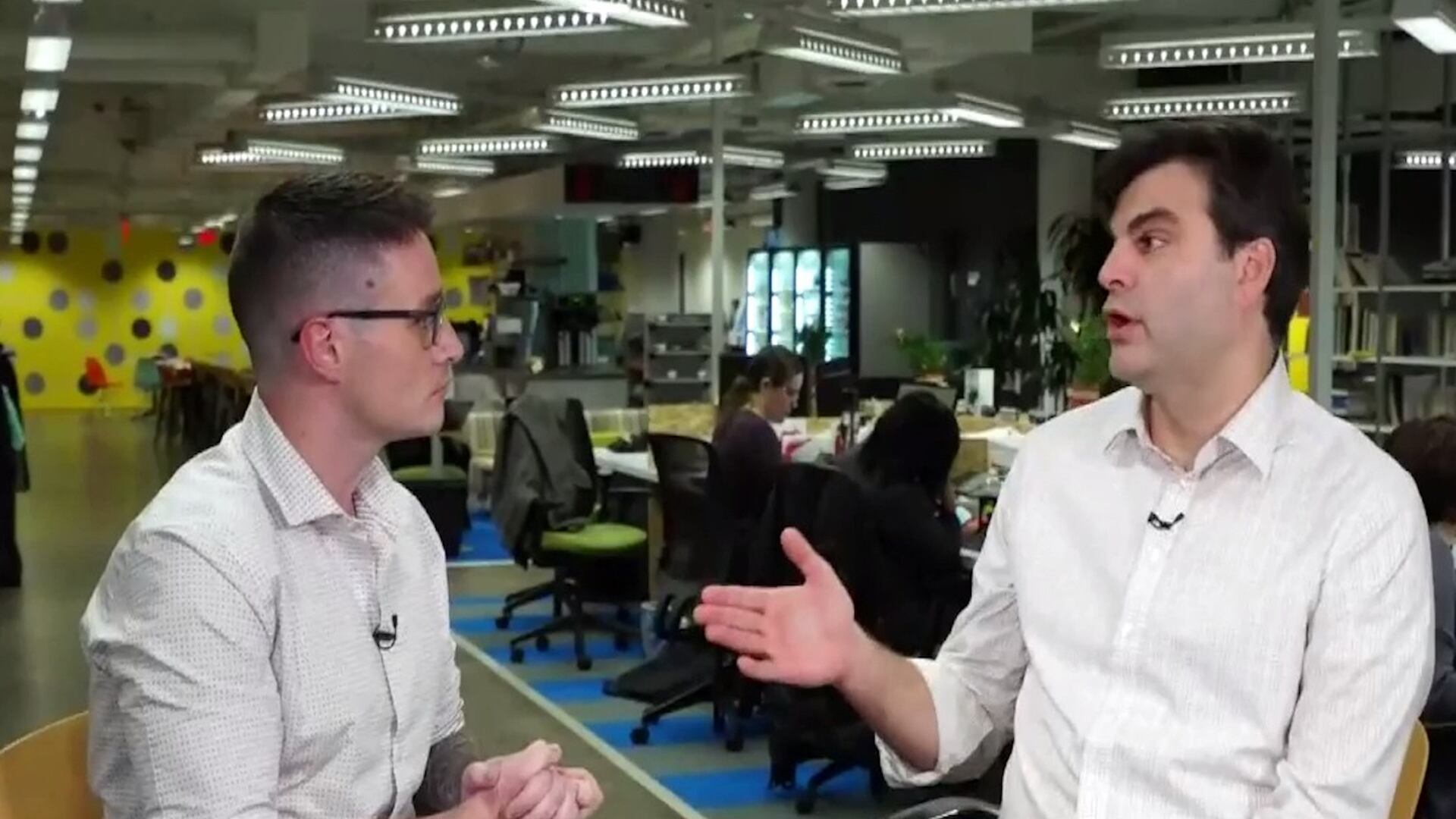
"It's not hugely surprising to see Democrats engaging on the disinformation piece because of the concerns about 2016," McCabe said Tuesday in an interview with Cheddar.
Facebook has spent nearly two years working to counter political misinformation campaigns on its platform. The company announced Tuesday it found and removed 32 pages and accounts linked to an influence campaign on Facebook and Instagram. Warner said in a statement Tuesday that "the Kremlin continues to exploit platforms like Facebook to sow division and spread disinformation."
Before Facebook's announcement, McCabe had obtained Warner's policy papers, which propose 20 ways to address disinformation online, protect user privacy, and encourage greater competition.
McCabe said he's skeptical that Warner's proposals can be enacted in the near-term. Despite a growing tech-lash and heightened concerns over data privacy that resulted from Facebook's Cambridge Analytica scandal, the issues are not priorities for Democrats or Republicans.
"Going into midterms, this hasn’t proven to be a big election issue," McCabe said before Facebook's latest revelation.
If Democrats can shift party control of Congress in November, they may be able to get enough momentum behind Warner's ideas, said McCabe. But even if they do well in midterms, the Democrats will have to go up against big tech's robust lobbying efforts. McCabe said the Democrats' intentions, as outlined by Warner, may prompt tech companies to spend even more on lobbying lawmakers in Washington.
In September, legislators will question social media executives including Twitter's Jack Dorsey in order to evaluate how government regulations might prevent the spread of misinformation and propaganda on social platforms.
For more on this, [click here](https://cheddar.com/videos/mark-warners-uphill-battle-against-big-tech).
From Wall Street to Silicon Valley, these are the top stories that moved markets and had investors, business leaders, and entrepreneurs talking this week on Cheddar.
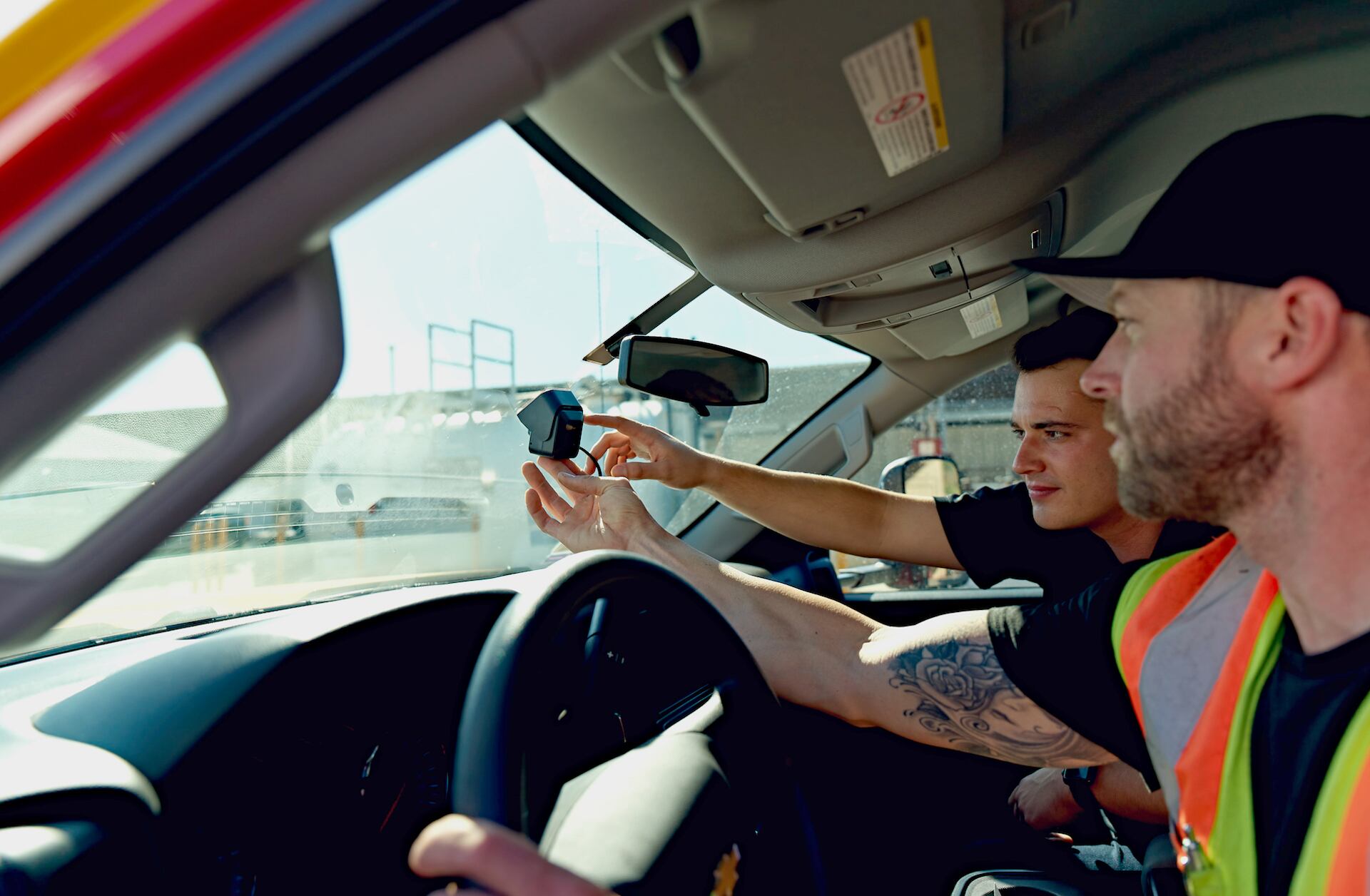
Samsara, one of the hottest tech startups in the freight and logistics space, is raising $100 million in fresh funding, Cheddar has learned. The new round will value the three-year-old startup at about $3.6 billion, or more than double the valuation it achieved through its last round of funding just nine months ago.
As 2018 dwindles, we're reviewing the year's most extravagant fails as part of Cheddar's Hall of Shame.
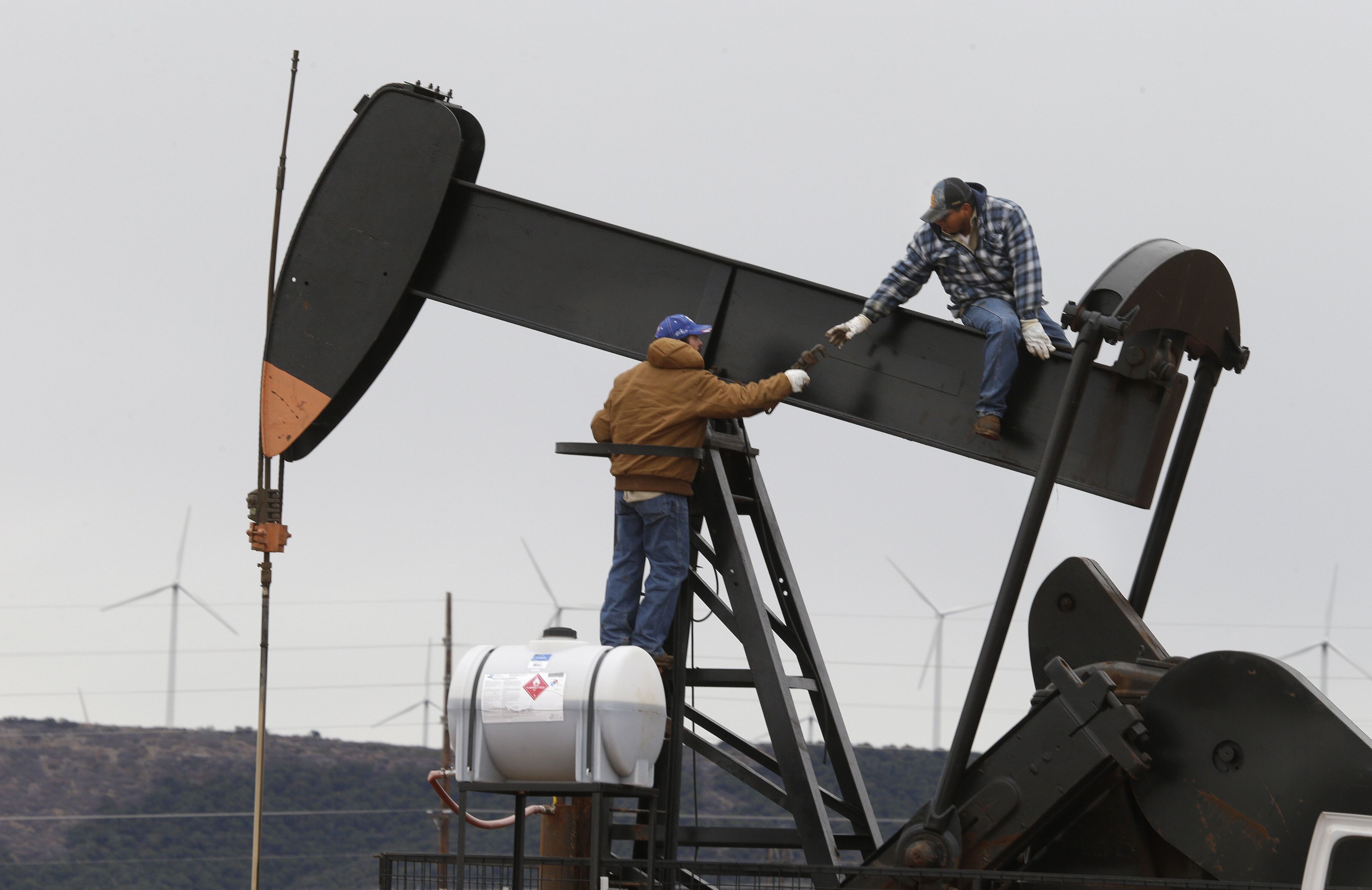
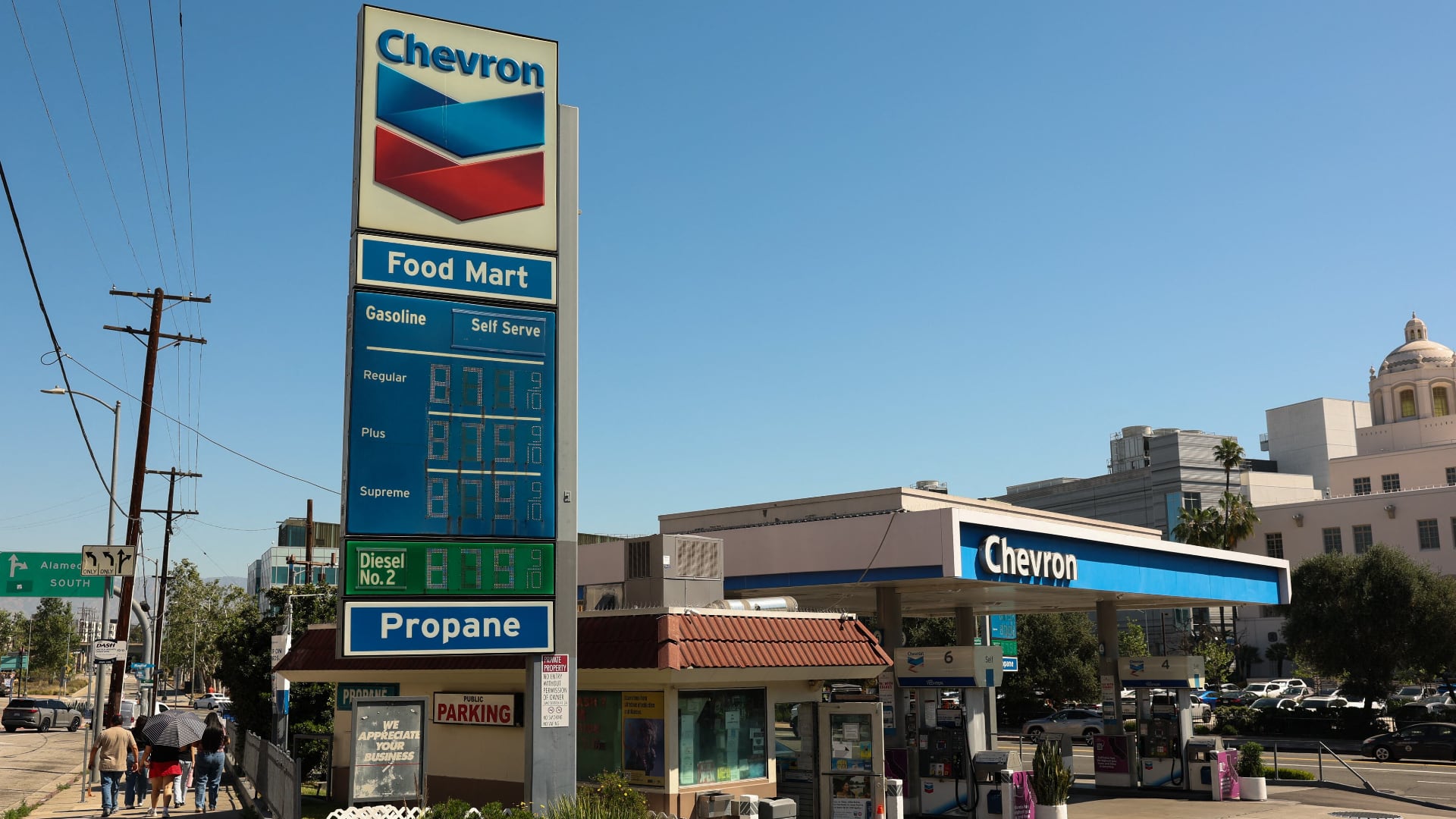
With oil prices nearing 18-month lows, John Hofmeister, former president of Shell Oil, is worried about the negative impact of lower prices. In fact, he says, if prices drop below
$40 a barrel, the cost of production will exceed the revenue it brings. That said, Hofmeister noted that lower oil prices are having a big impact on the consumer. People are driving more, and the impact hits everything from plastics to clothing and air fares.
These are the headlines you Need 2 Know for Friday, Dec. 28, 2018.
Instagram accidentally released an update to its app on Thursday, enraging users and igniting a firestorm on social media. The social media platform, which hit 1 billion users in June, modified how users view their main feeds ー switching from a vertical scroll to a horizontal swipe, à la popular dating app, Tinder.
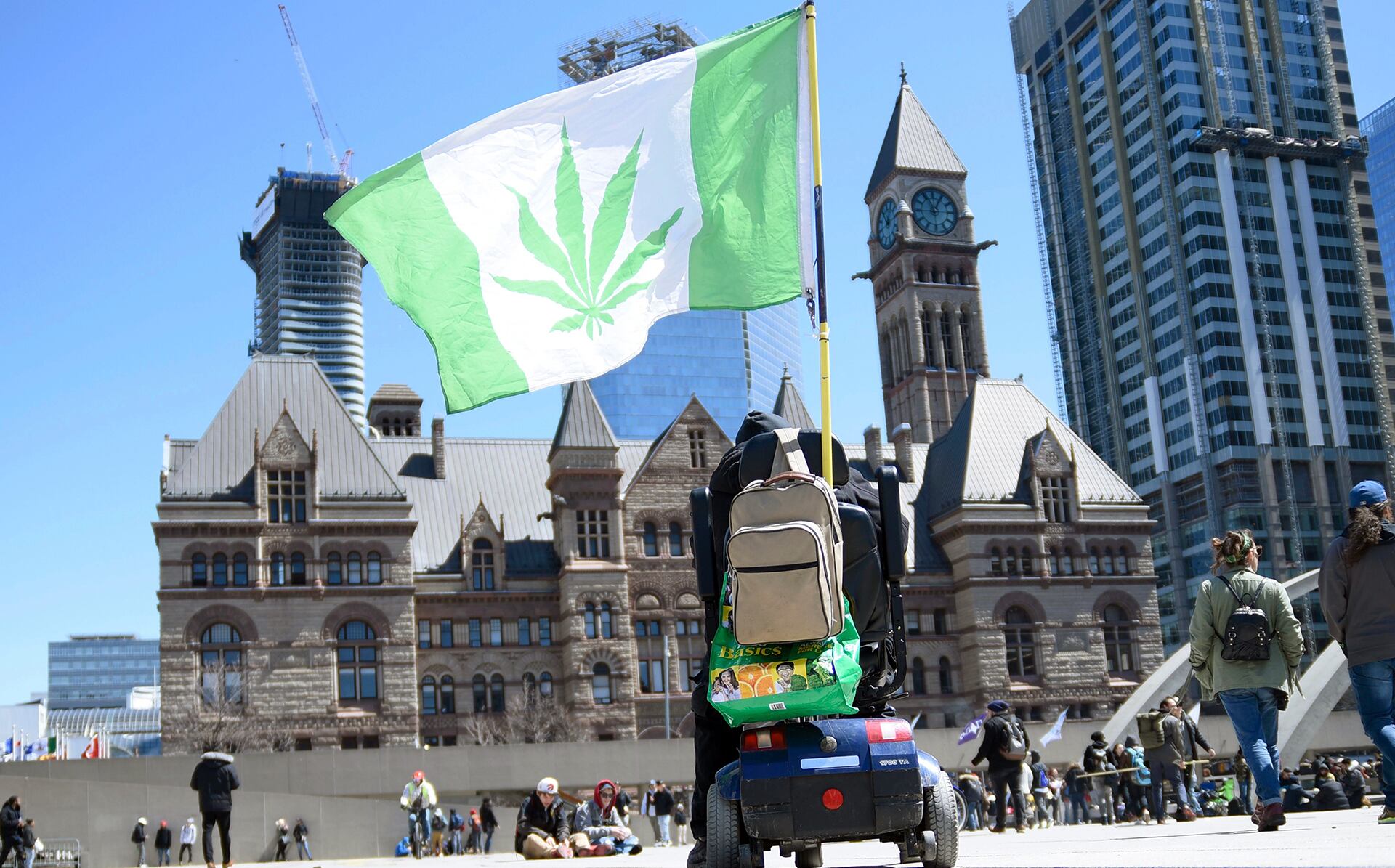
When U.S. Attorney General Jeff Sessions moved to undermine Obama-era marijuana industry protections in January, there was little indication how pivotal 2018 would prove to be for the cannabis industry. As 2019 approaches, Cheddar is now looking ahead to next year and forecasting what's in store for the U.S. marijuana industry.
Body-care brand Busy Beauty wants over-taxed women to spend less time on primping. "We developed a full line of products that let women completely skip the shower if they either don't feel like it or don't have the time," said Jamie Steenbakkers, the company's co-founder and COO.
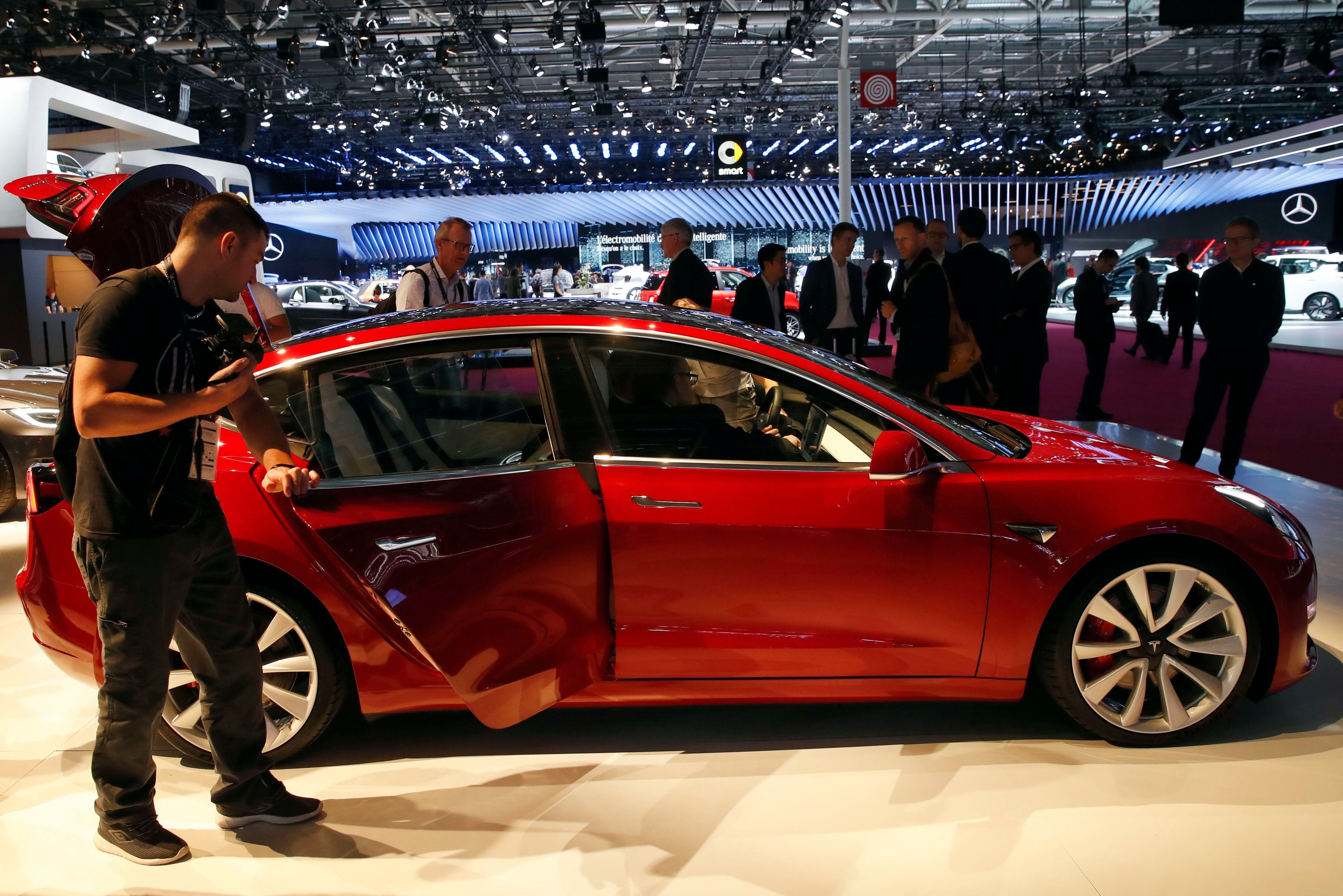
The chief strategist of Bubba Trading is casting doubt on the demand for Tesla's Model 3. "I don't know that I necessarily agree with there's demand there," Bubba Trading's Todd Horwiz told Cheddar Wednesday. "I think it's a great car. I think it's a great concept. I think it's an extremely overvalued company, and I think the CEO has got some issues that he's got to deal with."
Roughly five years ago, Detroit made history as the largest city to ever file for municipal bankruptcy. But in 2018, the Motor City is teaching itself how to transform from America's factory into an engine for innovation. According to start-up incubator TechTown CEO and president Ned Staebler, adjustments to the city's economy and the value of its labor supply could begin a tech-based rebirth, a future when automobiles are not just considered vessels of transportation, but rather as pieces of the revolution.