*By Michael Teich*
Democrats led by Senator Mark Warner are stepping up the charge against big tech, but they may not accomplish anything unless the party makes major gains in the midterm elections, according to Axios reporter David McCabe.
Disinformation and privacy concerns on social media platforms have become a major concern of many lawmakers after Russian interference in the 2016 U.S. Presidential election was uncovered.
"It's not hugely surprising to see Democrats engaging on the disinformation piece because of the concerns about 2016," McCabe said Tuesday in an interview with Cheddar.
Facebook has spent nearly two years working to counter political misinformation campaigns on its platform. The company announced Tuesday it found and removed 32 pages and accounts linked to an influence campaign on Facebook and Instagram. Warner said in a statement Tuesday that "the Kremlin continues to exploit platforms like Facebook to sow division and spread disinformation."
Before Facebook's announcement, McCabe had obtained Warner's policy papers, which propose 20 ways to address disinformation online, protect user privacy, and encourage greater competition.
McCabe said he's skeptical that Warner's proposals can be enacted in the near-term. Despite a growing tech-lash and heightened concerns over data privacy that resulted from Facebook's Cambridge Analytica scandal, the issues are not priorities for Democrats or Republicans.
"Going into midterms, this hasn’t proven to be a big election issue," McCabe said before Facebook's latest revelation.
If Democrats can shift party control of Congress in November, they may be able to get enough momentum behind Warner's ideas, said McCabe. But even if they do well in midterms, the Democrats will have to go up against big tech's robust lobbying efforts. McCabe said the Democrats' intentions, as outlined by Warner, may prompt tech companies to spend even more on lobbying lawmakers in Washington.
In September, legislators will question social media executives including Twitter's Jack Dorsey in order to evaluate how government regulations might prevent the spread of misinformation and propaganda on social platforms.
For more on this, [click here](https://cheddar.com/videos/mark-warners-uphill-battle-against-big-tech).
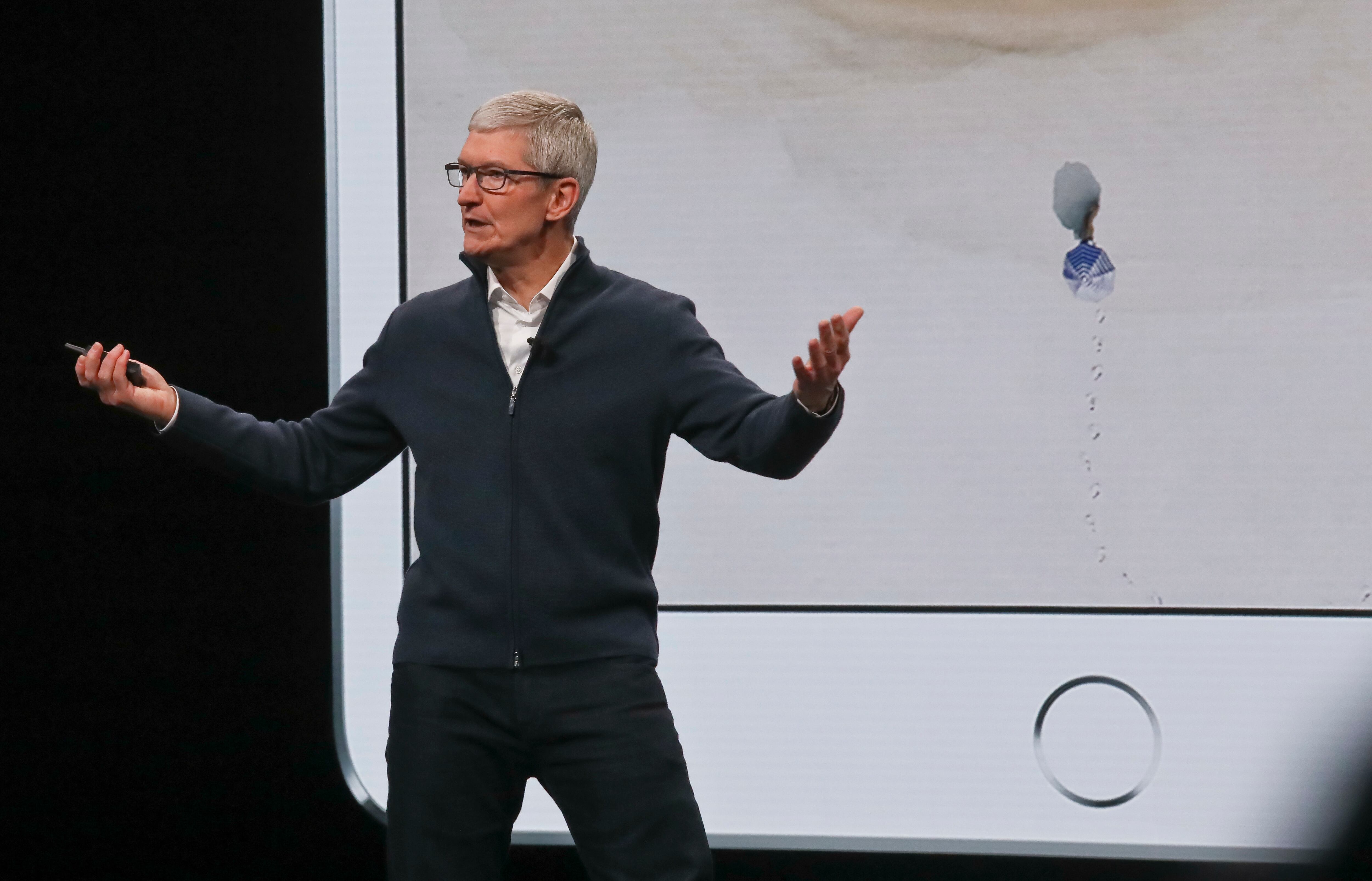
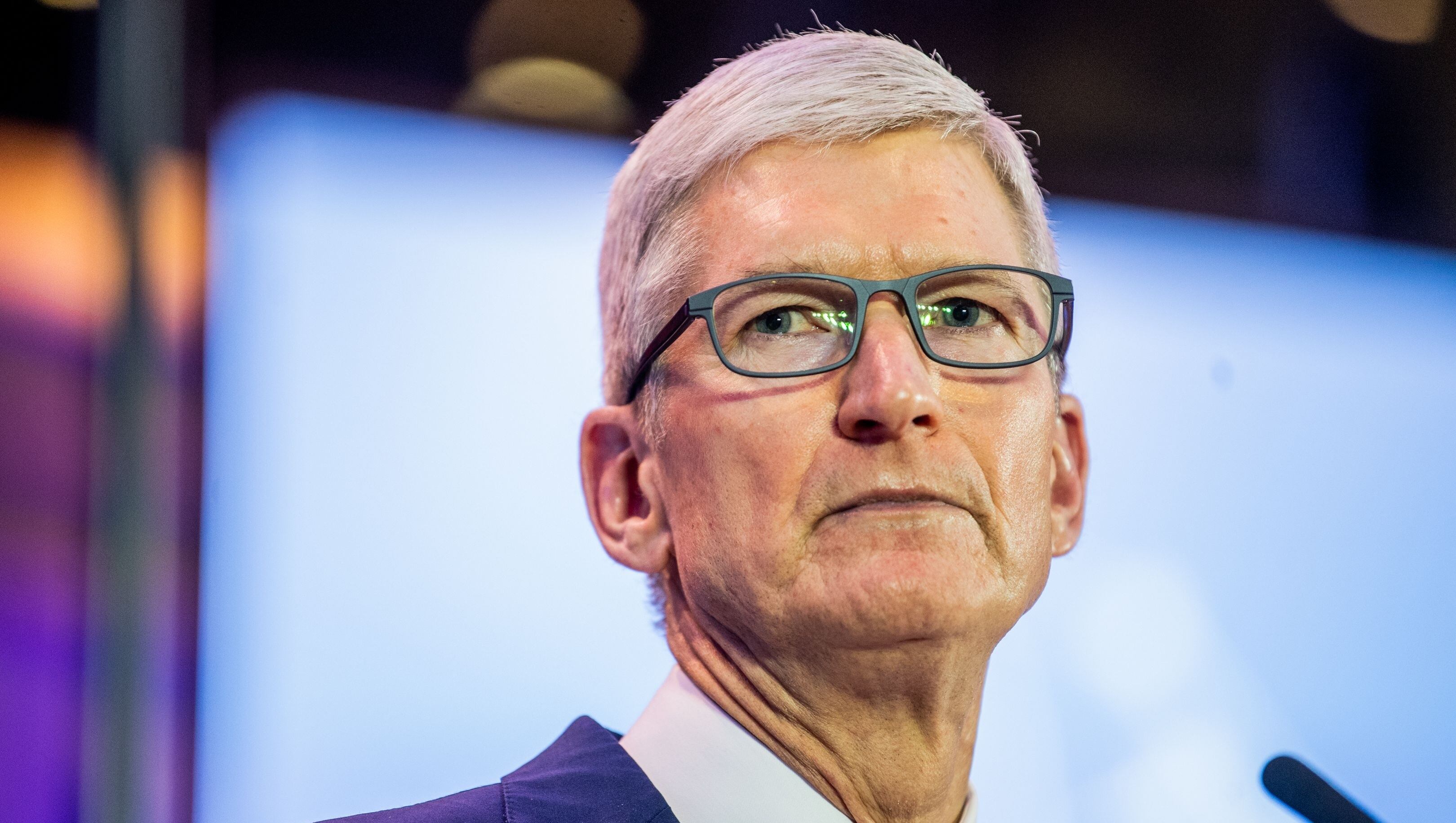
Tim Cook is an excellent steward of Apple, but he's no Steve Jobs ー and what Apple really needs right now, is innovation, said Andy Cunningham, who worked with Jobs to launch the Macintosh.
Major indices followed Apple lower after the iPhone maker's unexpected announcement it would cut revenue guidance sparked fears that the days of Apple's hyper growth are over. The Dow closed down 2.8 percent or 660 points on Thursday, while the S&P finished trading down about 2.5 percent and the Nasdaq closed lower by more than 3 percent.
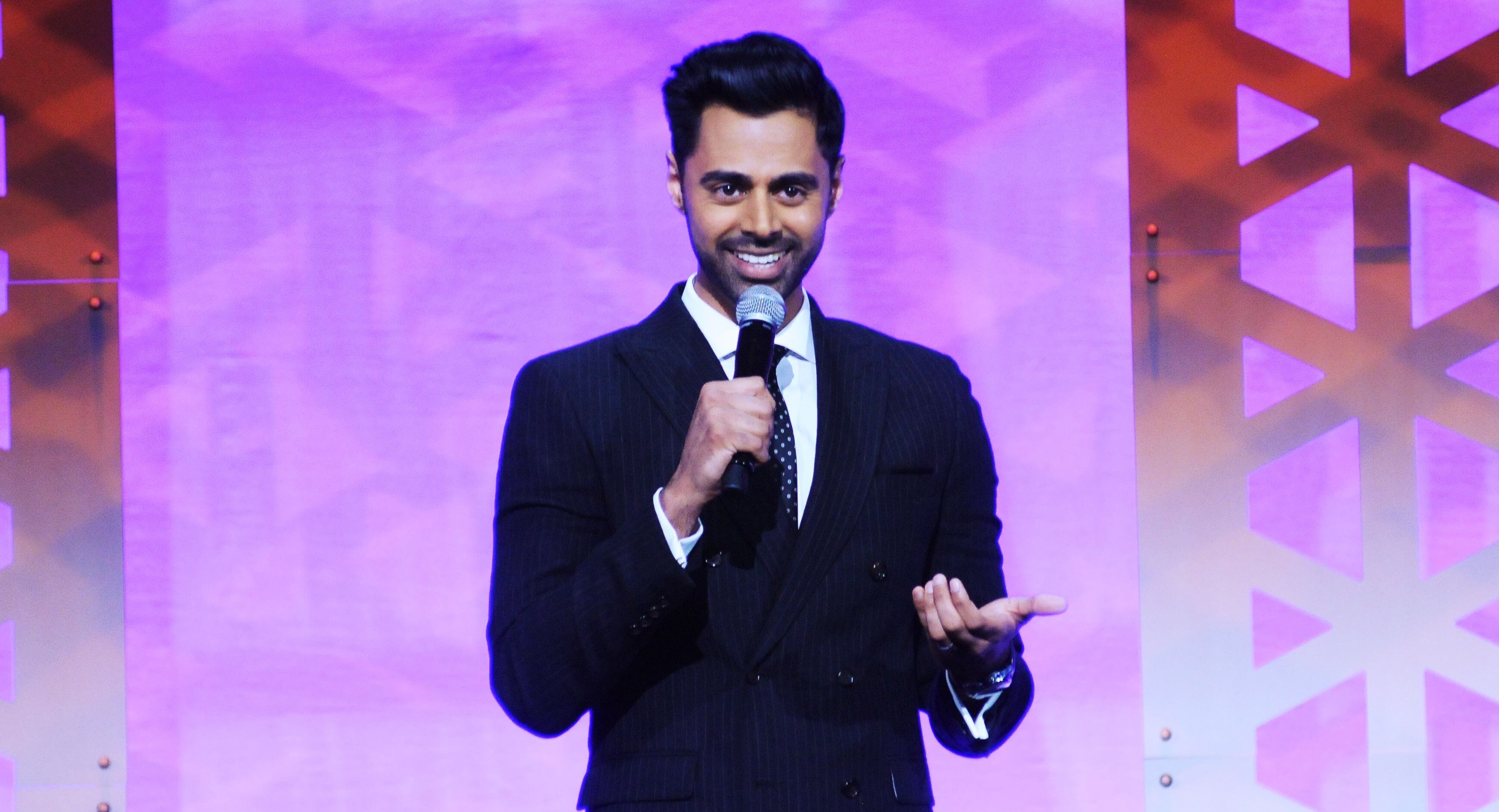
Netflix may benefit in the short-term from its decision to pull an episode of a comedy show that criticized Saudi Arabia's royal family, but in the long-term, the move could hurt the public's trust in the brand, Jack Crowe of the National Review told Cheddar Wednesday.
In a new era of transportation, safety testing is critical for cars that are now more dependent on tech than on steel and rubber. The American Center for Mobility is a 500-acre testing facility located in Ypsilanti, Mich., just over 30 miles from Detroit. On the center's highway speed loop, vehicles are tested for safety on a range of roadway and weather conditions. "It's gotta work all the time, every time," the center's interim CEO, Kirk Steudle, told Cheddar's J.D. Durkin.
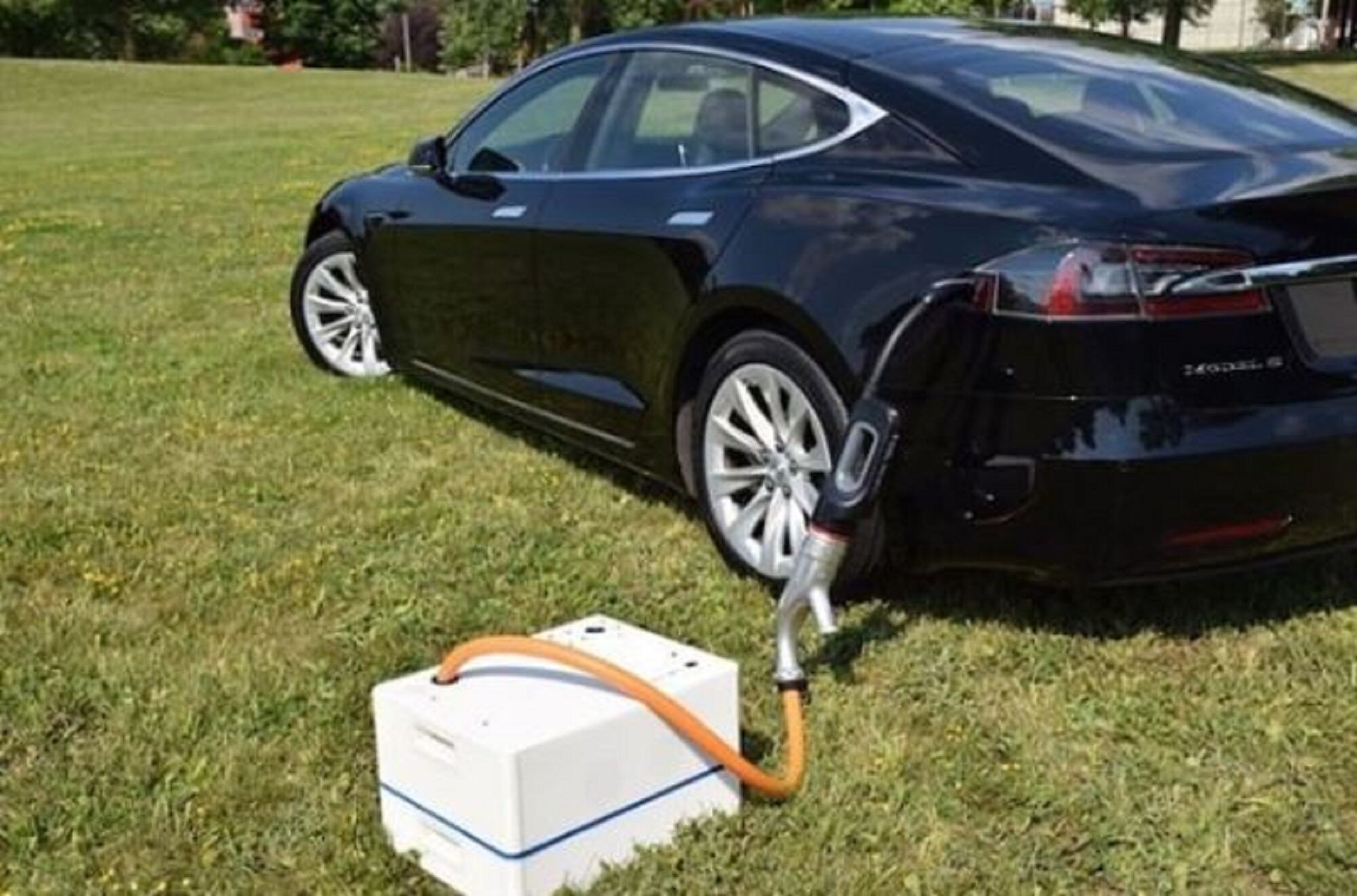
As the electric vehicle movement takes off, SparkCharge is gearing up to save drivers from "range anxiety" with deliverable charging in 2019. "There's this huge gap in the market in terms of alleviating that pain over where, when, how you charge your electric vehicle," SparkCharge CEO Joshua Aviv told Cheddar Wednesday.
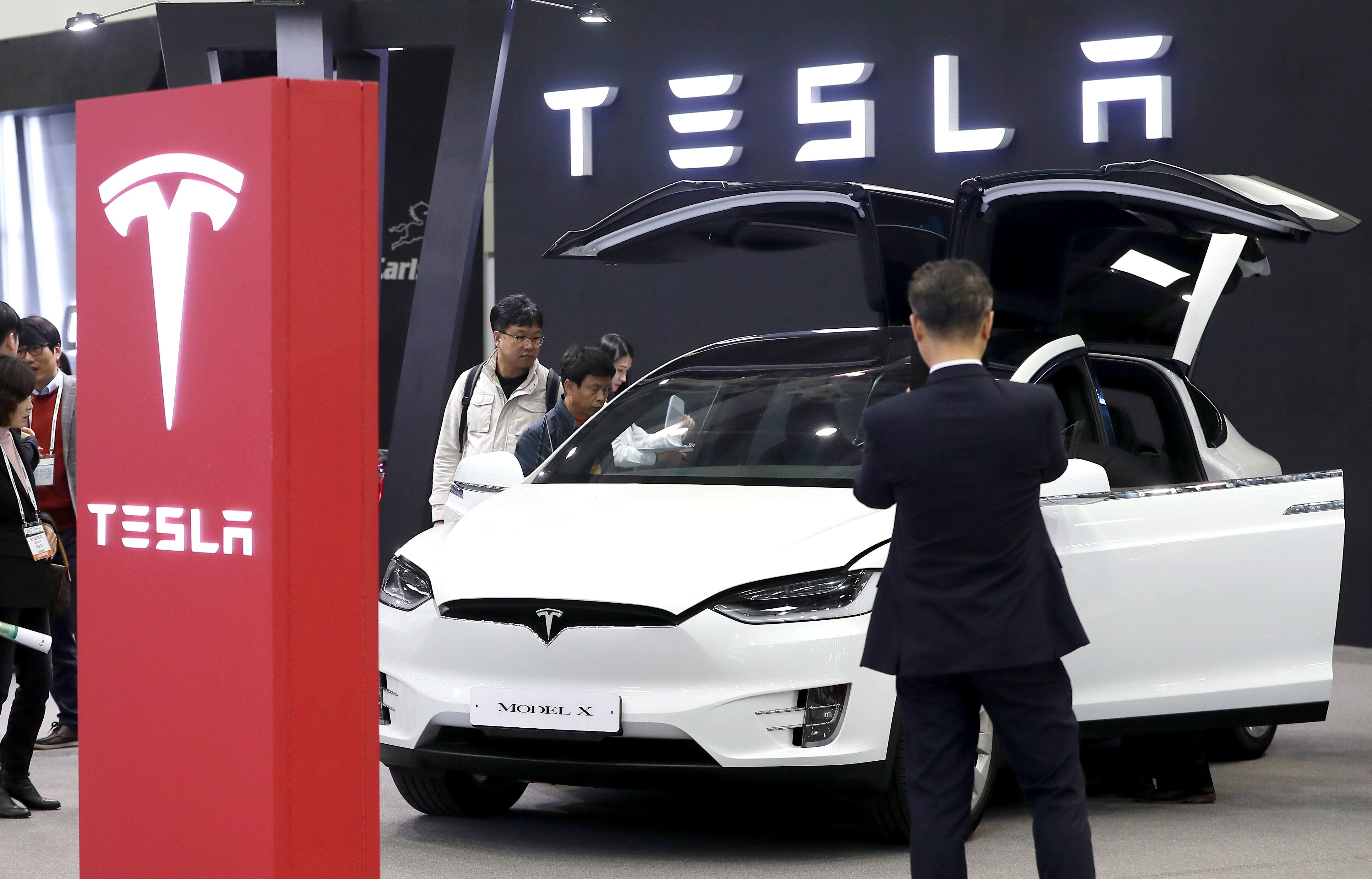
Tesla's latest production miss proves it is no longer a "hyper-growth story," Tesla short Mark Spiegel told Cheddar. Tesla shares tumbled close to 7 percent on Wednesday after the company missed expectations on car deliveries and broadly discounted its vehicles to offset subsidy cuts.
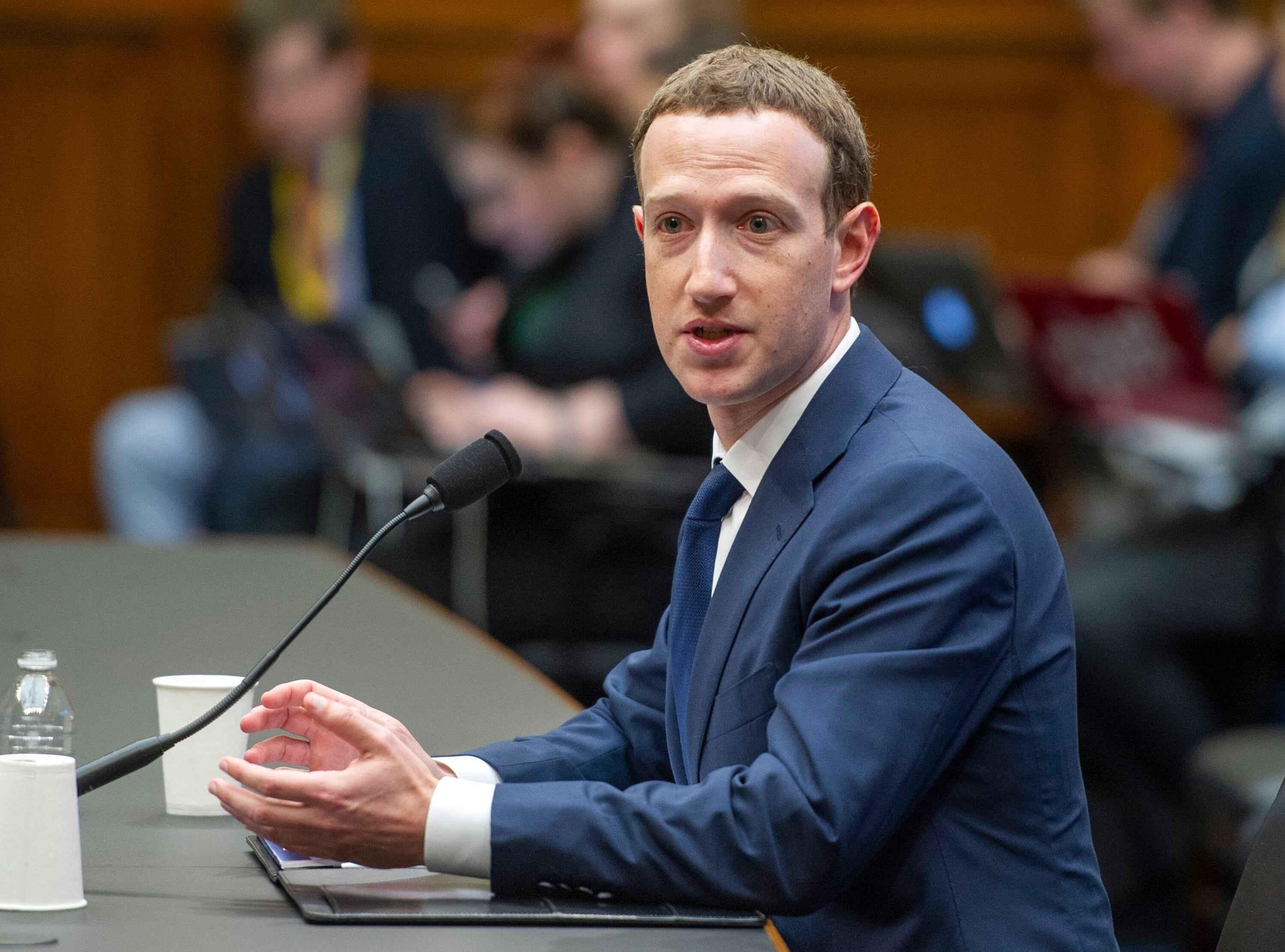
Facebook CEO Mark Zuckerberg's "out of touch" year-end post foreshadows a challenging 2019 for the social media giant, said Mark Douglas, CEO of digital display advertising platform SteelHouse.
2018 has been transformative for retail: Sears filed for Chapter 11 bankruptcy, Toys “R” Us shuttered its doors, and Amazon entered the U.S. into an extravagant pageant to find a base for its second HQ. As the landscape of shopping changes yet again, 2019 promises another existential moment in retail. We’re forecasting the biggest trends and predicting which fads will get the boot from consumers.
Institutional investors changed the cryptocurrency market in 2018, veering away from their blockchain-not-bitcoin attitudes and trying out strategies for entering the new crypto asset class. Cheddar is gazing into our crystal ball to predict what's ahead for crypto in 2019.
As 2018 comes to an end, Cheddar is picking the year's top winners and biggest triumphs for Cheddar's Hall of Fame.