*By Michael Teich*
Democrats led by Senator Mark Warner are stepping up the charge against big tech, but they may not accomplish anything unless the party makes major gains in the midterm elections, according to Axios reporter David McCabe.
Disinformation and privacy concerns on social media platforms have become a major concern of many lawmakers after Russian interference in the 2016 U.S. Presidential election was uncovered.
"It's not hugely surprising to see Democrats engaging on the disinformation piece because of the concerns about 2016," McCabe said Tuesday in an interview with Cheddar.
Facebook has spent nearly two years working to counter political misinformation campaigns on its platform. The company announced Tuesday it found and removed 32 pages and accounts linked to an influence campaign on Facebook and Instagram. Warner said in a statement Tuesday that "the Kremlin continues to exploit platforms like Facebook to sow division and spread disinformation."
Before Facebook's announcement, McCabe had obtained Warner's policy papers, which propose 20 ways to address disinformation online, protect user privacy, and encourage greater competition.
McCabe said he's skeptical that Warner's proposals can be enacted in the near-term. Despite a growing tech-lash and heightened concerns over data privacy that resulted from Facebook's Cambridge Analytica scandal, the issues are not priorities for Democrats or Republicans.
"Going into midterms, this hasn’t proven to be a big election issue," McCabe said before Facebook's latest revelation.
If Democrats can shift party control of Congress in November, they may be able to get enough momentum behind Warner's ideas, said McCabe. But even if they do well in midterms, the Democrats will have to go up against big tech's robust lobbying efforts. McCabe said the Democrats' intentions, as outlined by Warner, may prompt tech companies to spend even more on lobbying lawmakers in Washington.
In September, legislators will question social media executives including Twitter's Jack Dorsey in order to evaluate how government regulations might prevent the spread of misinformation and propaganda on social platforms.
For more on this, [click here](https://cheddar.com/videos/mark-warners-uphill-battle-against-big-tech).
Oracle has incorporated autonomous technology into its cloud services in an effort to boost security, but Steve Daheb, senior vice president for Oracle Cloud, said Oracle's not the only enterprise company rushing to bring emerging technologies, like artificial intelligence, blockchain, and IoT, into its applications. "We are seeing this fundamental shift, particularly within enterprise, where we are seeing this tipping point where enterprises are looking at adopting \[emerging technology\] into the mission critical applications that they are deploying to market today," Daheb told Cheddar on Tuesday.
From Wall Street to Silicon Valley, these are the top stories that moved markets and had investors, business leaders, and entrepreneurs talking this week on Cheddar.
Snap’s global security chief, Francis Racioppi, has been fired after an internal investigation found that he had an undisclosed relationship with a woman from a third-party consulting firm that he paid a sizable, six-figure amount of money to on behalf of Snap. Controversial Snap VP Jason Halpert is also leaving in connection with the investigation.
Former Take-Two CEO Kelly Sumner is looking for the next big game. But rather than investing hundreds of millions, his blockchain-based video game publisher Planet Digital Partners is targeting mid-level games often ignored by big publishers.
"Electronic Arts, Take-Two, Activision ($ATVI), etc., they are spending hundreds of millions of dollars on a game, expecting to be ... getting billions. And the kind of middle, where there's sort of really good, exciting games, isn't there," Sumner told Cheddar Friday.
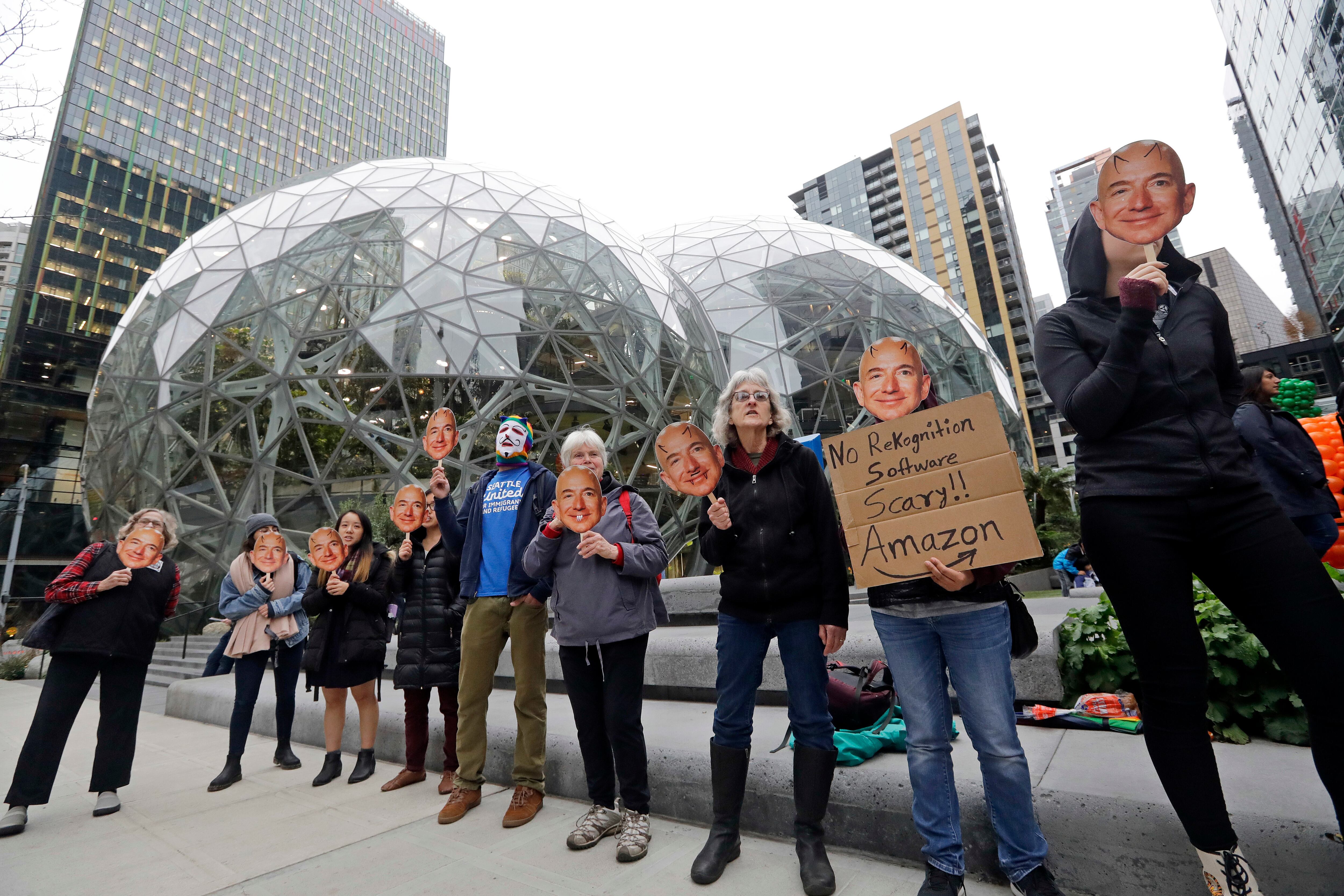
At Amazon's annual shareholder meeting this spring, a group of investors will be asking the tech giant to halt all governments sales of its proprietary facial recognition technology, known as Rekognition. The software, which scans faces and can read human emotions, tells the government "who we are, what we are, what we're doing, and who we're doing it with," said Michael Connor, the executive director of corporate accountability non-profit Open Mic.
Tesla CEO Elon Musk's email to employees on Friday announcing that the electric car maker will be slashing its workforce by 7 percent is just the latest in a long line of troubles for the embattled company ー troubles that brand and marketing expert Ian Wishingrad don't see ending any time soon.
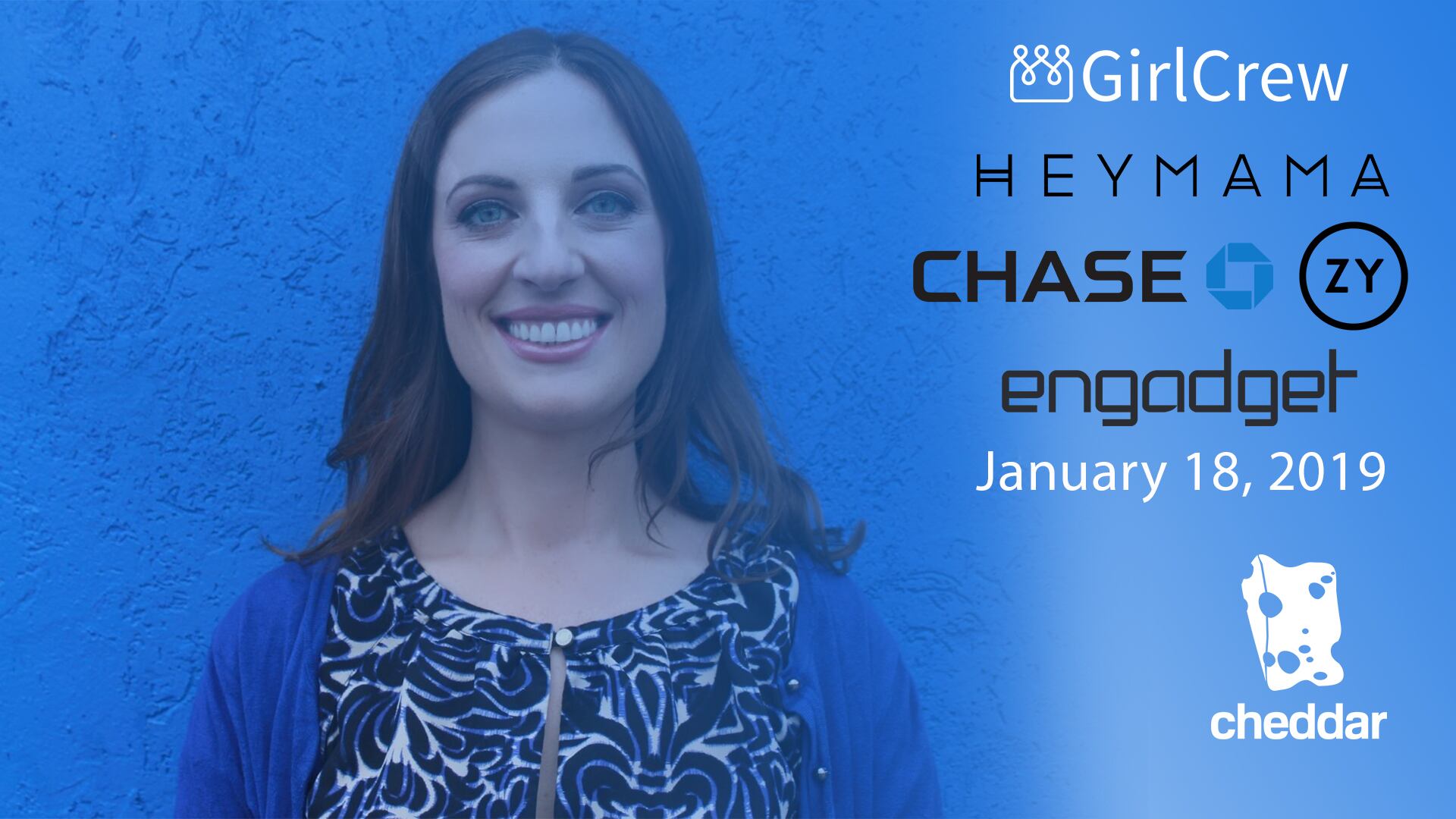
On Friday morning, Tesla announced it would slash its workforce by 7 percent in order to make a cheaper Model 3 vehicle. Netflix shares were trading slightly lower after the streaming giant reported mixed results in its most recent quarter. Plus, GirlCrew co-founder Pamela Newenham joins our weekly show ChedHER to discuss the inspiration behind her platform.
Microsoft President Brad Smith called for an end to the government shutdown during an appearance on Cheddar Thursday, saying that the political stalemate in the U.S. is contributing to broader international instability resulting from the ongoing Brexit chaos and weakness in the Chinese economy.
Inflated housing prices and long commute times in tech hubs nationwide is "sapping the vitality" from cities, Microsoft President Brad Smith told Cheddar Thursday following the company's announcement it would invest $500 million to address affordable housing and homelessness in and around Seattle, Wash.
TradeStation, the online broker-dealer, is dipping its toes into crypto. Speaking with Cheddar's Tanaya Macheel at the North American Bitcoin Conference in Miami on Thursday, CEO John Bartleman said crypto trading would be a "natural extension" to the asset classes currently offered on the TradeStation platform.