*By Michael Teich*
Democrats led by Senator Mark Warner are stepping up the charge against big tech, but they may not accomplish anything unless the party makes major gains in the midterm elections, according to Axios reporter David McCabe.
Disinformation and privacy concerns on social media platforms have become a major concern of many lawmakers after Russian interference in the 2016 U.S. Presidential election was uncovered.
"It's not hugely surprising to see Democrats engaging on the disinformation piece because of the concerns about 2016," McCabe said Tuesday in an interview with Cheddar.
Facebook has spent nearly two years working to counter political misinformation campaigns on its platform. The company announced Tuesday it found and removed 32 pages and accounts linked to an influence campaign on Facebook and Instagram. Warner said in a statement Tuesday that "the Kremlin continues to exploit platforms like Facebook to sow division and spread disinformation."
Before Facebook's announcement, McCabe had obtained Warner's policy papers, which propose 20 ways to address disinformation online, protect user privacy, and encourage greater competition.
McCabe said he's skeptical that Warner's proposals can be enacted in the near-term. Despite a growing tech-lash and heightened concerns over data privacy that resulted from Facebook's Cambridge Analytica scandal, the issues are not priorities for Democrats or Republicans.
"Going into midterms, this hasn’t proven to be a big election issue," McCabe said before Facebook's latest revelation.
If Democrats can shift party control of Congress in November, they may be able to get enough momentum behind Warner's ideas, said McCabe. But even if they do well in midterms, the Democrats will have to go up against big tech's robust lobbying efforts. McCabe said the Democrats' intentions, as outlined by Warner, may prompt tech companies to spend even more on lobbying lawmakers in Washington.
In September, legislators will question social media executives including Twitter's Jack Dorsey in order to evaluate how government regulations might prevent the spread of misinformation and propaganda on social platforms.
For more on this, [click here](https://cheddar.com/videos/mark-warners-uphill-battle-against-big-tech).
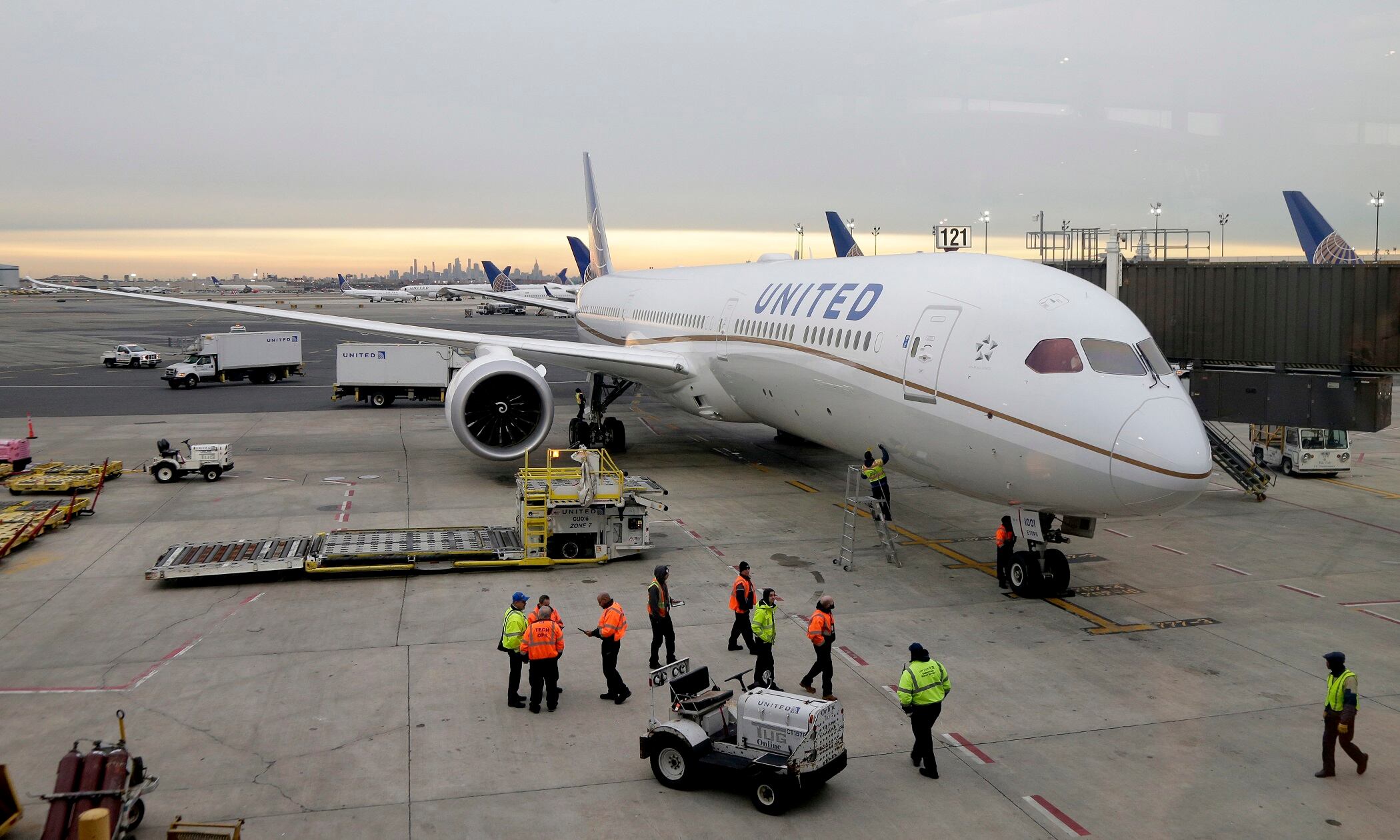
They say life is about the journey, not the destination — and how you get there makes all the difference. Americans shunned train stations, roadways, and airports amid the coronavirus pandemic, never realizing things could be fundamentally different when they return. In this episode, we're exploring the evolving world of transportation, from how we get around to how goods get to us.
Intel will invest $20 billion in a new computer chip facility in Ohio amid a global shortage of microprocessors used in everything from phones and cars to video games.
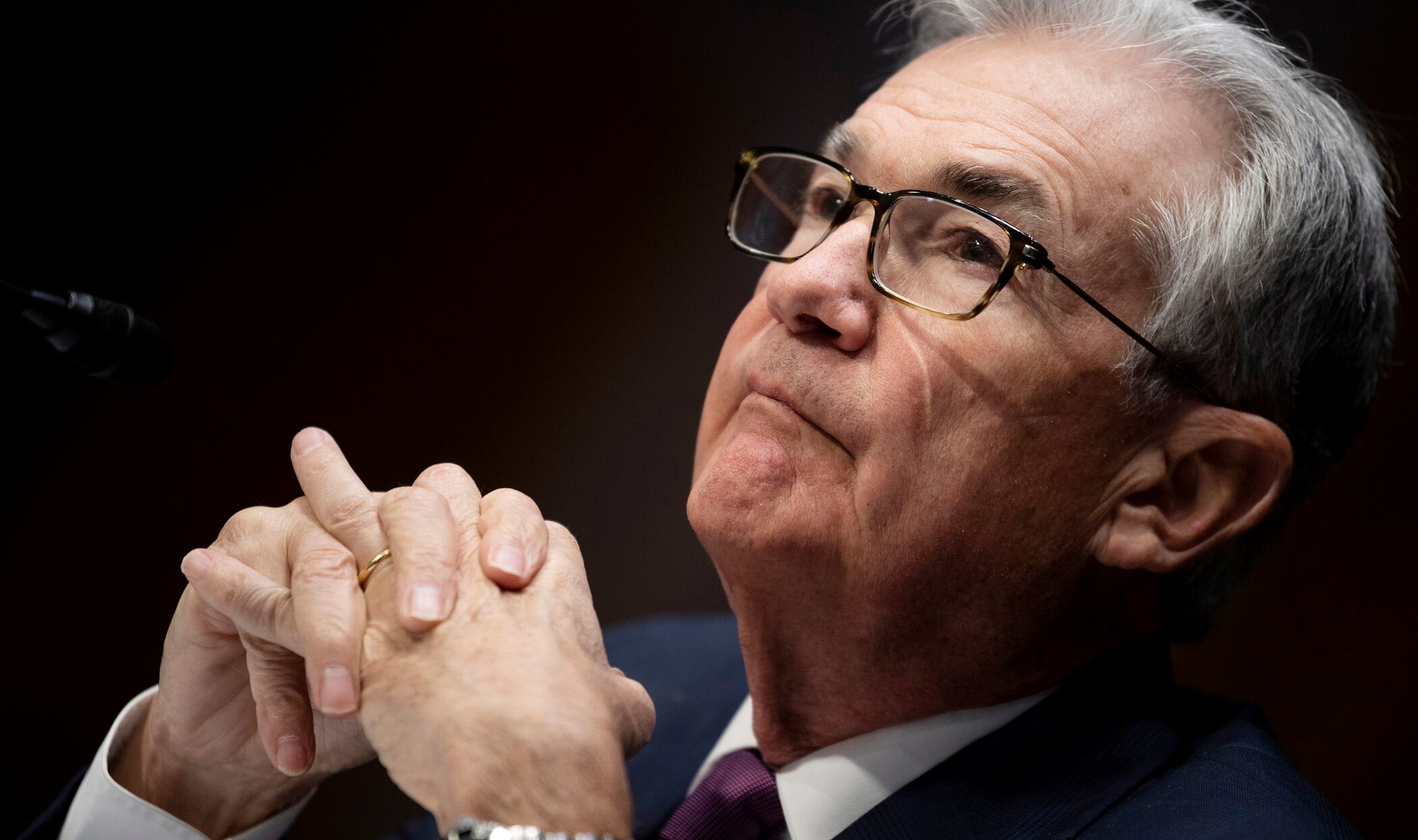
The 40-page paper was widely seen as the first step in doing just that, but the document provides only partial hints as to if the Fed is supportive of a central bank digital currency.
The People's Bank of China (PBOC) announced on Tuesday that 261 million individuals, or about a fifth of the country's population, have now set up digital yuan wallets.
AT&T and Verizon say they will delay some new 5G wireless service after the airline industry raised alarms about potential interference with important systems on planes.
GreenPower Motor Company CEO Fraser Atkinson joined Cheddar News to discuss Gov. Jim Justice's plan for West Virginia to reduce carbon emissions in 2022 by adding a school bus fleet of B.E.A.S.T.s — or battery-electric automated school transportation. Atkinson discussed why the state was perfect for manufacturing electric buses, and the economic impact its facilities will have on the region. He also noted a health impact the new vehicles could have, citing research that children from kindergarten to sixth grade are most at risk for cancers and respiratory illnesses due to exhaust pollution.
Two of the biggest names in crypto had a public spat this week over whether stablecoin issuers should have to reveal to the general public what's in their reserves.
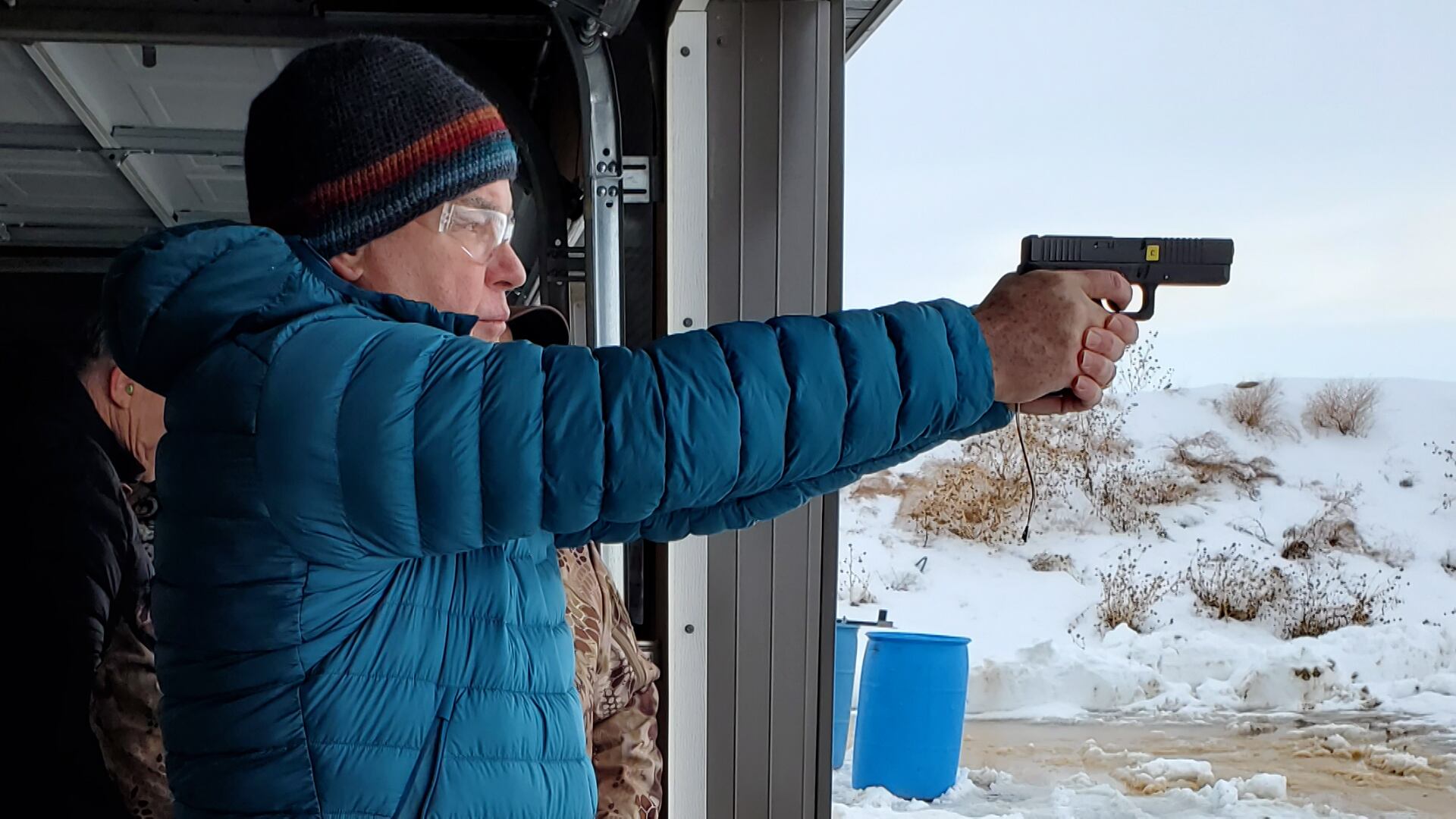
Amid a rise in gun-related deaths in 2021, a smart technology solution is being touted to help personalize and secure the use of firearms for owners in hopes of preventing unauthorized use and accidents. Gareth Glaser, president and CEO of LodeStar Works talked with Cheddar about adding fingerprint or smart tech locks to its 9mm handgun as a way of addressing the deadly issue without a partisan viewpoint. "We felt a technical solution would be the best way to go," Glaser said. "It's nonpolitical, and it actually addresses the product itself as opposed to a cultural issue."