*By Michael Teich*
Democrats led by Senator Mark Warner are stepping up the charge against big tech, but they may not accomplish anything unless the party makes major gains in the midterm elections, according to Axios reporter David McCabe.
Disinformation and privacy concerns on social media platforms have become a major concern of many lawmakers after Russian interference in the 2016 U.S. Presidential election was uncovered.
"It's not hugely surprising to see Democrats engaging on the disinformation piece because of the concerns about 2016," McCabe said Tuesday in an interview with Cheddar.
Facebook has spent nearly two years working to counter political misinformation campaigns on its platform. The company announced Tuesday it found and removed 32 pages and accounts linked to an influence campaign on Facebook and Instagram. Warner said in a statement Tuesday that "the Kremlin continues to exploit platforms like Facebook to sow division and spread disinformation."
Before Facebook's announcement, McCabe had obtained Warner's policy papers, which propose 20 ways to address disinformation online, protect user privacy, and encourage greater competition.
McCabe said he's skeptical that Warner's proposals can be enacted in the near-term. Despite a growing tech-lash and heightened concerns over data privacy that resulted from Facebook's Cambridge Analytica scandal, the issues are not priorities for Democrats or Republicans.
"Going into midterms, this hasn’t proven to be a big election issue," McCabe said before Facebook's latest revelation.
If Democrats can shift party control of Congress in November, they may be able to get enough momentum behind Warner's ideas, said McCabe. But even if they do well in midterms, the Democrats will have to go up against big tech's robust lobbying efforts. McCabe said the Democrats' intentions, as outlined by Warner, may prompt tech companies to spend even more on lobbying lawmakers in Washington.
In September, legislators will question social media executives including Twitter's Jack Dorsey in order to evaluate how government regulations might prevent the spread of misinformation and propaganda on social platforms.
For more on this, [click here](https://cheddar.com/videos/mark-warners-uphill-battle-against-big-tech).
Garrett Nelson, a senior analyst and VP of equity research at CFRA Research, joined Cheddar News to give a preview of Tesla earnings amid its seventh straight record quarter in vehicle deliveries while it faces some headwinds with the ongoing Shanghai, China, lockdown due to pandemic. "We view Tesla as one of the market's best secular growth stories," he said. "It's one of our top picks, and their execution has been really stellar over the last several quarters. They've beat nine of the past 10 quarters, so that's a 90 percent beat rate."
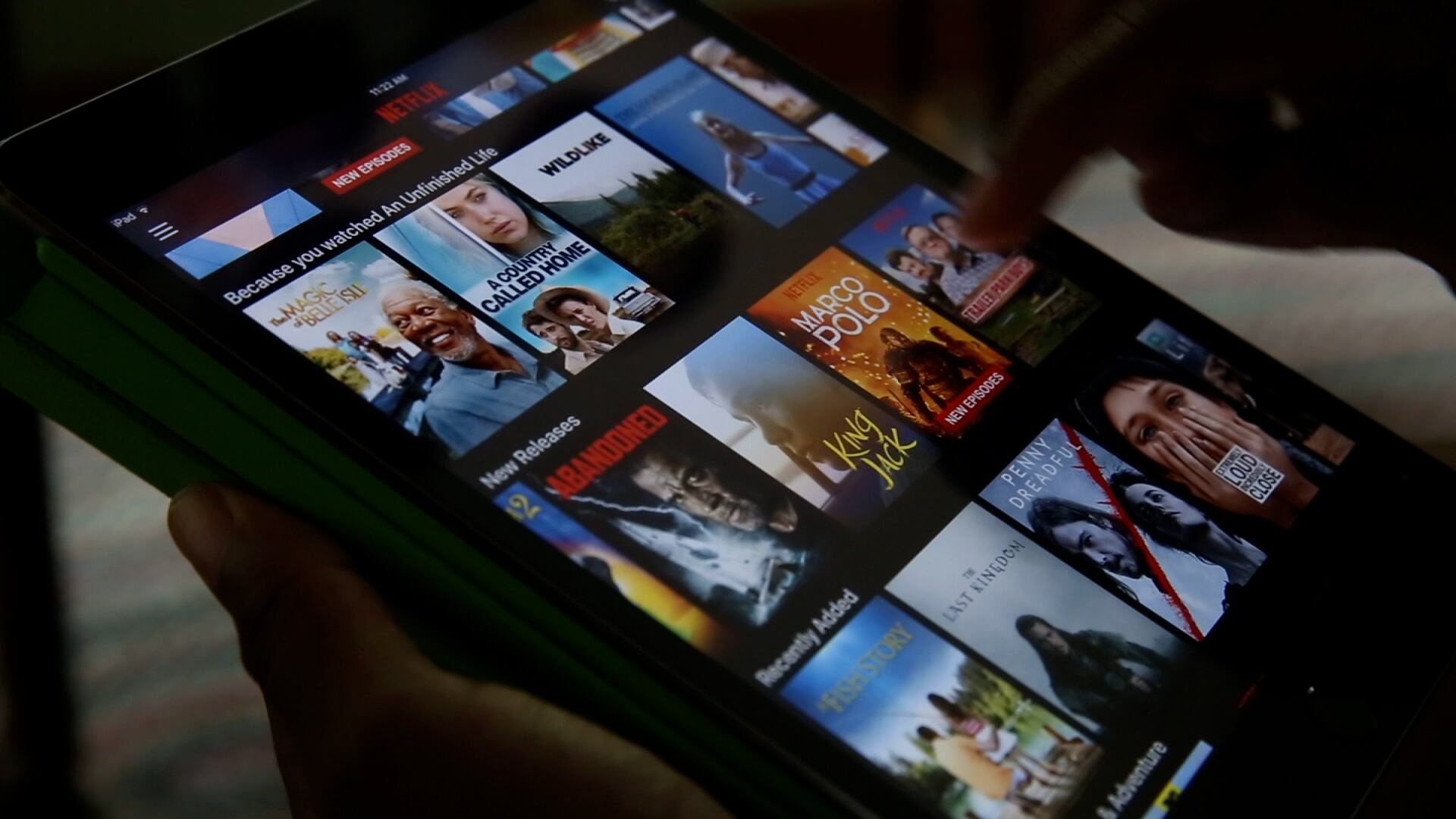
Netflix is slated to give its Q1 report after the closing bell, and Jason Moser, a senior analyst at The Motley Fool, joined Cheddar News to give a preview of what to expect from the streaming giant's earnings. "I think Netflix, like many businesses out there the last couple of years, says it's pulled forward a lot of success just due to the pandemic, and that's not necessarily a bad thing," he said. "But it does alter the picture, the growth picture maybe, going forward." Moser also noted that the streaming space for Netflix is especially competitive now as opposed to about a decade ago.
Catching you up on what you need to know on April 19, 2022, with a federal judge voiding mask mandates on public transportation, updates from the Russia and Ukraine war, Mac Miller’s drug dealer sentenced for involvement in the rapper's death, and more.
Twitter has dropped a major roadblock in front of Elon Musk’s effort to take over the company, leaving investors to wonder about the mercurial Tesla CEO’s next move.
More than one-third of children interact with devices before the age of five. This is the same age when we're reminding kids to not talk to strangers, but what about strangers lurking on the internet? Children are increasingly becoming prime targets for cyber fraud and it's important to teach them how to stay safe from online fraudsters. Richard Dufty, chief commercial officer at Arkose Labs, joins Cheddar News to discuss.
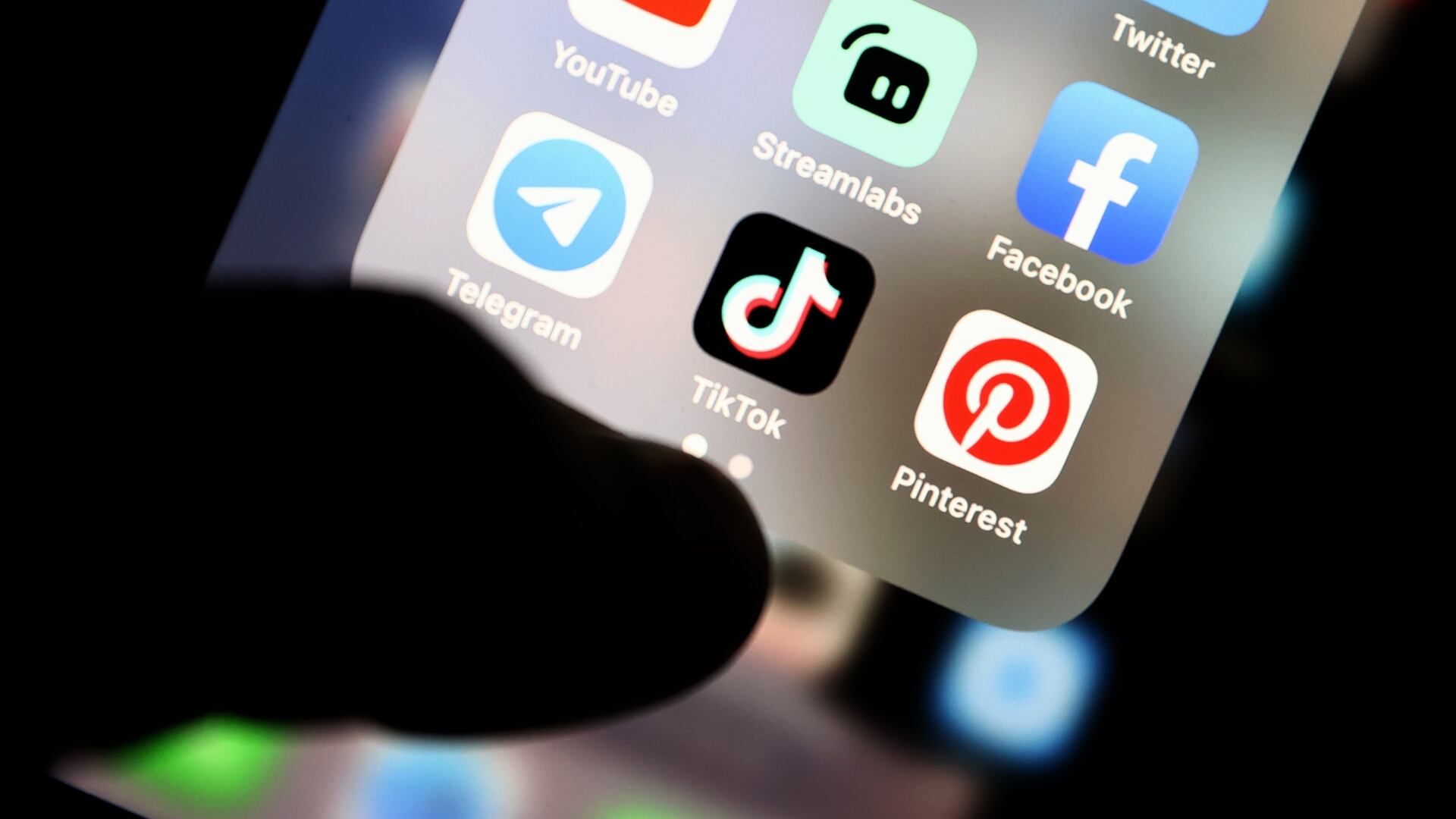
As TikTok grows in popularity, so does its ad revenue potential. Research firm Insider Intelligence forecasts the app's revenue will likely triple in 2022 to more than $11 billion, putting it past the sales of both Twitter and Snapchat combined. Cheddar News takes a closer look.
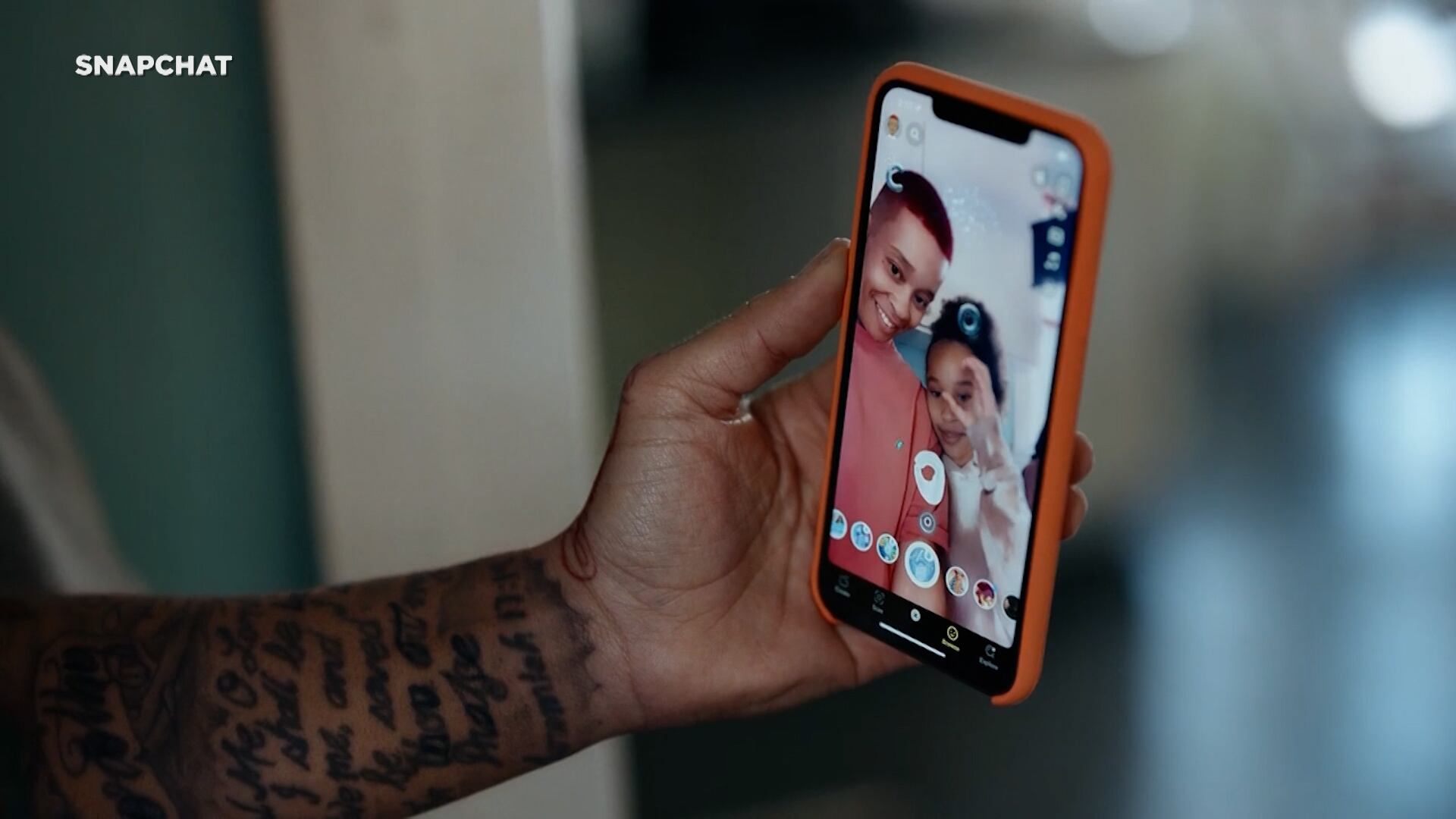
Snapchat has launched its first features to help users learn American Sign Language through its lenses and a game. The project was spearheaded by deaf and hard-of-hearing workers. Cheddar News was joined by Austin Vaday, software engineer at Snap, and his sign language interpreter, Jonathan Webb, to discuss the ASL Fingerspelling Lens and how the project came together. “We wanted to find a way to appropriately and properly educate the community so that folks can communicate with people like me using sign language," Vaday stated.