*By Michael Teich*
Democrats led by Senator Mark Warner are stepping up the charge against big tech, but they may not accomplish anything unless the party makes major gains in the midterm elections, according to Axios reporter David McCabe.
Disinformation and privacy concerns on social media platforms have become a major concern of many lawmakers after Russian interference in the 2016 U.S. Presidential election was uncovered.
"It's not hugely surprising to see Democrats engaging on the disinformation piece because of the concerns about 2016," McCabe said Tuesday in an interview with Cheddar.
Facebook has spent nearly two years working to counter political misinformation campaigns on its platform. The company announced Tuesday it found and removed 32 pages and accounts linked to an influence campaign on Facebook and Instagram. Warner said in a statement Tuesday that "the Kremlin continues to exploit platforms like Facebook to sow division and spread disinformation."
Before Facebook's announcement, McCabe had obtained Warner's policy papers, which propose 20 ways to address disinformation online, protect user privacy, and encourage greater competition.
McCabe said he's skeptical that Warner's proposals can be enacted in the near-term. Despite a growing tech-lash and heightened concerns over data privacy that resulted from Facebook's Cambridge Analytica scandal, the issues are not priorities for Democrats or Republicans.
"Going into midterms, this hasn’t proven to be a big election issue," McCabe said before Facebook's latest revelation.
If Democrats can shift party control of Congress in November, they may be able to get enough momentum behind Warner's ideas, said McCabe. But even if they do well in midterms, the Democrats will have to go up against big tech's robust lobbying efforts. McCabe said the Democrats' intentions, as outlined by Warner, may prompt tech companies to spend even more on lobbying lawmakers in Washington.
In September, legislators will question social media executives including Twitter's Jack Dorsey in order to evaluate how government regulations might prevent the spread of misinformation and propaganda on social platforms.
For more on this, [click here](https://cheddar.com/videos/mark-warners-uphill-battle-against-big-tech).
Babylist is an online baby registry for expecting and new parents, who can use the platform to share what they would like to receive as gifts to celebrate their baby's birth. The company also operates as an e-commerce and content platform for baby products, saying it aims to be a one-stop solution for parents, family, and friends to buy best-in-class baby products at what is a critical and deeply personal moment in their lives. Natalie Gordon, founder and CEO of Babylist. joins Cheddar News' Closing Bell to discuss.
One of the hottest stocks in the news, not for its price but mostly due to its maybe pending acquisition by Elon Musk, is Twitter. Cheddar's Ken Buffa goes in-depth into why the trials and tribulations of the social media platform, currently being accused by the Musk of holding back information on spam accounts, make it the stock of the day.
Apple's Worldwide Developers Conference on Monday provided announced updates for iOS 16, edits to iMessages, an “ApplePay Later” plan, which will allow users to stretch out their payments over four weeks, and new Macbooks. However, the anticipated news for realityOS, software for an augmented and virtual reality headset, did not make the cut. Cheddar News anchor Michelle Castillo had all the details about what to expect from tech giant.
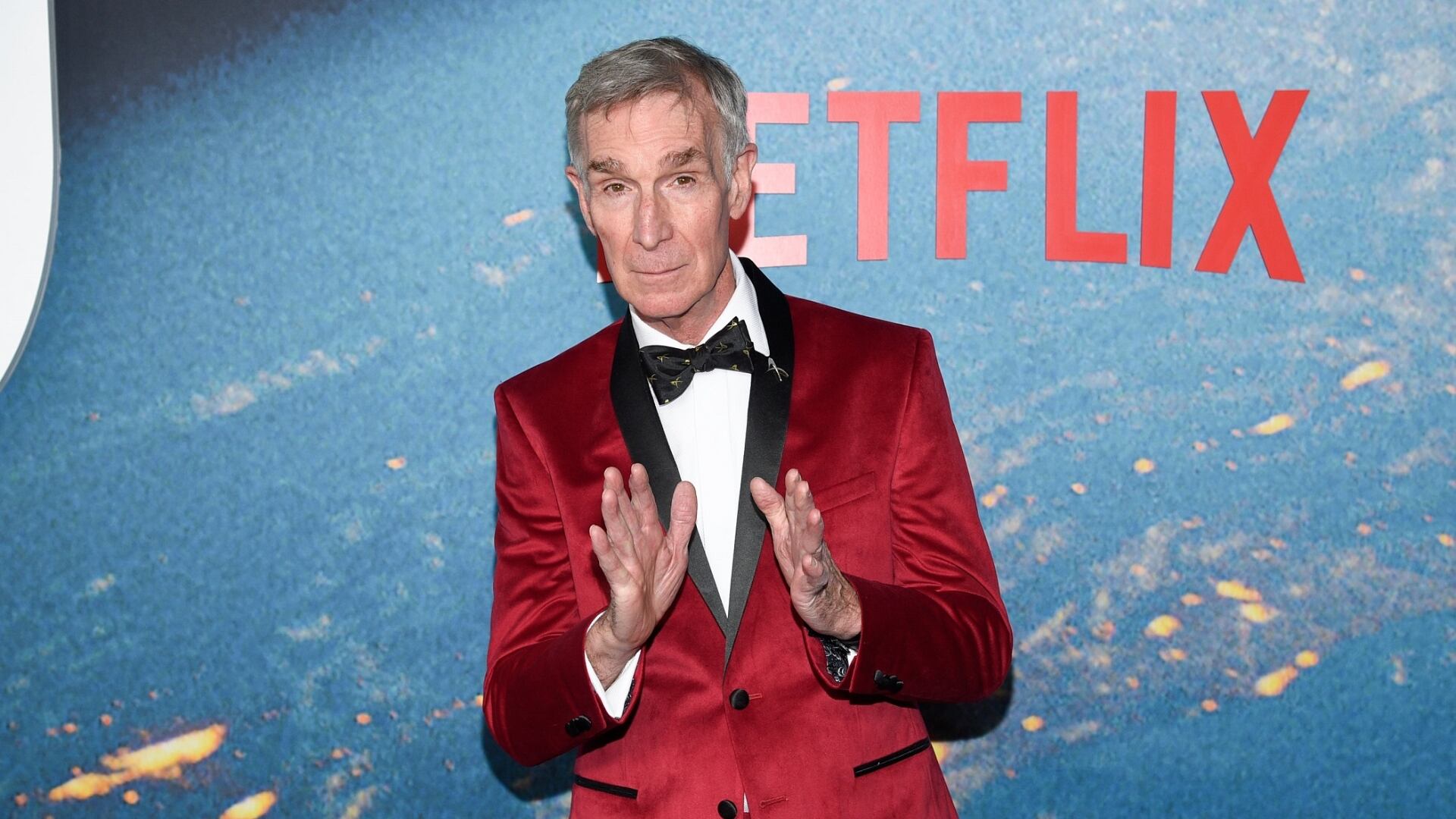
Bill Nye the Science Guy is back but on an even smaller screen. America’s favorite science teacher has racked up more than eight million followers on TikTok, and he joined Cheddar News to talk about his success on the platform, having fun but also being serious about scientific topics like tackling climate change, and his newest hosting project "The End is Nye," a streaming show on Peacock that examines disasters — both natural and manmade. "There are six episodes. We have big disasters. Things go terribly wrong, and then we show you how things could have gone right," he explained.
Bill Bellissimo, CEO of Crunchtime, joins Cheddar to break down how he's guiding the food, service, and hospitality industries through the labor crisis with software and technological solutions.
On this episode of On the Job, Meg Ferrero, VP, Assistant General Counsel, ADP, discusses how to successfully find and cultivate a mentor-mentee relationship; Bill Bellissimo, CEO of Crunchtime, breaks down how he's guiding the food and hospitality industry through the labor crisis with software and technological solutions; Senior Reporter Chloe Aiello gets a first-person look at how Brooklyn Dumpling house is updating an old-school idea to revolutionize how they do business.
Sheryl Sandberg is stepping down as Chief Operating Officer of Facebook's parent company Meta. After 14 years at a company she helped transform from a little-known social media website into one of the most powerful tech giants in the world, Sandberg announced she's leaving to spend more time with her family and focus on her philanthropic work. Evan Nierman, CEO of Red Banyan Crisis PR and author of Crisis Averted, joined Cheddar to discuss Sandberg's legacy at Facebook, her impact on women in the workplace, and what we can expect to see from her in the future.
Scammers are cashing in on the crypto craze. According to a new report from the FTD, fraudsters have stolen more than $1 billion in crypto from 46,000 people since 2021. That's $1 out of every $4 reported lost to scammers paid in cryptocurrency, more than any other payment method. Chris Pierson, the founder and CEO of BlackCloak, gives tips on how to protect yourself from scammers.