*By Michael Teich*
Democrats led by Senator Mark Warner are stepping up the charge against big tech, but they may not accomplish anything unless the party makes major gains in the midterm elections, according to Axios reporter David McCabe.
Disinformation and privacy concerns on social media platforms have become a major concern of many lawmakers after Russian interference in the 2016 U.S. Presidential election was uncovered.
"It's not hugely surprising to see Democrats engaging on the disinformation piece because of the concerns about 2016," McCabe said Tuesday in an interview with Cheddar.
Facebook has spent nearly two years working to counter political misinformation campaigns on its platform. The company announced Tuesday it found and removed 32 pages and accounts linked to an influence campaign on Facebook and Instagram. Warner said in a statement Tuesday that "the Kremlin continues to exploit platforms like Facebook to sow division and spread disinformation."
Before Facebook's announcement, McCabe had obtained Warner's policy papers, which propose 20 ways to address disinformation online, protect user privacy, and encourage greater competition.
McCabe said he's skeptical that Warner's proposals can be enacted in the near-term. Despite a growing tech-lash and heightened concerns over data privacy that resulted from Facebook's Cambridge Analytica scandal, the issues are not priorities for Democrats or Republicans.
"Going into midterms, this hasn’t proven to be a big election issue," McCabe said before Facebook's latest revelation.
If Democrats can shift party control of Congress in November, they may be able to get enough momentum behind Warner's ideas, said McCabe. But even if they do well in midterms, the Democrats will have to go up against big tech's robust lobbying efforts. McCabe said the Democrats' intentions, as outlined by Warner, may prompt tech companies to spend even more on lobbying lawmakers in Washington.
In September, legislators will question social media executives including Twitter's Jack Dorsey in order to evaluate how government regulations might prevent the spread of misinformation and propaganda on social platforms.
For more on this, [click here](https://cheddar.com/videos/mark-warners-uphill-battle-against-big-tech).
In what could be the biggest deal in video games history, Microsoft's purchase of Activision Blizzard underlines the company's aggressive push in gaming and beyond into its long-term vision of being top dog in the metaverse. Adam Hollander, former director of gamification at Microsoft and founder of Hungry Wolves NFT, joined Cheddar's Opening Bell to discuss. “Microsoft always plays chess, not checkers," he said, describing the price tag as an opportunity cost. "It's about integrating Activision Blizzard in with Azure and Windows and Xbox and Hololens and Minecraft and everything else that they're doing for the inevitable goal of being the major player in the next phase of the internet."
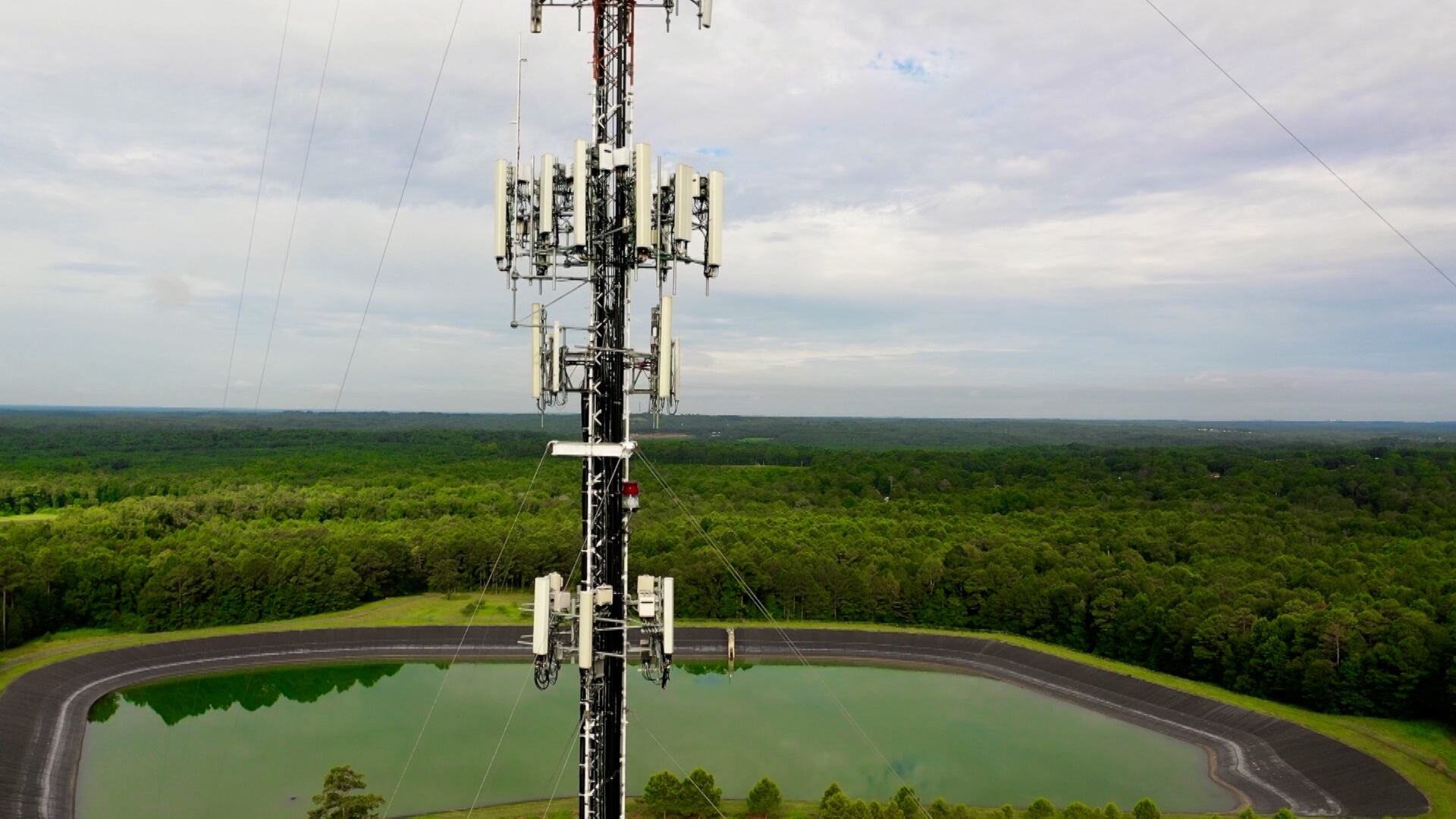
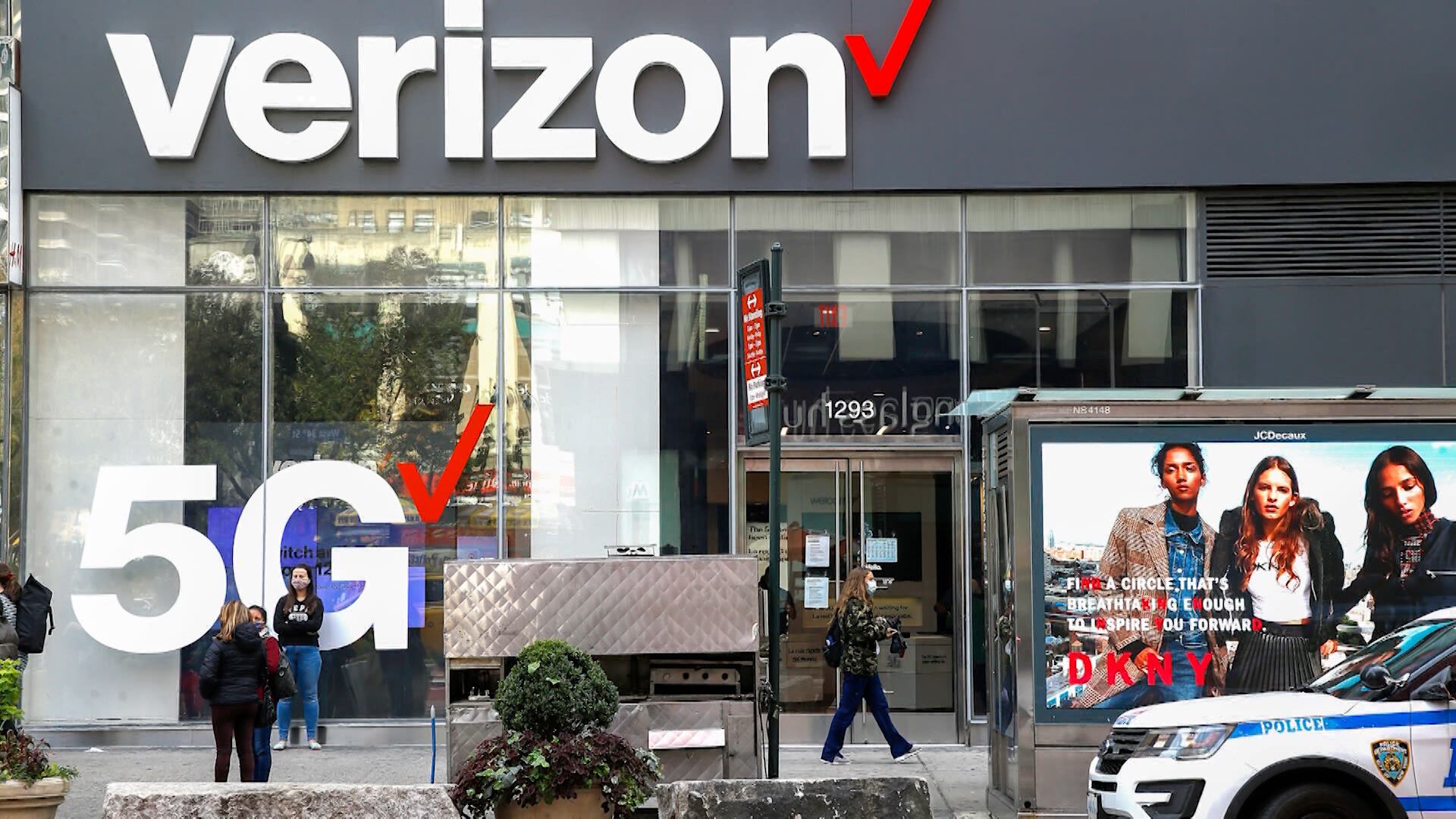
Telecom giants AT&T and Verizon have agreed to delay activating their 5G services around airports and runways once again. This comes after major U.S. airlines voiced their concern over the rollout of 5G technology, warning of an impending "catastrophic" aviation crisis. Peter Andersen, Chief Investment Officer, Anderson Capital Management joined Cheddar's Opening Bell to discuss.
Earnings season kicks into high gear this week as big players are on tap to report their Q4 numbers. Goldman Sachs, Procter & Gamble, United Airlines, and Netflix are just a few of the companies we're keeping a close eye on to give us a better idea of how they're dealing with the Omicron variant, inflation and interest rates. David Nelson, chief strategist at Belpointe, gives a preview of what to expect.
Thomas Hayes, Chairman at Great Hill Capital, joined Wake Up With Cheddar to break down what to look for on the economic front in the coming months amid an Omicron surge and planned interest rate hikes.
Mike McGlone, Senior Commodity Strategist at Bloomberg Intelligence, joins Cheddar News' Closing Bell, where he says he believes we'll eventually see Bitcoin reach the $100,000 mark despite its recent struggles, and explains why Bitcoin will be less volatile than the Nasdaq.
Food waste is a major contributor to greenhouse gas emissions in the United States. Strella Biotechnology is trying to solve the problem by introducing new technology to a business that's been around for generations -- farming. The 24-year-old CEO created hi-tech sensors that interpret the shelf life of produce and alert farmers when fruits and vegetables are ready to be sent to supermarkets. The company says the process can help farmers make money, reduce food waste and increase the quality of produce. Strella Biotechnology's co-founder and CEO Katherine Sizov and co-founder and COO Jay Jordan joined Cheddar Climate to discuss.
Hugh Odom, founder and president of Vertical Consultants, shared his expertise on telecommunications with Cheddar on the safety issue raised about 5G deployment by airlines. The installation was partially delayed again on Tuesday as the airlines warned of potentially catastrophic delays in a letter to the Biden administration. Later, both Verizon and AT&T relented and put a pause on some of the implementations. "The first thing the Biden administration needs to do is get everybody in the room and say, look, aviation industry, identify the problem — wireless industry, come up with a solution," said Odom.