Authorities in Georgia said Thursday they're investigating threats targeting members of the grand jury that indicted former President Donald Trump and 18 of his allies.
Fulton County Sheriff Pat Labat's office said investigators are working to trace the origin of the threats after the names of grand jury members and other personal information were posted online. The sheriff's office said other local, state and federal law enforcement agencies were assisting.
“We take this matter very seriously and are coordinating with our law enforcement partners to respond quickly to any credible threat and to ensure the safety of those individuals who carried out their civic duty,” the sheriff's office said in a statement.
A Fulton County grand jury returned a 41-count indictment Monday charging Trump and 18 others with illegally conspiring to overturn his 2020 election loss in Georgia.
Though the grand jury proceedings were secret, the unredacted names of the grand jury members were included in the indictment. That's standard practice in Georgia, in part because it gives criminal defendants a chance to challenge the composition of the grand jury. The indictment itself is a public record.
The American Bar Association condemned any threats as well as the sharing of other personal information about the grand jurors online.
“The civic-minded members of the Georgia grand jury performed their duty to support our democracy,” the association's statement said. “It is unconscionable that their lives should be upended and safety threatened for being good citizens.”
A woman in Texas has been charged with making an Aug. 5 phone call threatening to kill U.S. District Judge Tanya Chutkan, who is overseeing the federal case against Trump in Washington. And FBI agents on Aug. 9 killed an armed Utah man facing arrest on charges of making violent threats against President Joe Biden and law enforcement officials involved in prosecuting Trump.
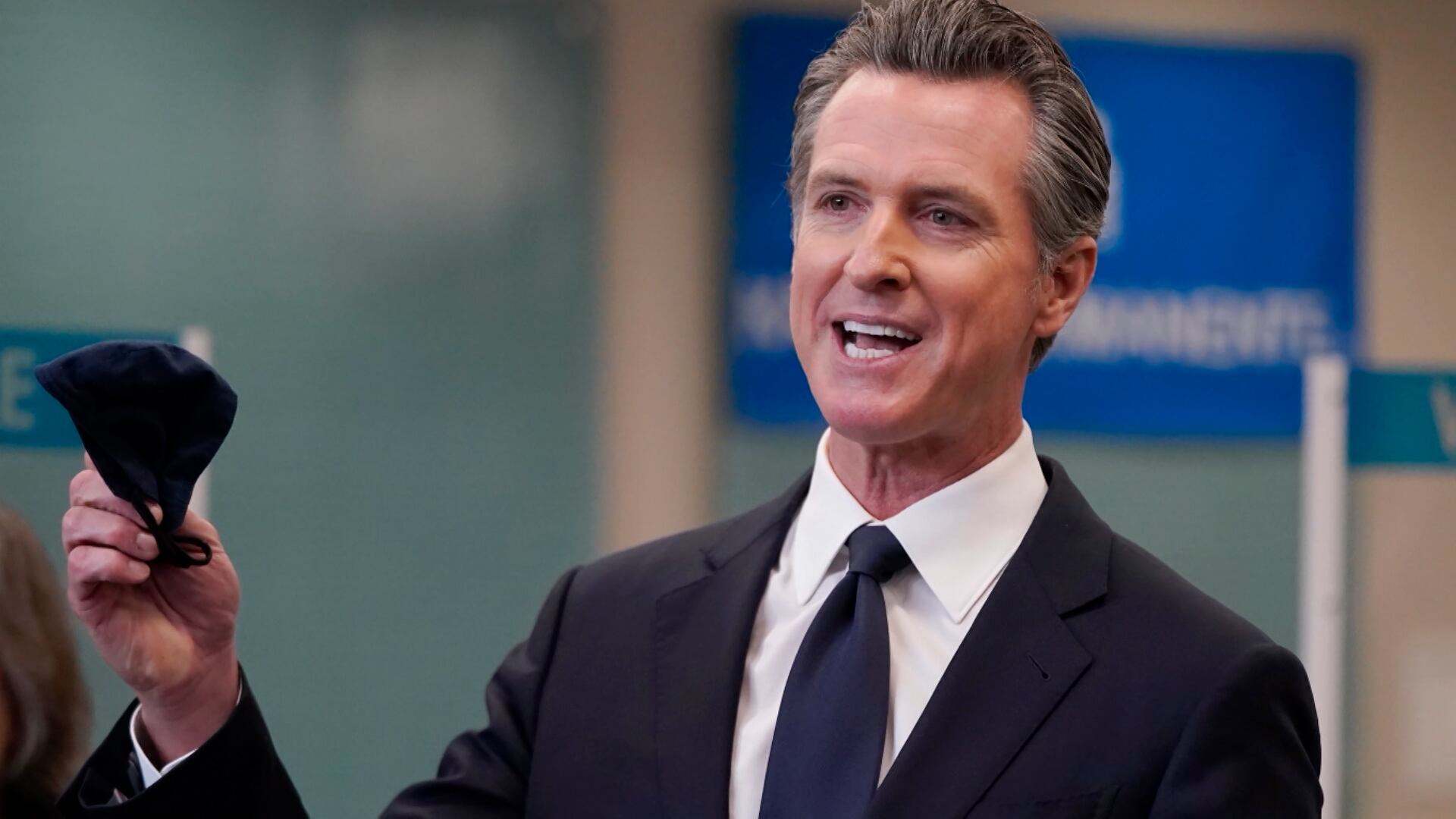
California Governor Gavin Newsom is projected to keep his job. Around two-thirds of the votes have been reported, and roughly 64% of those votes are in favor of keeping Newsom as their governor.
Daniel Strauss, senior political correspondent at The New Republic, joined Cheddar's Opening Bell to discuss more about what Newsom's win means to both political parties moving into Midterm elections season.
The Department of Justice is suing Texas over the state's new abortion law that prohibits abortions after six weeks, well before many women even know they're pregnant. The lawsuit argues the law is unconstitutional under long-standing Supreme Court precedent. It was filed last week in federal court in Texas, but could go all the way to the high court within weeks. Josh Blackman, a constitutional law professor at South Texas College of Law Houston, discusses the DOJ lawsuit and what it could mean for other abortion laws across the country.
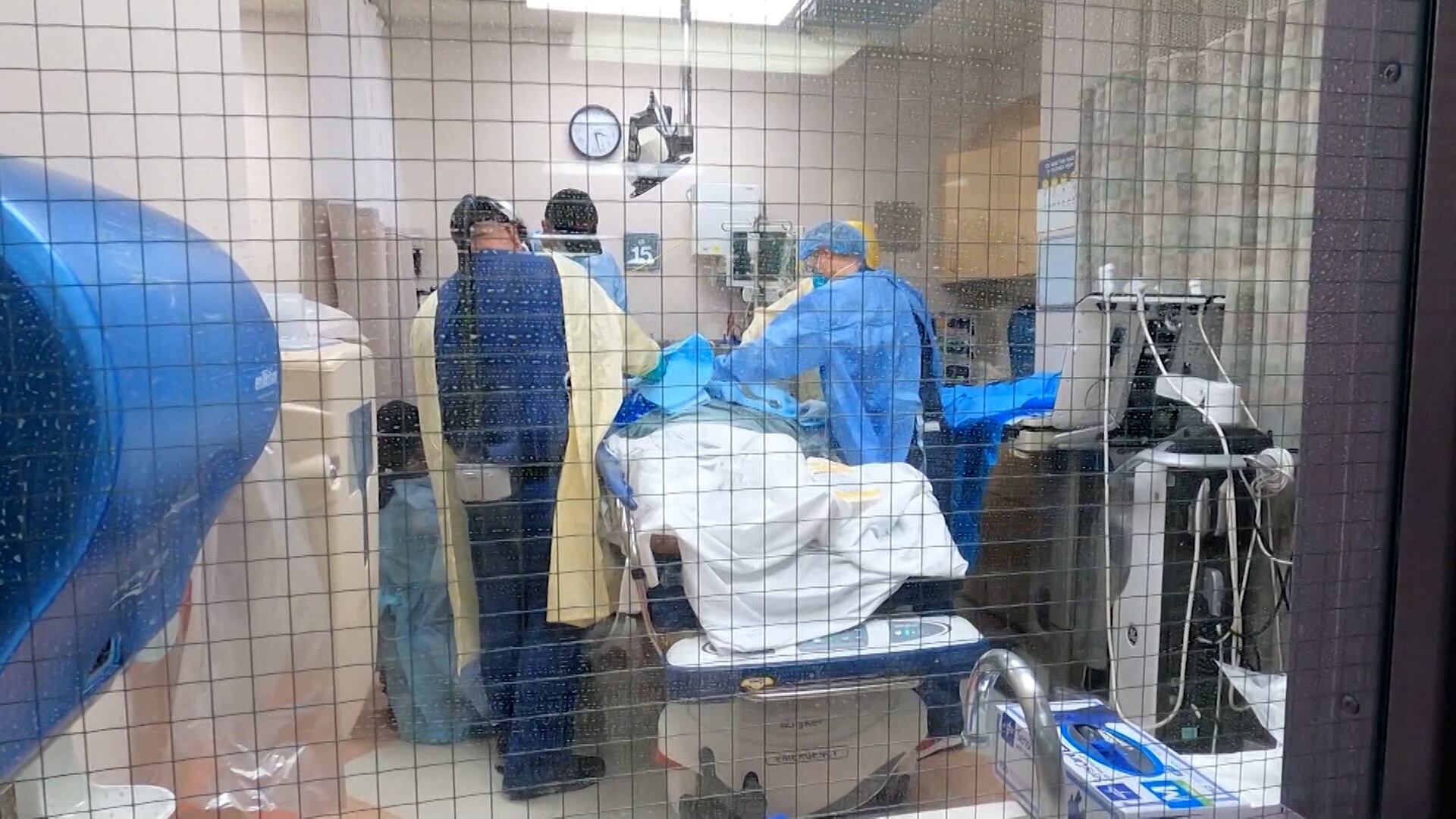
26 states have now fully vaccinated more than half of their population with Vermont, Connecticut, and Massachusetts fully vaccinating at least two-thirds of their residents. These three states are among the ones with the lowest new Covid-19 cases per capita, but in states with low vaccination rates, hospitals are filling up again.
Dr. Rob Davidson, ER doctor and executive director of Committee to Protect Health Care, joined Cheddar's Opening Bell to discuss more.
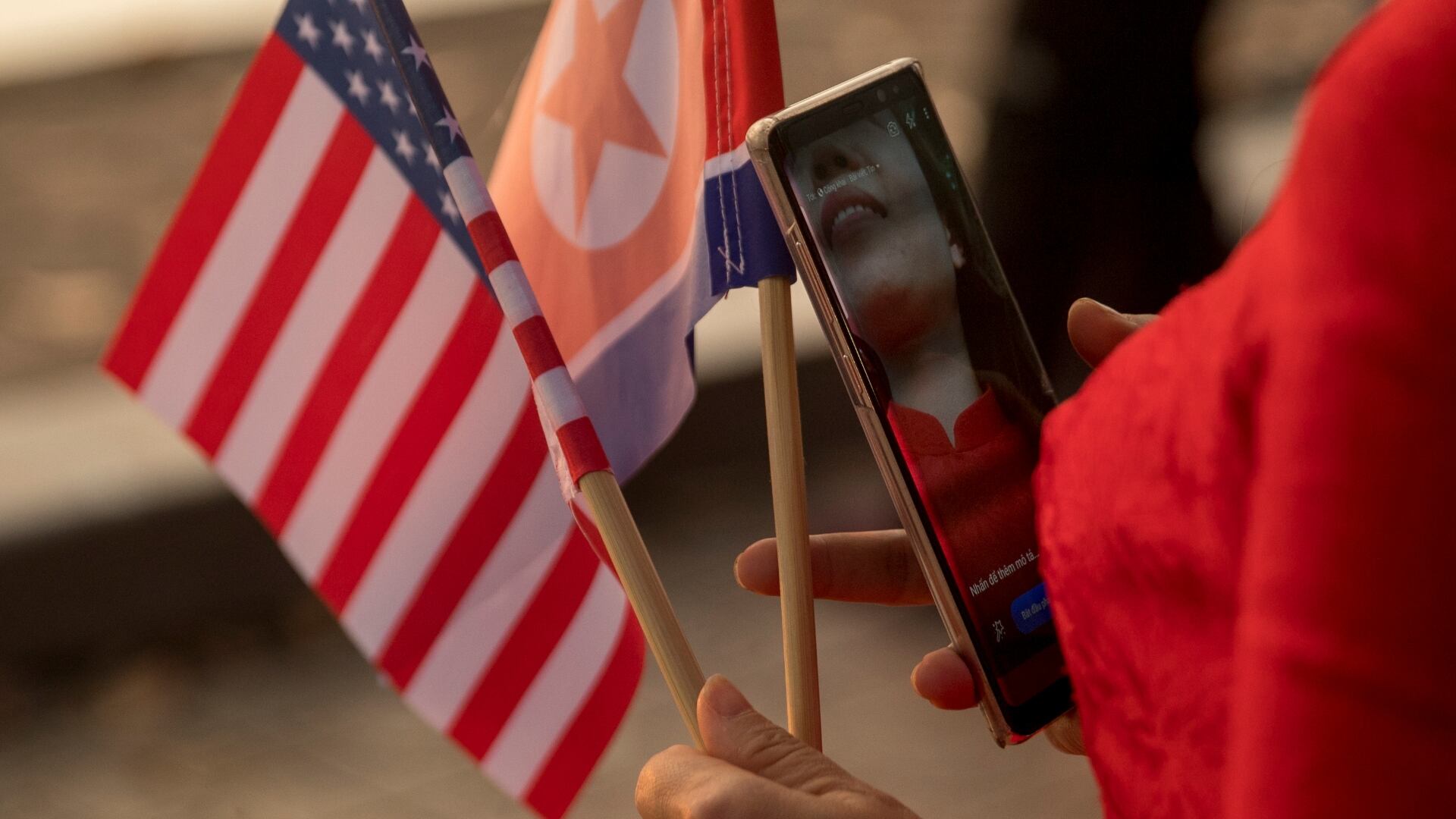
The Biden Administration has officially extended a ban on a Trump-era policy that prohibits traveling with a U.S. passport to North Korea. The extension is expected to last until August 2022. The ban was initially enforced after the death of Otto Warmbier, who entered a vegetative state while in North Korean custody. Advocates against the ban argue that it has caused crippling impacts on Korean Americans who have not been able to reunite with their families back home. Senior Fellow at The Foundation For Defense of Democracies Anthony Ruggiero joined Cheddar's News Wrap to discuss more.