As the great reopening debate continues, some state and local officials are not seeing eye to eye on when stay-at-home orders and business closures should end.
Atlanta Mayor Keisha Lance Bottoms is one such local official who is speaking out against Georgia Gov. Brian Kemp's plan to reopen businesses such as gyms, nail salons, barbershops, and bowling alleys this Friday, April 24.
"It doesn't make sense to me," Bottoms told Cheddar. "There's nothing essential about a bowling alley or a movie theater."
Bottoms, a Democrat, said that she had previously worked closely with the Republican governor.
"Governor Kemp and I have had a very good working relationship over the past couple of years, and we communicate regularly, but I was surprised along with a number of mayors," she said.
The mayor said Kemp did not consult her in the development of the plan or provide details on which businesses would be allowed to reopen. She also expressed disappointment that the governor did not provide flexibility to local governments to alter the plan based on local needs.
"We recognize that the economy is a huge consideration for people. My mother owned a small business, a hair salon, for many years. This would have been devastating to her. But I do know we need to be able to live to fight another day."
Bottoms said that Georgia is still seeing an uptick in cases, despite a steady flattening of the curve, and that the plan is coming prematurely.
"To the extent that we've had any success in our state, it's because we've been very aggressive in Atlanta and in surrounding metro cities to close down businesses and encourage people to stay home," she said.
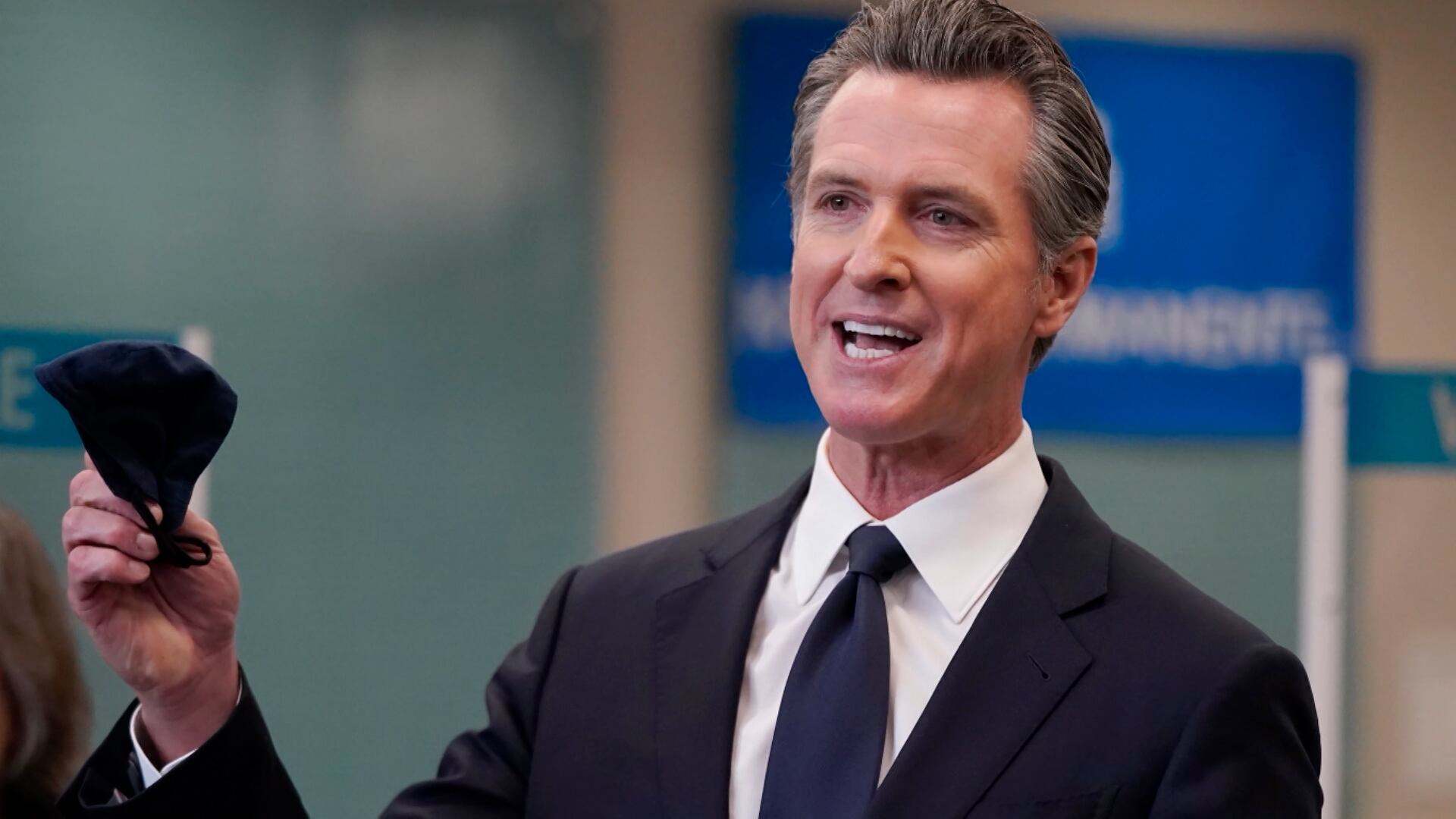
California Governor Gavin Newsom is projected to keep his job. Around two-thirds of the votes have been reported, and roughly 64% of those votes are in favor of keeping Newsom as their governor.
Daniel Strauss, senior political correspondent at The New Republic, joined Cheddar's Opening Bell to discuss more about what Newsom's win means to both political parties moving into Midterm elections season.
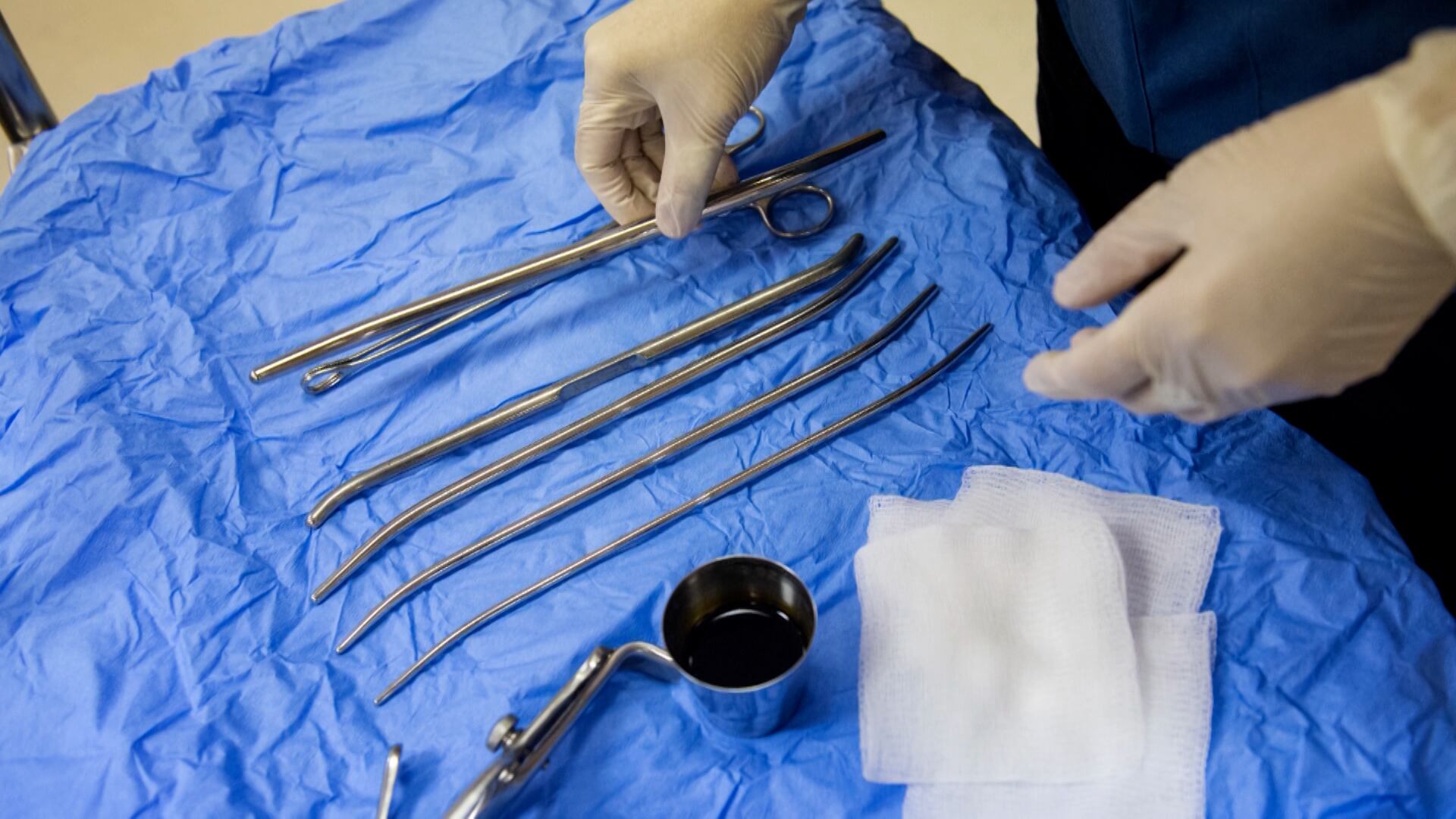
The Department of Justice is suing Texas over the state's new abortion law that prohibits abortions after six weeks, well before many women even know they're pregnant. The lawsuit argues the law is unconstitutional under long-standing Supreme Court precedent. It was filed last week in federal court in Texas, but could go all the way to the high court within weeks. Josh Blackman, a constitutional law professor at South Texas College of Law Houston, discusses the DOJ lawsuit and what it could mean for other abortion laws across the country.
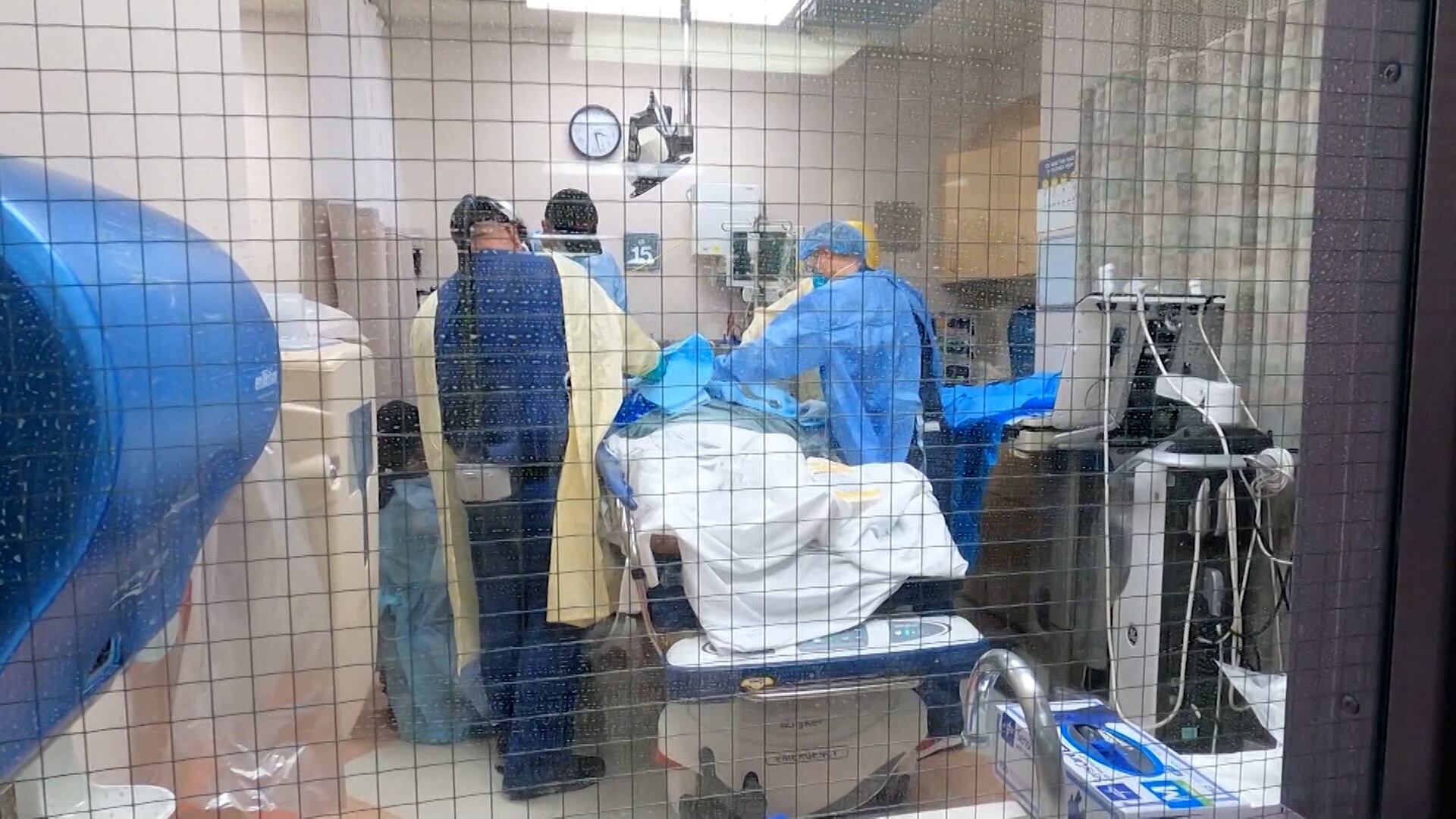
26 states have now fully vaccinated more than half of their population with Vermont, Connecticut, and Massachusetts fully vaccinating at least two-thirds of their residents. These three states are among the ones with the lowest new Covid-19 cases per capita, but in states with low vaccination rates, hospitals are filling up again.
Dr. Rob Davidson, ER doctor and executive director of Committee to Protect Health Care, joined Cheddar's Opening Bell to discuss more.
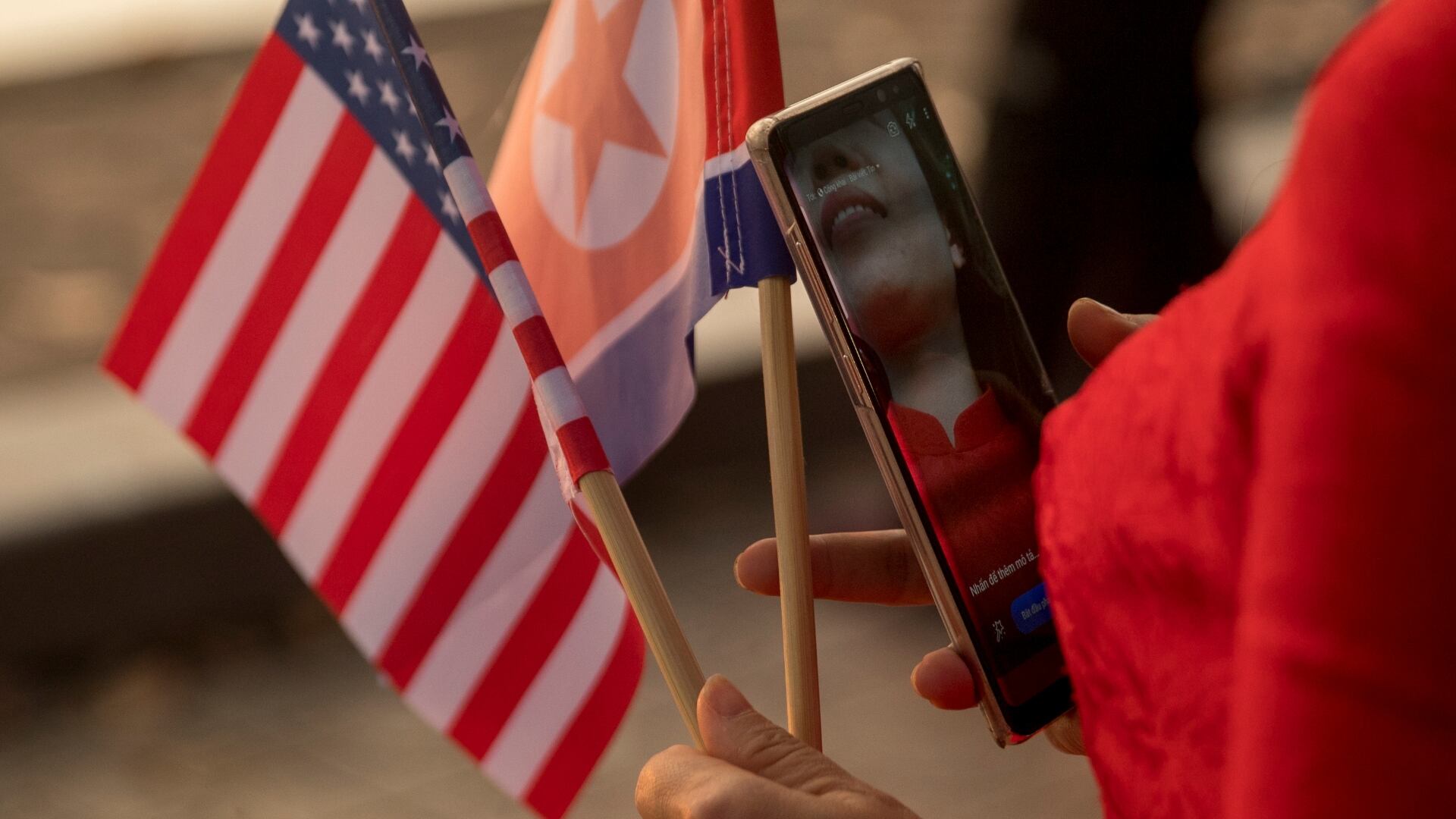
The Biden Administration has officially extended a ban on a Trump-era policy that prohibits traveling with a U.S. passport to North Korea. The extension is expected to last until August 2022. The ban was initially enforced after the death of Otto Warmbier, who entered a vegetative state while in North Korean custody. Advocates against the ban argue that it has caused crippling impacts on Korean Americans who have not been able to reunite with their families back home. Senior Fellow at The Foundation For Defense of Democracies Anthony Ruggiero joined Cheddar's News Wrap to discuss more.