AT&T won approval Tuesday of its $85 billion bid for Time Warner, a decision that could pave the way for more mega-deals in the media industry.
A U.S. judge ruled the Justice Department did not sufficiently show that a tie-up would stifle competition or harm consumers. He also tried to dissuade the government from appealing his decision.
The merger of the two companies, announced in October 2016, was closely watched by other media and telecom companies with ambitions to cross over.
Internet providers and cable distributors are looking for new revenue sources to compete with streaming content companies such as Netflix and Amazon.
But the government has been skeptical of the consolidation of content and delivery. The Justice Department sued to block AT&T's deal last November, citing concerns over the telecom company owning both DirecTV and Time Warner.
Tuesday's ruling in favor of AT&T could preclude similar arguments to block mergers down the road.
The cable TV giant Comcast said earlier this week it would submit an all-cash bid as early as Wednesday to buy assets from 21st Century Fox if the AT&T acquisition was approved.
Comcast's bid for Fox could upend Disney's offer, and send that company looking for another target.
Shares of Comcast, Disney, and AT&T were all down after the judge's ruling. Fox and Time Warner stock were rising.
An AT&T spokesman said the company is "gratified" by the decision. The deal is expected to close by June 20.
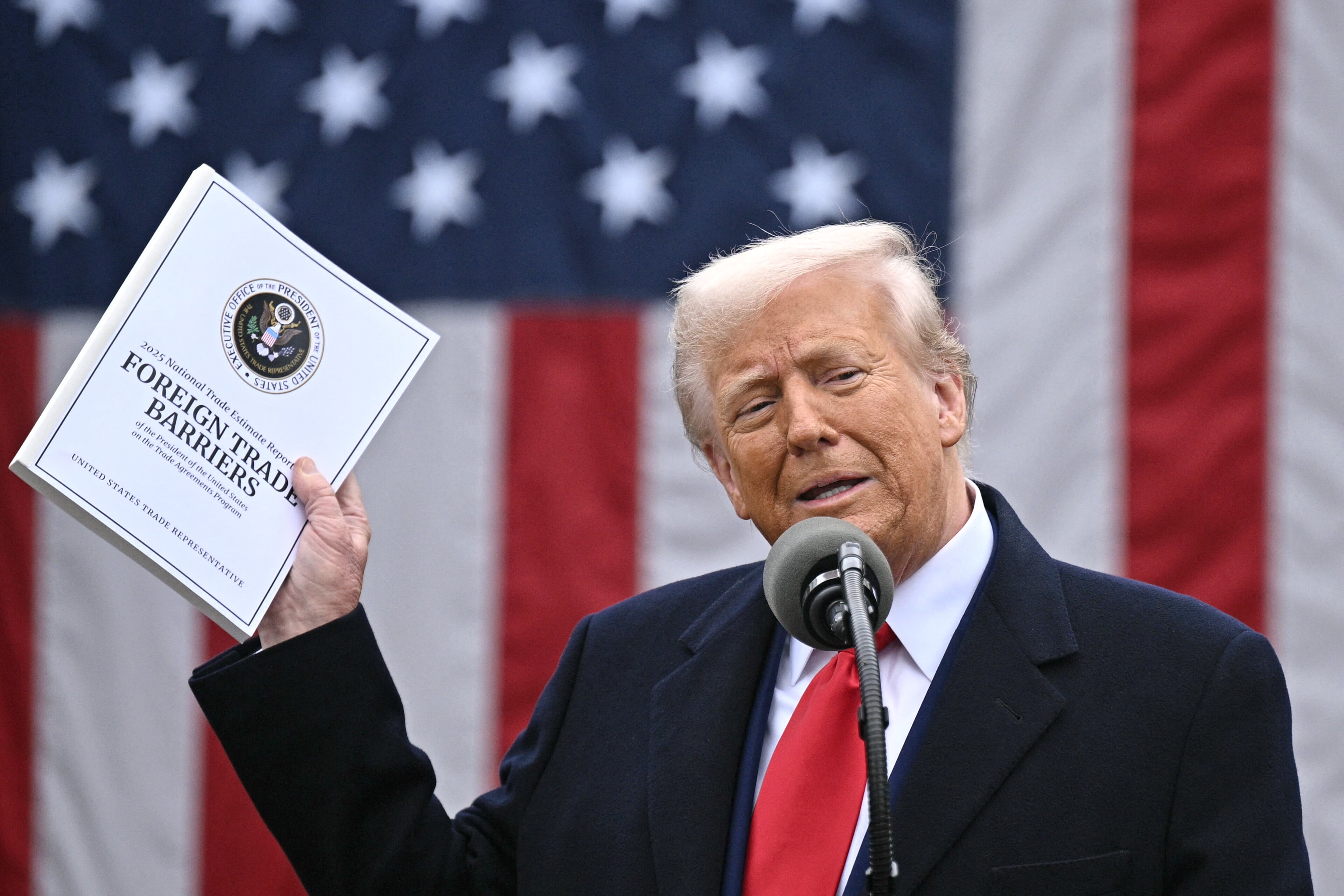
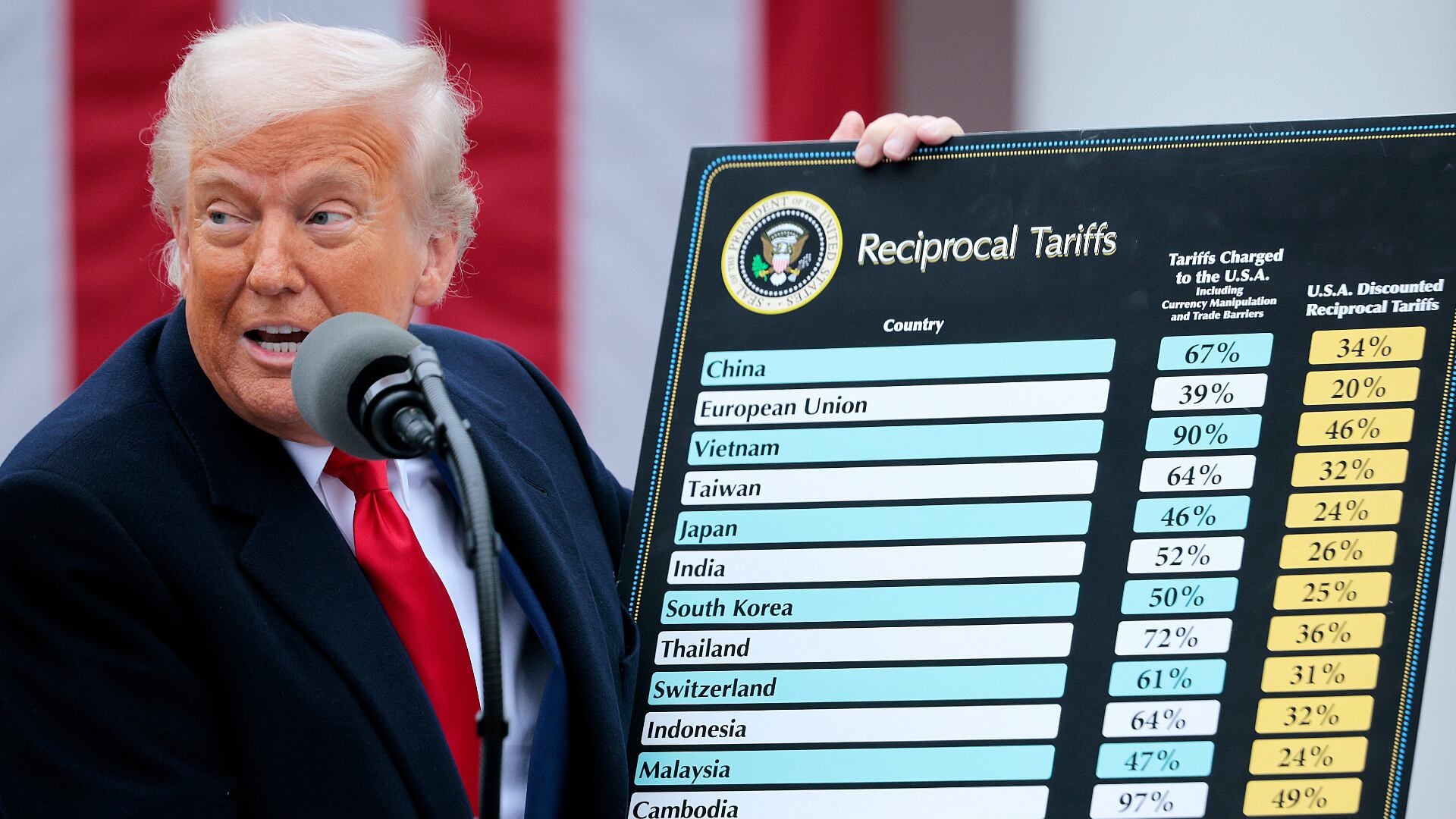
Jacob Sonenshine, Stock Pick Writer at Barron's, unpacks the current state of the markets, Trump's tariffs and if more volatility is on the way. Watch!
RedFin's Chen Zhao joins Cheddar to breakdown the current state of the housing market in the United States and what prospective homebuyers need to know. Watch!
That's what his former Commerce secretary says in this interview. Plus: IRS audits, TV news ratings, nasty insults, Minecraft, Prada, and the Panama Canal.
Jeremy Jansen, Head of Global Supply Chain and Trade Sales at Wells Fargo, helps us understand how trade will be affected by tariffs implemented by Trump.
Kory Kantenga, Head of Economics for the Americas at LinkedIn, talks the current state of the labor market and how it has evolved since the pandemic. Watch!