AT&T won approval Tuesday of its $85 billion bid for Time Warner, a decision that could pave the way for more mega-deals in the media industry.
A U.S. judge ruled the Justice Department did not sufficiently show that a tie-up would stifle competition or harm consumers. He also tried to dissuade the government from appealing his decision.
The merger of the two companies, announced in October 2016, was closely watched by other media and telecom companies with ambitions to cross over.
Internet providers and cable distributors are looking for new revenue sources to compete with streaming content companies such as Netflix and Amazon.
But the government has been skeptical of the consolidation of content and delivery. The Justice Department sued to block AT&T's deal last November, citing concerns over the telecom company owning both DirecTV and Time Warner.
Tuesday's ruling in favor of AT&T could preclude similar arguments to block mergers down the road.
The cable TV giant Comcast said earlier this week it would submit an all-cash bid as early as Wednesday to buy assets from 21st Century Fox if the AT&T acquisition was approved.
Comcast's bid for Fox could upend Disney's offer, and send that company looking for another target.
Shares of Comcast, Disney, and AT&T were all down after the judge's ruling. Fox and Time Warner stock were rising.
An AT&T spokesman said the company is "gratified" by the decision. The deal is expected to close by June 20.
The federal tax collector said Monday that roughly 940,000 people in the U.S. have until May 17 to submit tax returns for unclaimed refunds for tax year 2020, which total more than $1 billion nationwide.
Allies of Florida Gov. Ron DeSantis and Disney have reached a settlement agreement in a state court fight over how Walt Disney World is developed in the future.
Ahead of the WNBA season and in the midst of March Madness, New York Liberty CEO Keia Clarke discusses the team’s new deal with Barclays and bringing even more attention to women’s sports.
U.S. Nissan head Jérémie Papin joins from the New York International Auto Show to give a preview of what’s to come from the carmaker – including the 2025 Nissan Kicks.
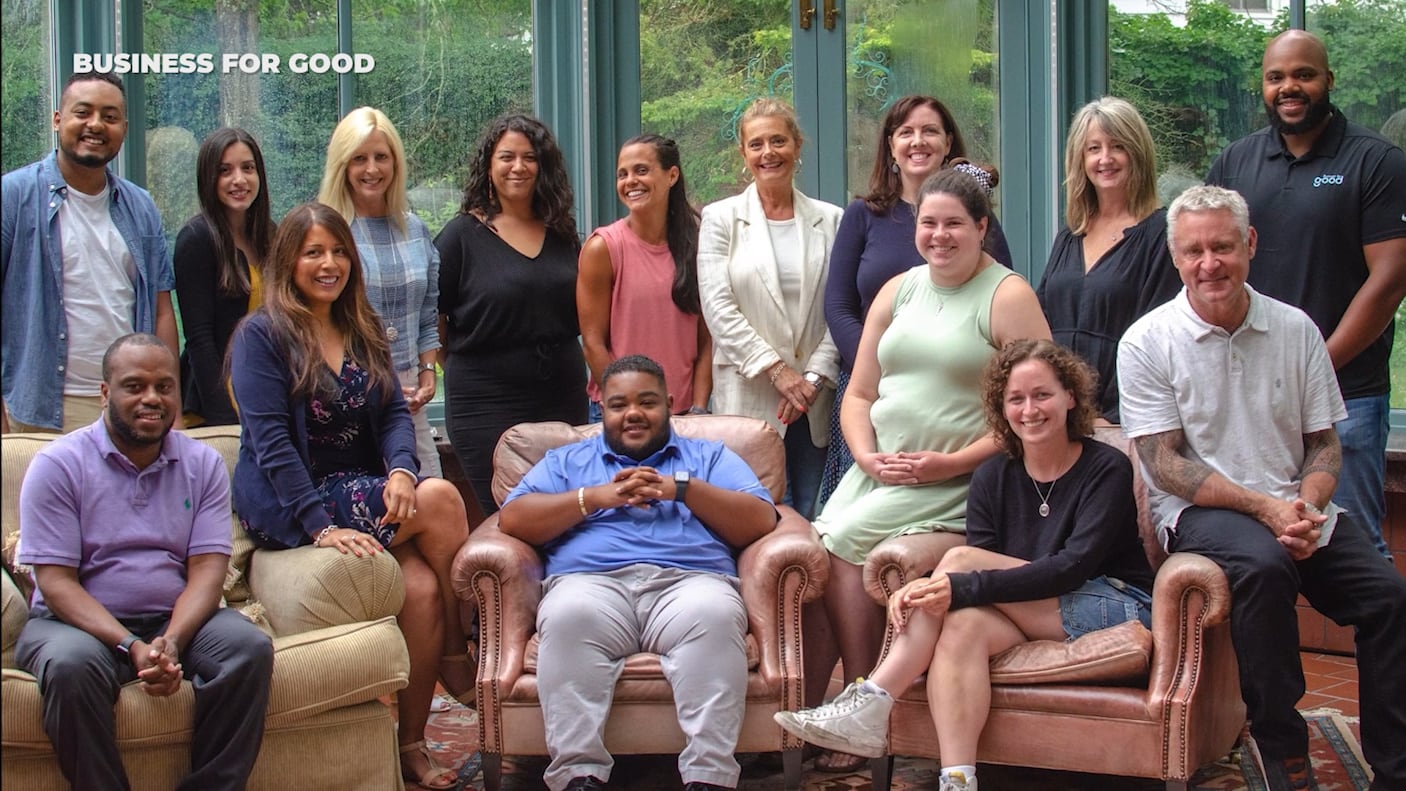
Ed Mitzen, the CEO of Business for Good, explains how and why he’s giving back by funding businesses from marginalized entrepreneurs to push social change.
Dana D’Auria, co-CIO at Envestnet, breaks down how she’s expecting markets to perform as ‘cracks’ from the rate hike cycle slowly filter into the economy.
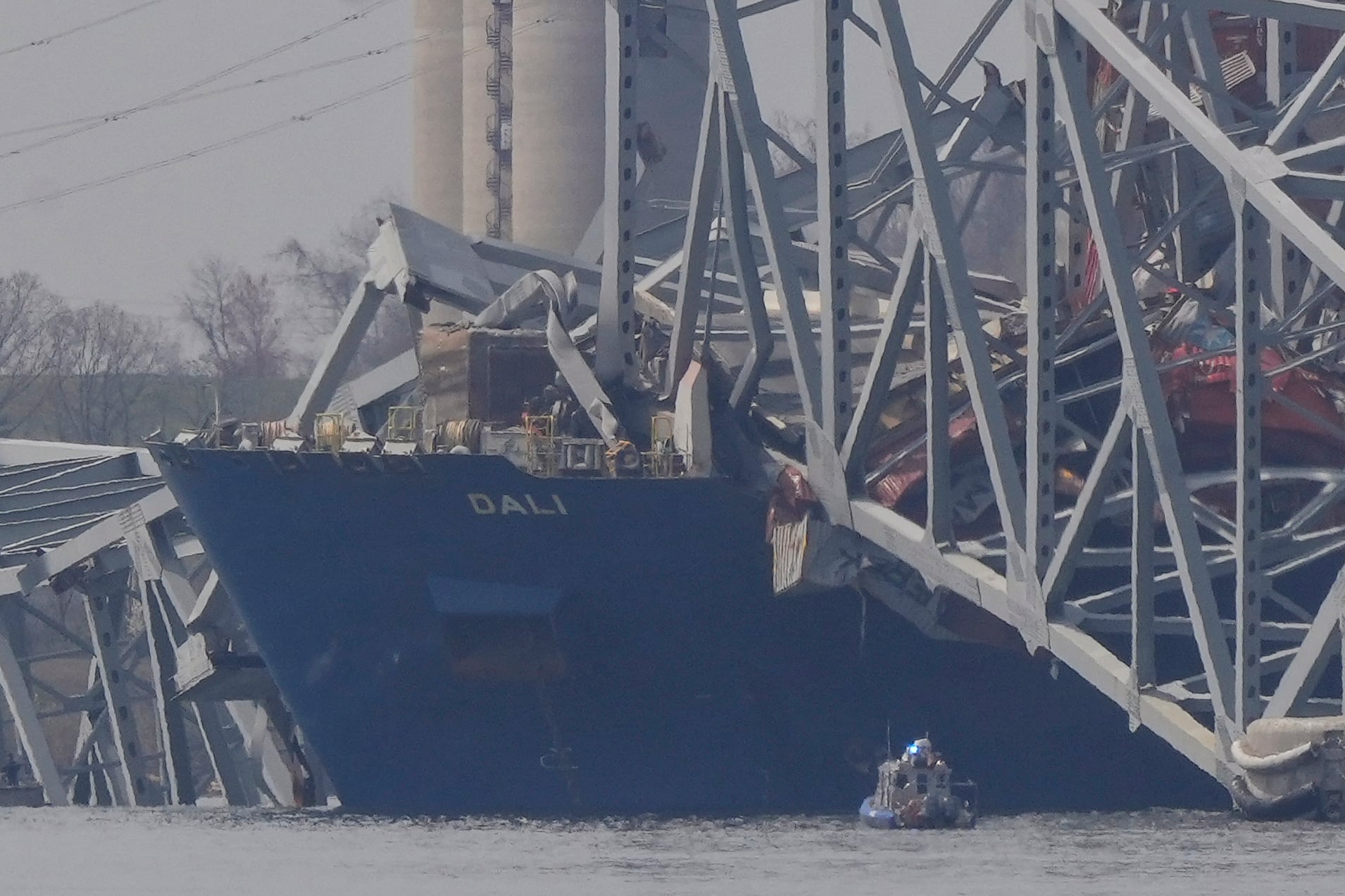
A large cargo ship lost power and issued a mayday call moments before it struck the Francis Scott Key Bridge early Tuesday, though it was still moving toward the span at a rapid speed.