AT&T won approval Tuesday of its $85 billion bid for Time Warner, a decision that could pave the way for more mega-deals in the media industry.
A U.S. judge ruled the Justice Department did not sufficiently show that a tie-up would stifle competition or harm consumers. He also tried to dissuade the government from appealing his decision.
The merger of the two companies, announced in October 2016, was closely watched by other media and telecom companies with ambitions to cross over.
Internet providers and cable distributors are looking for new revenue sources to compete with streaming content companies such as Netflix and Amazon.
But the government has been skeptical of the consolidation of content and delivery. The Justice Department sued to block AT&T's deal last November, citing concerns over the telecom company owning both DirecTV and Time Warner.
Tuesday's ruling in favor of AT&T could preclude similar arguments to block mergers down the road.
The cable TV giant Comcast said earlier this week it would submit an all-cash bid as early as Wednesday to buy assets from 21st Century Fox if the AT&T acquisition was approved.
Comcast's bid for Fox could upend Disney's offer, and send that company looking for another target.
Shares of Comcast, Disney, and AT&T were all down after the judge's ruling. Fox and Time Warner stock were rising.
An AT&T spokesman said the company is "gratified" by the decision. The deal is expected to close by June 20.
Quantum computing is moving from science fiction to national strategy. Infleqtion CEO Matt Kinsella explains Trump's new executive order and what it means.
Americans traveled in record numbers over July 4th despite rising costs. Skift's Sarah Kopit explains what it says about consumers, airfares, and summer travel.
The U.S. economy is being held up in part by the AI boom, but that boom could still lead to broader prosperity or inequality, says a Nobel Prize winner.
Foundation Robotics co-founder Michael LeBlanc explains how humanoid robots are moving from the lab to military and industrial missions and what comes next.
Jeff Burnstein, President of the Association for Advancing Automation (A3), discusses humanoid robots, AI, smart manufacturing, and the future of U.S. industry.
Should kids be banned from social media? Nick Lichtenberg of Fortune breaks down the global push to restrict under-16 users and what it means for Big Tech.
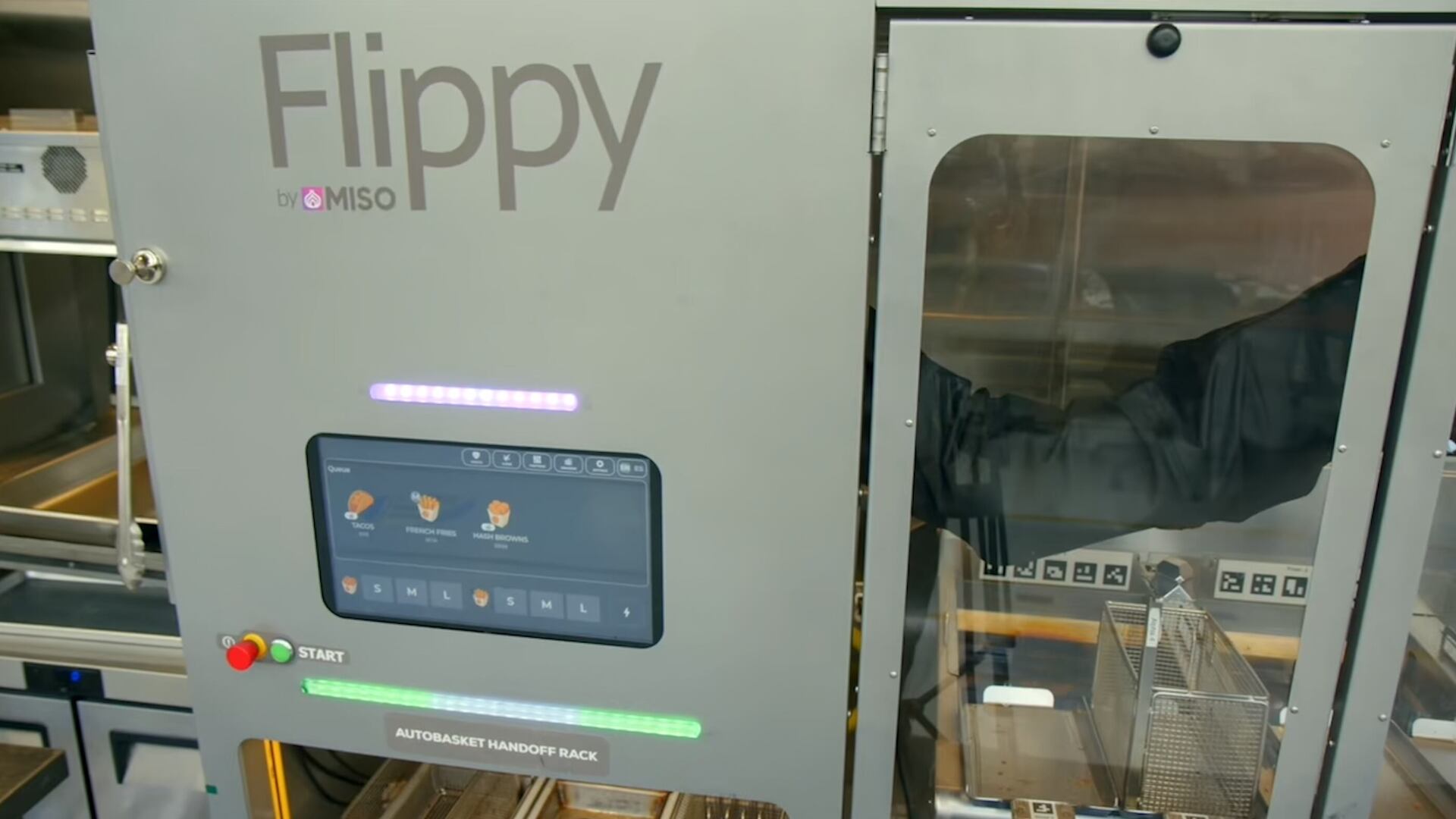
Miso Robotics CEO Rich Hull discusses Flippy Fry Station, the future of AI-powered restaurant automation and how acquiring Zume's IP could reshape food robotics