AT&T Merger Could Threaten Netflix's & Amazon's Competitive Edge
*By Alisha Haridasani*
AT&T's $85 billion takeover of Time Warner will disrupt traditional broadcast and upend internet streaming, fundamentally changing the way consumers watch TV, said Rich Greenfield, an analyst at BTIG.
With content from HBO, CNN, and Warner Bros., AT&T will launch a "skinny bundle" of 30 channels called AT&T Watch that will be free for all AT&T wireless subscribers, Greenfield said.
“That is going to be a really disruptive move by AT&T,” he added. “It’s going to be interesting to see how the other tech companies react to this.”
Streaming services Netflix, Hulu, and Amazon, which create original programming that reaches consumers directly via the internet, have broken the broadcast and cable TV stranglehold on content, putting pressure on subscription and TV advertising revenue.
“Roughly 20 percent of American households have cut the cord, discontinuing traditional MVPD services,” U.S. District Judge Richard Leon wrote in his [opinion](http://www.dcd.uscourts.gov/sites/dcd/files/17-2511opinion.pdf) approving the AT&T bid. “That number, high as it is, continues to grow.”
The AT&T-Time Warner merger, which is expected to be completed next week, sets the stage for more vertical integrations between content creators and distributors. Comcast is expected to make another [bid](https://cheddar.com/videos/rich-greenfield-murdoch-no-longer-set-on-selling-to-disney-for-stock) for 21st Century Fox’s assets as early as Wednesday in an effort to wrestle it away from Disney. If Comcast is successful, it would marry Fox’s Hollywood studio and its British broadcaster Sky with Comcast's NBC Universal.
Comcast may partner up with other companies to make that offer more attractive for Fox chairman Rupert Murdoch, said Greenfield.
“In order to really beat Disney, they sort of need a stronger balance sheet,” he said.
For the full interview, [click here](https://cheddar.com/videos/why-at-and-ts-victory-is-monumental).
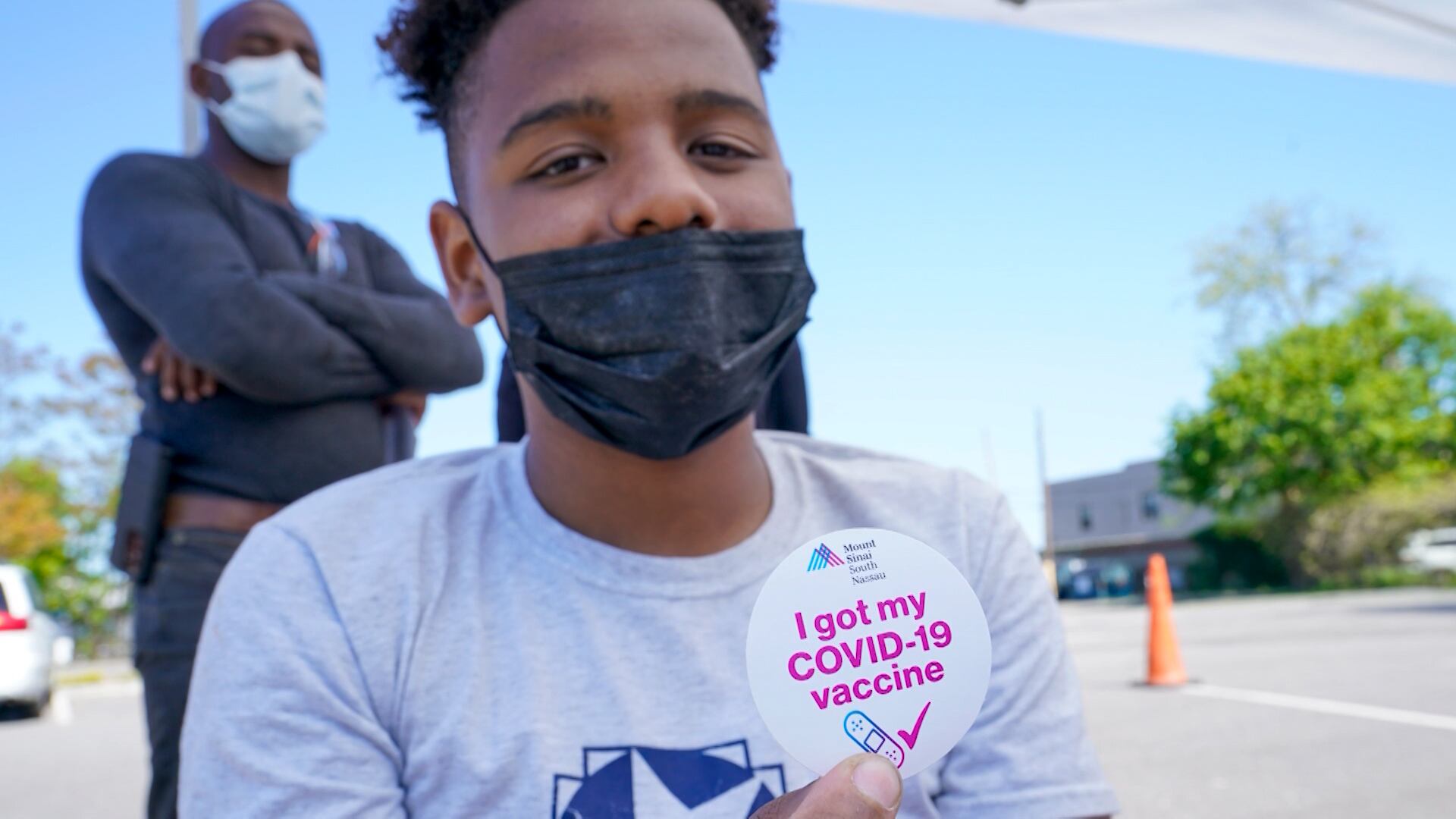
The world hit a grim milestone on Monday, with COVID-19 cases surpassing a quarter of a billion worldwide. As cases increase, the fight to beat the virus continues as well, with a number of medical breakthroughs coming out over the last few months in the form of pills from Pfizer and Merck. Regeneron is now the latest company to join the fight, recently releasing new data on a covid antibody cocktail. Professor Peter Pitts, former FDA Associate Commissioner and the founder of the Center for Medicine in the Public Interest breaks down the differences between the 3 treatments and why vaccines are still among the fire line of defense.
Doug Astrop, managing partner at Exponential Investment Partners, joined Cheddar to discuss Peloton's precipitous price drop, and whether the company can recover as the at-home workout trend tapers off. "They've lowered the prices on their equipment to try to attract a bigger audience because ultimately they're sort of headed to this Apple ecosystem model where they can monetize a loyal customer base," he said. Astrop noted that he believes there is a reality where the in-person gym experience and Peloton's at-home programs can co-exist.
Bill Stone, Chief Investment Officer at Glenview Trust Company, joined Wake Up With Cheddar to break down markets headlines ahead of the start of the trading week.
Jill and Carlo discuss the scenes of joy at American airports as borders reopen, another tool in the Covid toolbox, the latest in the Astroworld crowd crush tragedy and more.
Next week will see several different events that will likely weigh on the markets. Cheddar News' Closing Bell dives in, from the continuation of third-quarter earnings season to Rivian's IPO and a 're-IPO' from Hertz, along with more inflation data.
Frank Lee, Managing Director at Miracle Mile Advisors, joins Cheddar News' Closing Bell, where he explains why markets are soaring after the Dow, S&P, Nasdaq, and the Russell 2000 all reached new record closes to begin the trading week.
Amid an ongoing labor shortage, more companies are turning to automation for processes like shipping and delivery in order to relieve supply chain pressures. But what does this mean for the wider labor market - will those jobs return? How will workers fare once supply chain issues ease? Sam Lurye, CEO and Founder of automation startup Kargo, joins Cheddar News' Closing Bell to discuss the pros and cons of automation, how workers can adapt alongside new technology, and how the pandemic led to the perfect storm for the rise of automation.