AT&T Merger Could Threaten Netflix's & Amazon's Competitive Edge
*By Alisha Haridasani*
AT&T's $85 billion takeover of Time Warner will disrupt traditional broadcast and upend internet streaming, fundamentally changing the way consumers watch TV, said Rich Greenfield, an analyst at BTIG.
With content from HBO, CNN, and Warner Bros., AT&T will launch a "skinny bundle" of 30 channels called AT&T Watch that will be free for all AT&T wireless subscribers, Greenfield said.
“That is going to be a really disruptive move by AT&T,” he added. “It’s going to be interesting to see how the other tech companies react to this.”
Streaming services Netflix, Hulu, and Amazon, which create original programming that reaches consumers directly via the internet, have broken the broadcast and cable TV stranglehold on content, putting pressure on subscription and TV advertising revenue.
“Roughly 20 percent of American households have cut the cord, discontinuing traditional MVPD services,” U.S. District Judge Richard Leon wrote in his [opinion](http://www.dcd.uscourts.gov/sites/dcd/files/17-2511opinion.pdf) approving the AT&T bid. “That number, high as it is, continues to grow.”
The AT&T-Time Warner merger, which is expected to be completed next week, sets the stage for more vertical integrations between content creators and distributors. Comcast is expected to make another [bid](https://cheddar.com/videos/rich-greenfield-murdoch-no-longer-set-on-selling-to-disney-for-stock) for 21st Century Fox’s assets as early as Wednesday in an effort to wrestle it away from Disney. If Comcast is successful, it would marry Fox’s Hollywood studio and its British broadcaster Sky with Comcast's NBC Universal.
Comcast may partner up with other companies to make that offer more attractive for Fox chairman Rupert Murdoch, said Greenfield.
“In order to really beat Disney, they sort of need a stronger balance sheet,” he said.
For the full interview, [click here](https://cheddar.com/videos/why-at-and-ts-victory-is-monumental).
Cheddar is looking back at the 12 biggest buzzwords of the year leading up to Christmas. The seventh term in the countdown is Transitory. Definition: (adjective) of brief gratification, not permanent.
More businesses are requiring workers to return to the office, but there is concern that many employees in the middle class, especially women and people of color, need remote work options for reasons including childcare and financial security. Joan Williams, director of the Center for WorkLife Law at the University of California, joined Cheddar to discuss why office mandates could be detrimental to the middle class. She noted that while companies claim a return to offices would help foster more collaboration and efficiency, reports show that they are successfully able to do their jobs from home.
Fresh Vine Wine, a maker of low-carb, low-calorie, and gluten-free wines, made its public debut on the NYSE. Celeb do-owners Nina Dobrev and Julianne Hough, alongside CEO Janelle Anderson, joined Cheddar's Azia Celestino to talk about their partnership, the decision to launch an IPO, and tout the healthy lifestyle market their product is going for.
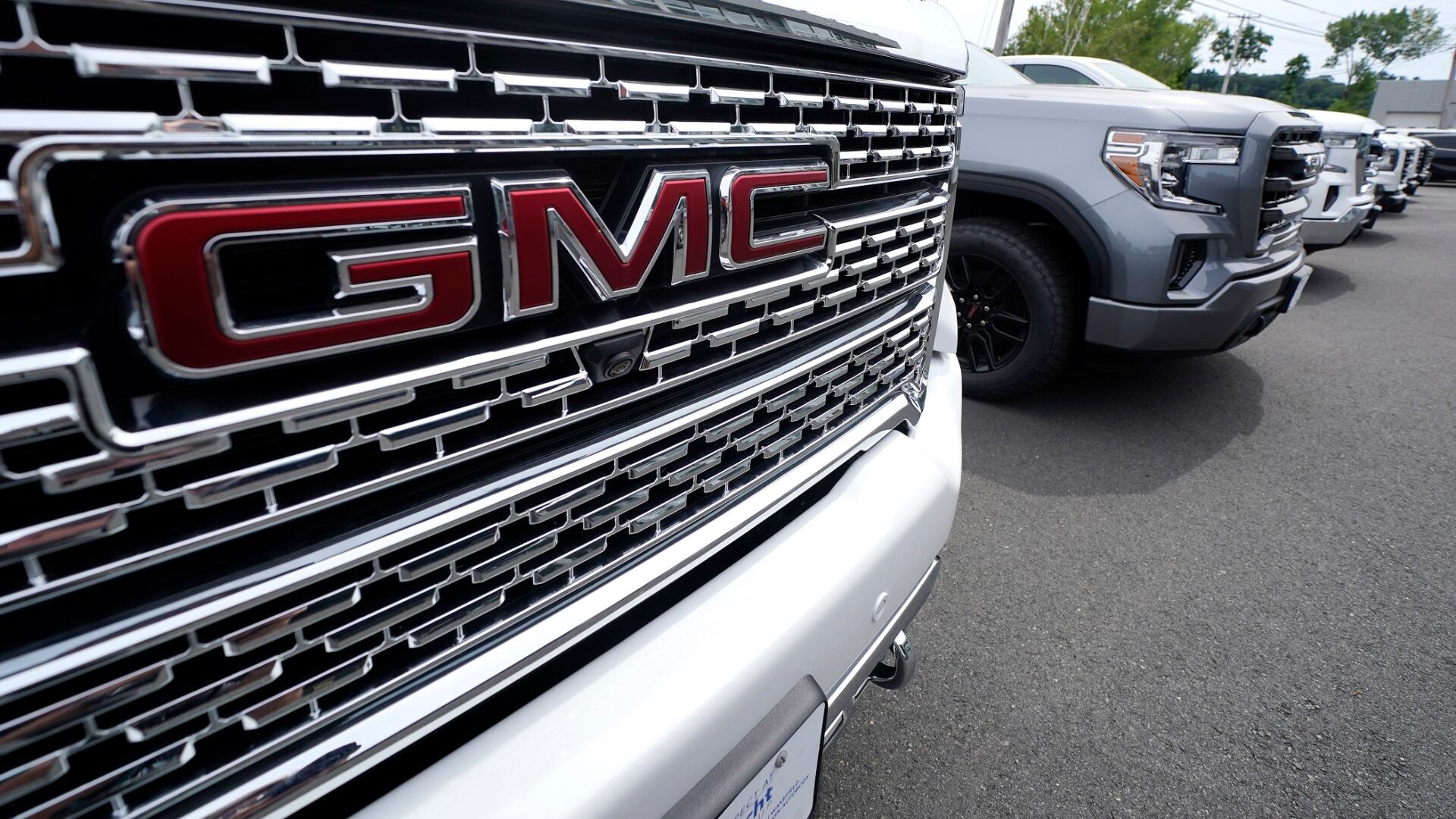
The automotive industry continues to reel as the ongoing global semiconductor chip shortage continues to cause prices to rise. Ben Preston, autos reporter for Consumer Reports, joined Cheddar to discuss the state of the car industry. "I think that right now is a terrible time to buy a new car because dealership lots are looking a bit thin," Preston said. He noted that once manufacturers had initially halted production due to the pandemic, chip companies shifted toward providing service to tech companies, leading to supply constraints as every new car built needs about 30 to 100 chips in its construction.
Erica Pandey, business reporter at Axios joins Cheddar News to discuss if companies should give up on trying to bring employees back to work in-person.