AT&T Merger Could Threaten Netflix's & Amazon's Competitive Edge
*By Alisha Haridasani*
AT&T's $85 billion takeover of Time Warner will disrupt traditional broadcast and upend internet streaming, fundamentally changing the way consumers watch TV, said Rich Greenfield, an analyst at BTIG.
With content from HBO, CNN, and Warner Bros., AT&T will launch a "skinny bundle" of 30 channels called AT&T Watch that will be free for all AT&T wireless subscribers, Greenfield said.
“That is going to be a really disruptive move by AT&T,” he added. “It’s going to be interesting to see how the other tech companies react to this.”
Streaming services Netflix, Hulu, and Amazon, which create original programming that reaches consumers directly via the internet, have broken the broadcast and cable TV stranglehold on content, putting pressure on subscription and TV advertising revenue.
“Roughly 20 percent of American households have cut the cord, discontinuing traditional MVPD services,” U.S. District Judge Richard Leon wrote in his [opinion](http://www.dcd.uscourts.gov/sites/dcd/files/17-2511opinion.pdf) approving the AT&T bid. “That number, high as it is, continues to grow.”
The AT&T-Time Warner merger, which is expected to be completed next week, sets the stage for more vertical integrations between content creators and distributors. Comcast is expected to make another [bid](https://cheddar.com/videos/rich-greenfield-murdoch-no-longer-set-on-selling-to-disney-for-stock) for 21st Century Fox’s assets as early as Wednesday in an effort to wrestle it away from Disney. If Comcast is successful, it would marry Fox’s Hollywood studio and its British broadcaster Sky with Comcast's NBC Universal.
Comcast may partner up with other companies to make that offer more attractive for Fox chairman Rupert Murdoch, said Greenfield.
“In order to really beat Disney, they sort of need a stronger balance sheet,” he said.
For the full interview, [click here](https://cheddar.com/videos/why-at-and-ts-victory-is-monumental).
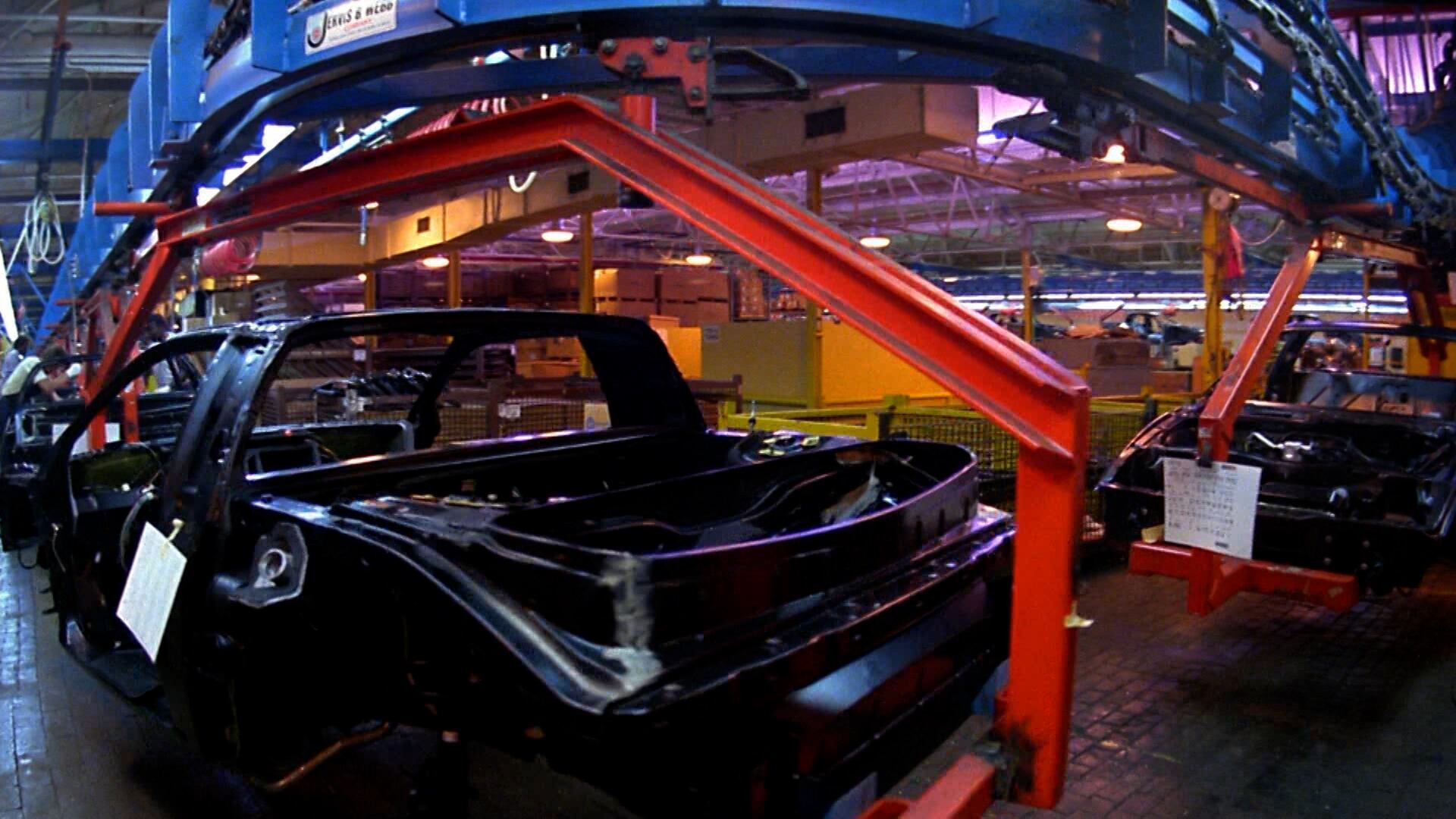
The global chip shortage continues to weigh on the automotive industry. For example, Ford says it is suspending or cutting production at eight of its factories in North America through next week due to the shortage. Balu Balakrishnan, President and CEO of Power Integrations, joins Cheddar News' Closing Bell, where he elaborates on why the chip shortage has dragged into 2022.
Peloton has weathered a seemingly never-ending storm the past few months: PR blunders, sinking customer demand, and in recent weeks, reported cost-cutting and potential layoffs. Now, several companies are said to be in the mix as potential buyers: Amazon, Netflix, Disney, and Apple. How likely is it that one of these companies pursues a deal — and how likely is it that it will be Apple who buys Peloton? Dan Ives, Managing Director of Equity Research at Wedbush Securities, joins Closing Bell to discuss his thoughts about Apple pursuing a Peloton takeover,
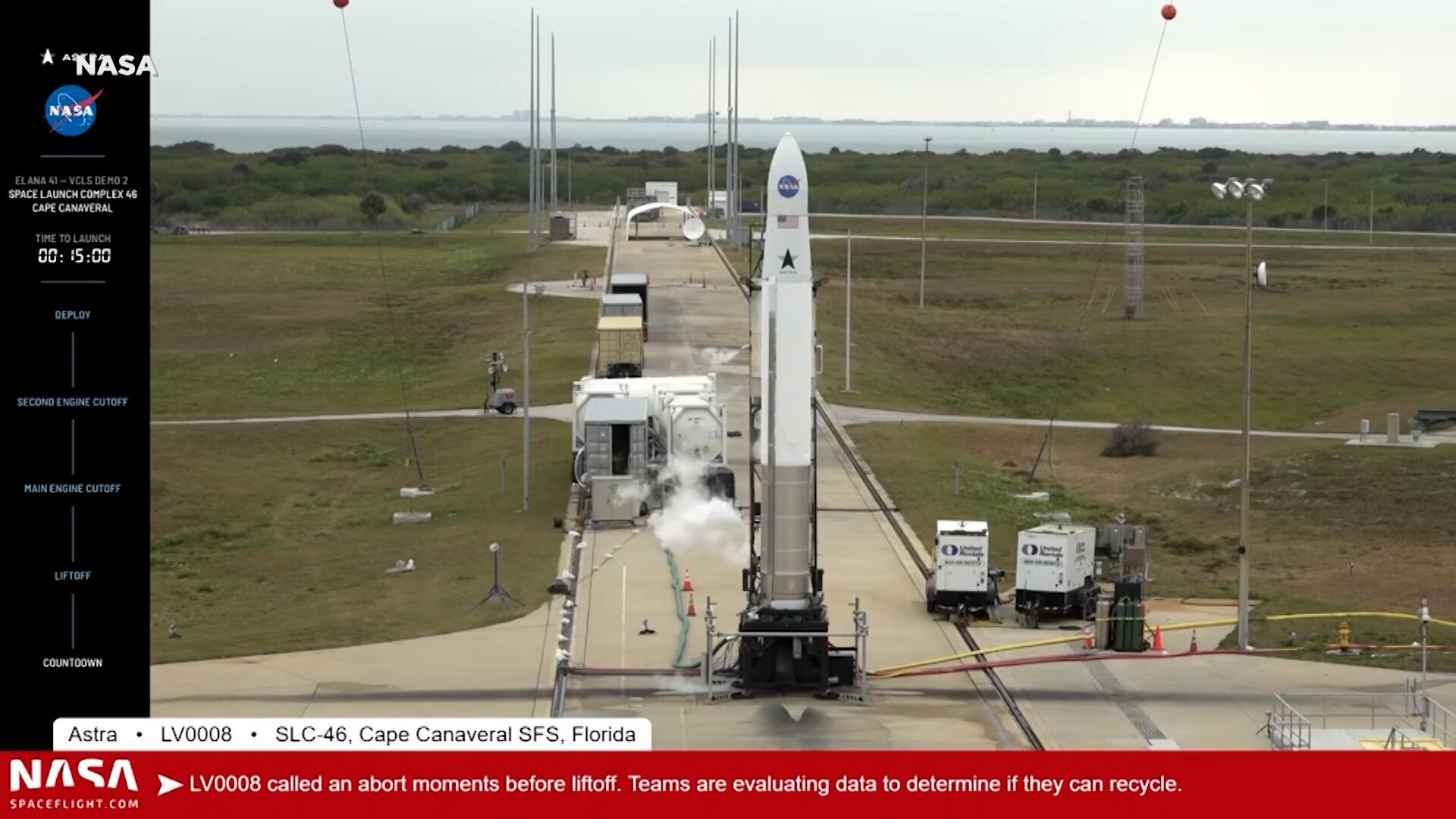
Astra aborted the launch for NASA ELaNa 41 Mission out of Cape Canaveral on Monday due to what was described as a minor issue, but the company's stock fell nearly 14 percent following the news. Jim Cantrell, CEO and co-founder of Phantom Space, which builds and launches spacecraft of its own, joined Cheddar to discuss the scrubbed mission. “The last thing you want is for this to go wrong, you're better to err on the side of safety expectations,” Cantrell explained, noting that the mission delay was a normal event.
Dating app Bumble announced its first acquisition, expanding into Europe by picking up Fruitz, a French Platform. The Fruitz app allows its users to convey dating preferences through fruit metaphors.
Meat production giant Tyson Foods reported a beat on its Q1 earnings. In spite of obstacles posed by supply chain issues and inflation, the company exceeded expectations on earnings per share and revenue.
TC BioPharm, a biopharmaceutical company focused on developing cell therapy products targeting, went public on the Nasdaq in January. CEO Bryan Kobel joined Cheddar to talk about the company's IPO launch, its cancer-fighting therapeutics tech, and its potential for using its research to treat COVID-19. "The opportunity here for us is to really get safety data and covid and expand into other areas," Kobel said. "So from COVID, where we hope to treat patients, hopefully maybe the elderly population, populations that that really can't handle the antivirals because they're too hard in the system, well then we'll expand out into maybe severe influenza Ebola, other viral and viral infections where we think we can be helpful."