AT&T Looks to Expand 5G Reach, Though Concerns Remain
*By Conor White*
The race to build vast 5G networks may bring the promise of faster internet speeds and greater connectivity, but it's also sparked some controversy.
One source of complaint: those who shout "NIMBY", or Not in My Backyardーresidents who fear that their towns and lives will be disrupted as such vast infrastructures get built.
Melissa Arnoldi, president of technology and operations for AT&T, told Cheddar that those concerns can be assuaged. She pointed to an upcoming project in San Jose, Calif.ーwhere the company partnered with the city to ensure a smooth, safe transitionーas an example.
"We \[said\], 'Look, we will make sure that the equipment we deploy meets their standards, we will make sure it's not obtrusive to the consumers, and that it's deployed in a very safe way.'"
The San Jose agreement follows similar protests in the state. Residents of Piedmont, Calif., have been [fighting against] (https://sanfrancisco.cbslocal.com/2018/01/25/consumerwatch-5g-cellphone-towers-signal-renewed-concerns-over-impacts-on-health/) new cell towers for months, citing health concerns.
But locals aren't the only ones raising issue. Recent reports suggest that 5G could create a Wi-Fi gap, favoring those in urban cities over people who live in rural areas. [According to the FCC](https://www.axios.com/5g-digital-divide-19b70d34-4978-44df-a1cb-ae9222d113ef.html), 31 percent of rural Americans still don't have fixed broadband service, compared to just 2 percent of city residents, and some fear that divide could get worse with new technology.
But AT&T said in a [press release](http://about.att.com/story/5g_to_launch_in_more_us_cities_in_2018.html) last week that a greater 5G presence will actually bridge that disparity. Expanding to cities like Charlotte and Raleigh, NC, and Oklahoma City by the end of 2018 is one way the company hopes to do that.
The wireless giant's push for 5G only intensified after AT&T's acquisition of Time Warner, now known as WarnerMedia, in June.
"One of the key case uses for 5G will be 4K and 8K," explained Arnoldi. "So when you think about transmitting, for example, we did a trial with the U.S. Open on 4K, where we could actually help them broadcast signalsーlive broadcastsーwithout any wires."
John Stankey, CEO of WarnerMedia, has already promised the company will be aggressive in delivering new content to consumers, a necessary move in light of reports that rival Verizon is negotiating with Apple and Google to stream live TV. Verizon is also plotting its own 5G expansion around the country, signifying the rising tide of competition.
Arnoldi said she's optimisticーand excitedーabout the company's future.
"I think if you look at the content we have access to from a WarnerMedia perspective and the technology that AT&T Communications has, I think we're going to have a lot of exciting use cases in the future."
For full interview, [click here] (https://cms.cheddar.com/videos/VmlkZW8tMjEwOTg=).
Identity verification startup Socure recently raised $450 million dollars in a series E round, bringing the company's valuation to $4.5 billion. Socure says it is now the highest-valued private company in the identity verification space, and that the funds will be used to accelerate its mission to verify 100% of good identities and eliminate identity fraud across all industries. Socure Founder and CEO Johnny Ayers joins Cheddar News' Closing Bell to discuss.
With more companies offering employees flexibility in work schedules, Airbnb is looking to accommodate flexible travel plans. Chief Strategy Officer Nathan Blecharczyk joined Cheddar to discuss the growing trend of people staying in Airbnbs for longer periods of time. "In December over the holidays, in North America, we are seeing a 68 percent increase in the demand for month-long stays relative to years past," he said.
Coinbase reported third quarter earnings yesterday and revenue did not at all meet estimates, with the company saying that it also saw a staggering decrease of about 1.4 million customers in comparison to the previous quarter. This comes in the same week where bitcoin and ethereum, two of its most important digital assets hit record highs. Martin Gaspar, research analyst at CrossTower explains how a soft crypto trading quarter contributed to the less-than-ideal revenue outcome.
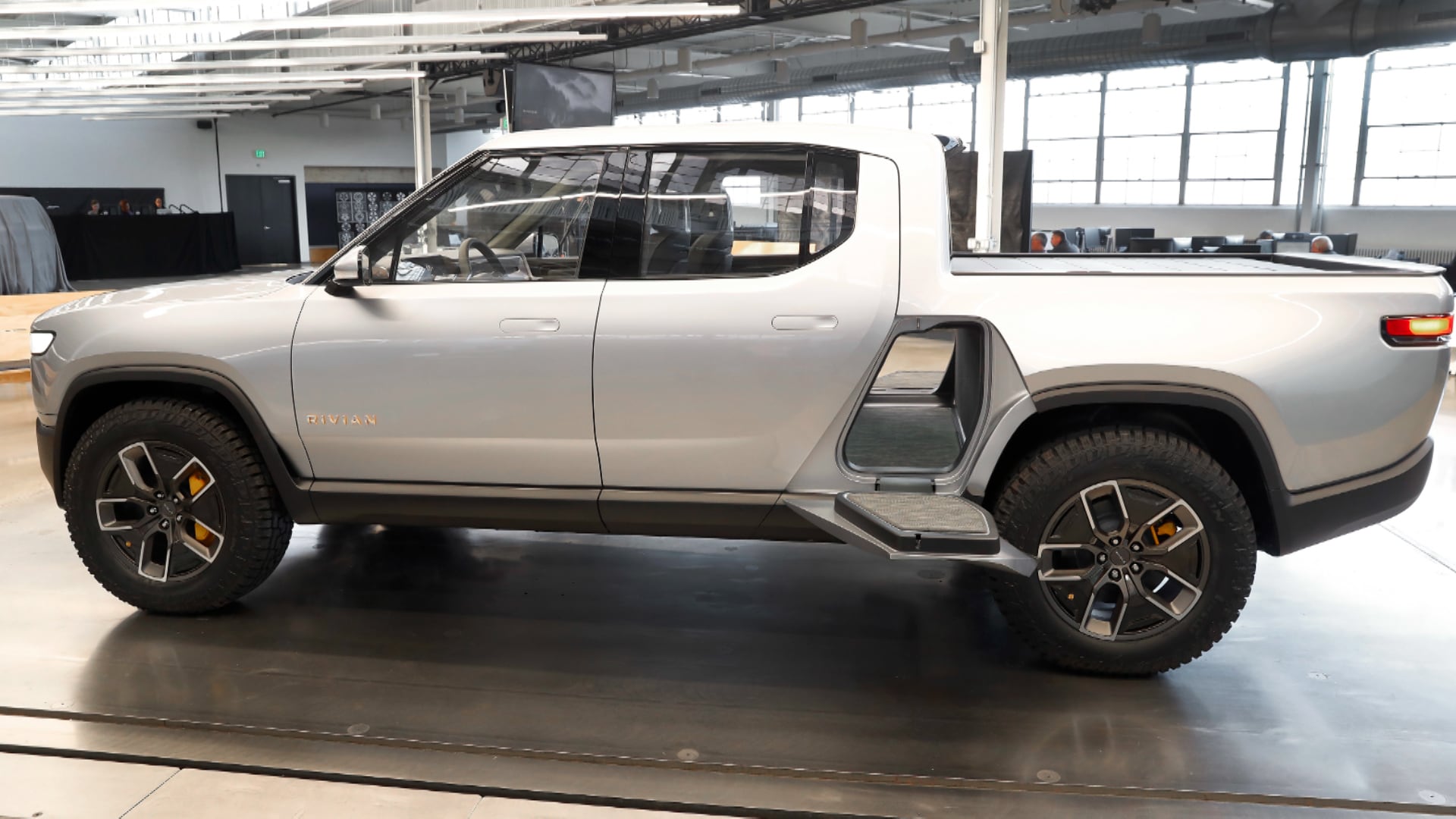
John Jannarone, Editor-In-Chief at IPOedge.com, joined Wake Up With Cheddar to discuss Riivian ahead of its public debut on the Nasdaq, as investors gear up for the biggest IPO for a U.S. company since Facebook.
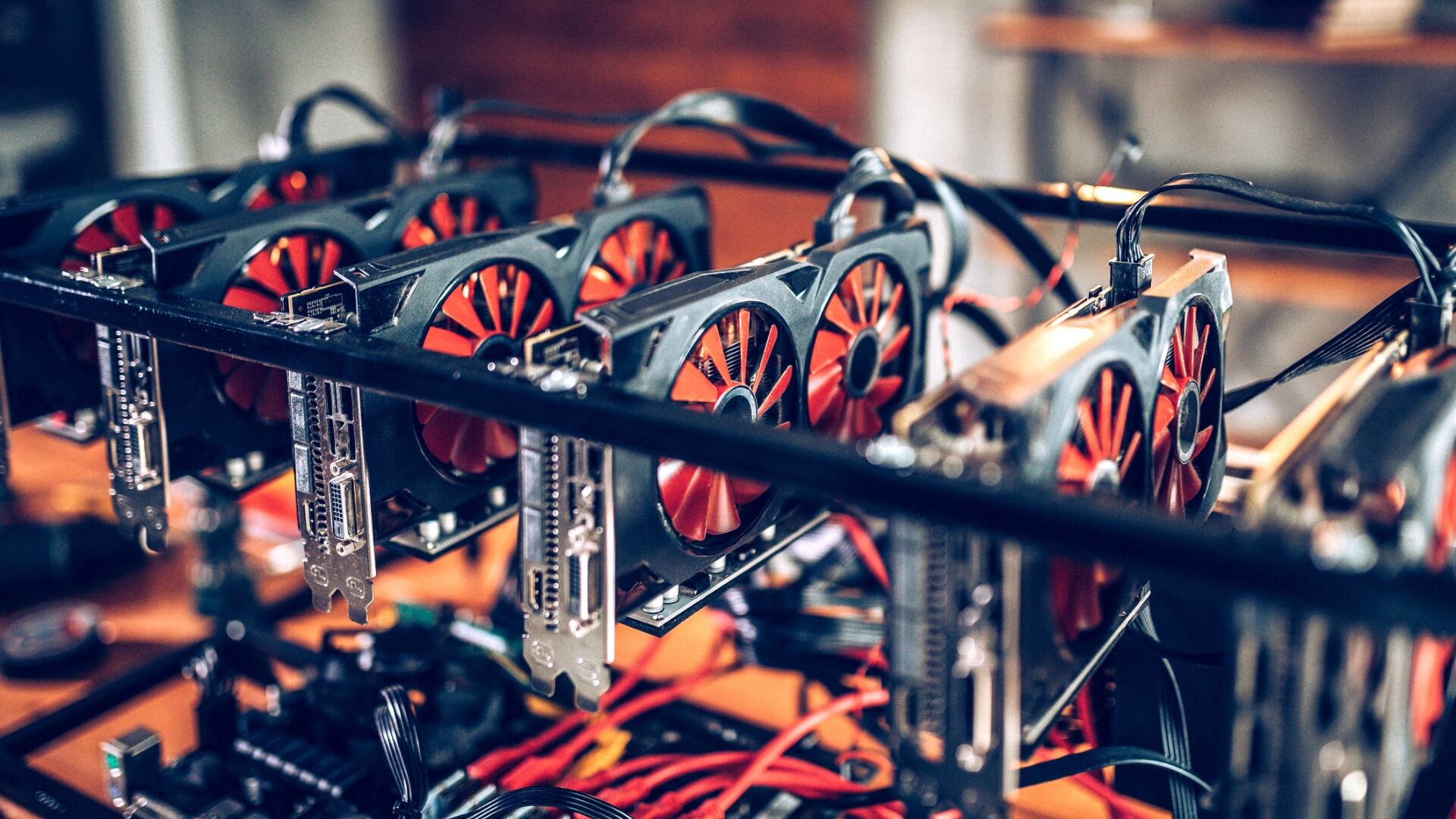
Iran is continuing to crack down on illicit bitcoin mining in the Islamic Republic after 227 mining rigs were seized. Businesses looking to run legal bitcoin mining operations have had to seek approval since 2019.
DoorDash is set to acquire European-based food delivery company Wolt in an $8.1 billion deal. Ann Berry, chief investment officer at media platform Wheelhouse, joined Cheddar to discuss how this positions DoorDash in the prepared food and potentially the grocery delivery space. "I do think that what DoorDash is trying to be thoughtful about now is how to take that there's been a shift in consumer behavior in terms of mobile ordering and delivery and try and apply it to other categories," she said, also pointing to its partnership with beauty supply company Ulta.
The Biden Administration has issued a new order aimed at all federal agencies which would order them to patch hundreds of cybersecurity vulnerabilities. Chief Evangelist at Intrusion Gary Davis and Chief Security Advisor at SentinelOne Morgan Wright, joined Cheddar to discuss more.
Tatenda Musapatike, Founder of the Voter Formation Project and former Political Ad Specialist at Facebook, joined Cheddar to discuss the outsized role social media plays in politics.
Amazon founder Jeffrey Bezos took to the stage at the U.N.'s COP26 Climate Summit to unveil a new plan to combat climate change, but some say it might do more harm than good. Justine Calma, Science Reporter at The Verge, joined Cheddar to discuss.