AT&T Looks to Expand 5G Reach, Though Concerns Remain
*By Conor White*
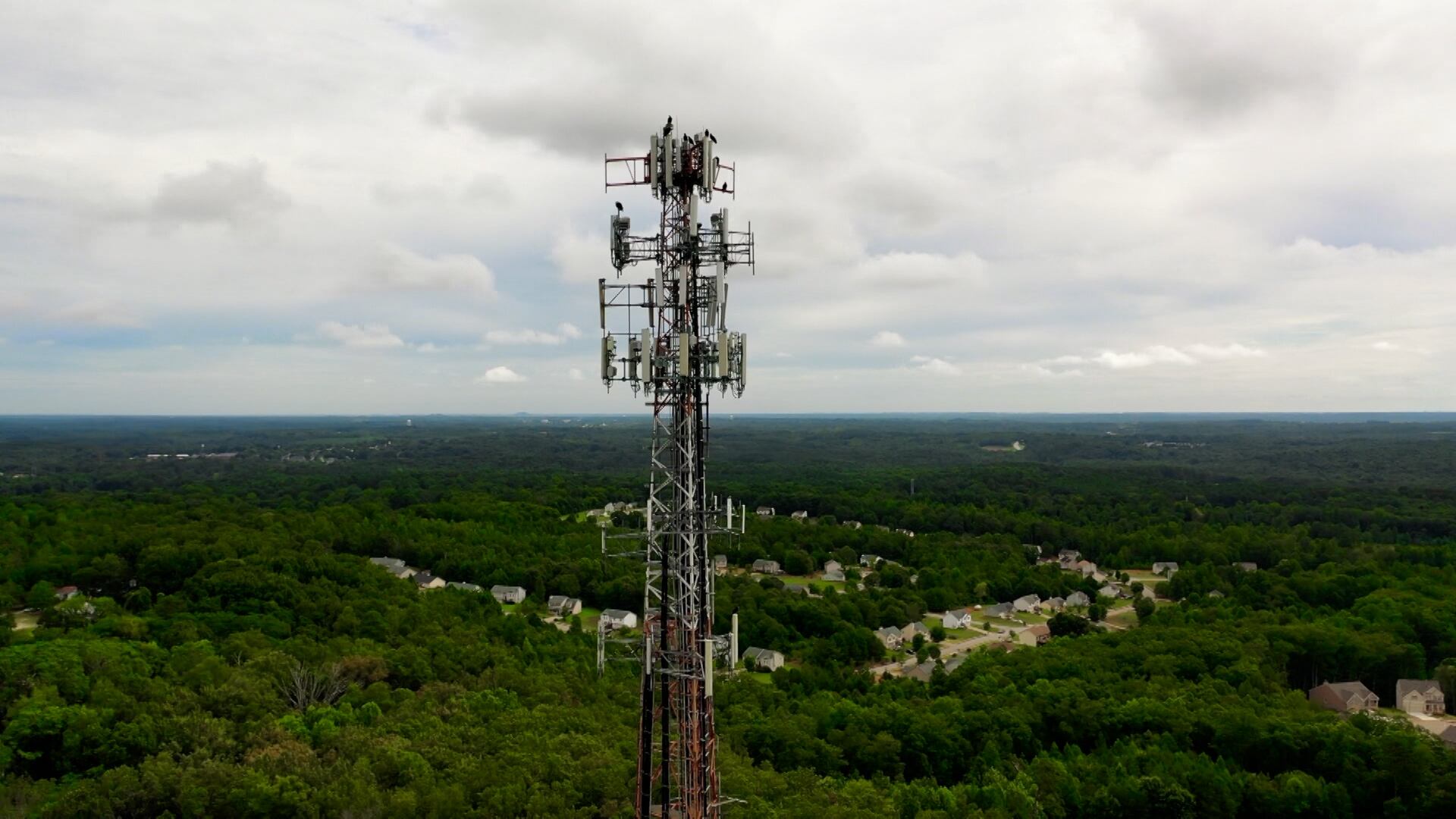
The race to build vast 5G networks may bring the promise of faster internet speeds and greater connectivity, but it's also sparked some controversy.
One source of complaint: those who shout "NIMBY", or Not in My Backyardーresidents who fear that their towns and lives will be disrupted as such vast infrastructures get built.
Melissa Arnoldi, president of technology and operations for AT&T, told Cheddar that those concerns can be assuaged. She pointed to an upcoming project in San Jose, Calif.ーwhere the company partnered with the city to ensure a smooth, safe transitionーas an example.
"We \[said\], 'Look, we will make sure that the equipment we deploy meets their standards, we will make sure it's not obtrusive to the consumers, and that it's deployed in a very safe way.'"
The San Jose agreement follows similar protests in the state. Residents of Piedmont, Calif., have been [fighting against] (https://sanfrancisco.cbslocal.com/2018/01/25/consumerwatch-5g-cellphone-towers-signal-renewed-concerns-over-impacts-on-health/) new cell towers for months, citing health concerns.
But locals aren't the only ones raising issue. Recent reports suggest that 5G could create a Wi-Fi gap, favoring those in urban cities over people who live in rural areas. [According to the FCC](https://www.axios.com/5g-digital-divide-19b70d34-4978-44df-a1cb-ae9222d113ef.html), 31 percent of rural Americans still don't have fixed broadband service, compared to just 2 percent of city residents, and some fear that divide could get worse with new technology.
But AT&T said in a [press release](http://about.att.com/story/5g_to_launch_in_more_us_cities_in_2018.html) last week that a greater 5G presence will actually bridge that disparity. Expanding to cities like Charlotte and Raleigh, NC, and Oklahoma City by the end of 2018 is one way the company hopes to do that.
The wireless giant's push for 5G only intensified after AT&T's acquisition of Time Warner, now known as WarnerMedia, in June.
"One of the key case uses for 5G will be 4K and 8K," explained Arnoldi. "So when you think about transmitting, for example, we did a trial with the U.S. Open on 4K, where we could actually help them broadcast signalsーlive broadcastsーwithout any wires."
John Stankey, CEO of WarnerMedia, has already promised the company will be aggressive in delivering new content to consumers, a necessary move in light of reports that rival Verizon is negotiating with Apple and Google to stream live TV. Verizon is also plotting its own 5G expansion around the country, signifying the rising tide of competition.
Arnoldi said she's optimisticーand excitedーabout the company's future.
"I think if you look at the content we have access to from a WarnerMedia perspective and the technology that AT&T Communications has, I think we're going to have a lot of exciting use cases in the future."
For full interview, [click here] (https://cms.cheddar.com/videos/VmlkZW8tMjEwOTg=).
Americans looking to purchase at-home COVID-19 tests will now have to shell out a bit more money after an agreement expired between the White House and companies to sell the tests at cost. The price of Abbot's BinaxNow test kit from October to December was $14 apiece; on Tuesday, Walmart's website listed the test for $19.88, and Kroger listed the tests for $23.99. Carbon Health Regional Clinical Director Dr. Bayo Curry-Winchell joined Cheddar News' Closing Bell to discuss the impact higher prices will have as the nation experiences another surge in cases.
2022 is set to be a big year for autonomous technology. After many new partnerships, acquisitions, and developments in 2021, all eyes will be on the self-driving sector to see what progress, or lack there-of, will be made this year. Soroush Salehian, CEO and co-founder of Aeva, gives a look at what's ahead for the industry.
The largest tech convention in the world kicks off this week. CES, organized by the Consumer Technology Association, will run from Wednesday Jan. 5 through Friday Jan. 7, featuring more than 2,000 exhibitors showing off their latest tech products in Las Vegas. Ian Sherr, editor at large at CNET, gives a first look at some of the biggest trends expected this year.
Verizon and AT&T have agreed to delay the launch of their 5G networks for two weeks following pressure from the Federal Aviation Administration, airline companies and even Transportation Secretary Pete Buttigieg. The aviation industry is concerned the 5G rollout could bring technical challenges or safety concerns on top of the current disruptions they're already dealing with from COVID and severe weather. Hugh Odom, founder and president of Vertical Consultants and former AT&T attorney, discusses how the Biden administration was able to come to this agreement with the wireless carriers.
Angelo Zino, Senior Industry Analyst & Vice President at CFRA Research, breaks down the tech giants' valuation milestone and discusses the areas of Apple's business that could see further growth.
General Motors rolled out the newest addition to its EV fleet with the all-electric Silverado pickup truck. Deborah Wahl, chief marketing officer at GM, joined Cheddar to talk about the latest EV offering and how it matches up to its past gas-powered versions. She said she expects demand to soar after the "first-level truck" sold out in just 12 minutes and talked about steps GM plans to take to regain its title as top U.S. auto seller after being dethroned by Toyota in 2021 with emphasis on the EV market. "I think this is an exciting new inflection point for the market overall, for [an] idea of an all-electric future, and certainly shows that we're extremely committed to the idea of everybody in an electric vehicle," said Wahl.
With the annual CES convention underway amid COVID, HP unveiled rolled out a number of new products virtually this year, including new gaming PCs and 4K display monitors. But as industries look toward a greener future, HP is working with the climate crisis in mind. James McCall, chief sustainability officer at HP, joined Cheddar's Kristen Scholer to discuss the company's climate goals, which includes reducing its carbon footprint to net-zero by 2040. He admitted that reaching the ambitious goal will be difficult because much of the company's emissions totals come from third parties. "A large part of our footprint is outside of HP's direct control. A lot of it comes either from our incoming supply chain, the materials, our manufacturing process, or about 30 to 40 percent of it comes from our consumer-use base," McCall told Cheddar.
Martin Fischer, president of technology supplier for cars and commercial vehicles ZF North America, joined Cheddar to discuss the company's solutions for next-generation mobility in autonomous vehicles and its plans to usher in the next phase of electric vehicles. He also talked about the rising demand for self-driving technology on a global scale. "Whereas we are really active also there for passenger cars and commercial vehicles, what we showcase at CES now virtually is our autonomous shuttles," he said. "So, what that means is we bring these vehicles to busy city centers and can take traffic levels down."