AT&T Looks to Expand 5G Reach, Though Concerns Remain
*By Conor White*
The race to build vast 5G networks may bring the promise of faster internet speeds and greater connectivity, but it's also sparked some controversy.
One source of complaint: those who shout "NIMBY", or Not in My Backyardーresidents who fear that their towns and lives will be disrupted as such vast infrastructures get built.
Melissa Arnoldi, president of technology and operations for AT&T, told Cheddar that those concerns can be assuaged. She pointed to an upcoming project in San Jose, Calif.ーwhere the company partnered with the city to ensure a smooth, safe transitionーas an example.
"We \[said\], 'Look, we will make sure that the equipment we deploy meets their standards, we will make sure it's not obtrusive to the consumers, and that it's deployed in a very safe way.'"
The San Jose agreement follows similar protests in the state. Residents of Piedmont, Calif., have been [fighting against] (https://sanfrancisco.cbslocal.com/2018/01/25/consumerwatch-5g-cellphone-towers-signal-renewed-concerns-over-impacts-on-health/) new cell towers for months, citing health concerns.
But locals aren't the only ones raising issue. Recent reports suggest that 5G could create a Wi-Fi gap, favoring those in urban cities over people who live in rural areas. [According to the FCC](https://www.axios.com/5g-digital-divide-19b70d34-4978-44df-a1cb-ae9222d113ef.html), 31 percent of rural Americans still don't have fixed broadband service, compared to just 2 percent of city residents, and some fear that divide could get worse with new technology.
But AT&T said in a [press release](http://about.att.com/story/5g_to_launch_in_more_us_cities_in_2018.html) last week that a greater 5G presence will actually bridge that disparity. Expanding to cities like Charlotte and Raleigh, NC, and Oklahoma City by the end of 2018 is one way the company hopes to do that.
The wireless giant's push for 5G only intensified after AT&T's acquisition of Time Warner, now known as WarnerMedia, in June.
"One of the key case uses for 5G will be 4K and 8K," explained Arnoldi. "So when you think about transmitting, for example, we did a trial with the U.S. Open on 4K, where we could actually help them broadcast signalsーlive broadcastsーwithout any wires."
John Stankey, CEO of WarnerMedia, has already promised the company will be aggressive in delivering new content to consumers, a necessary move in light of reports that rival Verizon is negotiating with Apple and Google to stream live TV. Verizon is also plotting its own 5G expansion around the country, signifying the rising tide of competition.
Arnoldi said she's optimisticーand excitedーabout the company's future.
"I think if you look at the content we have access to from a WarnerMedia perspective and the technology that AT&T Communications has, I think we're going to have a lot of exciting use cases in the future."
For full interview, [click here] (https://cms.cheddar.com/videos/VmlkZW8tMjEwOTg=).
On Saturday, New York will join neighboring New Jersey and Connecticut in authorizing mobile sports betting. Matt Kalish, president and co-founder of Draftkings North America, joined Cheddar to talk about the landmark change that is estimated to rake in $500 million in annual tax revenue on a potential billion-dollar market. Kalish also addressed the possibility that legalized sports betting in the Empire State could cannibalize his company's revenues in the bordering states. "It's pretty inconvenient, you know, to go across the border to make a bet. And people were doing it, but I think it really stifled a lot of the opportunity," he said. "So while there's some of that going on, I think really a tremendous amount, like a giant percent, of New York will be very incremental."
Ben Armstrong, founder of Bitboy Crypto, joins Cheddar News to discuss Bitcoin's downward trend and what's next for crypto after protests in Kazakhstan cause crypto miners to shut down.
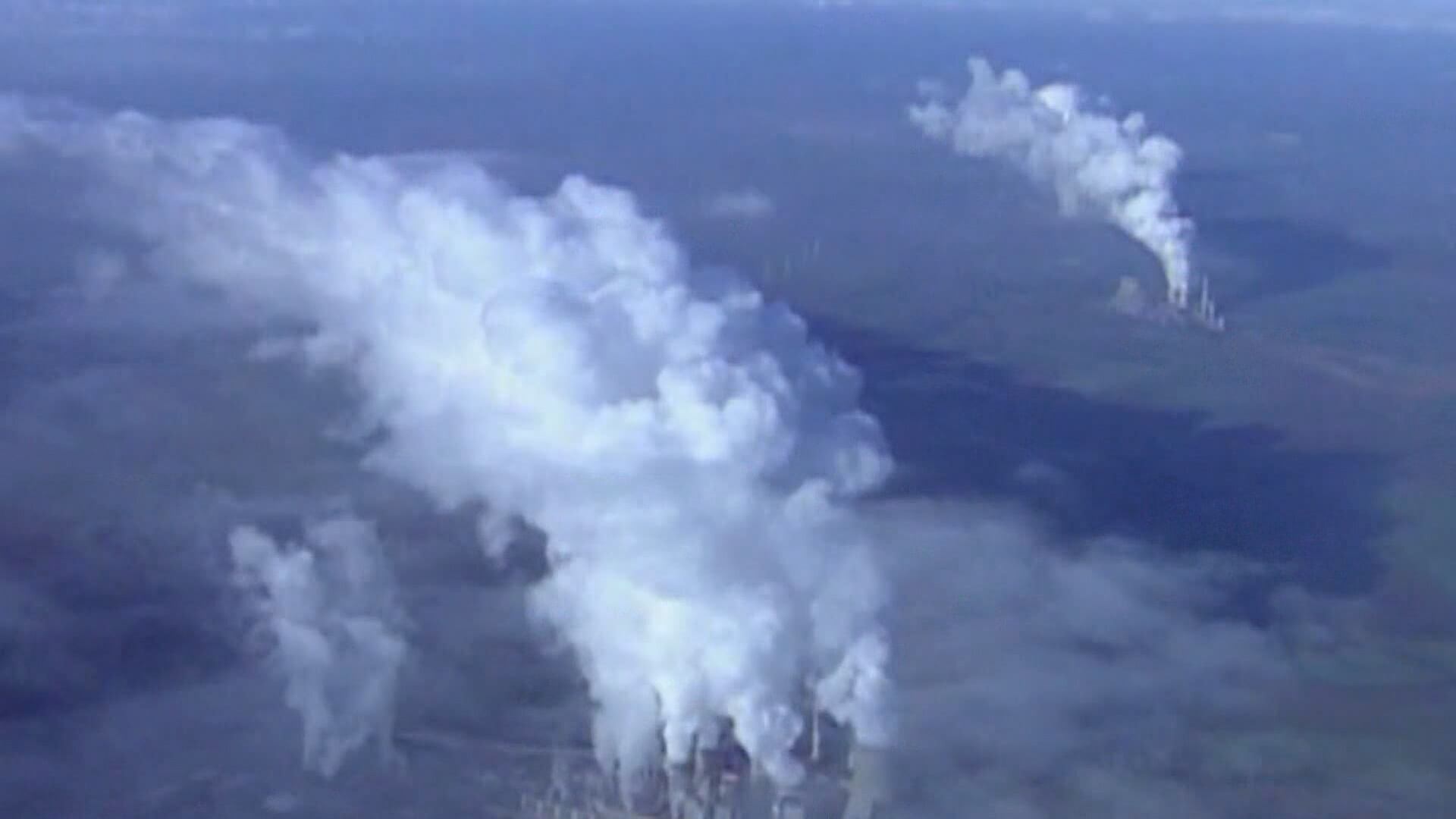
Jake Carbone, senior data analyst at InfluenceMap joins Cheddar News to talk about a new report by The Guardian and InfluenceMap that reveals how companies are creating fossil fuel ads designed to look like Google search results.
Satoshi Island is looking to become the world's first blockchain-driven economy. James Law, the chief architect of the planned private community, joined Cheddar to discuss the vision for the potential crypto capital of the world and how it will be brought to life. For people looking to live on the island, Law said they will be able to purchase land and homes and even design their own dwellings both in real life and via the metaverse. "Satoshi Island has already been digitally scanned. We have an absolute digital twin already in our metaverse," he said. Citizenship applications are expected to be launched via NFTs, he told Cheddar.
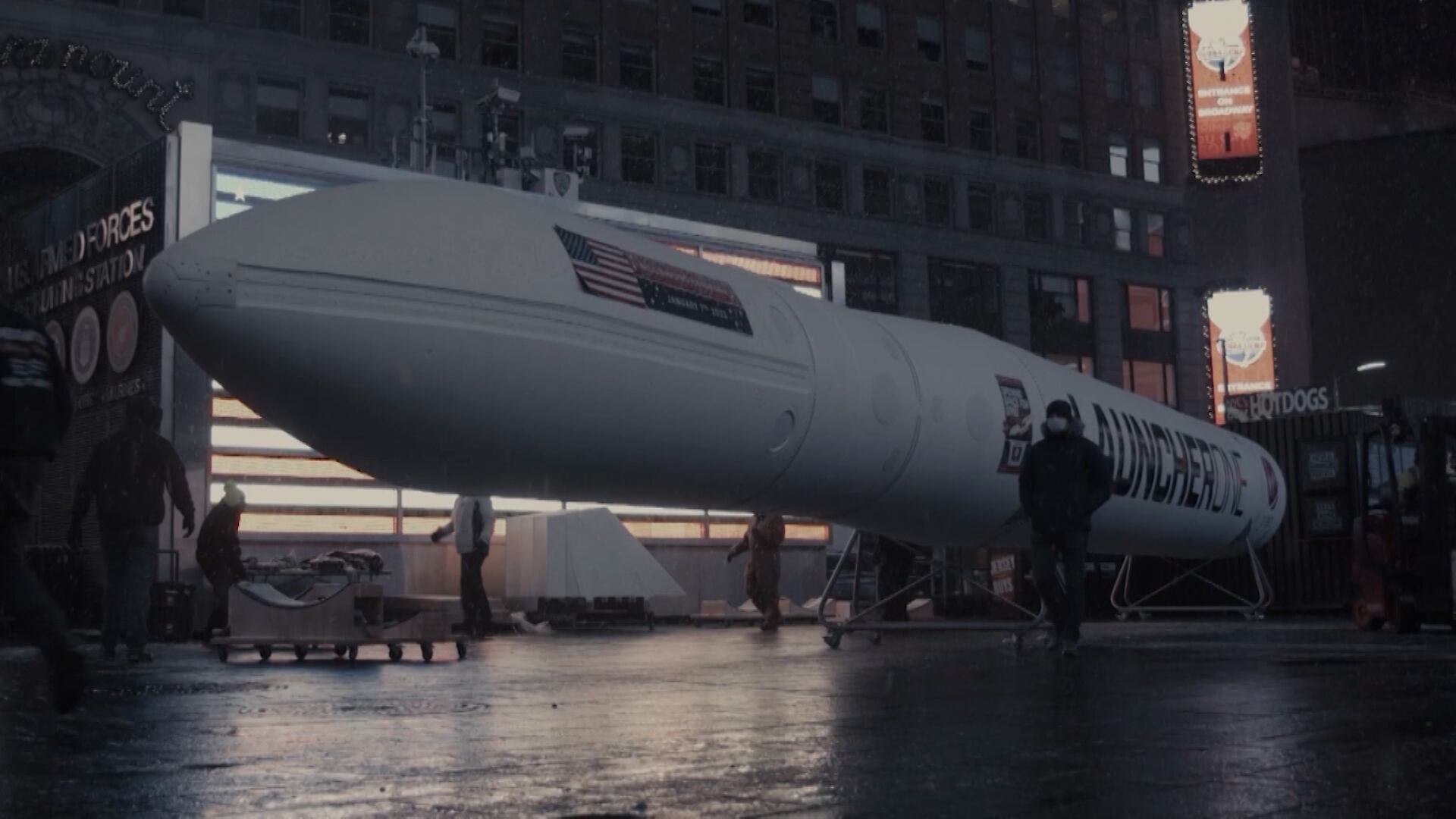
Satellite launch service Virgin Orbit has gone public on the Nasdaq via a SPAC merger with NextGen Acquisitions with a valuation of about $3.2 billion. CEO Dan Hart joined Cheddar's "Between Bells" from in front of his LauncherOne rocket in New York City's Times Square to talk about what's next after the IPO, an upcoming "Above the Clouds" mission to deliver commercial and national security payloads, and the benefits of their rockets being launched from commercial 747 aircraft. "We can launch anywhere in the world," he said. "There are almost 80 space agencies across the world, for instance, and about 10 of them have space launch. We can give them a space flight capability overnight by taking a runway and turning it into a spaceport."
Tech and entertainment giant Sony appears to be getting serious about automaking. An electric concept SUV — the Vision S-02 — was unveiled at CES 2022 and is slated to be produced by a new subdivision, Sony Mobility. This comes after the company revealed the Vision S concept Sedan at CES 2020.
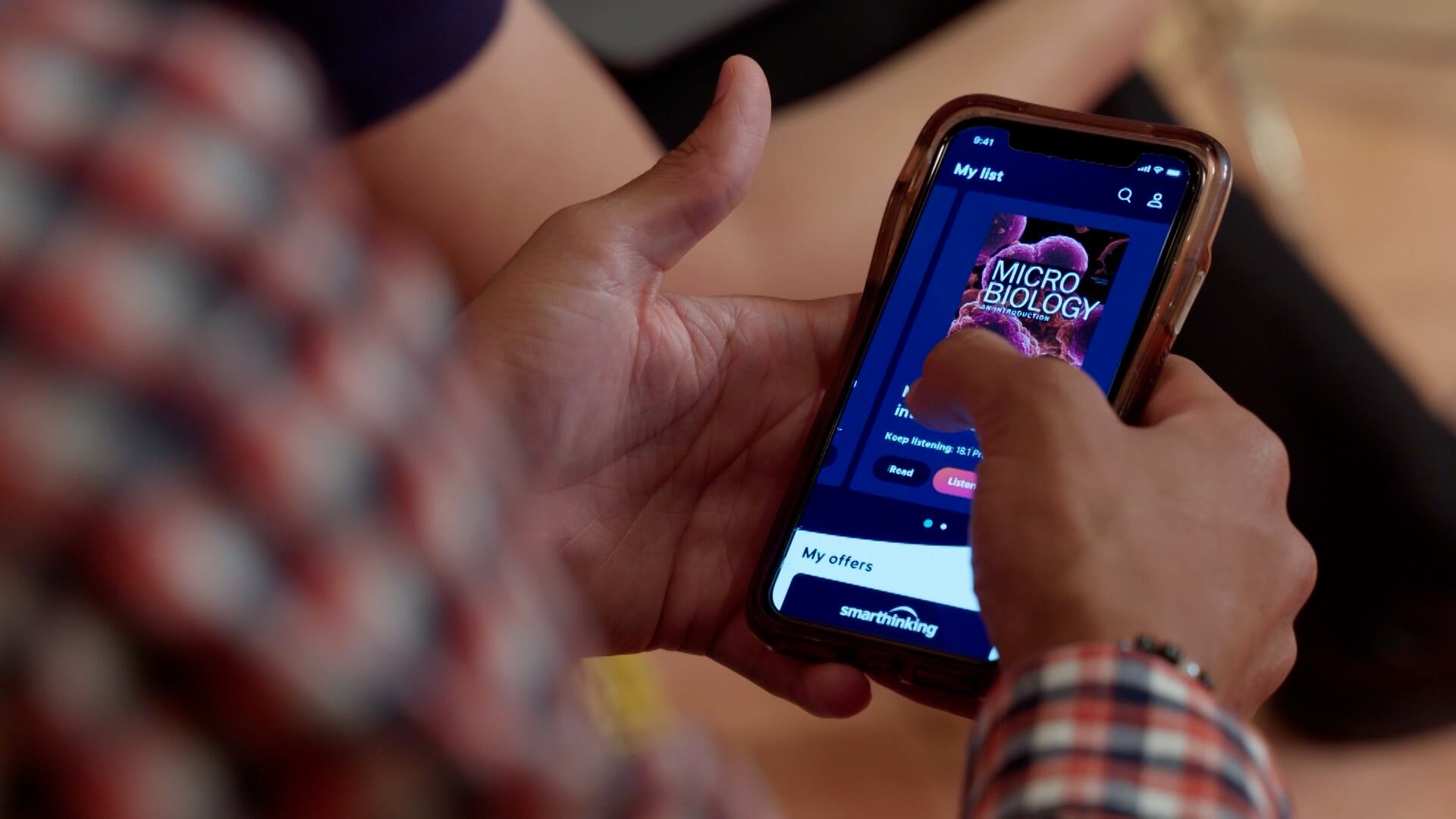
The highly transmissible omicron variant of COVID-19 has forced school districts nationwide to return to virtual instruction, but there remain concerns about the quality of education students are receiving online. Andy Bird, CEO of Pearson, an education publisher and assessment service provider, joined Cheddar's "Opening Bell" to talk about steps educators and parents can take to make the remote learning experience an easier one, noting that one of the biggest advantages teachers can have is flexibility. "You cannot take a rigid timetable that works in the analog world and replicate that in the digital world. You need to have flexibility. Asynchronous learning, I think, is a very important part," he told Cheddar.
Rob Dongoski, EY Food and Agriculture Leader, joins Cheddar News to discuss what advancements in tech will shape the future of food, and how we are going to see more and more personalization in the food system.