AT&T Looks to Expand 5G Reach, Though Concerns Remain
*By Conor White*
The race to build vast 5G networks may bring the promise of faster internet speeds and greater connectivity, but it's also sparked some controversy.
One source of complaint: those who shout "NIMBY", or Not in My Backyardーresidents who fear that their towns and lives will be disrupted as such vast infrastructures get built.
Melissa Arnoldi, president of technology and operations for AT&T, told Cheddar that those concerns can be assuaged. She pointed to an upcoming project in San Jose, Calif.ーwhere the company partnered with the city to ensure a smooth, safe transitionーas an example.
"We \[said\], 'Look, we will make sure that the equipment we deploy meets their standards, we will make sure it's not obtrusive to the consumers, and that it's deployed in a very safe way.'"
The San Jose agreement follows similar protests in the state. Residents of Piedmont, Calif., have been [fighting against] (https://sanfrancisco.cbslocal.com/2018/01/25/consumerwatch-5g-cellphone-towers-signal-renewed-concerns-over-impacts-on-health/) new cell towers for months, citing health concerns.
But locals aren't the only ones raising issue. Recent reports suggest that 5G could create a Wi-Fi gap, favoring those in urban cities over people who live in rural areas. [According to the FCC](https://www.axios.com/5g-digital-divide-19b70d34-4978-44df-a1cb-ae9222d113ef.html), 31 percent of rural Americans still don't have fixed broadband service, compared to just 2 percent of city residents, and some fear that divide could get worse with new technology.
But AT&T said in a [press release](http://about.att.com/story/5g_to_launch_in_more_us_cities_in_2018.html) last week that a greater 5G presence will actually bridge that disparity. Expanding to cities like Charlotte and Raleigh, NC, and Oklahoma City by the end of 2018 is one way the company hopes to do that.
The wireless giant's push for 5G only intensified after AT&T's acquisition of Time Warner, now known as WarnerMedia, in June.
"One of the key case uses for 5G will be 4K and 8K," explained Arnoldi. "So when you think about transmitting, for example, we did a trial with the U.S. Open on 4K, where we could actually help them broadcast signalsーlive broadcastsーwithout any wires."
John Stankey, CEO of WarnerMedia, has already promised the company will be aggressive in delivering new content to consumers, a necessary move in light of reports that rival Verizon is negotiating with Apple and Google to stream live TV. Verizon is also plotting its own 5G expansion around the country, signifying the rising tide of competition.
Arnoldi said she's optimisticーand excitedーabout the company's future.
"I think if you look at the content we have access to from a WarnerMedia perspective and the technology that AT&T Communications has, I think we're going to have a lot of exciting use cases in the future."
For full interview, [click here] (https://cms.cheddar.com/videos/VmlkZW8tMjEwOTg=).
Driver assistance monitoring systems are meant to keep the driver's eyes on the road, but according to a report from AAA, different ways of monitoring provide significantly different results. The study found that direct camera-based systems that scanned the driver's eye movements were faster and more reliable than those indirect systems that looked at steering-wheel input. Megan McKernan, the manager of automotive services for the Automobile Club of Southern California, joined Cheddar to discuss the findings. "Triple-A is recommending that automakers include both direct and indirect systems just to really prevent consumers from trying to misuse these systems," she said, noting that neither system on its own is not foolproof.
Pinterest recently added augmented reality to its portfolio. The image sharing and social media platform's new e-commerce tech will allow consumers to interact with retailers and visualize online products inside their homes.
Wave Neuroscience is a neurological health tech company that specializes in clinical and at-home personalized brain stimulation technology. Erik Won, president and chief medical officer and Fred Walke, CEO, joined Cheddar's Opening Bell to discuss their company's hopes for allowing patients to identify and treat unique brain disorders while empowering them to understand their unique neurological makeups — including for the high-stress positions of professional athletes. "We have a mobile device that provides a very light stimulation that gives them a therapy that gives them confidence so there's a just knowing that they're doing something for it," said Walke. "But it also helps them get back into a rhythm. It helps their brain synchronize around certain frequencies that that we target, and it helps them really understand that they've done everything they can to get to their highest level of success."
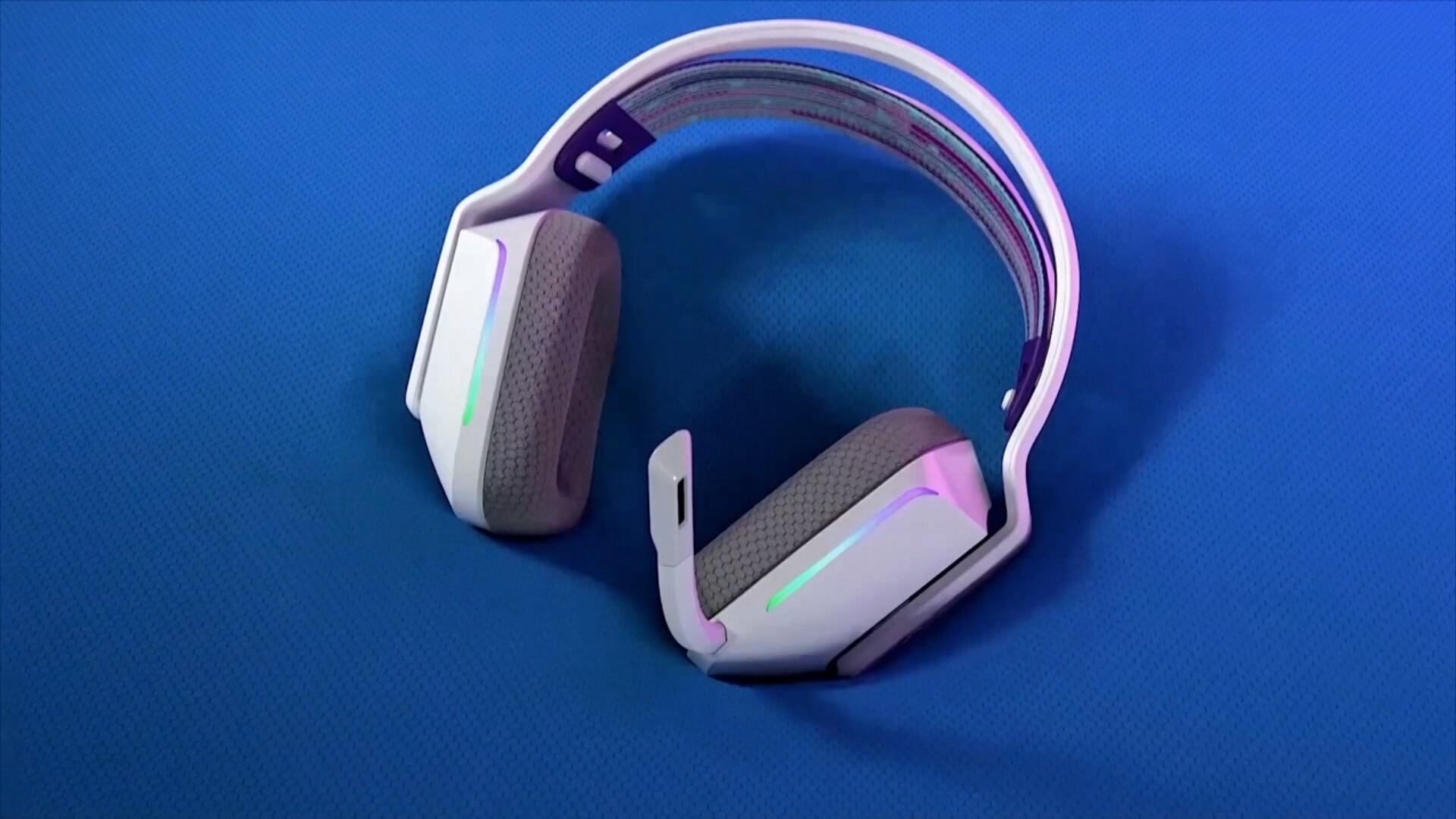
Logitech posted better-than-expected earnings in its third quarter, reporting sales of $1.63 billion dollars, down 2% from the year ago quarter, but well ahead of the Wall Street consensus of $1.48 billion dollars. The PC and gaming peripherals company also raised its annual guidance for both sales and profitability. Bracken Darrell, Logitech CEO, joined Cheddar to break down his reaction to the results, how the pandemic played a role in its growth, and where he wants to take the company next.
GM is scheduled to report its Q4 earnings after the bell on Tuesday February 1. Wall Street expects a miss as the automaker navigates the global chip shortage, which has hit car sales hard. Investors are looking for an update on production, as well as outlook for the electric vehicles that GM is investing billions to bring to market. Karl Brauer, executive analyst at iseecars.com, joined Cheddar to give a preview of the automaker's report.
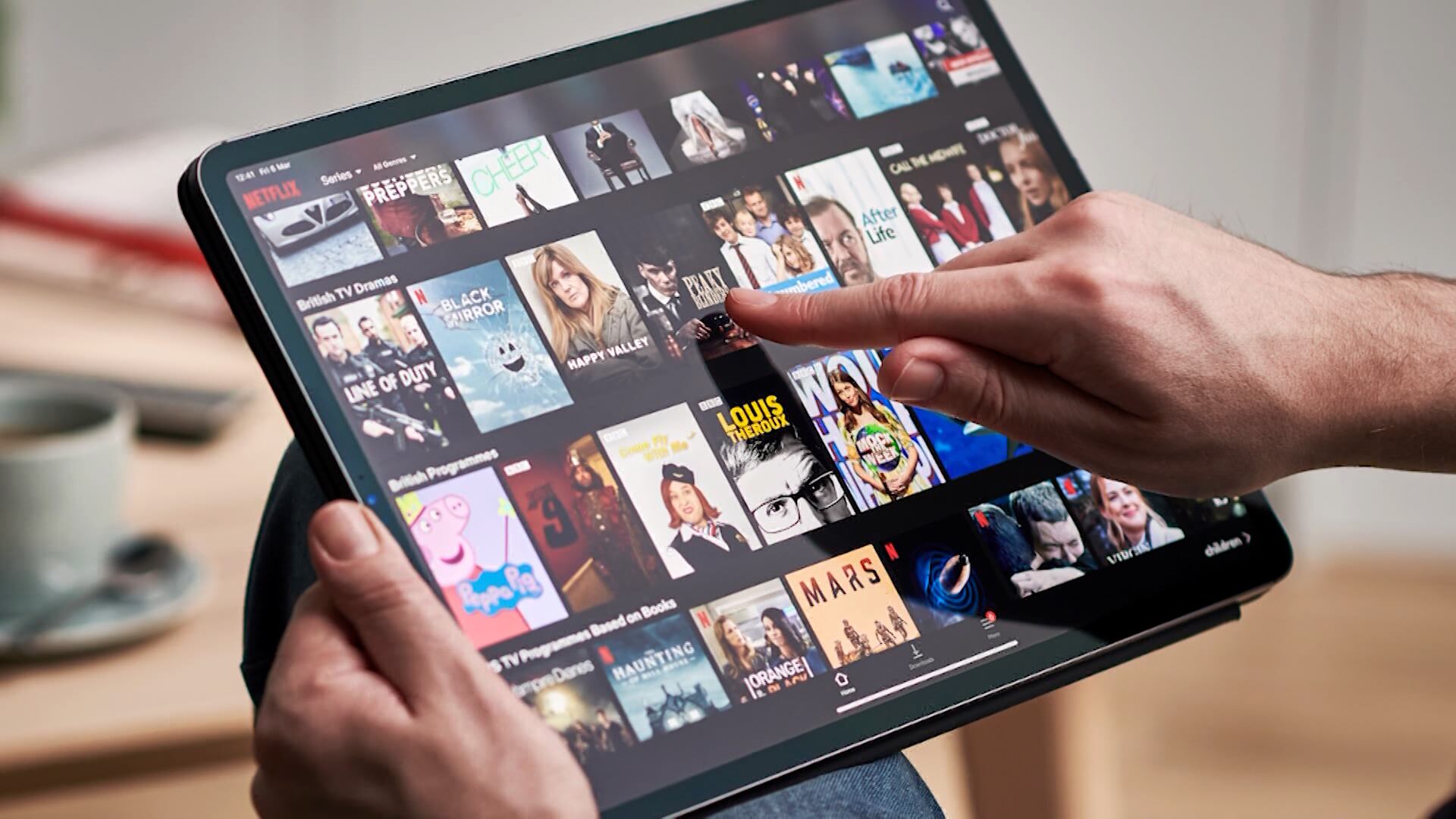
Recent data reveals that streaming giants are struggling to retain subscribers in the months following a major release.
According to data from Antenna, subscriber trends show that users will subscribe to a given streaming service just to watch a particular show, and then cancel those subscriptions shortly after. This comes as the streaming space continues to heat up as new entrants crowd the space. Jon Christian, Founding Partner + Digital Supply Chain Leader at OnPrem joined Cheddar's Opening Bell to discuss.
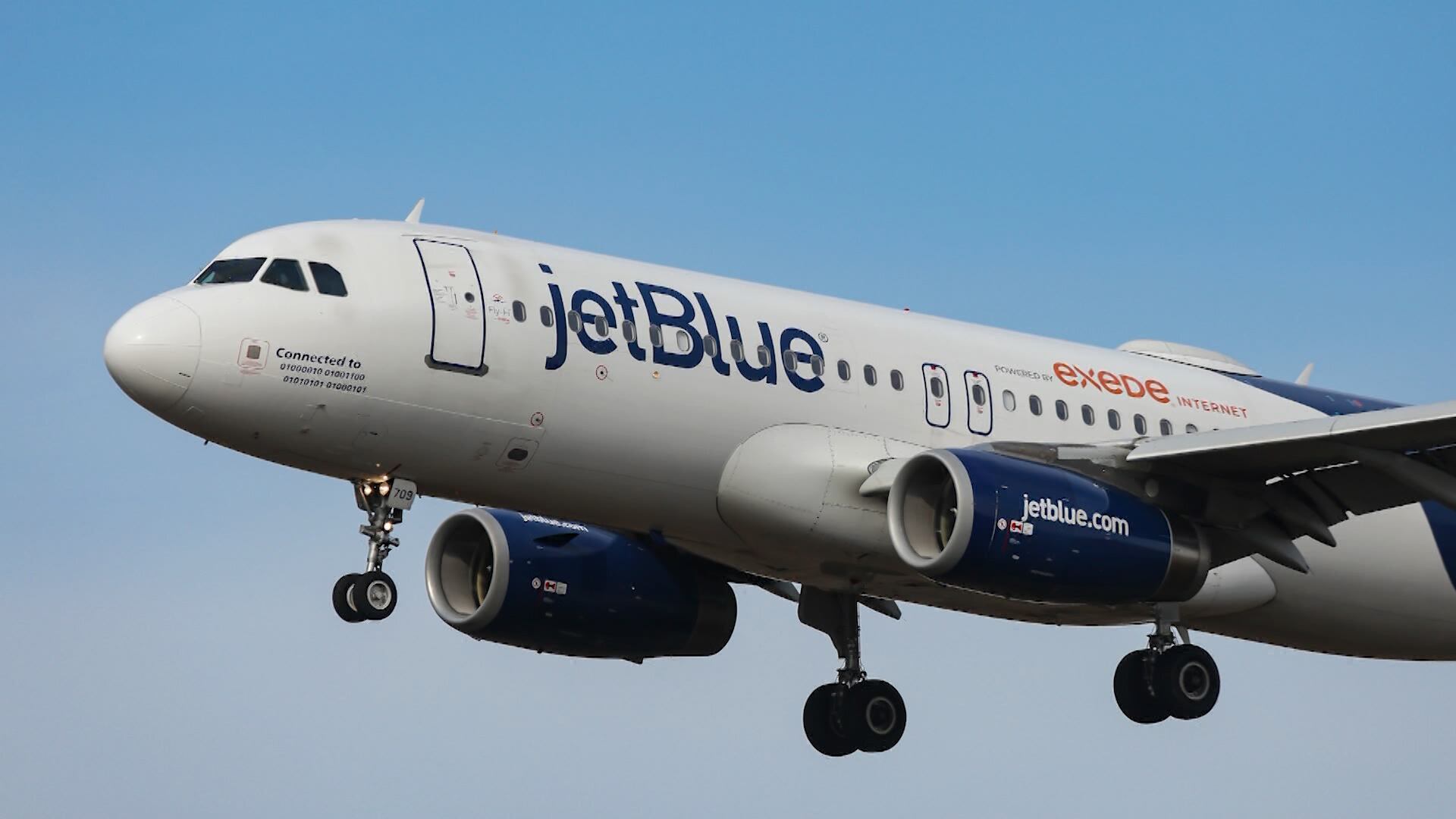
As airlines continues to face massive pilot shortages, United Airlines is opening a training academy for future pilots. United projects that the academy will train around 5,000 new pilots by 2030. David Slotnick, Senior Aviation Business Reporter at The Points Guy joined Cheddar's Opening Bell to discuss.
Stocks opening mostly higher to close out a wild week on Wall Street. It comes as investors continue to digest comments from the Federal Reserve, as well as the latest slew of earnings. Gene Goldman, Chief Investment Officer at Cetera, joined Cheddar's Opening Bell to discuss.