AT&T Looks to Expand 5G Reach, Though Concerns Remain
*By Conor White*
The race to build vast 5G networks may bring the promise of faster internet speeds and greater connectivity, but it's also sparked some controversy.
One source of complaint: those who shout "NIMBY", or Not in My Backyardーresidents who fear that their towns and lives will be disrupted as such vast infrastructures get built.
Melissa Arnoldi, president of technology and operations for AT&T, told Cheddar that those concerns can be assuaged. She pointed to an upcoming project in San Jose, Calif.ーwhere the company partnered with the city to ensure a smooth, safe transitionーas an example.
"We \[said\], 'Look, we will make sure that the equipment we deploy meets their standards, we will make sure it's not obtrusive to the consumers, and that it's deployed in a very safe way.'"
The San Jose agreement follows similar protests in the state. Residents of Piedmont, Calif., have been [fighting against] (https://sanfrancisco.cbslocal.com/2018/01/25/consumerwatch-5g-cellphone-towers-signal-renewed-concerns-over-impacts-on-health/) new cell towers for months, citing health concerns.
But locals aren't the only ones raising issue. Recent reports suggest that 5G could create a Wi-Fi gap, favoring those in urban cities over people who live in rural areas. [According to the FCC](https://www.axios.com/5g-digital-divide-19b70d34-4978-44df-a1cb-ae9222d113ef.html), 31 percent of rural Americans still don't have fixed broadband service, compared to just 2 percent of city residents, and some fear that divide could get worse with new technology.
But AT&T said in a [press release](http://about.att.com/story/5g_to_launch_in_more_us_cities_in_2018.html) last week that a greater 5G presence will actually bridge that disparity. Expanding to cities like Charlotte and Raleigh, NC, and Oklahoma City by the end of 2018 is one way the company hopes to do that.
The wireless giant's push for 5G only intensified after AT&T's acquisition of Time Warner, now known as WarnerMedia, in June.
"One of the key case uses for 5G will be 4K and 8K," explained Arnoldi. "So when you think about transmitting, for example, we did a trial with the U.S. Open on 4K, where we could actually help them broadcast signalsーlive broadcastsーwithout any wires."
John Stankey, CEO of WarnerMedia, has already promised the company will be aggressive in delivering new content to consumers, a necessary move in light of reports that rival Verizon is negotiating with Apple and Google to stream live TV. Verizon is also plotting its own 5G expansion around the country, signifying the rising tide of competition.
Arnoldi said she's optimisticーand excitedーabout the company's future.
"I think if you look at the content we have access to from a WarnerMedia perspective and the technology that AT&T Communications has, I think we're going to have a lot of exciting use cases in the future."
For full interview, [click here] (https://cms.cheddar.com/videos/VmlkZW8tMjEwOTg=).
Global semiconductor sales topped $500 billion dollars for the first time in history in 2021. Demand for microchips has been at an all-time high amid a global shortage, but questions still remain about the future of semiconductor production. Cheddar News was joined by Tristan Gerra, Senior Research Analyst at Baird, to answer some of these questions and more.
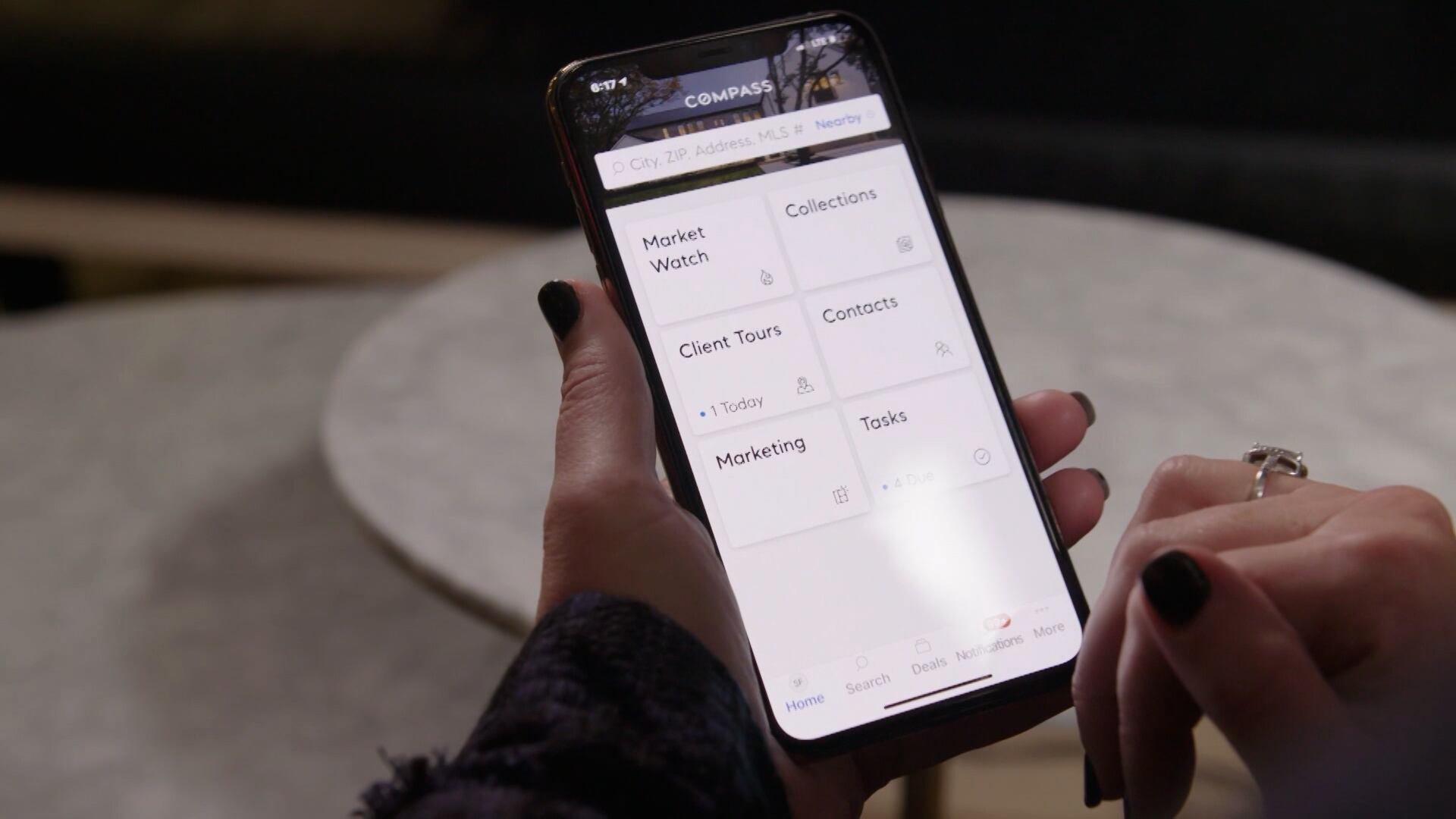
Compass Inc. reported its Q4 earnings on Wednesday, noting a 31 percent surge in quarterly revenue year over year. The real estate brokerage platform allows agents to promote and market their properties online and saw a 90 percent agent retention rate as well. Compass CEO Robert Reffkin joined Cheddar News to discuss the company's earnings, what ongoing inflation means for the housing market and how they help agents directly. "Let me start by saying my mom is actually a real estate agent, has been the majority of my life. She's a real estate agent today at Compass, and so I built Compass with her in mind," Reffkin said. The goal for an agent is to grow their business and have a better quality of life, more income to support their family, more time to be with their family, and it's not just software. It's a platform of software and services."
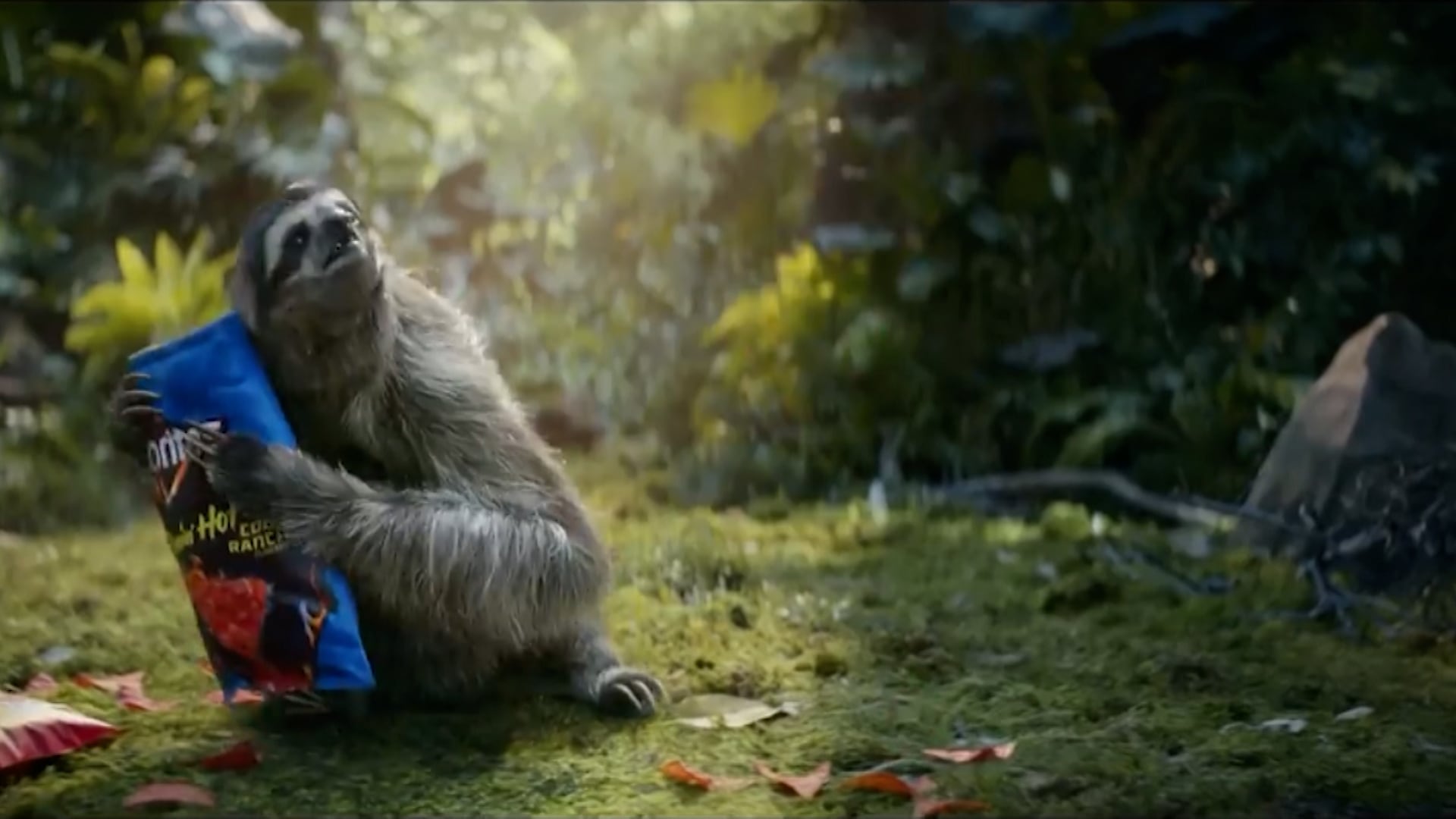
While many are excited to watch the final two NFL teams square-off and see which one ultimately takes home the trophy, some, on the other hand, are there for another mian attraction -- the commercials. Companies during this year's game are looking towards the future From electric vehicles, to robots, and crypto-currency, several first-time advertisers are expected to join long-time advertisers like Pepsi, Budweiser and Doritos during the NFL's biggest game. Tom Morton, Global Chief Strategy Officer at R/GA, joined Cheddar News' Big Game Special to discuss.
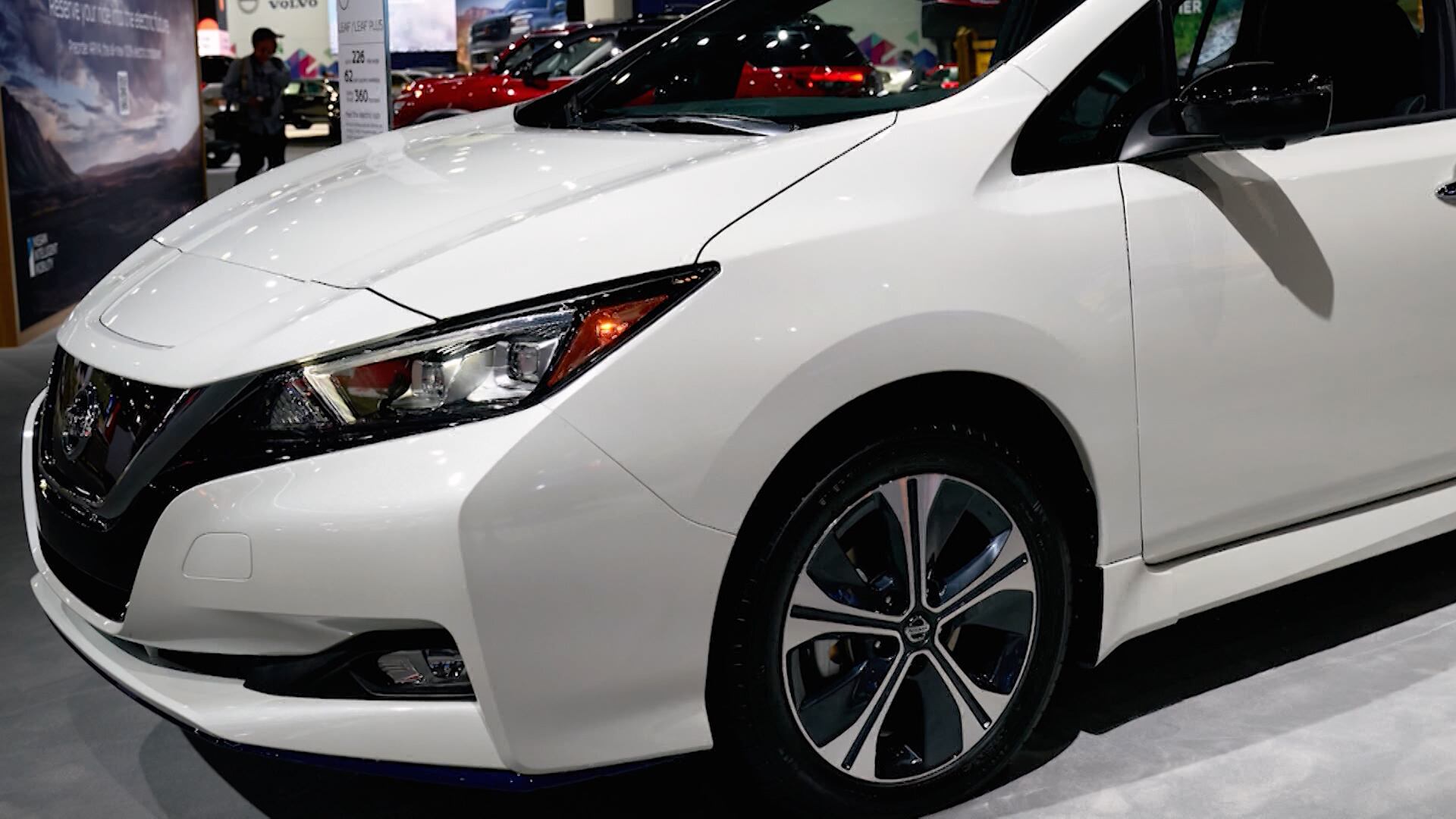
Nissan is revving up its commitment to electric vehicles. the Japanese automaker announcing plans to invest $500 million to transform its assembly plant in Mississippi to build two all-new EV models starting in 2025. It's all part of Nissan's goal to have 23 electrified models for the Nissan and Infiniti brands globally by 2030. Ashwani Gupta, Nissan's COO, joined Cheddar's Opening Bell to discuss this announcement and the company's EV goals moving forward.
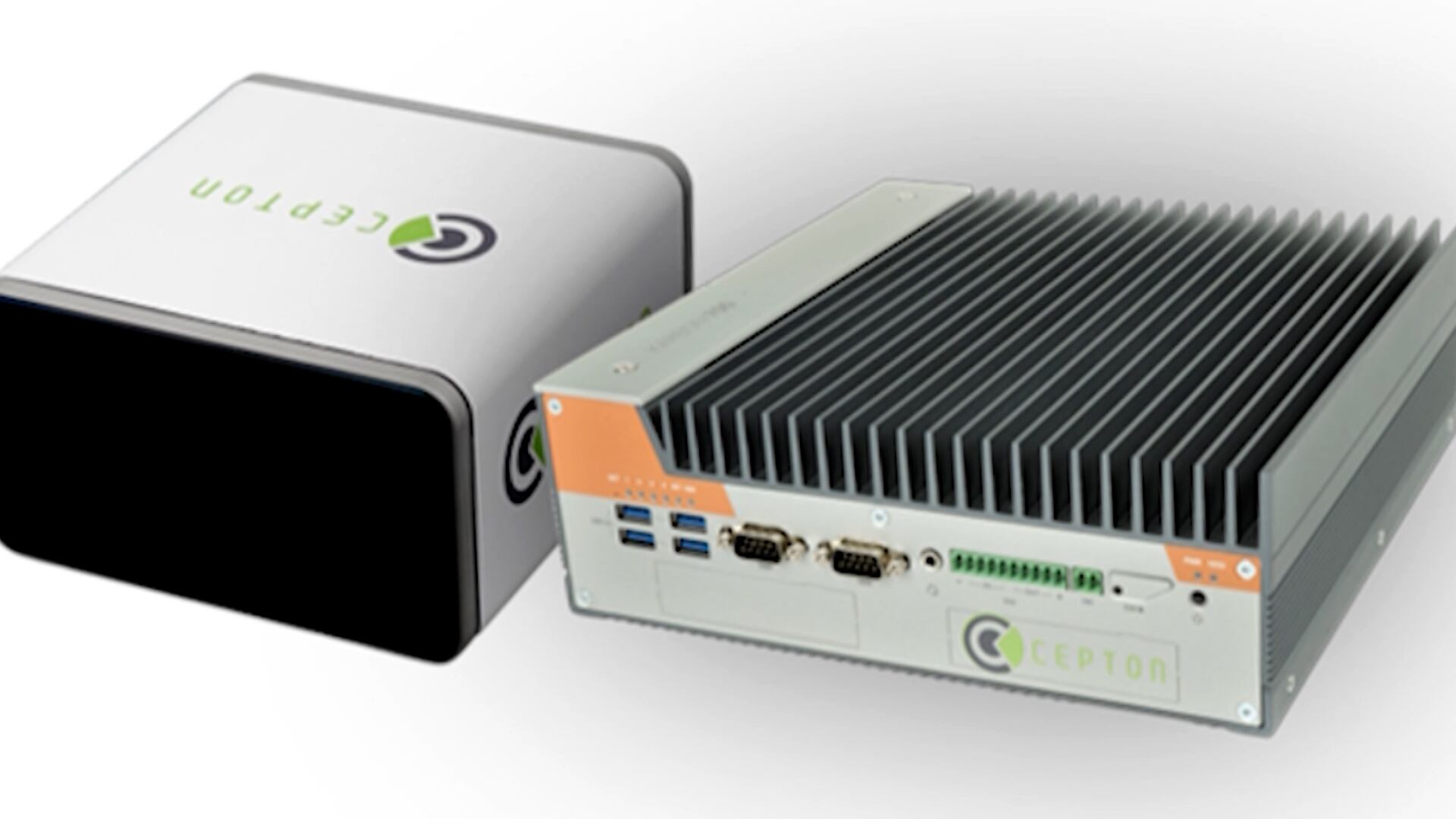
Cepton made its debut on the Nasdaq under the ticker symbol ‘CPTN’ on Thursday. Jun Pei, the co-founder and CEO, joined Cheddar News to discuss going public and its lidar-based solutions for improving safety in autonomous features in cars. "It's really just a huge benefit in addition to radar and camera, and becomes an entire sensor suite that will bring cars to a higher level, both for safety and autonomy."
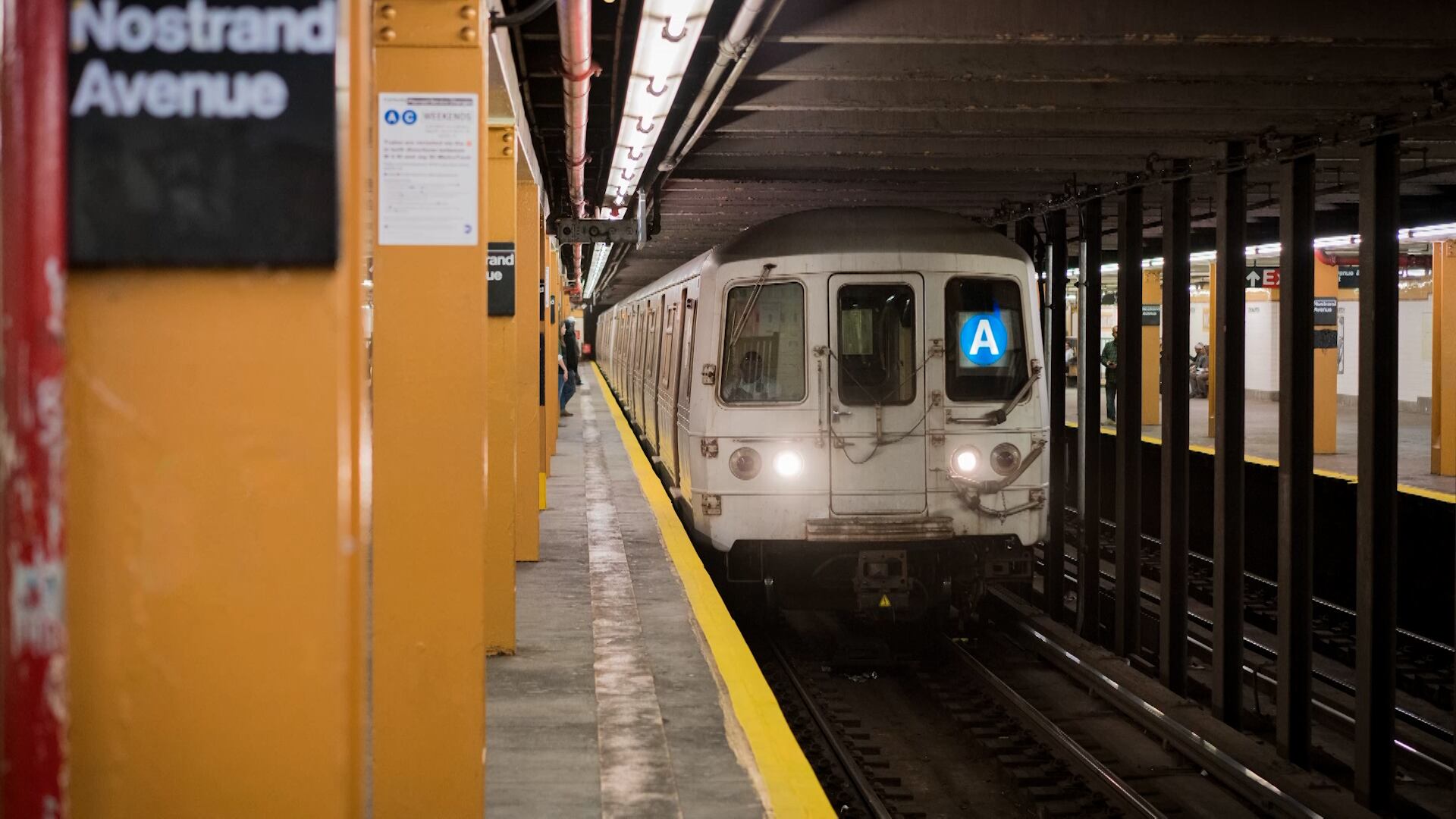
New York City's famous subway system is currently facing scrutiny after several recent attacks on platforms. Now, local leaders in the Big Apple are calling on the MTA. To step in and take action.
On this episode of Cheddar Innovates: Evolution Devices CEO breaks down how the Evowalk wearable device can help those with walking impairments; Cresilon CEO explains how he's created a plant-based gel to easily treat wounds in both humans and animals; A look at Curiosity Stream's 'The Colorado Problem.'
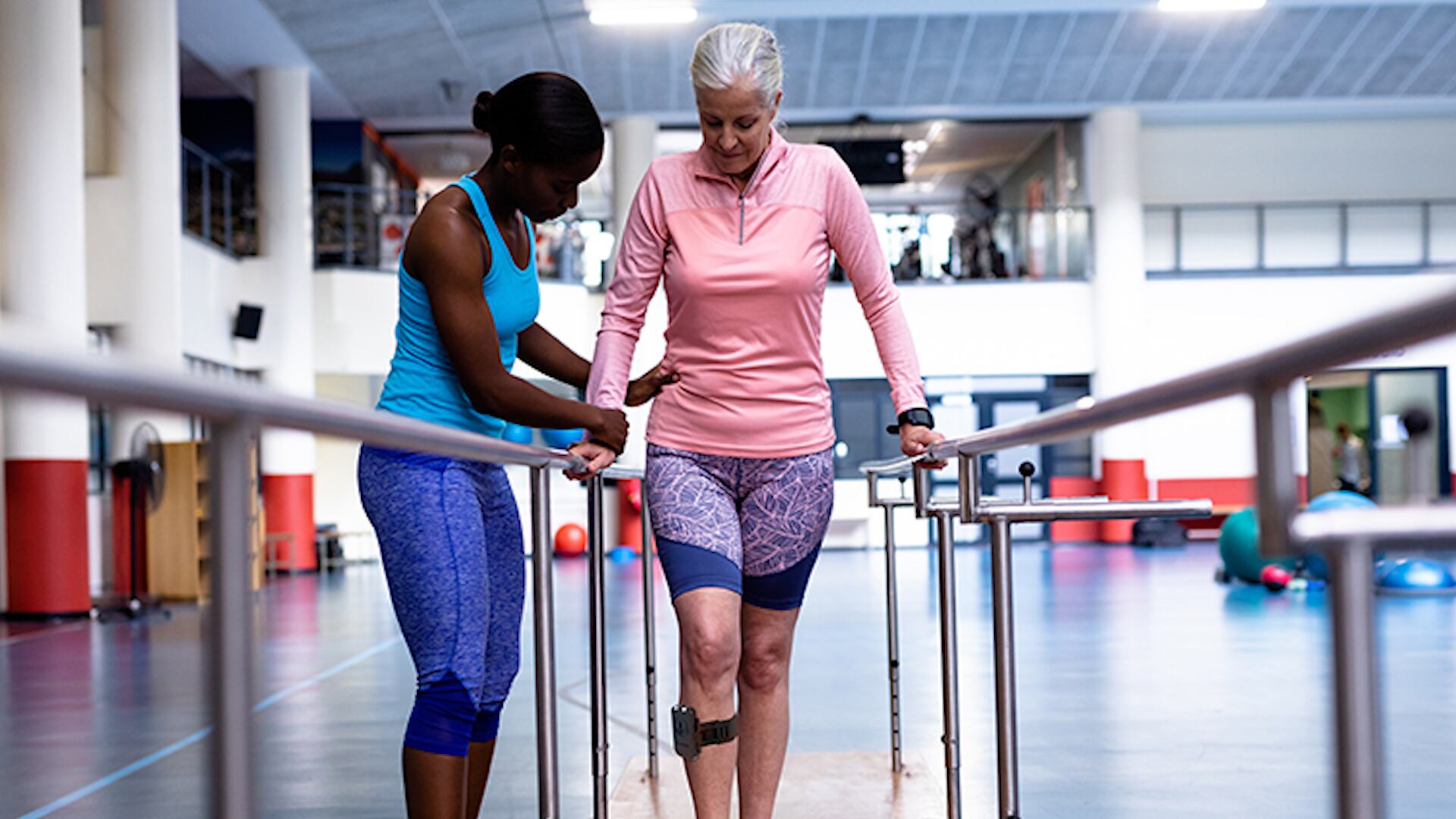
Pier Mantovani, Founder and CEO of Evolution Devices, joins Cheddar Innovates to discuss how the Evowalk wearable device can help those with walking impairments, and how remote physical therapy is becoming a reality.
Joe Landolina, CEO and Co-Founder of Cresilon, joins Cheddar Innovates to discuss how he's created a plant-based gel to easily treat wounds in both humans and animals.