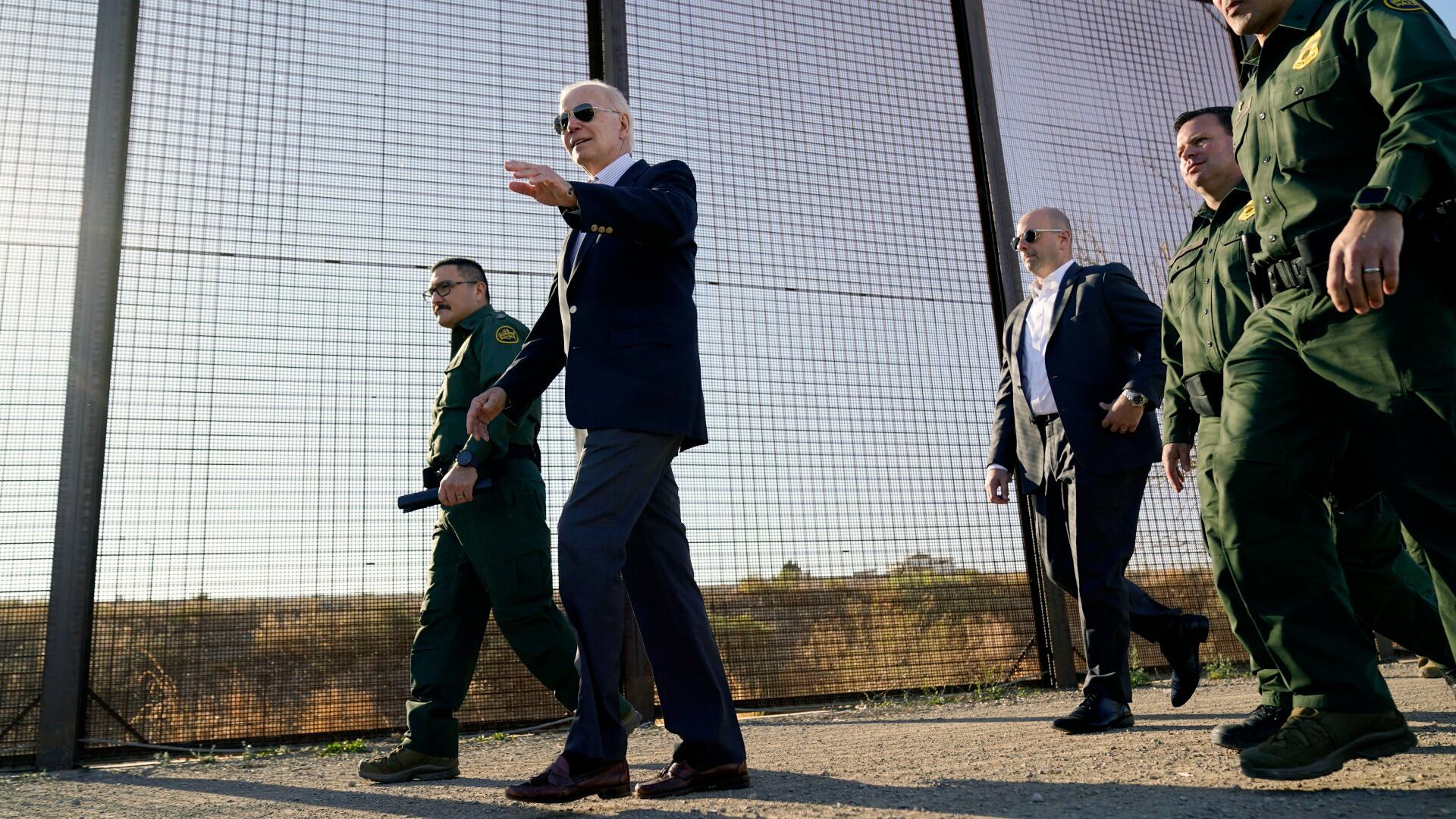
*By Christian Smith* A few hundred asylum seekers who [reached the U.S.-Mexico border](https://www.nytimes.com/2018/04/30/world/americas/mexico-migrants-caravan-asylum-seekers.html) near San Diego this week as part of a "migrant caravan" will have their asylum applications decided behind closed doors in the immigration court system. U.S. Customs and Border Protection officials at the San Ysidro border crossing began accepting requests from some of the hundreds of Central American migrants on Monday after initially turning them away because the processing facility was at capacity. An application is just the first of many bureaucratic steps in the asylum process, said The Atlantic's Priscilla Alvarez, and the migrants who trekked thousands of miles from El Salvador, Honduras, and Guatemala, still have a long road ahead. "What they'll do next after they go through the CBP screening and are processed there is they'll be turned over to ICE custody," said Alvarez, referring to Immigration and Customs Enforcement. She said the asylum seekers will then undergo a "credible fear interview," conducted by a U.S. Citizenship and Immigration Services officer, to determine if they face real danger in their home country. The interview is designed to establish why a person fled his or her home country and the specific danger he or she would face if they were forced to return. If an immigration officer decides a migrant's claim does not meet the standards for granting asylum, he or she would be sent back, though asylum seekers can appeal. Border inspectors processed 28 applications on Monday and Tuesday in San Ysidro, the nation's busiest border crossing, down from an average of about 50 a day from October 2017 to February 2018. Under U.S. asylum protocol, people spend up to three days at the border inspection facility before being transferred to longterm detention centers while their case is decided. The immigration court could take several years to decide an asylum case because of a backlog of more than [311,000 cases as of January 21, 2018] (https://www.uscis.gov/news/news-releases/uscis-take-action-address-asylum-backlog). The group of about 1,200 Central American migrants started their journey on March 25 near the Mexico-Guatemala border. They traveled on foot, by bus, and atop a train known by the migrants as "the beast." Many of them find job opportunities or safety along the way and choose not to complete the trip to the U.S. border. For the full interview, [click here](https://cheddar.com/videos/migrant-caravan-reaches-border-but-has-long-road-to-asylum).