Astronaut Scott Kelly, who spent 340 days in space, has some advice for those who are experiencing loneliness during the coronavirus pandemic.
"I think the biggest lesson I learned is that even though you're isolated, you don't have to be alone," Kelly told Cheddar. "There are things that you can do, actions you can take to connect with people, because social isolation, especially for older adults, can lead to loneliness and depression, which is a public health threat."
Kelly is partnering with the AARP Foundation to promote this message in the coming month. The interest group dedicated to helping Americans over 50 is compiling resources on connect2affect.org, including articles, surveys, and a search function for local services, that aim to help older adults combat social isolation.
Behind this effort is a new study from the foundation showing that two-thirds of adults reported experiencing social isolation and high levels of anxiety during the pandemic, which is now well-understood to potentially cause harm to physical and mental health.
"One thing that NASA has learned by having people in space for a long time for many, many years is that being isolated can not only affect your mental health but also your physical health," he said. "Particularly your immune system can be affected by being isolated, by not getting outside, not getting enough sunlight, not getting out in nature, being disconnected from your friends and family."
Helping people overcome the stigma of seeking treatment for mental health issues is another aspect of the partnership. Kelly explained that he was required to speak with a psychologist every two weeks while living in space, whether he felt he needed it at the time or not.
Kelly also commented on another earthbound matter. His brother, fellow astronaut Mark Kelly, is currently running for Senate in Arizona on the Democratic ticket. If he wins, it could have significant consequences regarding, for instance, the confirmation of a Supreme Court nominee like Amy Coney Barrett.
"Well I'm his brother, so of course I'm a big supporter of his," he said. "I think people mostly need to understand that even though it's not a requirement in our country to vote, that I think it's a civic responsibility, and as we get closer to the election, everyone should have a plan to vote."
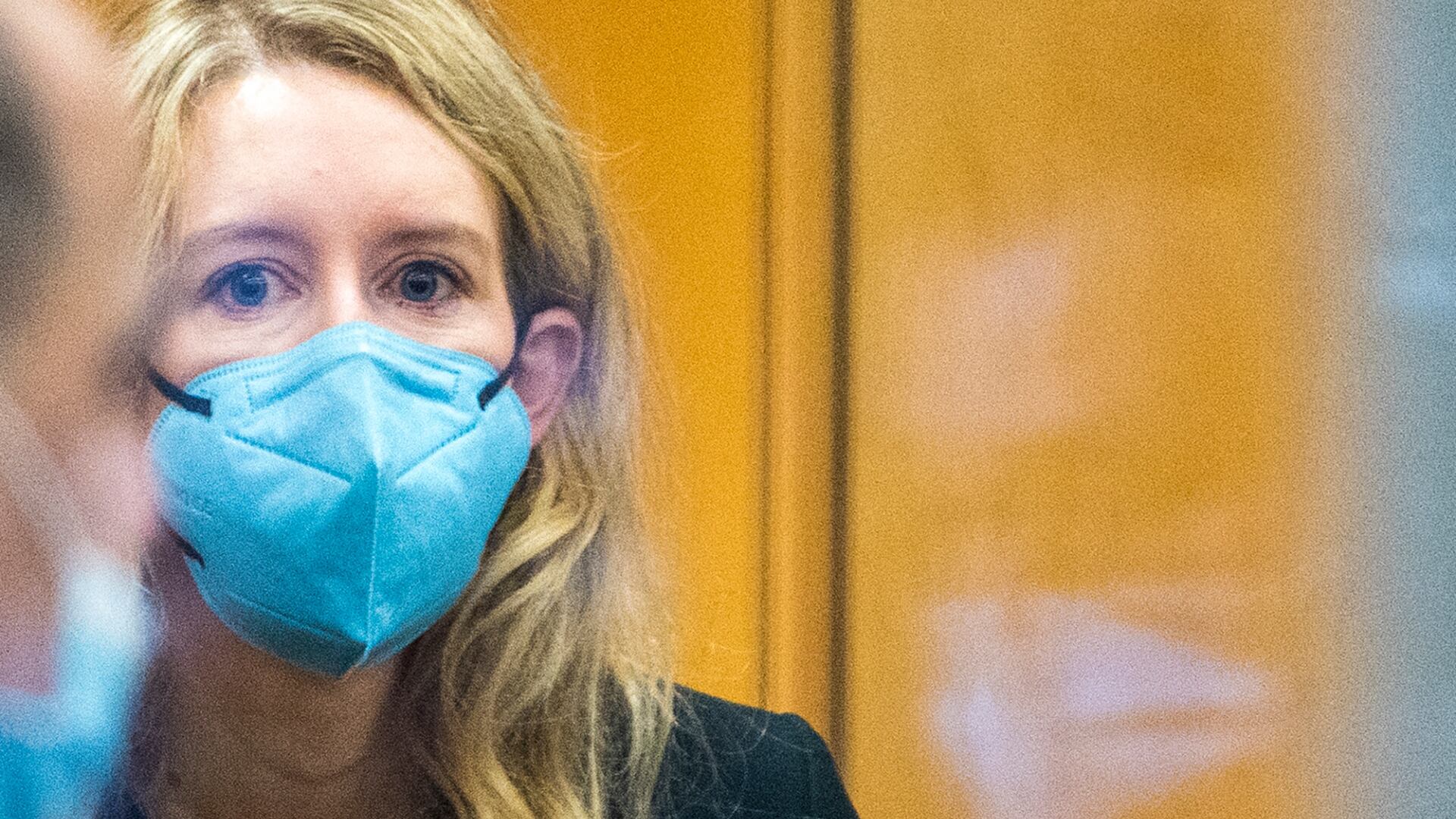
Jurors in the trial against Theranos CEO Elizabeth Holmes have entered day six of deliberations. Holmes is accused of lying to investors about the functionality of a newly developed blood-testing technology. Andrew George, partner at Baker Botts, joined Cheddar to break down key points in the case and what the jury might be considering during their deliberations. He also noted that the rest of Silicon Valley, including Holmes' business partner, Ramesh "Sunny" Balwani, who is facing identical charges, is closely watching the outcome of deliberations — as it could set the tone for future regulations and Balwani's own trial.
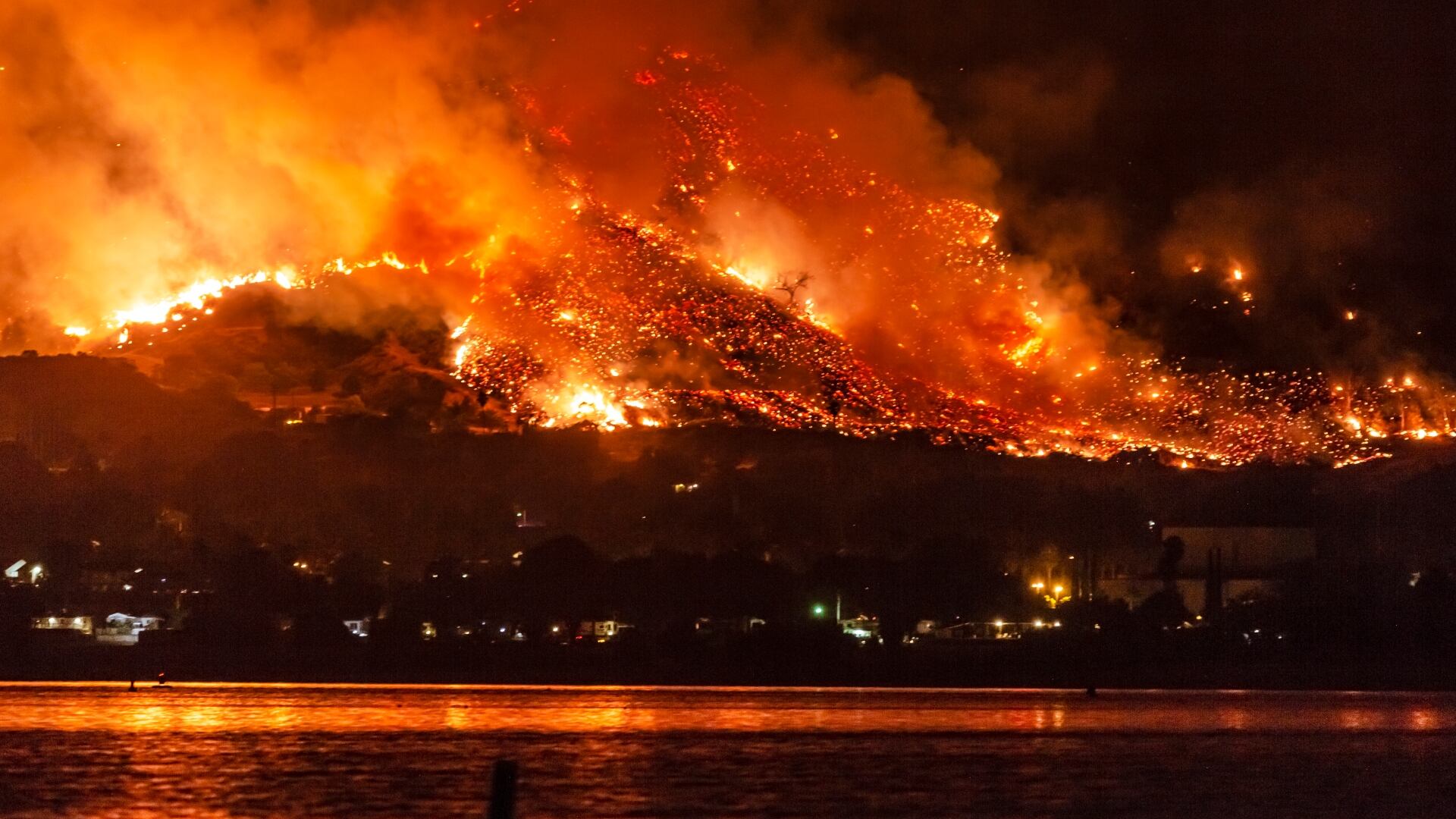
According to researchers, the state of California's cap-and-trade program is currently being undermined by forest fires caused primarily by climate change. Over the past few years, trees that were set aside for the program have been releasing carbon as they continue to burn in fires. Climate Researcher and Policy Director at CarbonPlan Danny Cullenward, joined Cheddar to discuss more.
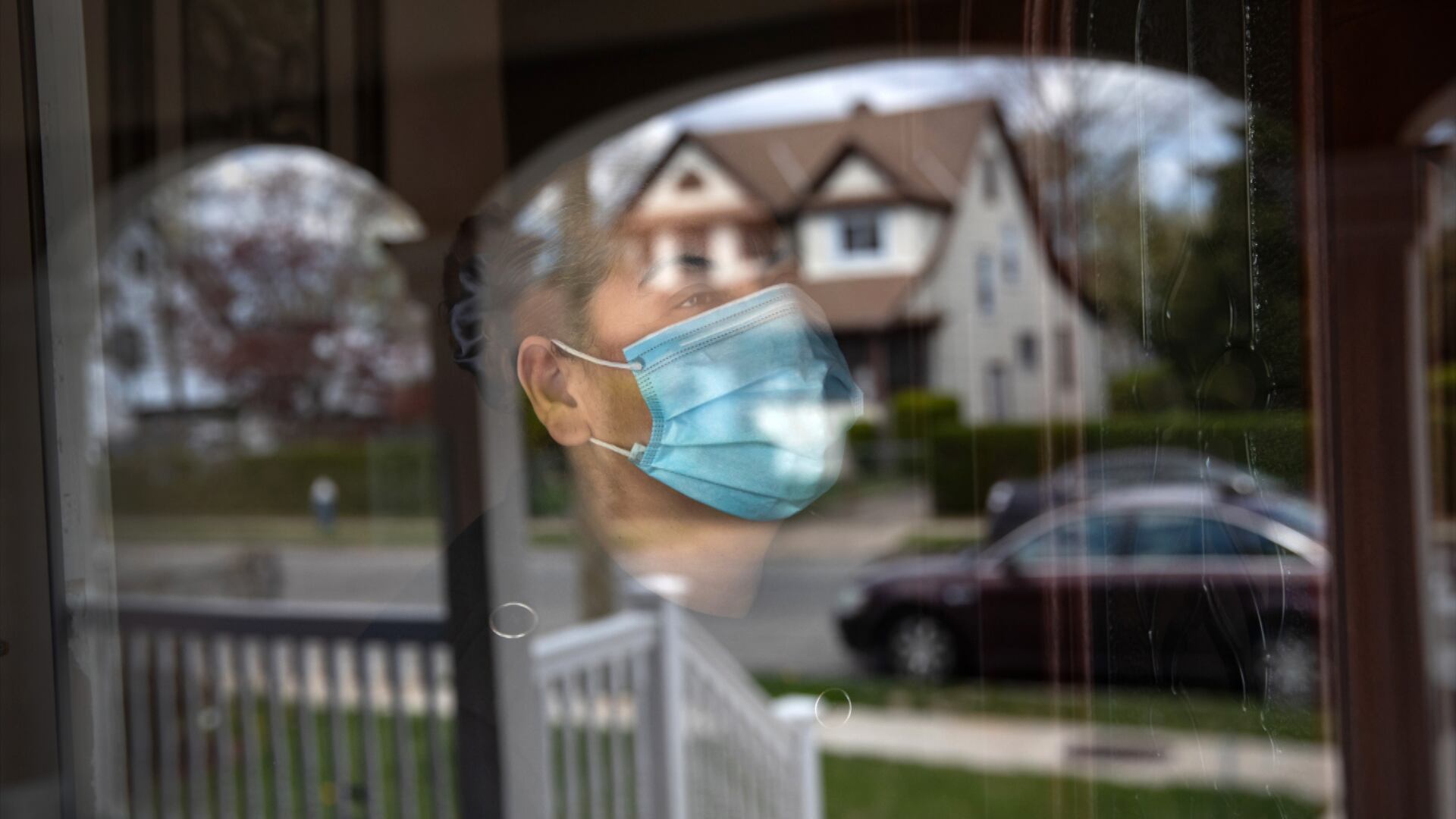
The CDC's latest update to its COVID-19 quarantine guidelines reduces the isolation period from ten days to just five for people who test positive but are asymptomatic. Dr. Bayo Curry-Winchell, regional clinical director at Carbon Health, spoke to Cheddar's Baker Machado about the new guidance. She noted that while the reduced quarantine time "makes sense," the CDC should also require that a person test negative after their quarantine and before interacting with the public. "There is science behind it. We know that the majority of illness happens, or transmission, one to two days before the onset of symptoms and then two to three days as you have symptoms. So there is science behind the reducement of the actual five days," she said.
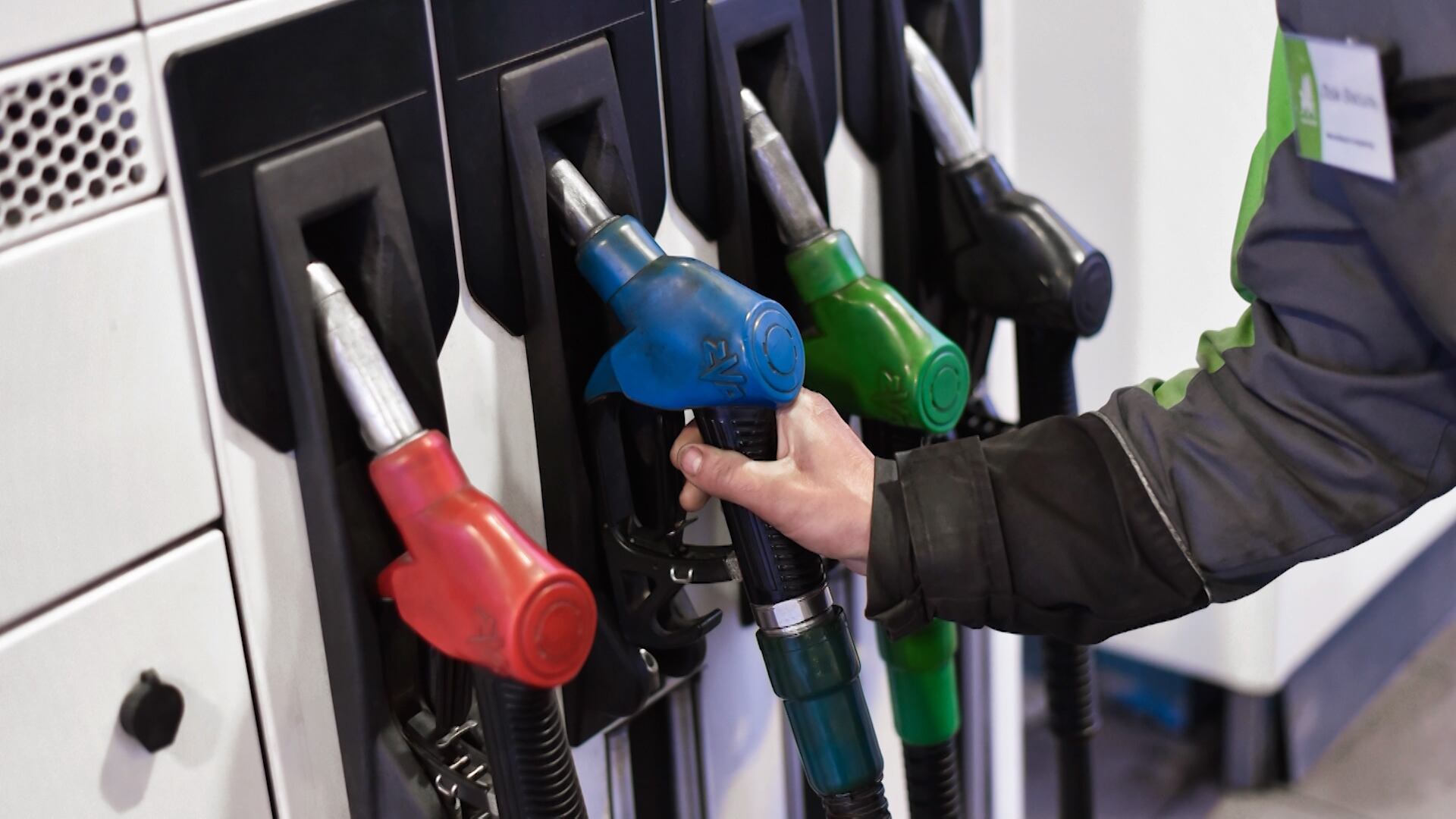
Prices at the pump this year reached a seven-year high, and a new forecast from GasBuddy shared with CNN predicts that gas prices will only continue to rise in 2022 and that the national average could even reach $4.00 a gallon; however, analysts at GasBuddy say anything could happen when it comes to gas prices in the future, as the pandemic has made it difficult to make any predictions about the economy. Consumer Energy Alliance federal policy advisor Michael Zehr joins Cheddar News' Closing Bell to discuss.
As the Omicron variant is fueling a surge in COVID-19 cases, parents and schools are faced with tough choices between absences and outbreaks. Matt Barnum, a national reporter at Chalkbeat, joins Cheddar News to discuss.
Ron Gutman, Co-CEO of Intrivo, joins Cheddar News to discuss how the company is creating a test and tech solution for Covid testing called 2Gather, and how it's using data-driven digital diagnostics to make these tests widely available and affordable.
As 2021 winds down, the number of positive COVID-19 cases has surged dramatically with numbers not seen since the heights of the pandemic. Dr. Laolu Fayanju, the regional medical director at primary care provider Oak Street Health, joined Cheddar to discuss the numbers, how the healthcare system is handling the surge this time around, and what it means that the CDC just cut the quarantine time guideline in half for those who are infected. "These are incredibly high numbers because they reflect the transmissibility of the omicron variant," Fayanju said.