Astronaut Scott Kelly, who spent 340 days in space, has some advice for those who are experiencing loneliness during the coronavirus pandemic.
"I think the biggest lesson I learned is that even though you're isolated, you don't have to be alone," Kelly told Cheddar. "There are things that you can do, actions you can take to connect with people, because social isolation, especially for older adults, can lead to loneliness and depression, which is a public health threat."
Kelly is partnering with the AARP Foundation to promote this message in the coming month. The interest group dedicated to helping Americans over 50 is compiling resources on connect2affect.org, including articles, surveys, and a search function for local services, that aim to help older adults combat social isolation.
Behind this effort is a new study from the foundation showing that two-thirds of adults reported experiencing social isolation and high levels of anxiety during the pandemic, which is now well-understood to potentially cause harm to physical and mental health.
"One thing that NASA has learned by having people in space for a long time for many, many years is that being isolated can not only affect your mental health but also your physical health," he said. "Particularly your immune system can be affected by being isolated, by not getting outside, not getting enough sunlight, not getting out in nature, being disconnected from your friends and family."
Helping people overcome the stigma of seeking treatment for mental health issues is another aspect of the partnership. Kelly explained that he was required to speak with a psychologist every two weeks while living in space, whether he felt he needed it at the time or not.
Kelly also commented on another earthbound matter. His brother, fellow astronaut Mark Kelly, is currently running for Senate in Arizona on the Democratic ticket. If he wins, it could have significant consequences regarding, for instance, the confirmation of a Supreme Court nominee like Amy Coney Barrett.
"Well I'm his brother, so of course I'm a big supporter of his," he said. "I think people mostly need to understand that even though it's not a requirement in our country to vote, that I think it's a civic responsibility, and as we get closer to the election, everyone should have a plan to vote."
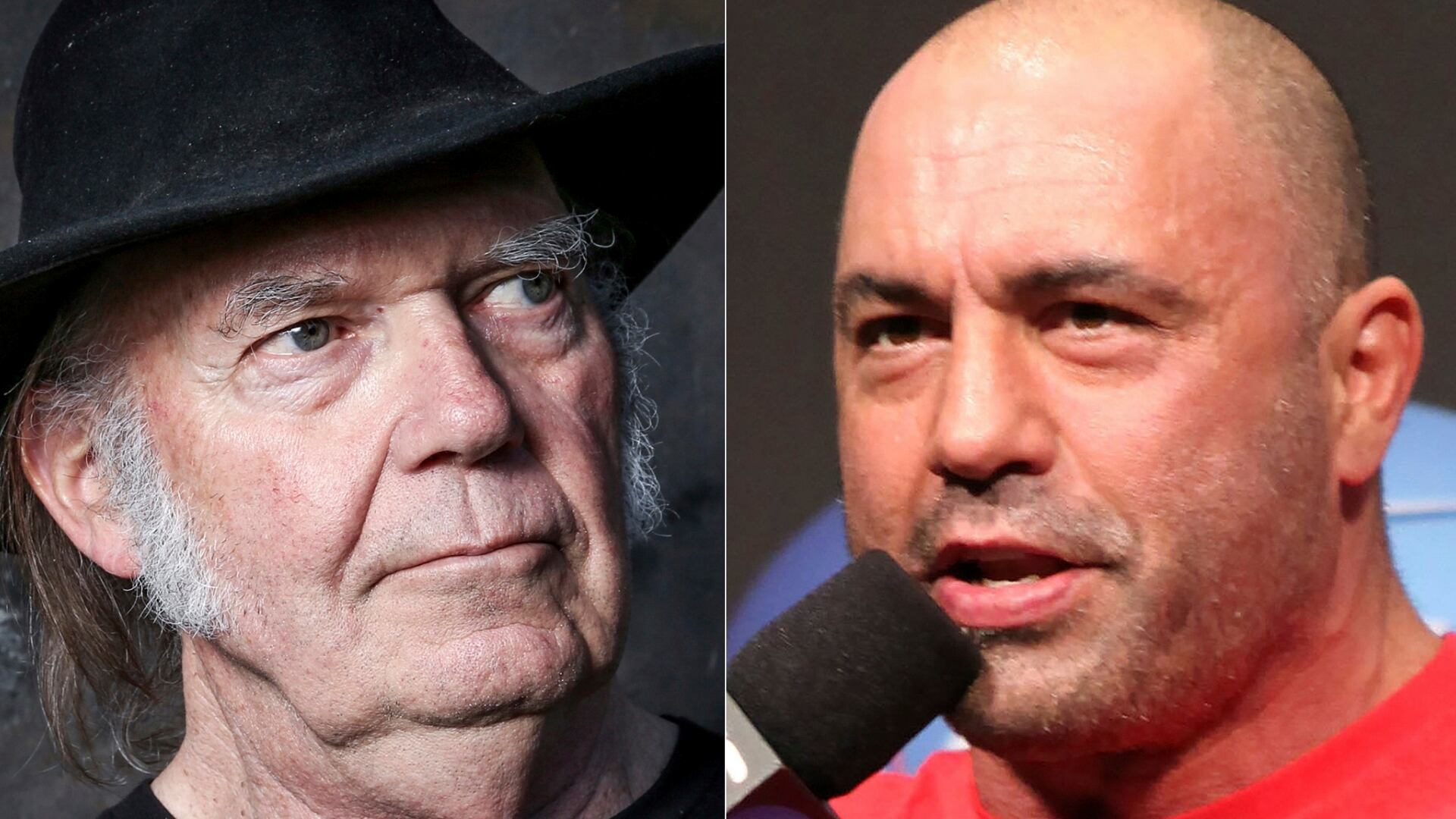
Neil Young has come up with an ultimatum for Spotify: his music or Joe Rogan’s podcast. This comes over concerns that the podcast is spreading COVID-19 vaccine misinformation to its listeners. "The Joe Rogan Experience," which is exclusive to Spotify, is currently the number one streamed podcast on the platform.
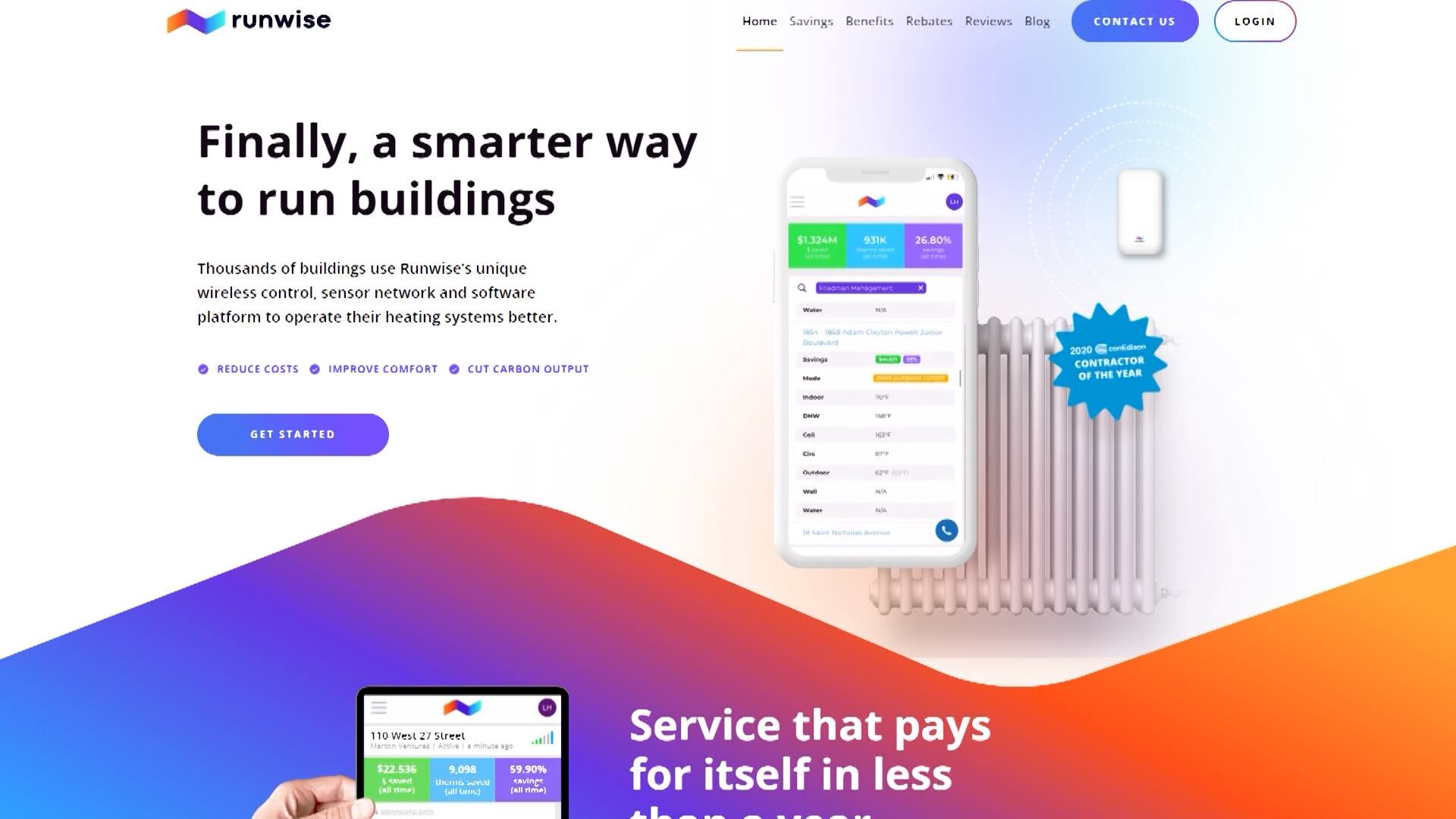
Commercial and residential buildings account for 13% of carbon emissions in the U.S., according to the EPA, and one company says it has a solution. Runwise says it has updated the boiler and heating systems of thousands of buildings, and that its technology not only lowers carbon output but also saves landlords money. Lee Hoffman, Co-Founder and COO of Runwise, joined Cheddar Climate to discuss.
Jo Ruxton, Founder of Ocean Generation, joins Cheddar Climate, where she explains the threat that plastic pollution poses to marine life, but elaborates on why we shouldn't be looking to ban plastic entirely. Ruxton also discusses her biggest takeaways while producing the film ‘A Plastic Ocean.'
President Joe Biden's Build Back Better deal seems all but finished after months of Democratic infighting and the Senate's deadlock over certain provisions. But Biden mentioned during a press conference marking his first year in office that 'chunks' of the bill could be passed. Is that enough motivation to force Democrats to rally around certain parts of the bill - especially those that focus on climate and green energy? Andrew Freedman, Energy and Climate Reporter at Axios, joins Cheddar Climate to discuss whether Senate Democrats will be able to rally around climate provisions, if the idea of passing Build Back Better in 'chunks' is doable, and more.
Anyone who remembers the 70s and 80s will probably remember acid rain. Industrial emissions acidified precipitation around the globe, which killed forests and crops, rendered lakes inhospitable, corroded buildings, and exacerbated human health problems.
But anyone who follows environmental news will be surprised to learn this: we solved it! Countries came together to limit acid rain-causing emissions, eliminating the problem altogether.
…kind of. Acidic precipitation may not be a thing of the past after all.
Natalie Ginsberg, Global Impact Officer, MAPS, joins Cheddar Reveals to discuss MAPS organization and its current initiatives and their work to get FDA approval for MDMA to treat PTSD.
Kelsey Ramsden, Co-Founder, President & CEO, Mind Cure Health, joins Cheddar Reveals to break down what 'psychedelic therapy' could look like once it's legalized and how Mind Cure Health is using AI to help treat everything from addiction to depression.
On this episode of Cheddar Reveals, Natalie Ginsberg, Global Impact Officer, MAPS, discusses the MAPS organization and its current initiatives and their work to get FDA approval for MDMA to treat PTSD; Kelsey Ramsden, Co-Founder, President & CEO, Mind Cure Health, breaks down what 'psychedelic therapy' could look like once it's legalized and how Mind Cure Health is using AI to help treat everything from addiction to depression; Cheddar gets a look at Curiosity Stream's 'Pain, Pus and Poison.'