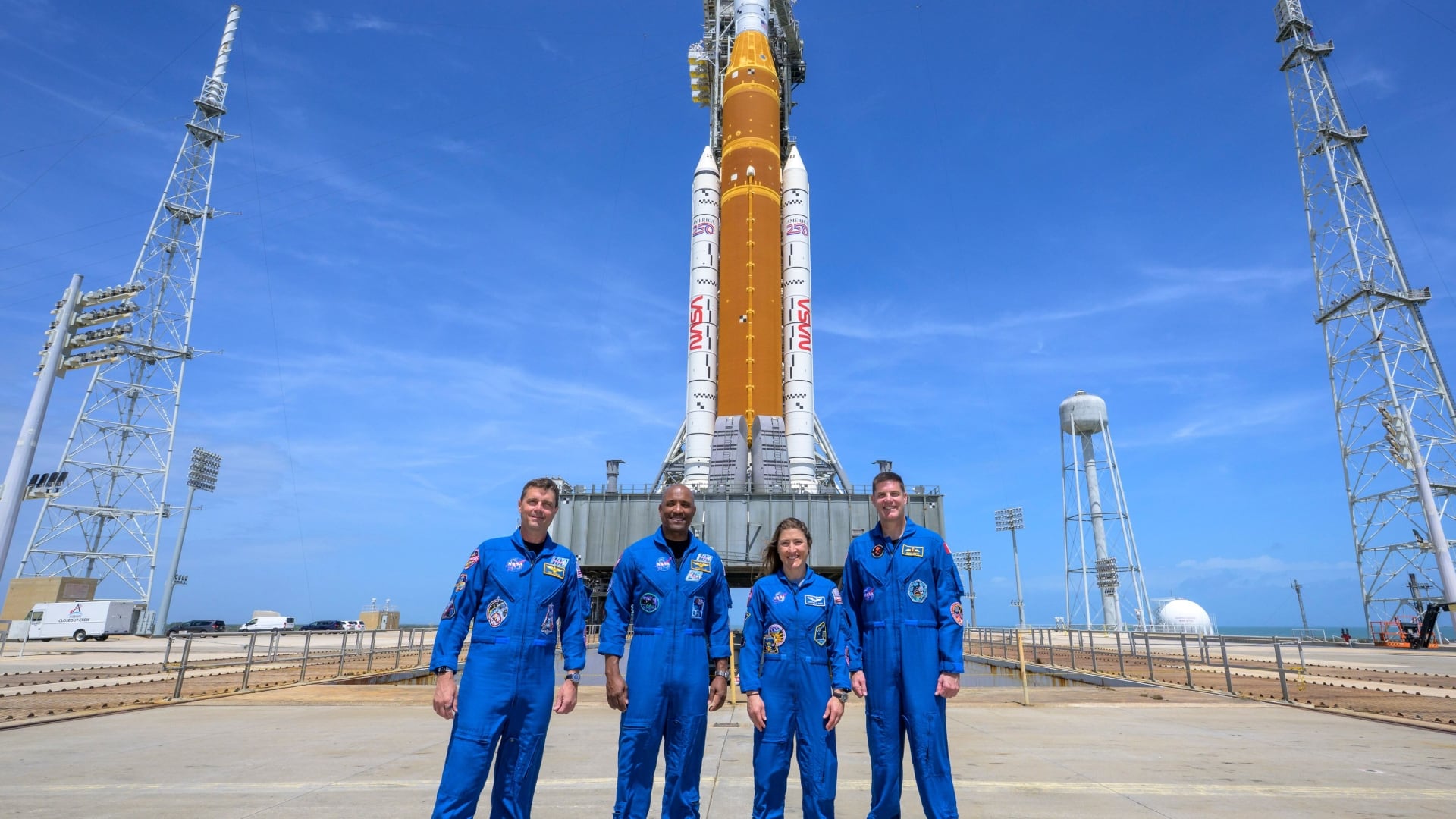
Astronaut Scott Kelly, who spent 340 days in space, has some advice for those who are experiencing loneliness during the coronavirus pandemic.
"I think the biggest lesson I learned is that even though you're isolated, you don't have to be alone," Kelly told Cheddar. "There are things that you can do, actions you can take to connect with people, because social isolation, especially for older adults, can lead to loneliness and depression, which is a public health threat."
Kelly is partnering with the AARP Foundation to promote this message in the coming month. The interest group dedicated to helping Americans over 50 is compiling resources on connect2affect.org, including articles, surveys, and a search function for local services, that aim to help older adults combat social isolation.
Behind this effort is a new study from the foundation showing that two-thirds of adults reported experiencing social isolation and high levels of anxiety during the pandemic, which is now well-understood to potentially cause harm to physical and mental health.
"One thing that NASA has learned by having people in space for a long time for many, many years is that being isolated can not only affect your mental health but also your physical health," he said. "Particularly your immune system can be affected by being isolated, by not getting outside, not getting enough sunlight, not getting out in nature, being disconnected from your friends and family."
Helping people overcome the stigma of seeking treatment for mental health issues is another aspect of the partnership. Kelly explained that he was required to speak with a psychologist every two weeks while living in space, whether he felt he needed it at the time or not.
Kelly also commented on another earthbound matter. His brother, fellow astronaut Mark Kelly, is currently running for Senate in Arizona on the Democratic ticket. If he wins, it could have significant consequences regarding, for instance, the confirmation of a Supreme Court nominee like Amy Coney Barrett.
"Well I'm his brother, so of course I'm a big supporter of his," he said. "I think people mostly need to understand that even though it's not a requirement in our country to vote, that I think it's a civic responsibility, and as we get closer to the election, everyone should have a plan to vote."
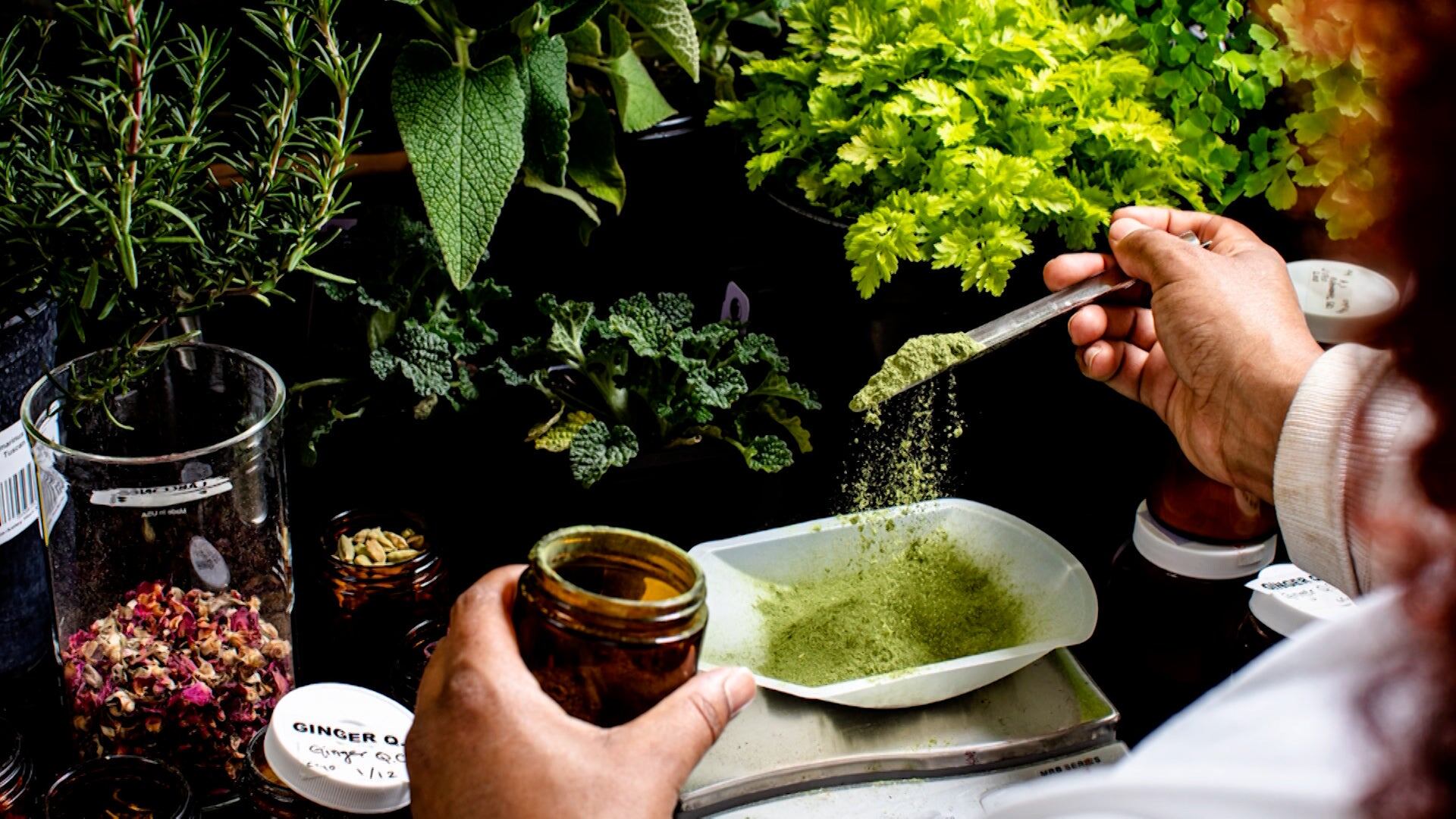
Brightseed Co-Founder Sofia Elizondo breaks down what plant bioactives are, and how they're using the latest technology to study human's biological connections with plants.
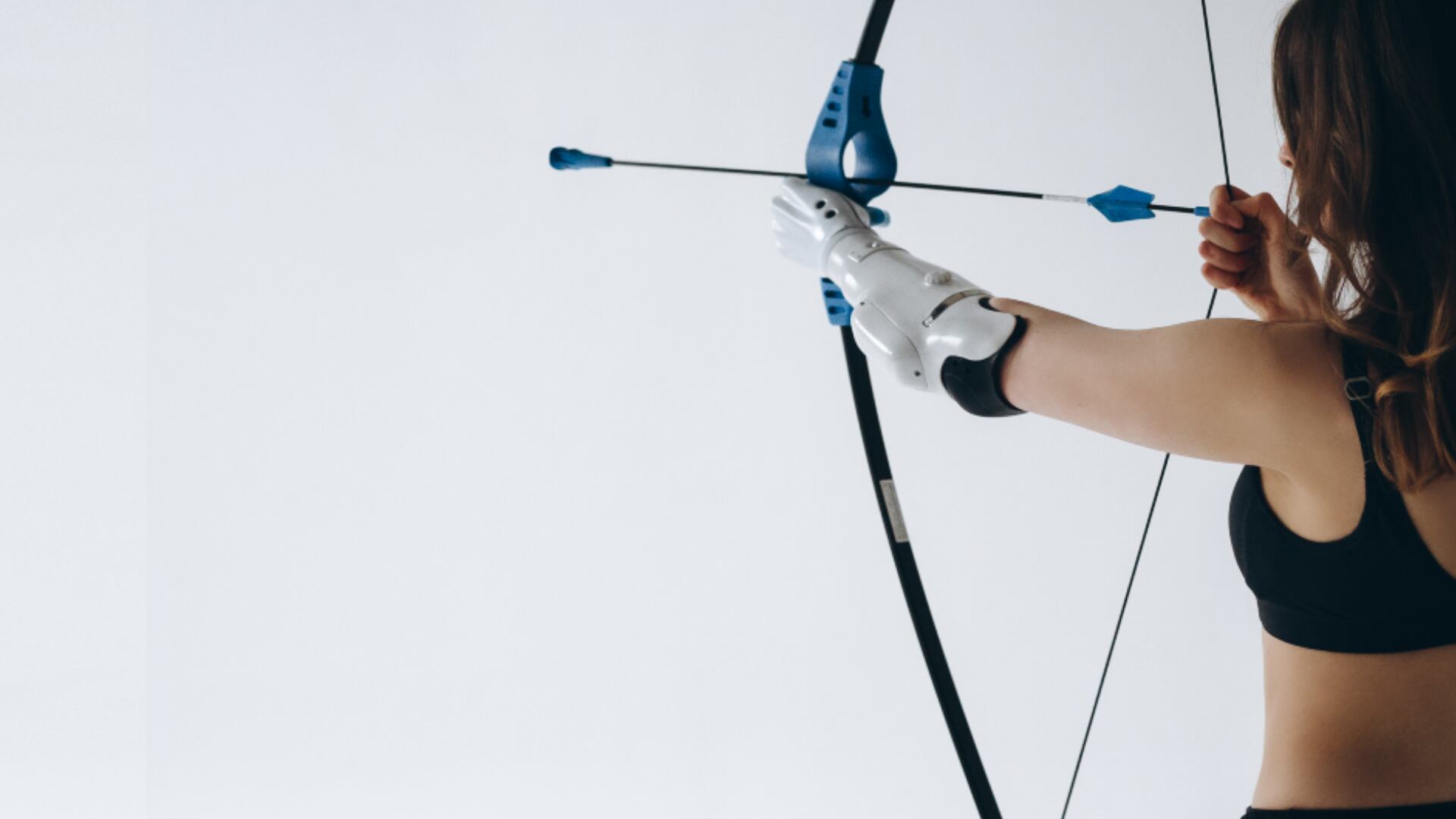
On this episode of Cheddar Innovates: Brightseed Co-Founder breaks down what plant bioactives are, and how they're using the latest technology to study human's biological connections with plants; Esper Bionics CEO breaks down how they re creating a mind-controlled bionic hand that guest smarter the more you use it; Cheddar gets a look at Curiosity Stream's 'Capturing A Black Hole In Our Milky Way.'
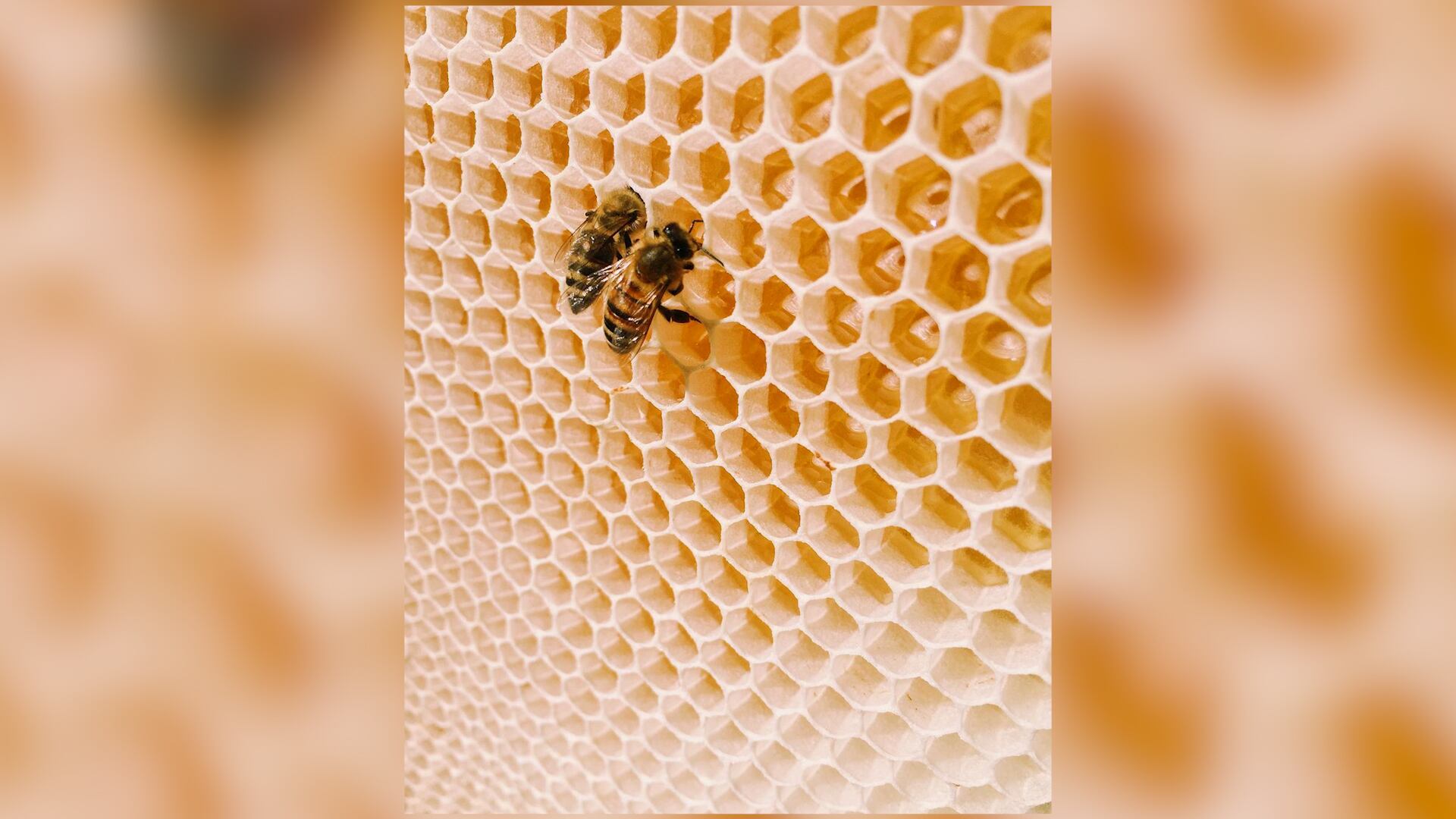
Hilary Kearney, Founder of Girl Next Door Honey, joined Closing Bell to discuss her partnership with Comvita to save the important pollinators, as bee colonies are on the decline across the United States.
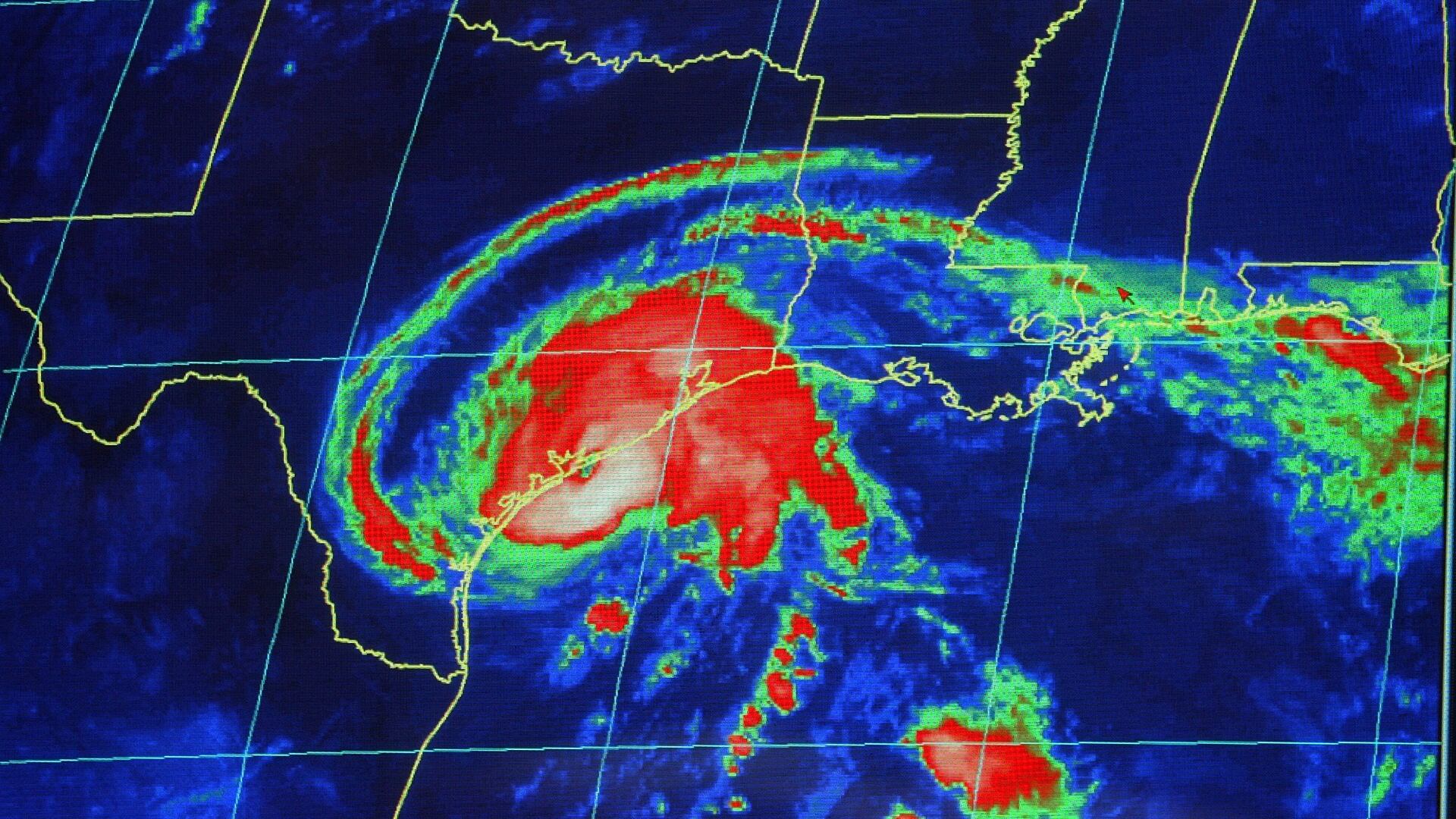
Hurricane climatologist Jill Trepanier joined Cheddar News to discuss NOAA's announced prediction for an above-normal hurricane season and what it might mean for people in the United States. "I think it's important that people who maybe haven't been used to having extreme weather events related to say tropical cycles and tropical systems, like thinking New Jersey, Northeastern seaboard, that area may get more action than they're used to in the past," she said.
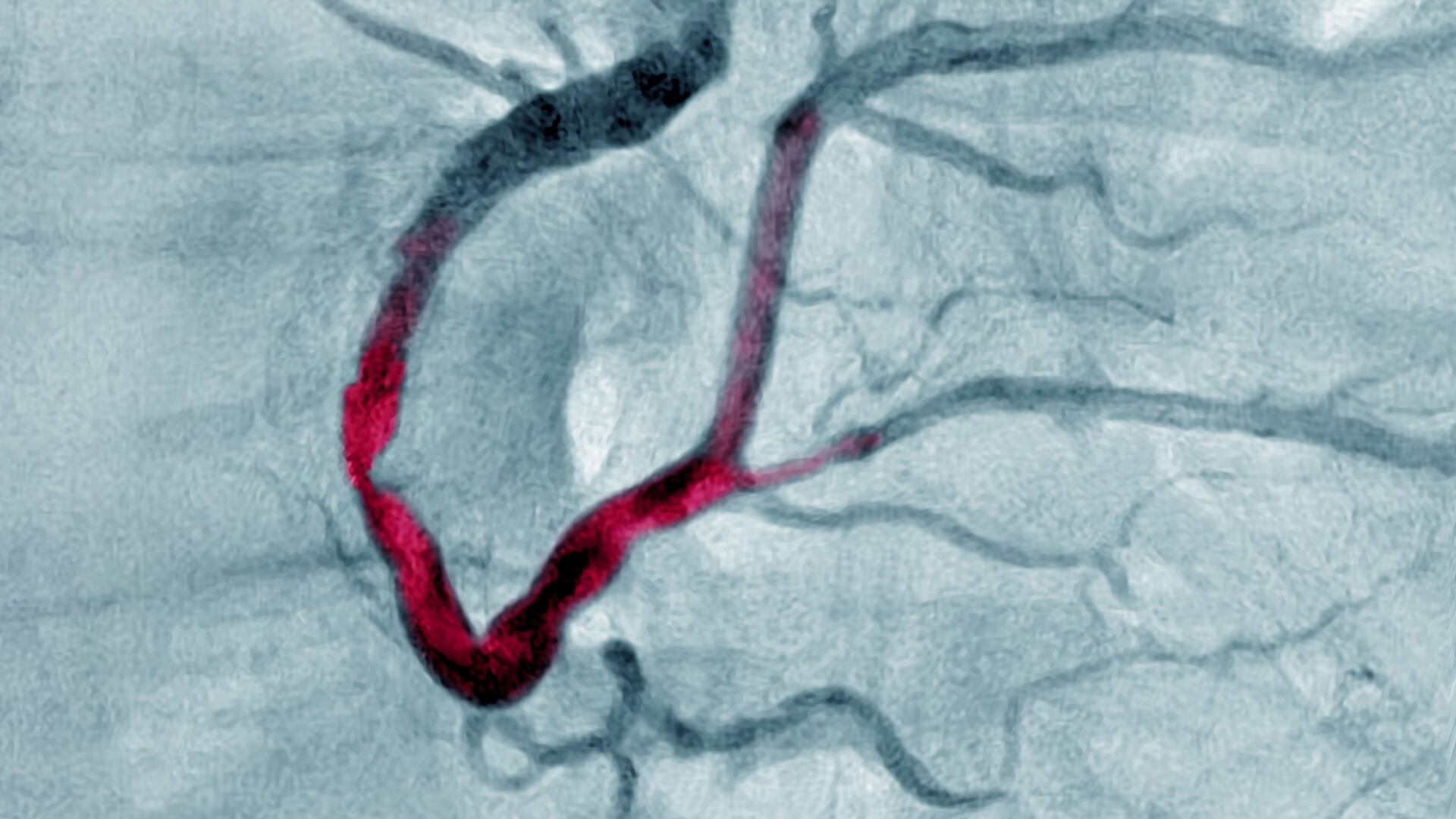
Dr. Jarrad Aguirre, Co-Founder and CEO of Miga Health, joins Cheddar News' Closing Bell, where he says his company is looking to establish the future of heart health and points to how 80% of premature heart attacks and strokes are preventable.
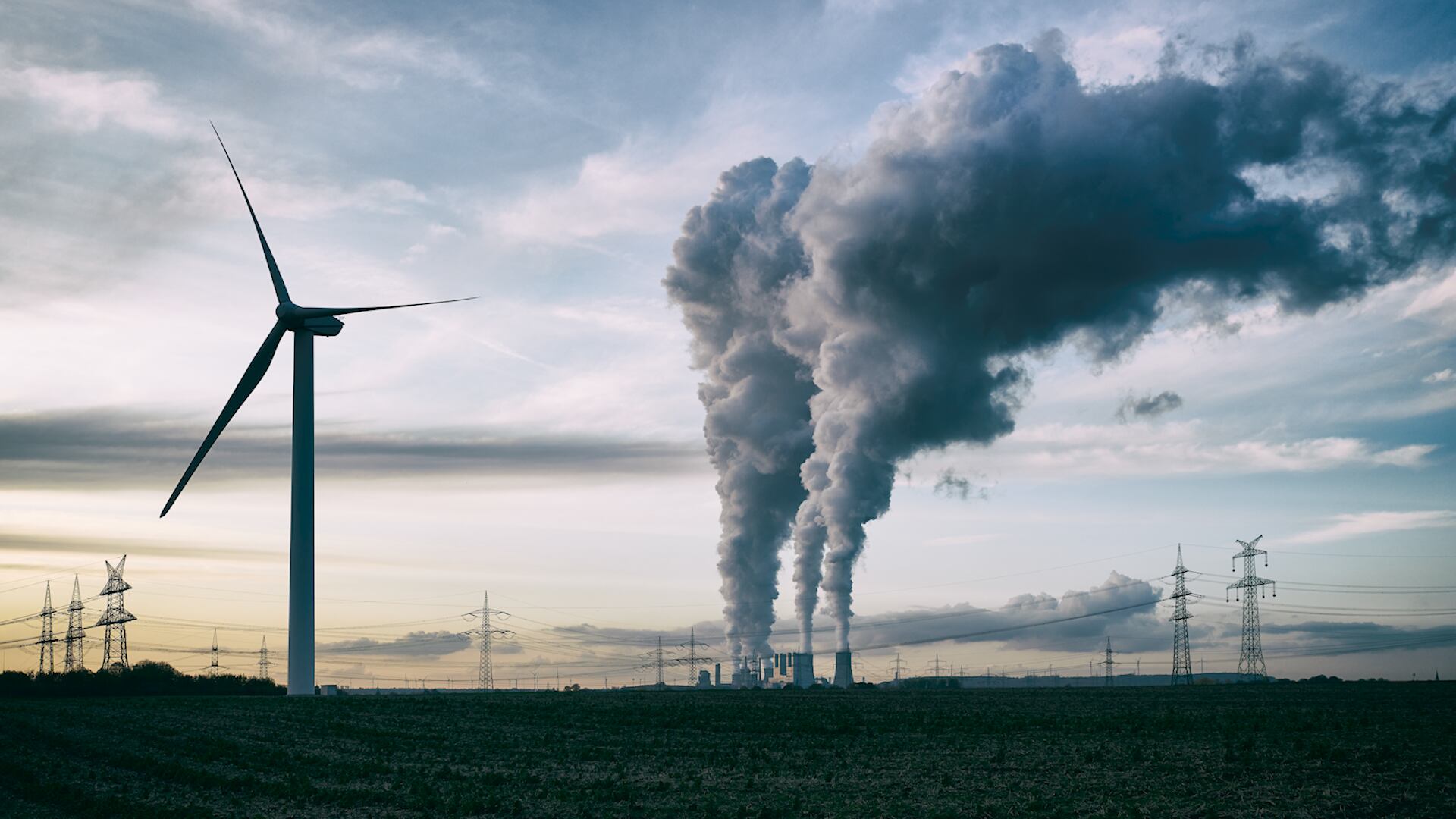
On this episode of Cheddar Reveals, David Keith, Professor of Applied Physics at the Harvard School of Engineering and Applied Sciences and Professor of Public Policy at the Harvard Kennedy School, and founder of Carbon Engineering outlines the viability of solar geoengineering as a solution to help reverse the effects of global warming; Lena Geraghty, Sustainability & Urban Innovation Director at National League of Cities, discusses which U.S. cities are safest from global warming and how the real estate market will be impacted from the effects of climate change; Cheddar gets a look at Curiosity Stream's 'Changing Ocean Asia.'
David Keith, Professor of Applied Physics at the Harvard School of Engineering and Applied Sciences and Professor of Public Policy at the Harvard Kennedy School, and founder of Carbon Engineering joins Cheddar Reveals to outline the viability of solar geoengineering as a solution to help reverse the effects of global warming.
Lena Geraghty, Sustainability & Urban Innovation Director at National League of Cities, joins Cheddar News to discuss which U.S. cities are safest from global warming and how the real estate market will be impacted from the effects of climate change.
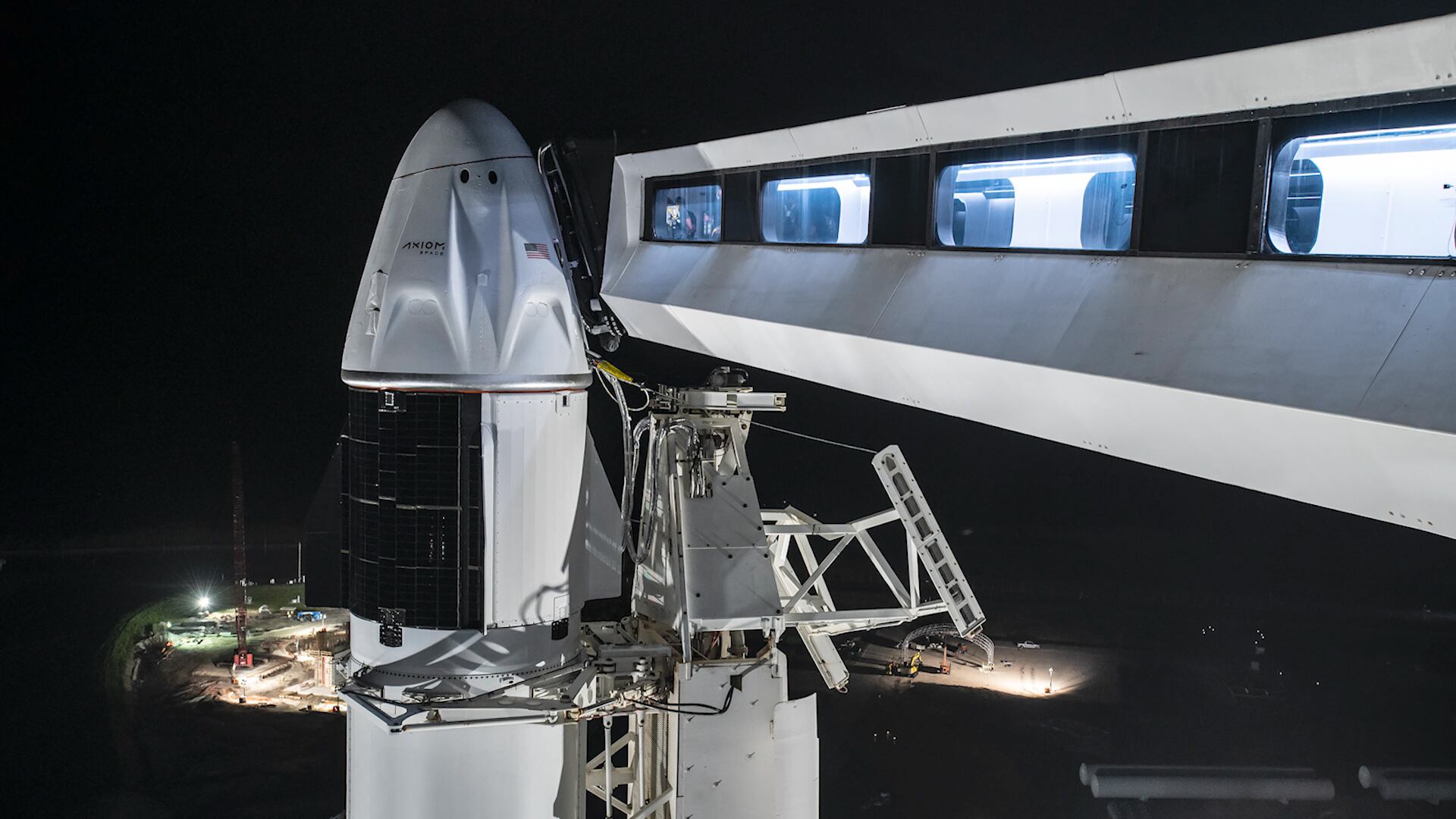
Peggy Whitson, Director of Human Space Flight, Axiom Space, joins Cheddar Innovates to discuss Axiom's involvement in the first fully-private mission to the ISS, and her experience spending 665 days in space.
On this episode of Cheddar Innovates, Peggy Whitson, Director of Human Space Flight, Axiom Space, breaks down Axiom's involvement in the first fully-private mission to the ISS, and her experience spending 665 days in space; William Li and Danielle Chang, co-founders of The Hao Life, discuss how they're shaking up the $71 billion supplement industry by putting a modern spin on traditional natural Chinese remedies; Cheddar gets a look at Curiosity Stream's 'Sagrada Familia: Gaudi's Challenge.'