Astronaut Scott Kelly: In Space, You Can't See Political Divides
*By Chloe Aiello*
Astronaut Scott Kelly saw the sun rise and set about 32 times each day during the 520 total days he spent in outer space. He also spent considerable time looking at Planet Earth. Naturally, it changed his perspective ー in the most literal sense.
"You do get more in tune with the environmental issues when you see that our atmosphere is very fragile looking, very small ... you see pollution over certain parts of the planet. You see the Earth with no political borders between countries," Kelly told Cheddar Friday.
"That makes it seem like, you know, we're are all in this together ー this thing called humanity ー and we need to work together to solve our problems."
That's the perspective Kelly shares through images in his latest book, "Infinite Wonder: An Astronaut's Photographs from a Year in Space." The book contains Kelly's personal photography, which captures the Earth and Moon, sunrises and sunsets, and even life aboard the International Space Station, where Kelly spent so many hours.
But as awe-inspiring as his photos may be, there's nothing quite like the real thing. But Kelly said we're closer than we realize to space ー especially with Jeff Bezos and Elon Musk on the case.
Kelly said he had the chance to visit Bezos' aerospace company Blue Origin a little over one year ago.
"They are absolutely serious. They are not kidding around. They are going to be flying people in space pretty soon, and I think it's a great thing," Kelly said.
Bezos has said his company hoped to begin ferrying humans to outer-space in 2018 ー with the eventual goal of regularly transporting wealthy tourists in suborbital flight. Billionaire entrepreneur Musk's SpaceX also has radically ambitious space aspirations, including a mission to Mars in 2022 and a tour around the Moon [Musk reportedly arranged](https://www.bbc.com/news/business-45518776) for tourists as early as 2018. The Moon trip has yet to happen.
Kelly said it doesn't really matter who transports civilians to space first.
"I don't look at it as a race who will be flying people in space first, whether it's SpaceX or Blue Origin, I think it'll probably all be around the same time, actually," he said.
Kelly would certainly know better than most.
For full interview [click here](https://cheddar.com/videos/former-nasa-astronaut-scott-kelly-discusses-earths-infinite-wonders).
Between uncertainty over the Omicron variant, and the possibility of a sooner-than-expected taper from the Fed, it was an especially volatile week for the markets. The release of the November jobs report on Friday, with job growth coming in way lower than estimates also caused movement on the market. Frances Stacy, Director of Strategy at Optimal Capital explains why all of this, combined with Bitcoin’s huge drop over the weekend, could make for another rough week for investors.
Ahead of Instagram head Adam Mosseri's congressional hearing on the mental impact of the social platform on teens, the company announced a number of updates aimed at teen safety.
Developers for the video game "Call of Duty: Warzone" staged a walkout in protest of 12 quality assurance testers being laid off by parent company Activision Blizzard. This marks the latest work stoppage for the embattled game publishing giant.
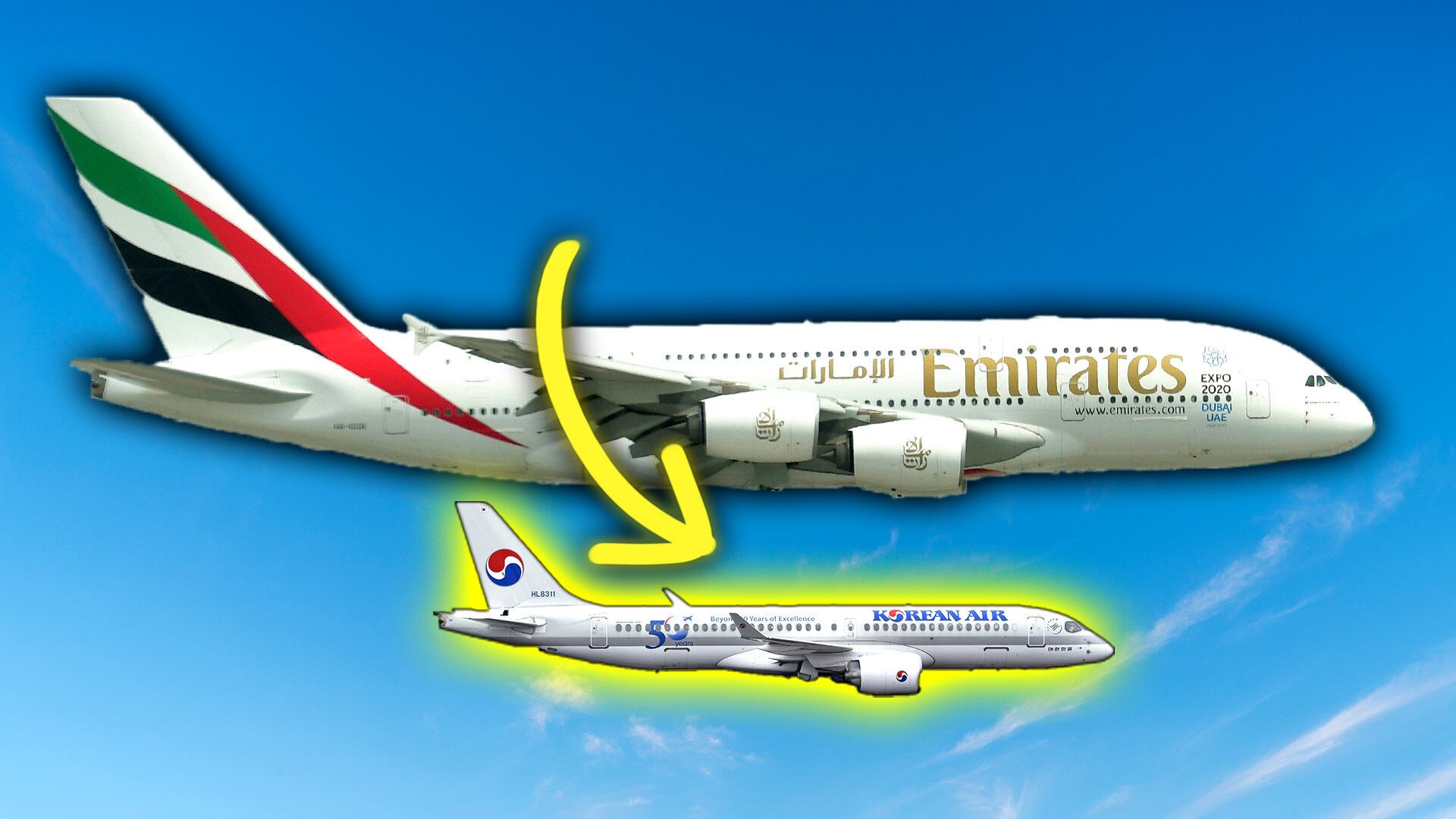
Earlier this year, JetBlue flew its inaugural flight into the United Kingdom. It was a game changer — not only did the airline enter the transatlantic market, but the plane that completed the flight was a single-aisle jet. For decades, flying the distance was synonymous with jumbo jets, but today narrow-body aircraft are now proving they are up for the task — and maybe even the best option. In this episode, Cheddar examines why airlines are betting on narrow-body aircraft.
2022 is just around the corner and one of the world's most famous trendspotters says that there is a wide-ranging mix of trends coming up in the new year that could impact businesses, culture, and our society at large.
Trendspotter and cultural zeitgeist analyst Marian Salzman, joined Cheddar to discuss more.
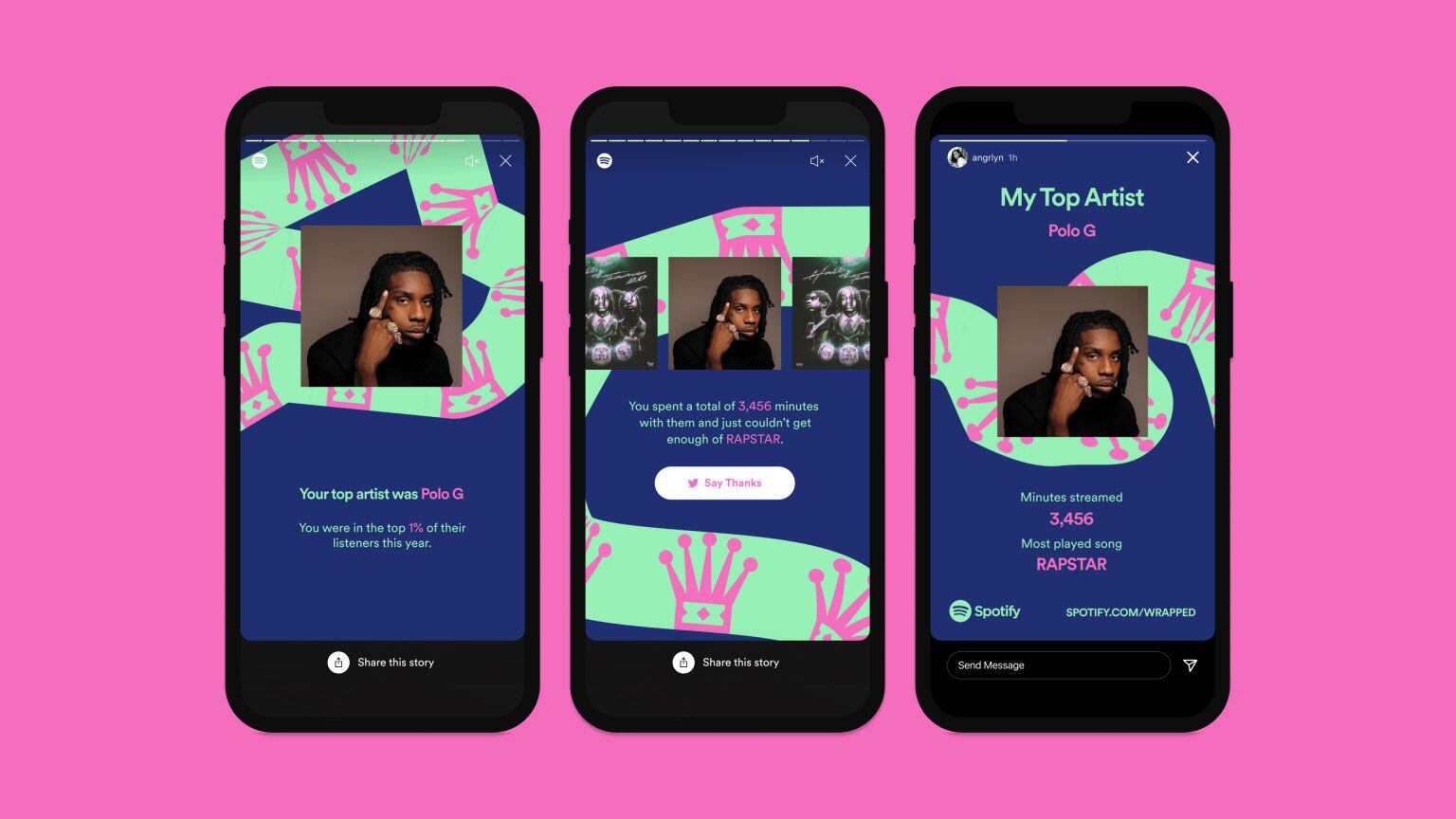
Spotify has just officially released its 2021 'Wrapped'. For the past few years, the streaming giant has been presenting customers with their listening habits from the prior year, including favorite artists, most listened to the genre, podcasts, songs you name it. However, critics say this method just shows how apps can collect our data. CEO of Prevailion Karim Hijazi, joined Cheddar to discuss more.
Recent internal documents obtained by the New York Times reveal how exactly TikTok's algorithm works. The report highlights how the app is mainly focused on retaining two metrics which are retention and time spent. In addition, the document titled, "TikTok Algo 101" details how the algorithm understands human nature from when we get bored to our sensitivity and culture ques. It means the app monitors will kind of videos you like. Professor of Computer Science at the University of California in San Diego Julian McCauley, joined Cheddar to discuss more.
Carlo and Baker discuss the sweeping new vaccine mandate in NYC that will target all private businesses. Plus, Trump's media venture gets its CEO and more.