As U.S. investors returned to the markets Tuesday after a long weekend, they found Asian stock markets dropping on fears that a flu-like virus in China could spread and become a pandemic.
A top Chinese health official confirmed on Monday that the so-called coronavirus is now able to spread via human-to-human contact, similar to how influenza can be "caught" from a handshake or sneeze. The virus has already killed at least six people in central China, where it is believed to have originated, according to local reports. Confirmed cases of the virus, which resembles pneumonia in its symptoms, have jumped to nearly 300, adding a new element of worry for public health officials in Asia as tens of millions of people are set to travel in the coming days to celebrate the Lunar New Year.
That worry translated to a nearly 1.5 percent drop in the Shanghai Composite at Tuesday's close, its biggest decline in weeks. The Nikkei in Japan and Hang Seng in Hong Kong also closed lower. Hong Kong stocks had their worst day in five months, partly due to fears that the coronavirus could jump from the mainland and add a new burden on top of the protests that have crippled the region's economy.
The World Health Organization has convened an emergency meeting, scheduled for Wednesday in Geneva, to determine whether the outbreak constitutes a public-health emergency that would allow the WHO to deploy resources.
With the coronavirus now communicable through person-to-person contact, it resembles the early days of the SARS outbreak, which began with a similar type of virus and ultimately killed nearly 800 people in southern China in 2002 and 2003.
Co-founder and executive chairman of the board at Vaxxinity Lou Reese shares how the company is working to bring vaccines for chronic illnesses like heart disease and Parkinson’s to market with an eye for accessibility.
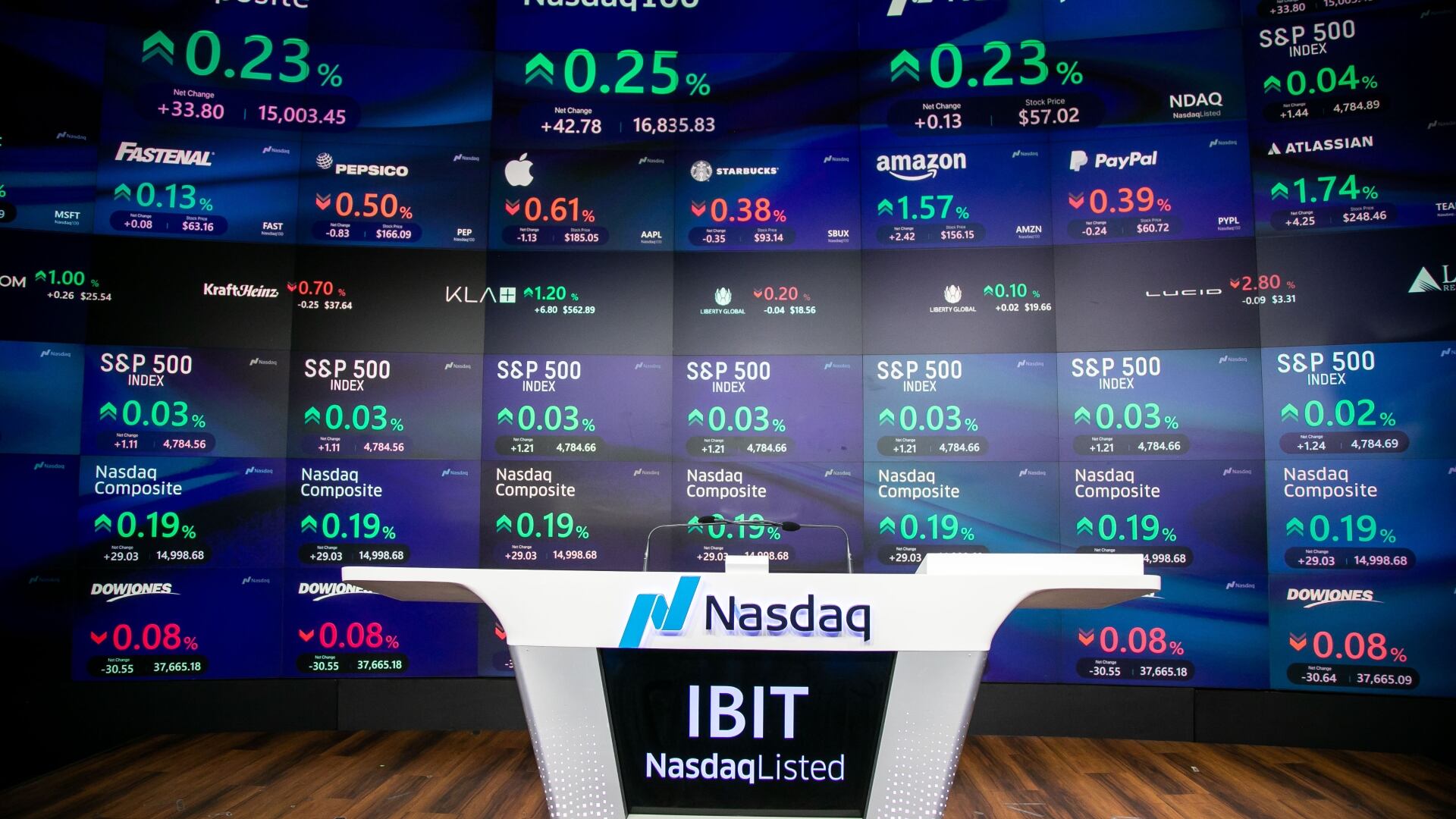
Mario Veneroso, Kingsview Asset Management Partner, weighs in on the latest economic data and whether the market is pricing in too many rate cuts for the coming year.
Apple has rolled out an update to its operating system this week with a feature called Stolen Device Protection. It makes it a lot harder for phone thieves to access key functions and settings, and users are being urged to turn it on immediately.
The U.S. economy grew at an unexpectedly brisk 3.3% annual pace from October through December as Americans showed a continued willingness to spend freely despite high interest rates and frustrating price levels.
Alan Becker, CEO and Investment Adviser Representative at Retirement Solutions Group and RSG Investments, shares his thoughts on the latest GDP data plus why he's not sold cryptocurrency as a long-term asset.
The Biden administration wants to ban another type of bank “junk fee," targeting fees that are typically charged by banks when a transaction is declined in real time.
Al Root, senior writer at Barron’s, breaks down everything expected from Tesla’s earnings report, from Elon Musk’s demands from the board to why the market has been looking for affordable EV options.