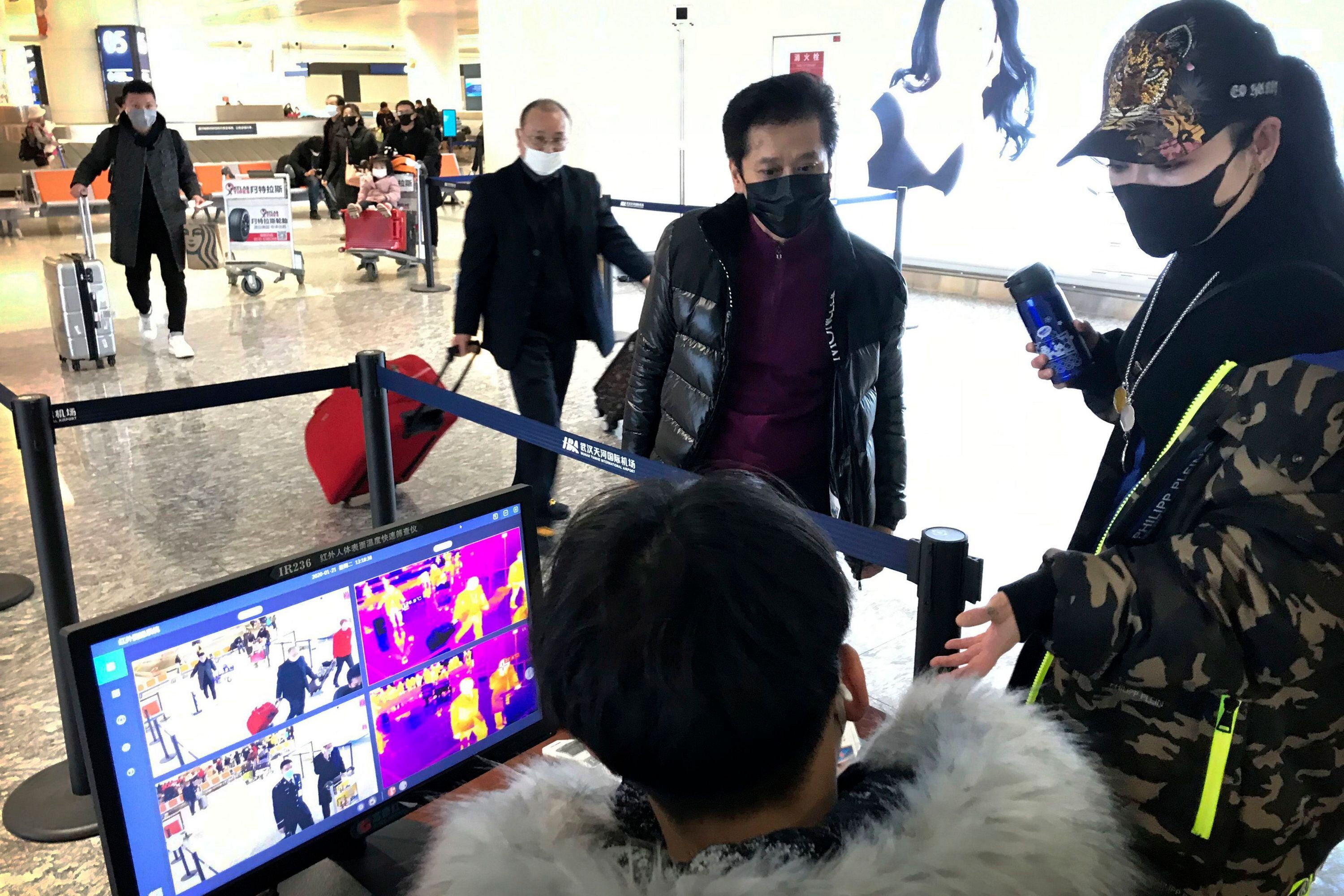
As U.S. investors returned to the markets Tuesday after a long weekend, they found Asian stock markets dropping on fears that a flu-like virus in China could spread and become a pandemic.
A top Chinese health official confirmed on Monday that the so-called coronavirus is now able to spread via human-to-human contact, similar to how influenza can be "caught" from a handshake or sneeze. The virus has already killed at least six people in central China, where it is believed to have originated, according to local reports. Confirmed cases of the virus, which resembles pneumonia in its symptoms, have jumped to nearly 300, adding a new element of worry for public health officials in Asia as tens of millions of people are set to travel in the coming days to celebrate the Lunar New Year.
That worry translated to a nearly 1.5 percent drop in the Shanghai Composite at Tuesday's close, its biggest decline in weeks. The Nikkei in Japan and Hang Seng in Hong Kong also closed lower. Hong Kong stocks had their worst day in five months, partly due to fears that the coronavirus could jump from the mainland and add a new burden on top of the protests that have crippled the region's economy.
The World Health Organization has convened an emergency meeting, scheduled for Wednesday in Geneva, to determine whether the outbreak constitutes a public-health emergency that would allow the WHO to deploy resources.
With the coronavirus now communicable through person-to-person contact, it resembles the early days of the SARS outbreak, which began with a similar type of virus and ultimately killed nearly 800 people in southern China in 2002 and 2003.
Accrue CEO and founder Michael Hershfield explains why Americans' credit card delinquencies are on the rise, advice on what can help, and the key difference between Boomers and Gen Z when it comes to money.
Senior Economist at Morning Consult Kayla Bruun shares thoughts on what to expect from the Fed's January meeting and where monetary policy is headed, as well as how consumers are faring.
Former Medtronic CEO and author of 'True North' Bill George explains the steps Boeing leadership must take to regain client and consumer trust after 737 Max 9 production was stopped.
Amazon blamed "regulatory hurdles" for calling off its proposed acquisition of robot vacuum maker iRobot. Not even a Roomba could clean up the deal's antitrust scrutiny.
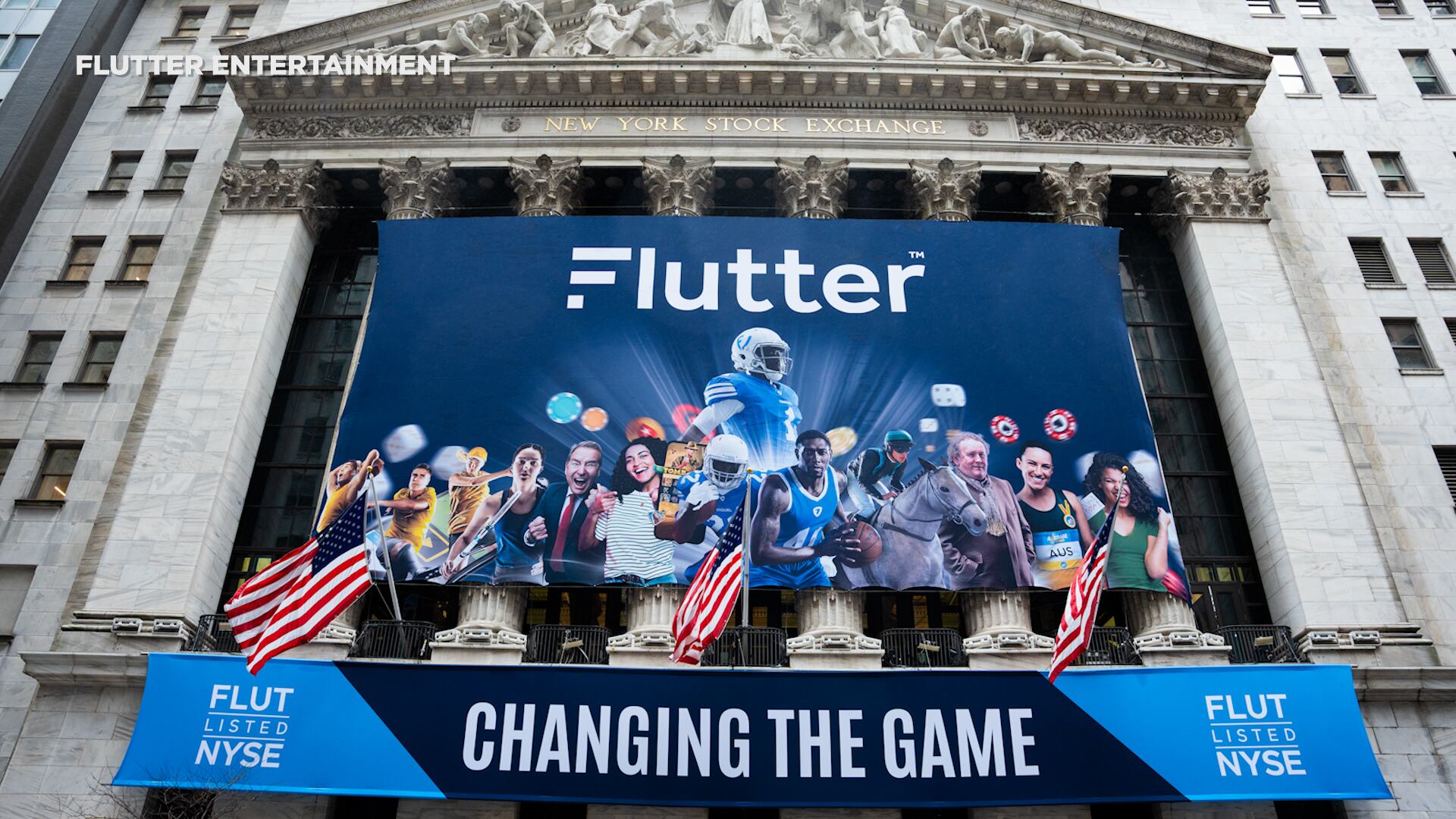
To celebrate Flutter Entertainment's debut on the NYSE, FanDuel CEO Amy Howe shares her thoughts on the company's plans for growth, the future of online sportsbetting, and Super Bowl Sunday.
Investopedia's Caleb Silver shares thoughts on the upcoming Fed meeting, why individual investors are still slightly skeptical, and what he's looking for from mega cap tech earnings.
Season's greetings! Tax season, that is. January 29 is the first day you can file your tax return. We walk you through each step — plus a checklist you can download.
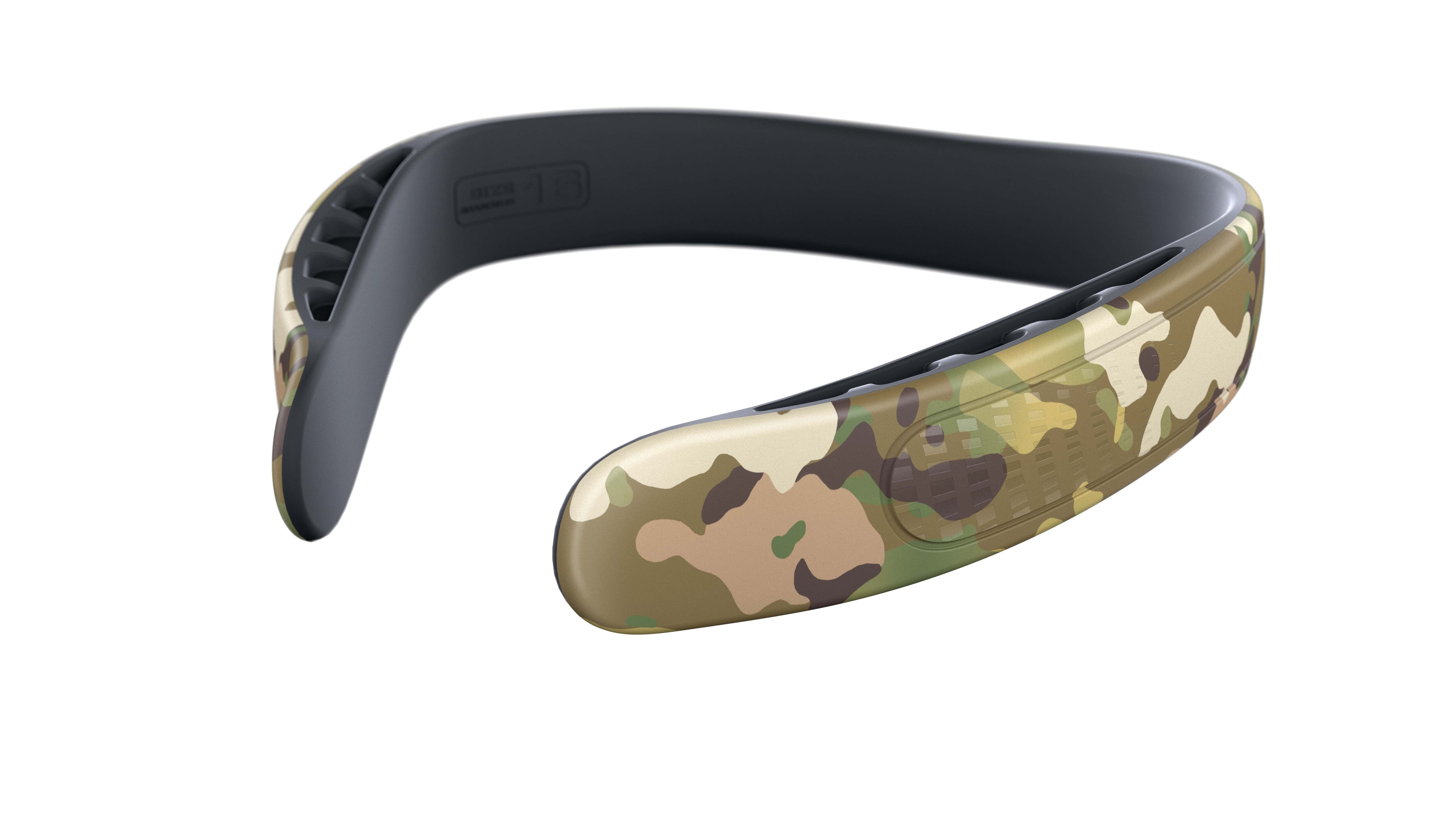
The Q-Collar helps protect athletes from impact-related concussions. Now, the U.S. Army is evaluating if the device could help reduce traumatic brain injury cased by blast weapons.