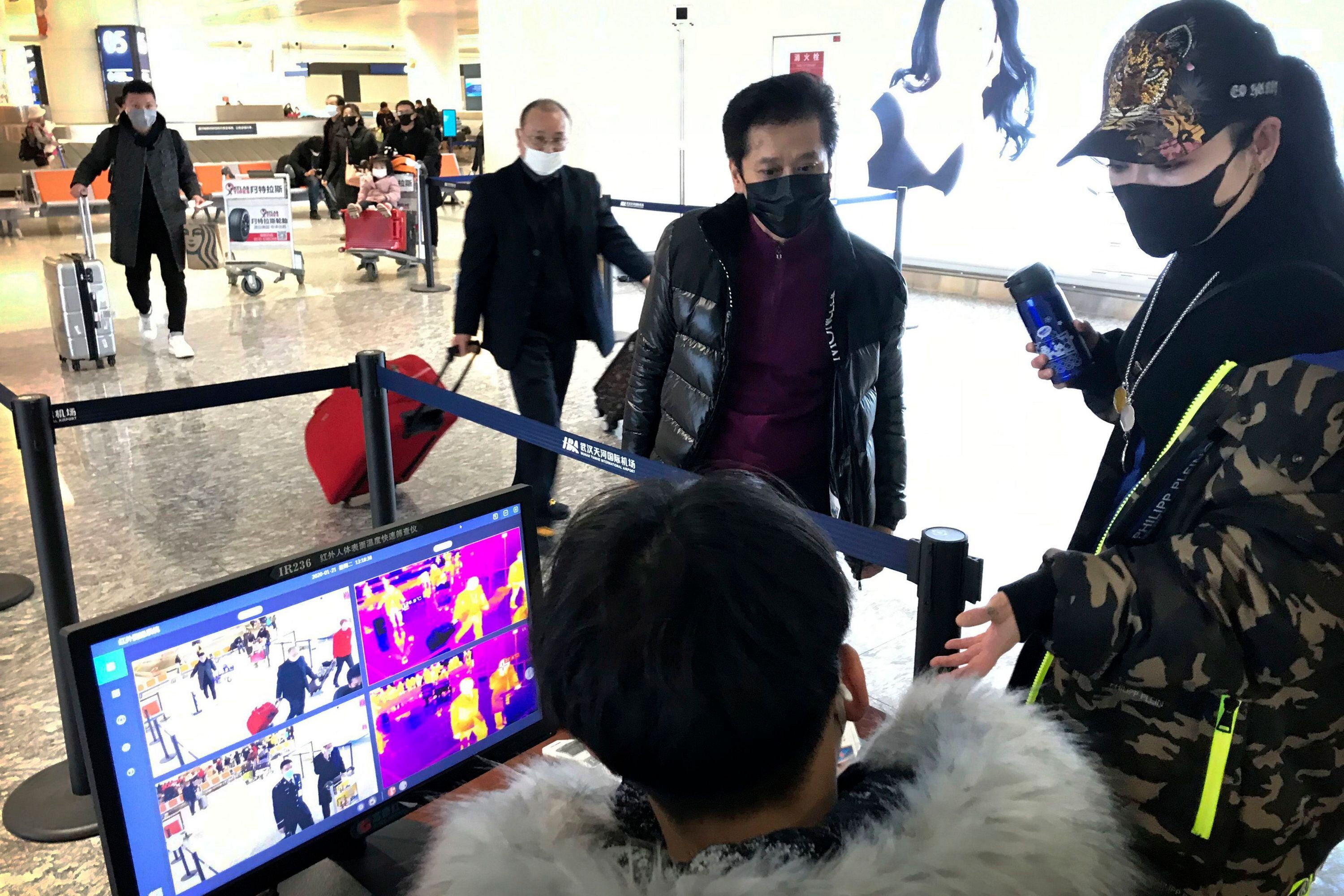
As U.S. investors returned to the markets Tuesday after a long weekend, they found Asian stock markets dropping on fears that a flu-like virus in China could spread and become a pandemic.
A top Chinese health official confirmed on Monday that the so-called coronavirus is now able to spread via human-to-human contact, similar to how influenza can be "caught" from a handshake or sneeze. The virus has already killed at least six people in central China, where it is believed to have originated, according to local reports. Confirmed cases of the virus, which resembles pneumonia in its symptoms, have jumped to nearly 300, adding a new element of worry for public health officials in Asia as tens of millions of people are set to travel in the coming days to celebrate the Lunar New Year.
That worry translated to a nearly 1.5 percent drop in the Shanghai Composite at Tuesday's close, its biggest decline in weeks. The Nikkei in Japan and Hang Seng in Hong Kong also closed lower. Hong Kong stocks had their worst day in five months, partly due to fears that the coronavirus could jump from the mainland and add a new burden on top of the protests that have crippled the region's economy.
The World Health Organization has convened an emergency meeting, scheduled for Wednesday in Geneva, to determine whether the outbreak constitutes a public-health emergency that would allow the WHO to deploy resources.
With the coronavirus now communicable through person-to-person contact, it resembles the early days of the SARS outbreak, which began with a similar type of virus and ultimately killed nearly 800 people in southern China in 2002 and 2003.