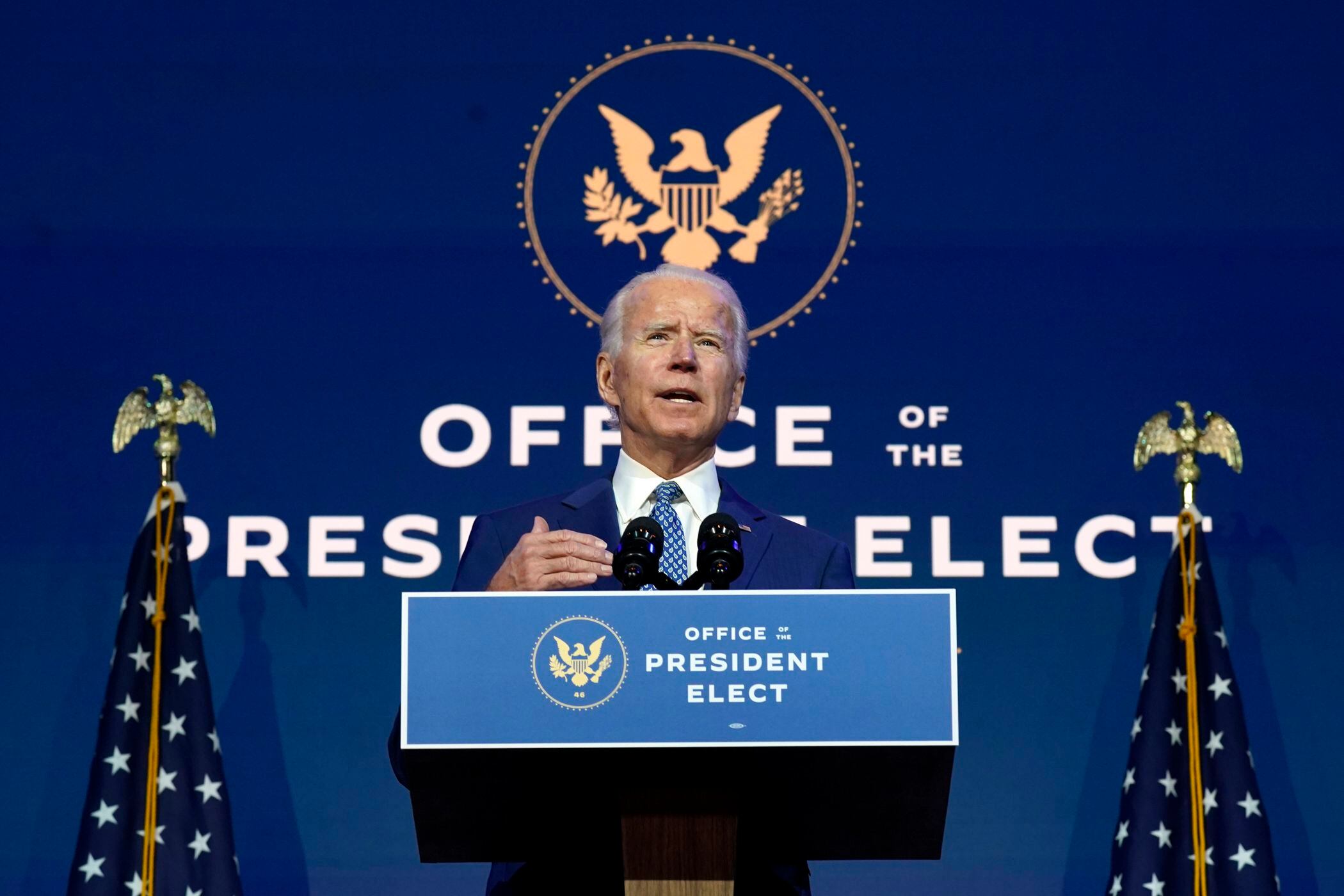
President-elect Joe Biden speaks Monday, Nov. 9, 2020, at The Queen theater in Wilmington, Del. (AP Photo/Carolyn Kaster)
By Zeke Miller
The course of President-elect Joe Biden’s transition to power is dependent in part on an obscure declaration called “ascertainment.”
Here are some details on that process:
WHAT IS ASCERTAINMENT?
The formal presidential transition doesn’t begin until the administrator of the federal General Services Administration ascertains the “apparent successful candidate” in the general election. Neither the Presidential Transition Act nor federal regulations specify how that determination should be made. That decision green lights the entire federal government’s moves toward preparing for a handover of power.
WHY HASN'T IT HAPPENED YET?
Spokesperson Pamela Pennington said in a statement that “GSA and its Administrator will continue to abide by, and fulfill, all requirements under the law,” but the agency has not said why the decision to recognize Joe Biden as the president-elect has not been made. GSA is an executive branch agency. Its administrator, Emily Murphy, is a Trump appointee, but the ascertainment decision is supposed to be apolitical. The White House did not say whether there have been conversations on the matter between officials there and at GSA.
WHAT'S AT STAKE?
The determination clears the way for millions of federal dollars to flow to Biden’s transition team and opens the doors of the federal government to hundreds of Biden staffers, so they can begin assessing agency operations ahead of Inauguration Day on Jan. 20. A delay in recognizing Biden as the next president could slow federal resources to assist the Biden-Harris team in filling about 4,000 political appointments across the government — including critical national security and health postings.
WHY DOES IT MATTER?
Slowing the pace of the transition could hamstring a new administration right out of the gate. The Trump administration, experts say, never fully recovered from the slow pace of hiring from its mismanaged 2016 transition after Trump tossed aside carefully prepared plans the day after his victory.
HAS THIS DELAY EVER HAPPENED BEFORE?
In 2000, the GSA determination was delayed until after the Florida recount fight was settled. The abbreviated transition process was identified by the 9/11 Commission Report as contributing to the nation’s unpreparedness for the crisis.
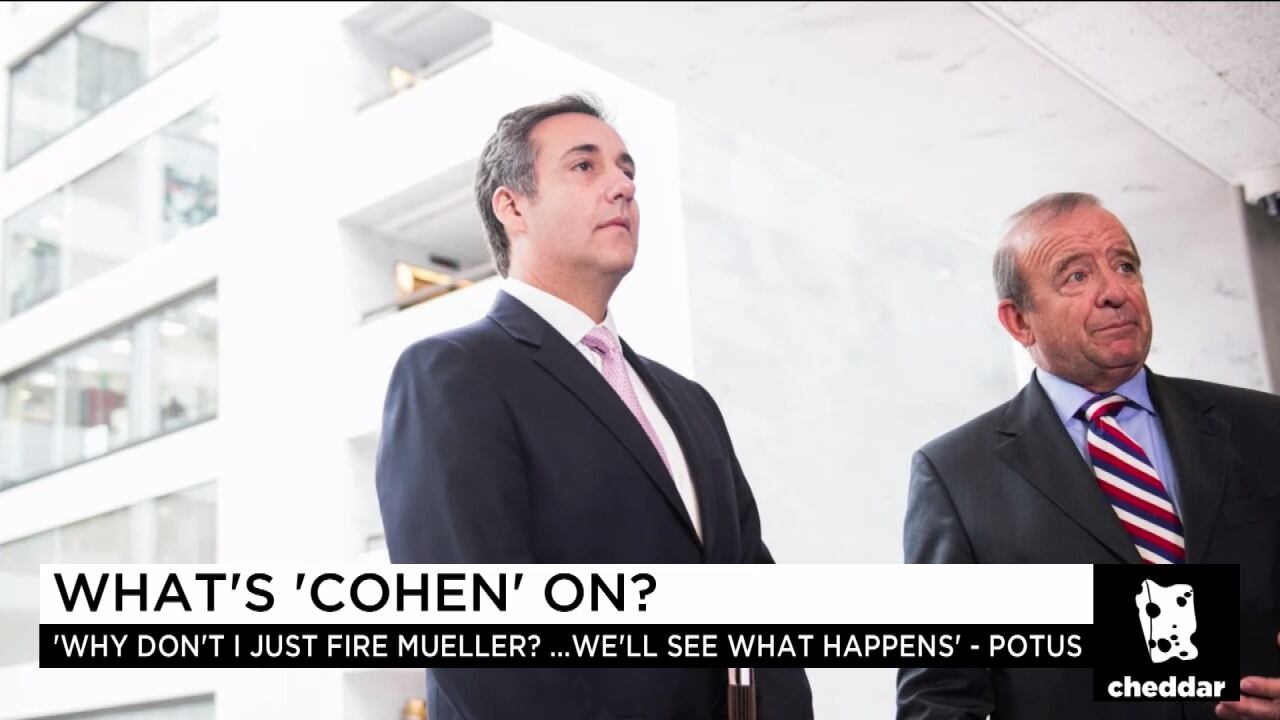
It is extremely rare for federal prosecutors to get search warrants for lawyers "because they usually want to protect attorney-client privilege," explains Politico's Daniel Lippman. The fact that the FBI moved on Cohen suggests he "might not have been totally legal" in his work for Trump. The president blasted the raid, calling it a "disgraceful situation."
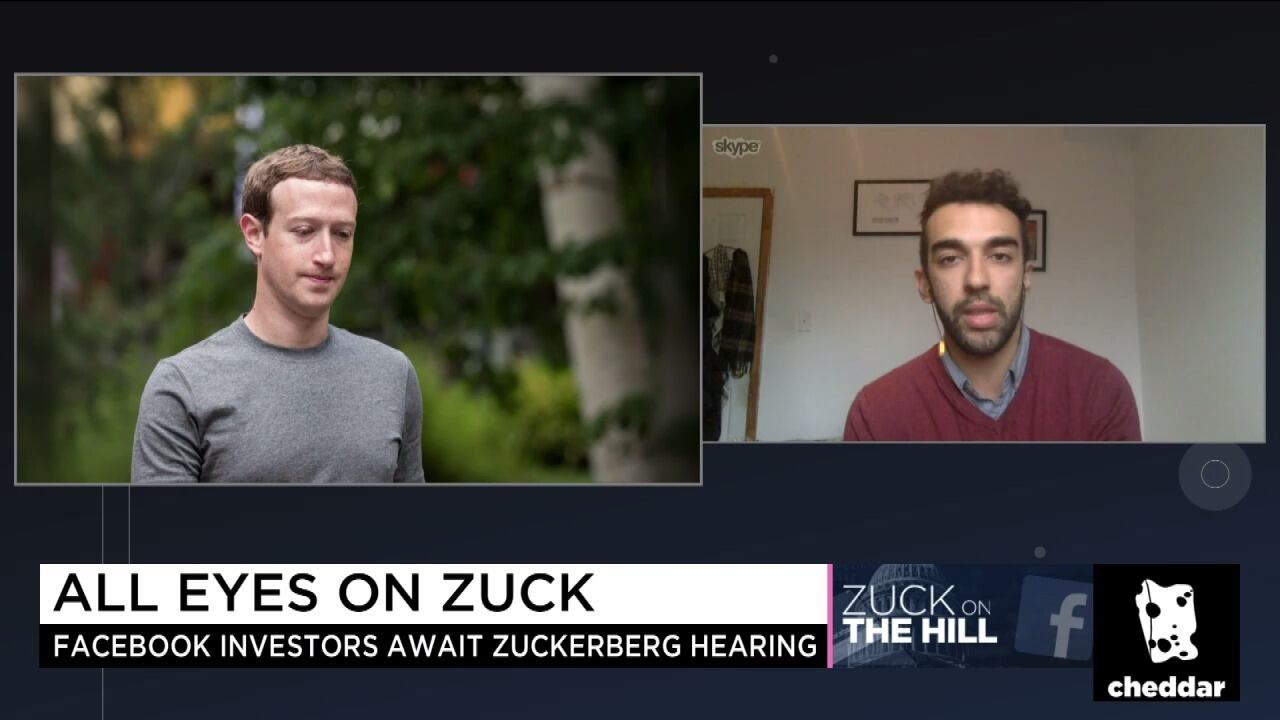
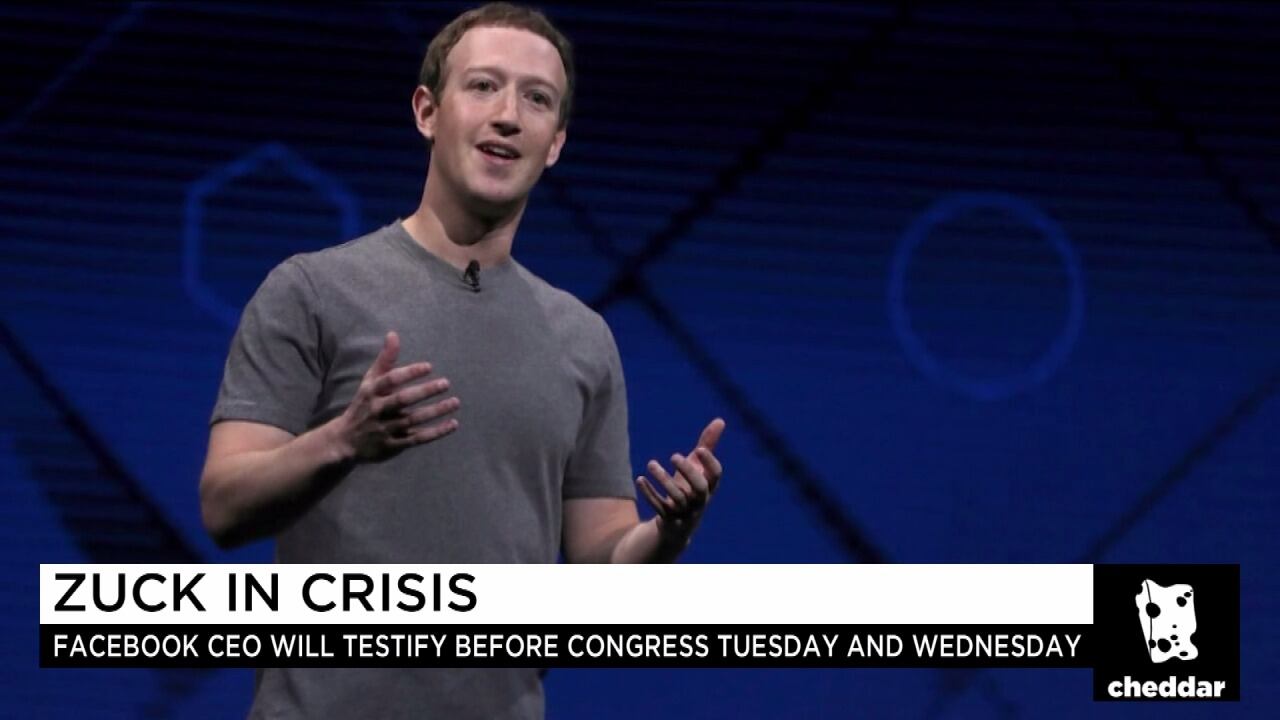
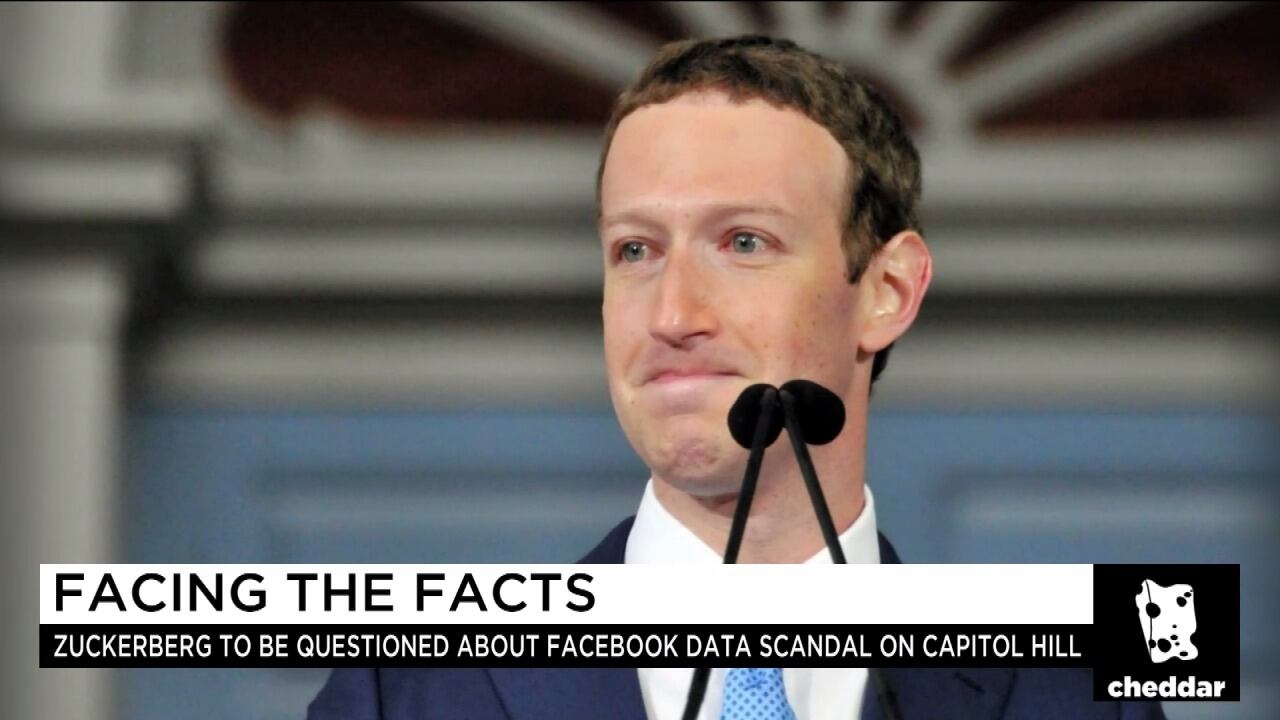
Democrats have already signaled that they're going to focus more on election interference and be "a little bit more aggressive than Republicans" during Mark Zuckerberg's testimonies this week, says Ali Breland, technology and politics reporter at The Hill. The Facebook CEO will appear before Congress Tuesday and Wednesday to face questions about the Cambridge Analytica scandal.
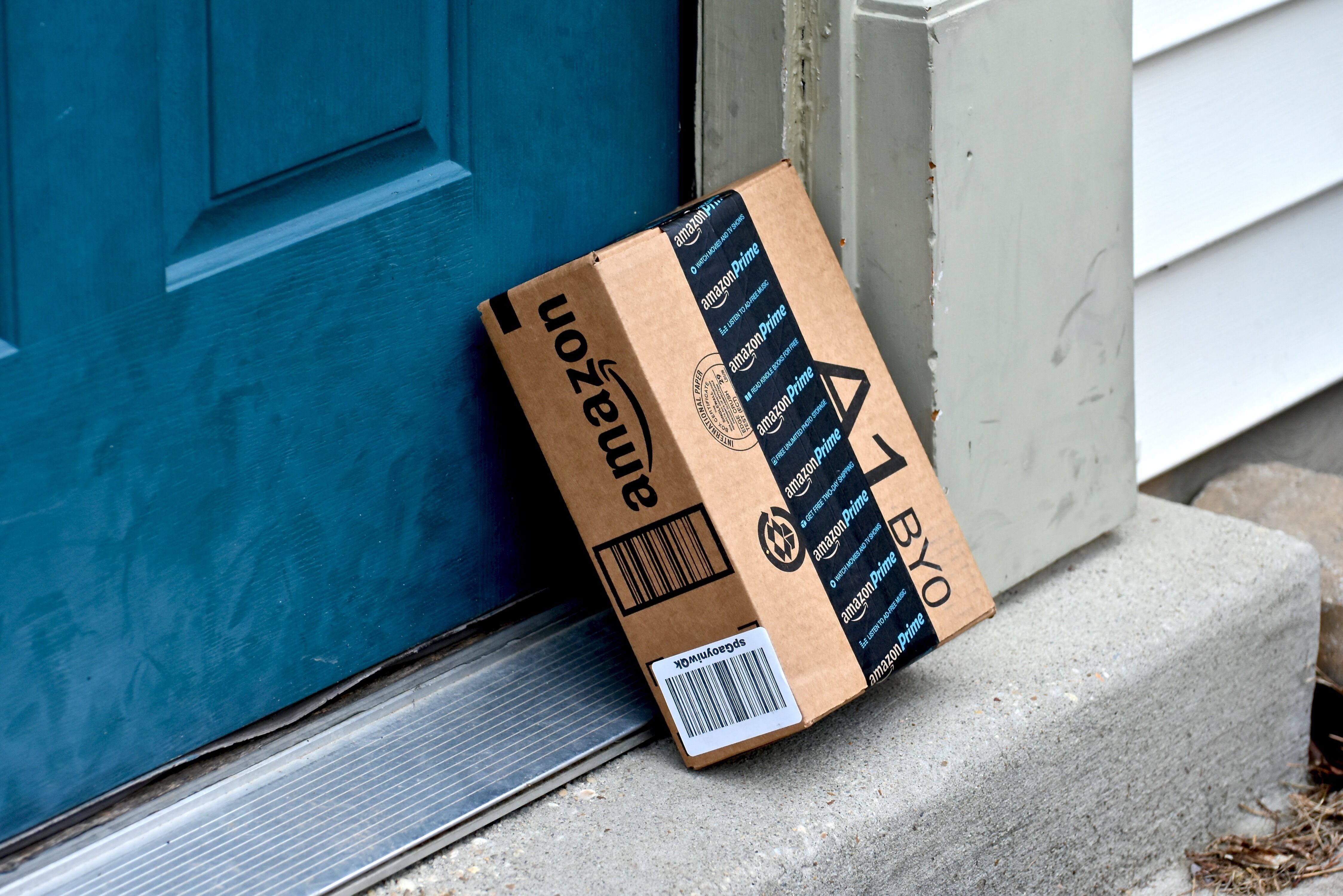
President Trump's feud with Amazon and its CEO Jeff Bezos continues, as the president claims that the tech giant does not pay its fair share of taxes and that it's causing the U.S. Postal Service to lose money. Cheddar breaks down President Trump's claims and explores how Amazon's deal with the post office works.
The Facebook CEO's hearings on Capitol Hill will likely dominate headlines for days. If those stories focus more on the new initiatives that the social network has recently rolled out, rather than the data scandal itself, "that would be a big win," says Aaron Pressman, Senior Technology Reporter at Fortune Magazine.
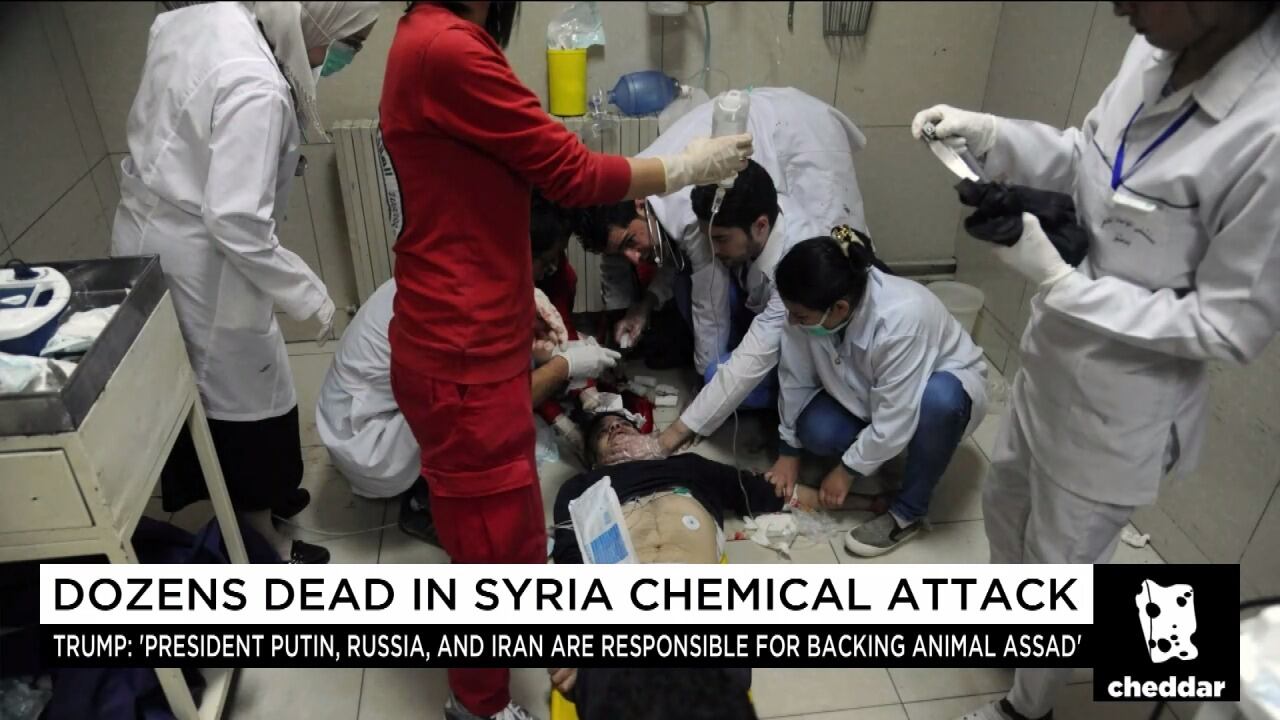
The president is likely to respond to the brutal chemical attack in Syria that took place over the weekend, says Jon Miller, CRTV's White House Correspondent. That's based on the fact that, not only has the president taken military action against Syria before, but there also seems to be some support for some kind of a response among voters.
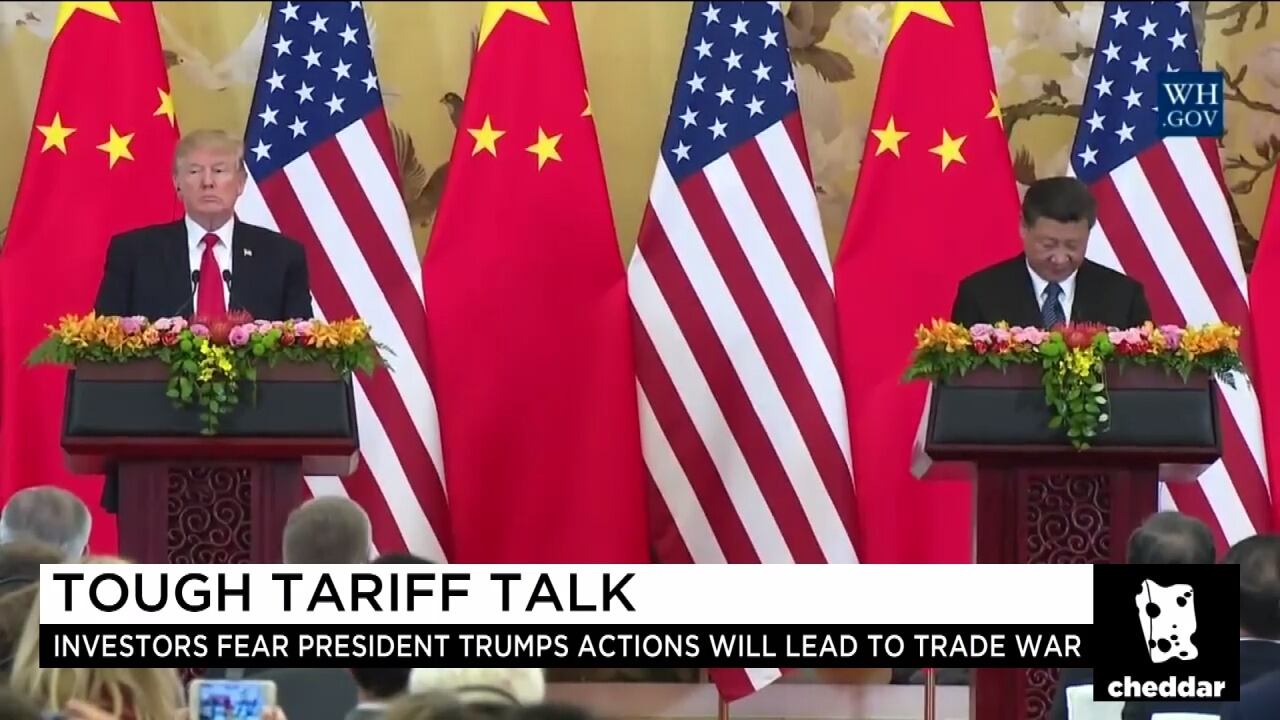
The trade war rhetoric "runs the risk of overplaying [Trump's] hand" in negotiations, says Clayton Allen, Vice President of Special Situations at Height Capital Management. That could, in the long run, come back and hurt employment rates in the U.S.
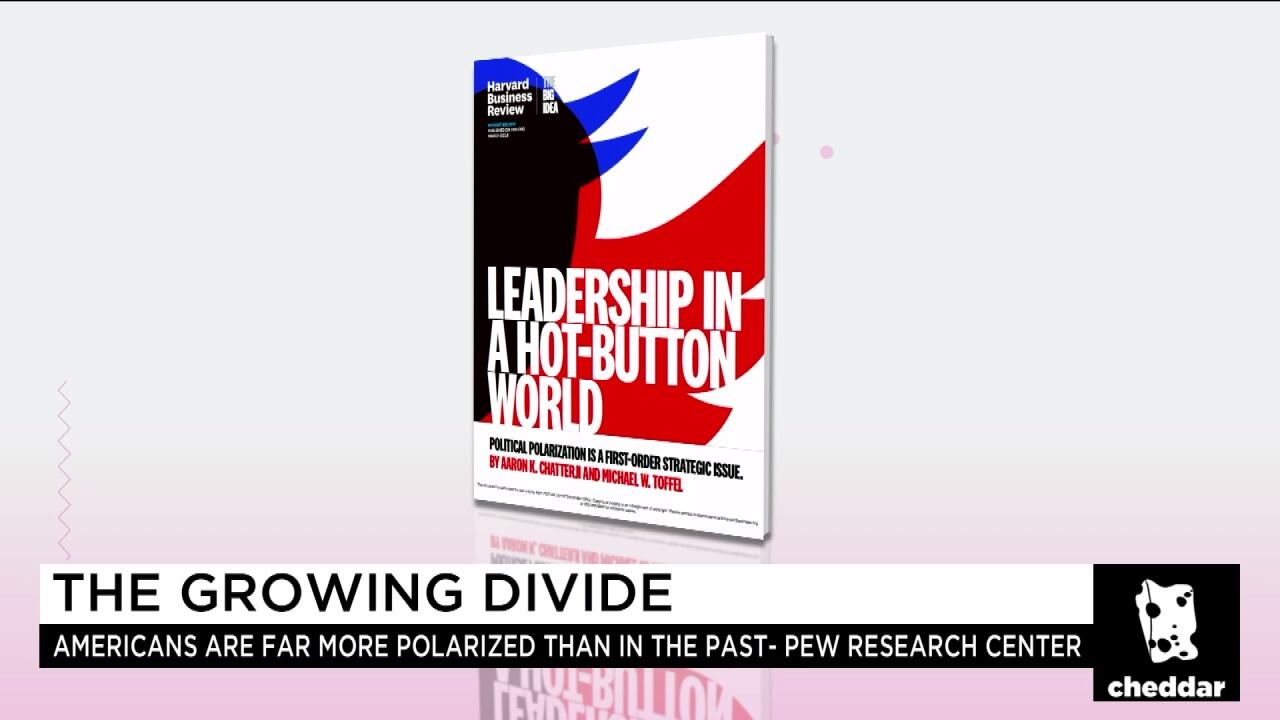
A lot of top executives of big name brands, like Apple or Starbucks, are starting to take political stances that are "unrelated to the bottom line," explains Aaron Chatterji, Associate Professor at Duke University's Fuqua School of Business and author of a recent Harvard Business Review article about CEO activism.
Washington won't easily forgive Facebook for sending a "low-level" deputy to testify when Congress first wanted answers about Russia's role in the 2016 election. And legislators are likely to take out their frustration on the CEO when he appears before them next week, says Ken Gude, Senior Fellow at the Center for American Progress.
President Trump is stoking fears of a trade war with China yet again. On Thursday evening, Trump threatened more tariffs on China worth $100 billion dollars, on top of the tariffs Trump is already planning. China immediately fired back, saying the country will continue to meet Trump's tariff threats with counter-actions.
President Trump also made news when he finally broke his silence on the Stormy Daniels controversy. When asked by reporters if he knew about the payment by his lawyer to Daniels, Trump quickly said, "no." Michael Avenatti, Stormy Daniels' lawyer, said Trump denying knowledge of the payment is "a gift from the heavens."
Executives and fighters from the UFC were at the New York Stock Exchange to ring the opening bell on Friday in celebration of the organization's 25th anniversary. Amanda Nunes, a UFC fighter, and Lawrence Epstein, the COO of the UFC, join us to weigh in on the milestone and preview the UFC 223 taking place at Barclays Center in Brooklyn this weekend. Epstein also commented on the arrest of UFC star Conor McGregor, saying McGregor's actions don't represent UFC's values.
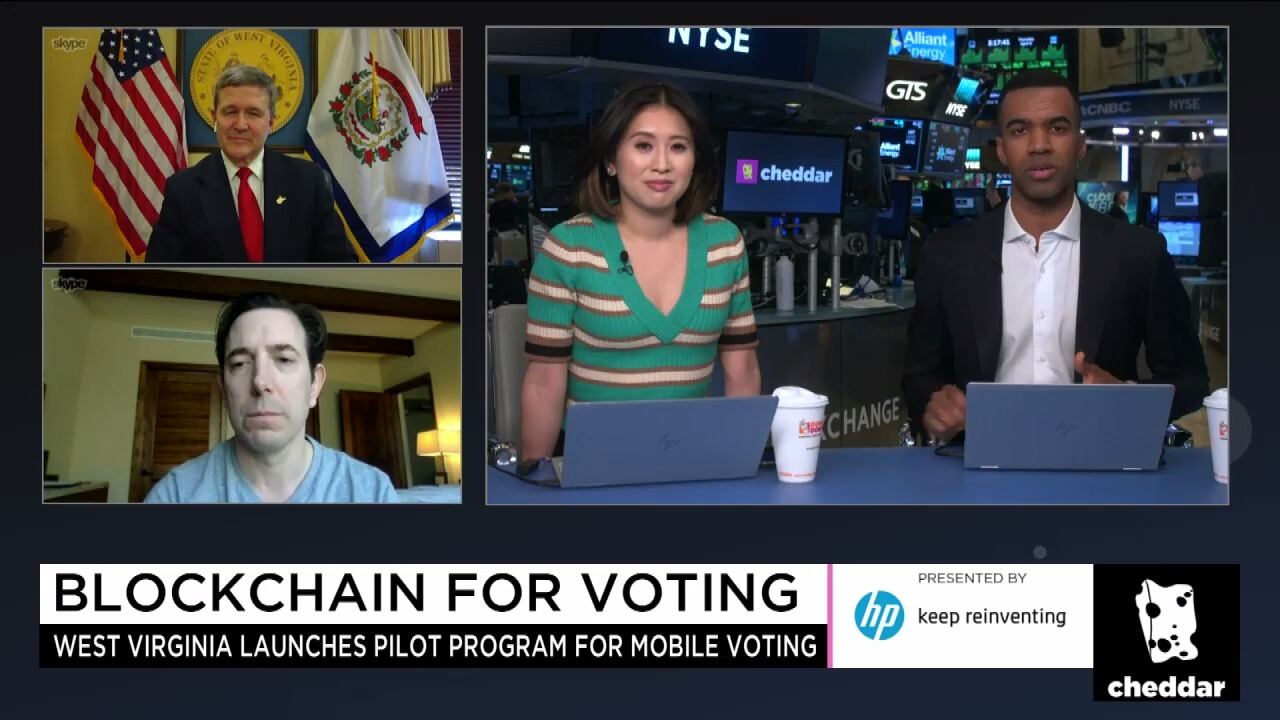
West Virginia is the first state to test out voting via blockchain, collaborating with venture capitalist Bradley Tusk. "[People] want to vote the same way that they order something from Amazon," says Mac Warner, WV's Secretary of State. The experiment has rolled out for deployed military voters in some counties, with plans to deploy it across the state for the midterm elections in November.