By Zeke Miller
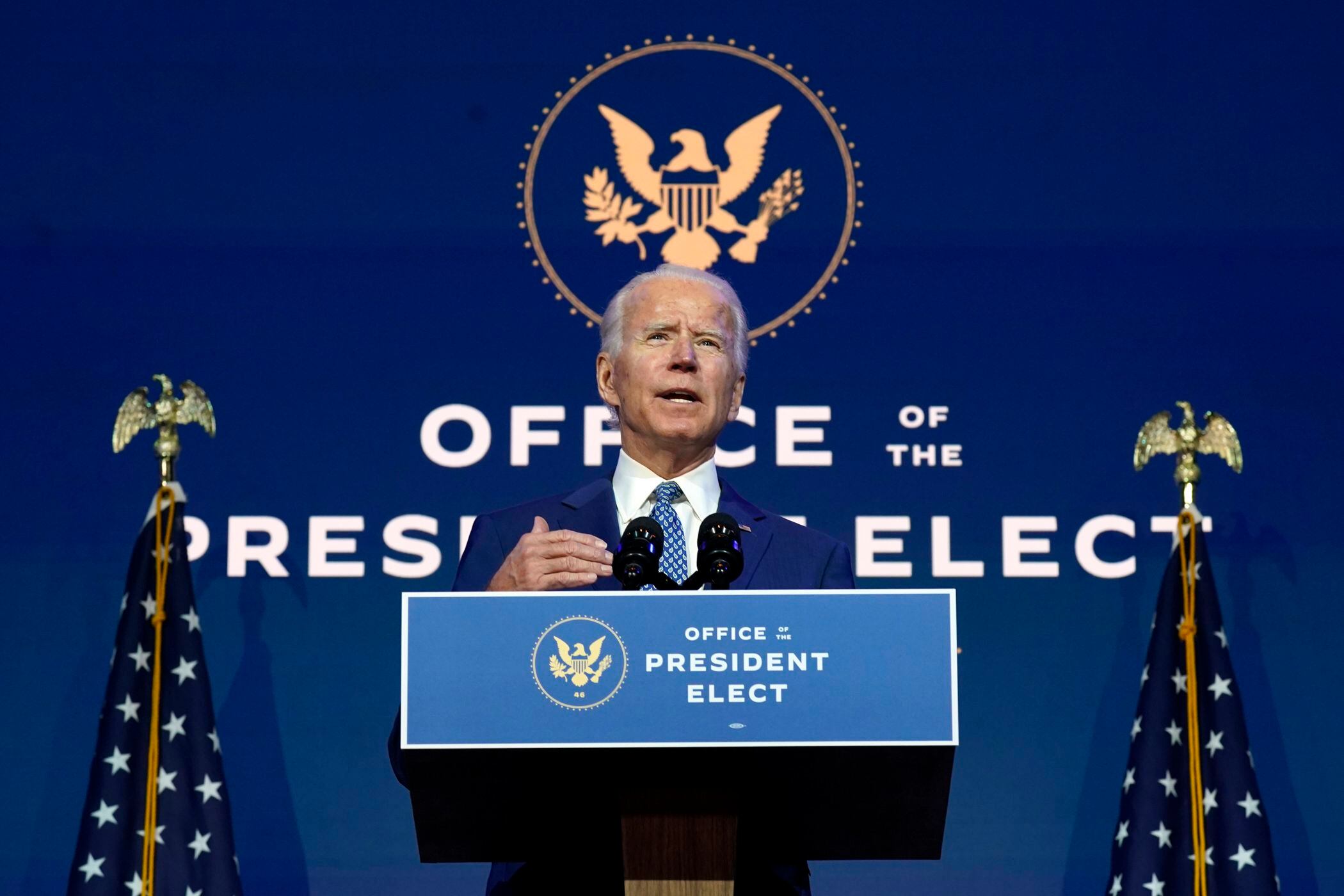
The course of President-elect Joe Biden’s transition to power is dependent in part on an obscure declaration called “ascertainment.”
Here are some details on that process:
WHAT IS ASCERTAINMENT?
The formal presidential transition doesn’t begin until the administrator of the federal General Services Administration ascertains the “apparent successful candidate” in the general election. Neither the Presidential Transition Act nor federal regulations specify how that determination should be made. That decision green lights the entire federal government’s moves toward preparing for a handover of power.
WHY HASN'T IT HAPPENED YET?
Spokesperson Pamela Pennington said in a statement that “GSA and its Administrator will continue to abide by, and fulfill, all requirements under the law,” but the agency has not said why the decision to recognize Joe Biden as the president-elect has not been made. GSA is an executive branch agency. Its administrator, Emily Murphy, is a Trump appointee, but the ascertainment decision is supposed to be apolitical. The White House did not say whether there have been conversations on the matter between officials there and at GSA.
WHAT'S AT STAKE?
The determination clears the way for millions of federal dollars to flow to Biden’s transition team and opens the doors of the federal government to hundreds of Biden staffers, so they can begin assessing agency operations ahead of Inauguration Day on Jan. 20. A delay in recognizing Biden as the next president could slow federal resources to assist the Biden-Harris team in filling about 4,000 political appointments across the government — including critical national security and health postings.
WHY DOES IT MATTER?
Slowing the pace of the transition could hamstring a new administration right out of the gate. The Trump administration, experts say, never fully recovered from the slow pace of hiring from its mismanaged 2016 transition after Trump tossed aside carefully prepared plans the day after his victory.
HAS THIS DELAY EVER HAPPENED BEFORE?
In 2000, the GSA determination was delayed until after the Florida recount fight was settled. The abbreviated transition process was identified by the 9/11 Commission Report as contributing to the nation’s unpreparedness for the crisis.
Michael Avenatti, who represents the adult film star, says the recent FBI raid of President Trump's lawyer Michael Cohen is a telling sign that charges will soon follow.
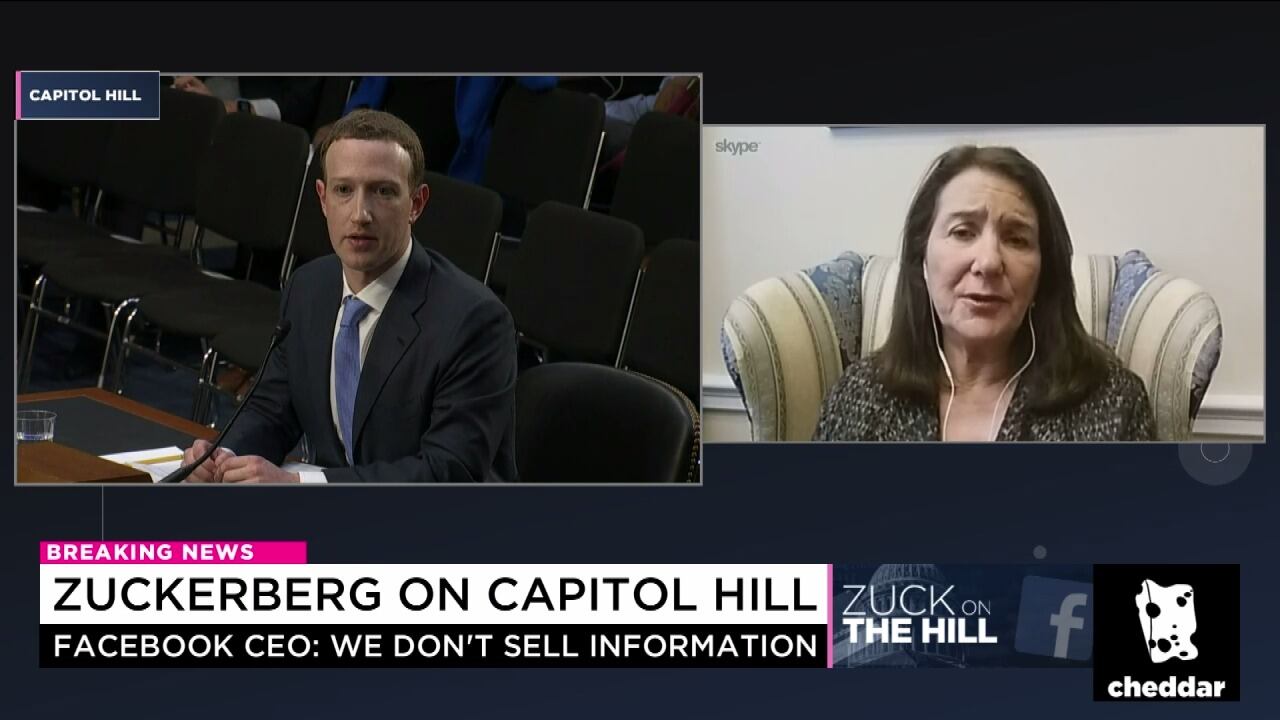
Facebook CEO Mark Zuckerberg testified on Capitol Hill Tuesday about the massive data scandal at the social media giant. Rep. Diana DeGette (D-CO) shares her reaction, and what she plans to ask Zuckerberg when he speaks to the House of Representatives Wednesday.
During both of Facebook CEO Mark Zuckerberg's testimonies on the Cambridge Analytica scandal, lawmakers hinted at the potential for basing regulation off European laws. But the First Amendment might make that difficult, says the New Yorker's Andrew Marantz.
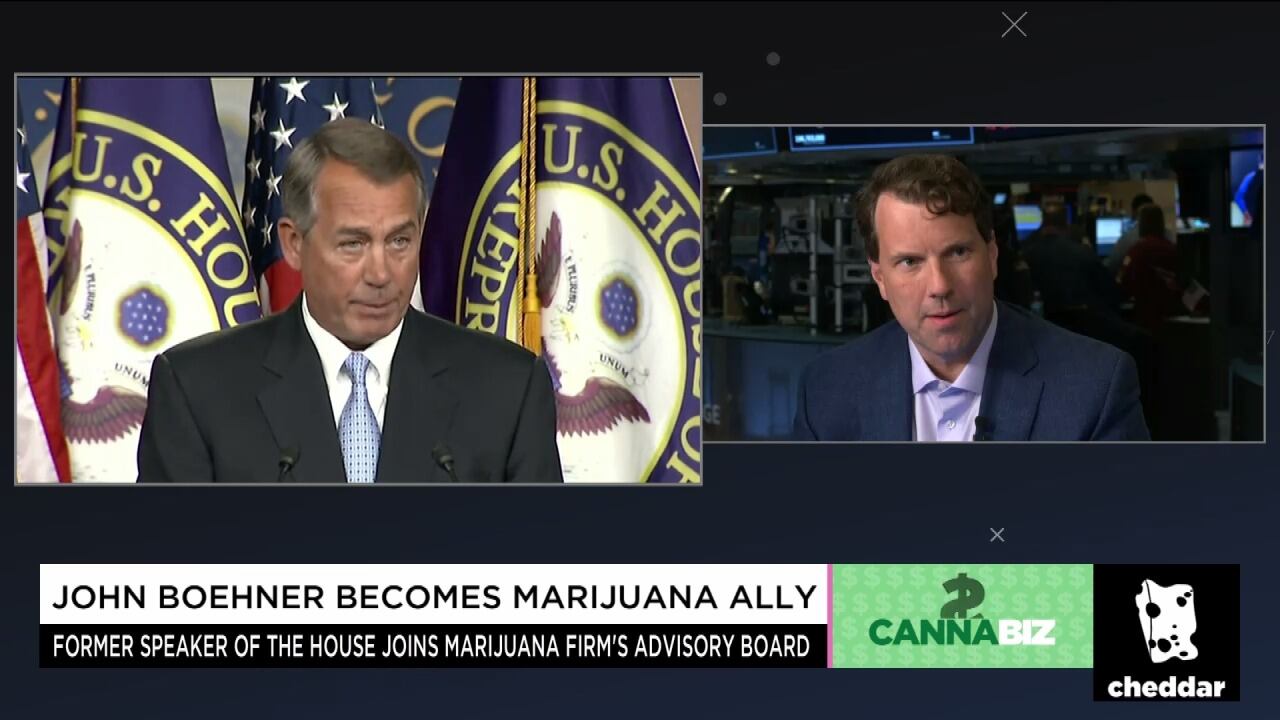
The former House Speaker, who has long been a firm opponent of legalizing marijuana, said Wednesday he'd be joining the board of Acreage Holdings, a company that cultivates and dispenses the drug in 11 states. The President of Acreage told Cheddar that helping veterans was what convinced Boehner to flip.
The congressman, who represents Arizona's 7th District, says sending troops to do the border is expensive and doesn't improve security.
Rep. Ruben Gallego (D-AZ) says Ryan's decision not to seek re-election indicates that Republicans face a tough fight in the midterm elections. "He knows he's going to be a minority leader next year." Ryan made the surprise announcement Wednesday, saying he took the speaker position "reluctantly" in the first place.
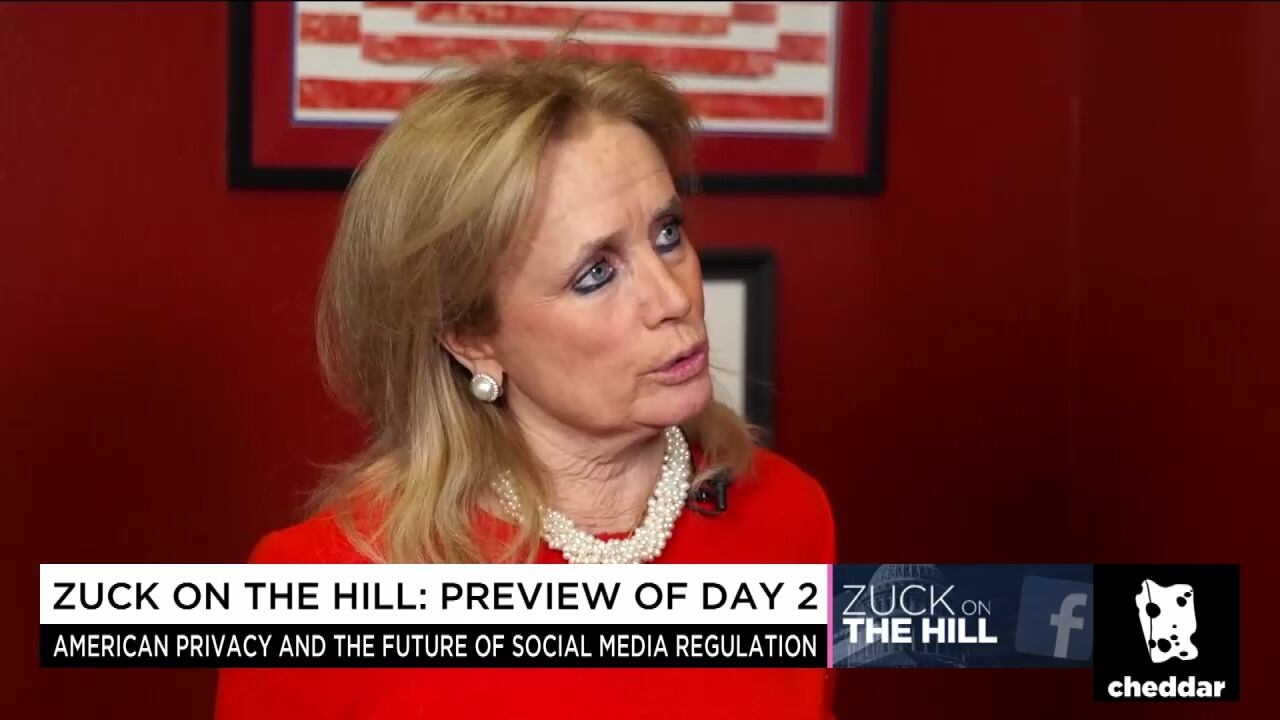
Facebook CEO Mark Zuckerberg returns to Capitol Hill for a second day of questioning. Today, Zuckerberg testifies before the House Committee on Energy and Commerce. Ahead of the hearing, we spoke to Congressman Debbie Dingell (D-MI) about what she wants to hear from the Facebook CEO. Dingell is concerned about the privacy of Americans who use the social networking site and speculates about what a regulated Facebook would look like.
In other Washington news, House Speaker Paul Ryan (R-WI) announced today that he will not seek re-election this November. Ryan held a press conference to elaborate on his decision. He said he thinks he's done his part and looks forward to spending more time with his family.
Also, Joanna Coles stops by to talk about her new book, "Love Rules." She says her book can help readers find real love in the age of Tinder and Bumble. Coales, who sits on the board of directors for Snap, discusses what it's like to be a woman on the board of a Silicon Valley tech giant.
The Congresswoman admitted that changes won't come in time for the midterm elections in November. But the question is no longer whether social media be regulated but what that regulation should look like, says Dingell. She says European laws serve as good models. Facebook CEO Mark Zuckerberg faces a House committee Wednesday for a second round of questioning on the Cambridge Analytica scandal.
Congresswoman Diana DeGette, who is on the House committee that will question Mark Zuckerberg tomorrow, says perhaps harsher penalties will force companies to do more before breaches occur.
The shoe designer, who co-founded Jimmy Choo before becoming COO at her own eponymous brand, says talking to peers about what you're earning is the only way to find out if you're being undervalued.