By Zeke Miller
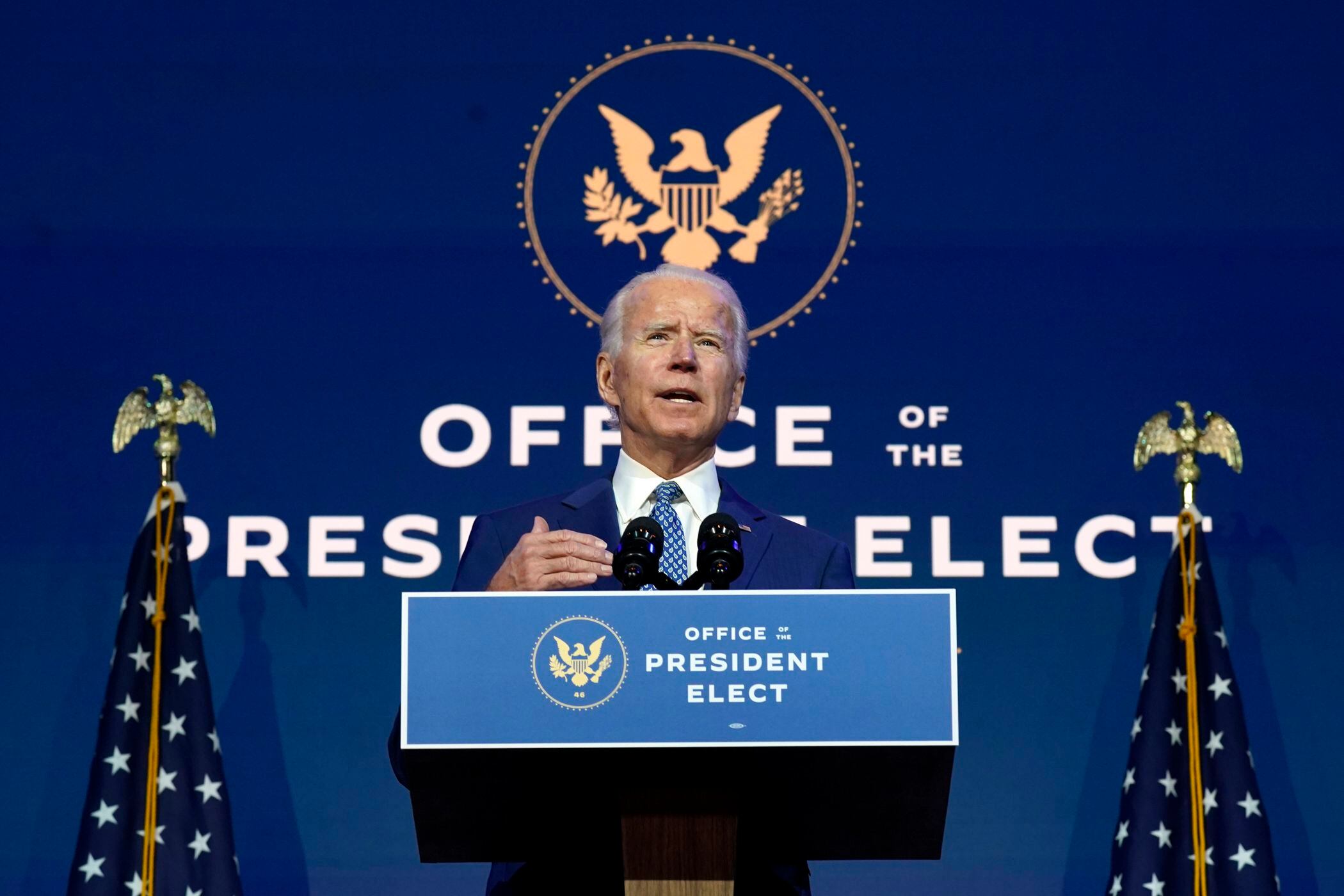
The course of President-elect Joe Biden’s transition to power is dependent in part on an obscure declaration called “ascertainment.”
Here are some details on that process:
WHAT IS ASCERTAINMENT?
The formal presidential transition doesn’t begin until the administrator of the federal General Services Administration ascertains the “apparent successful candidate” in the general election. Neither the Presidential Transition Act nor federal regulations specify how that determination should be made. That decision green lights the entire federal government’s moves toward preparing for a handover of power.
WHY HASN'T IT HAPPENED YET?
Spokesperson Pamela Pennington said in a statement that “GSA and its Administrator will continue to abide by, and fulfill, all requirements under the law,” but the agency has not said why the decision to recognize Joe Biden as the president-elect has not been made. GSA is an executive branch agency. Its administrator, Emily Murphy, is a Trump appointee, but the ascertainment decision is supposed to be apolitical. The White House did not say whether there have been conversations on the matter between officials there and at GSA.
WHAT'S AT STAKE?
The determination clears the way for millions of federal dollars to flow to Biden’s transition team and opens the doors of the federal government to hundreds of Biden staffers, so they can begin assessing agency operations ahead of Inauguration Day on Jan. 20. A delay in recognizing Biden as the next president could slow federal resources to assist the Biden-Harris team in filling about 4,000 political appointments across the government — including critical national security and health postings.
WHY DOES IT MATTER?
Slowing the pace of the transition could hamstring a new administration right out of the gate. The Trump administration, experts say, never fully recovered from the slow pace of hiring from its mismanaged 2016 transition after Trump tossed aside carefully prepared plans the day after his victory.
HAS THIS DELAY EVER HAPPENED BEFORE?
In 2000, the GSA determination was delayed until after the Florida recount fight was settled. The abbreviated transition process was identified by the 9/11 Commission Report as contributing to the nation’s unpreparedness for the crisis.
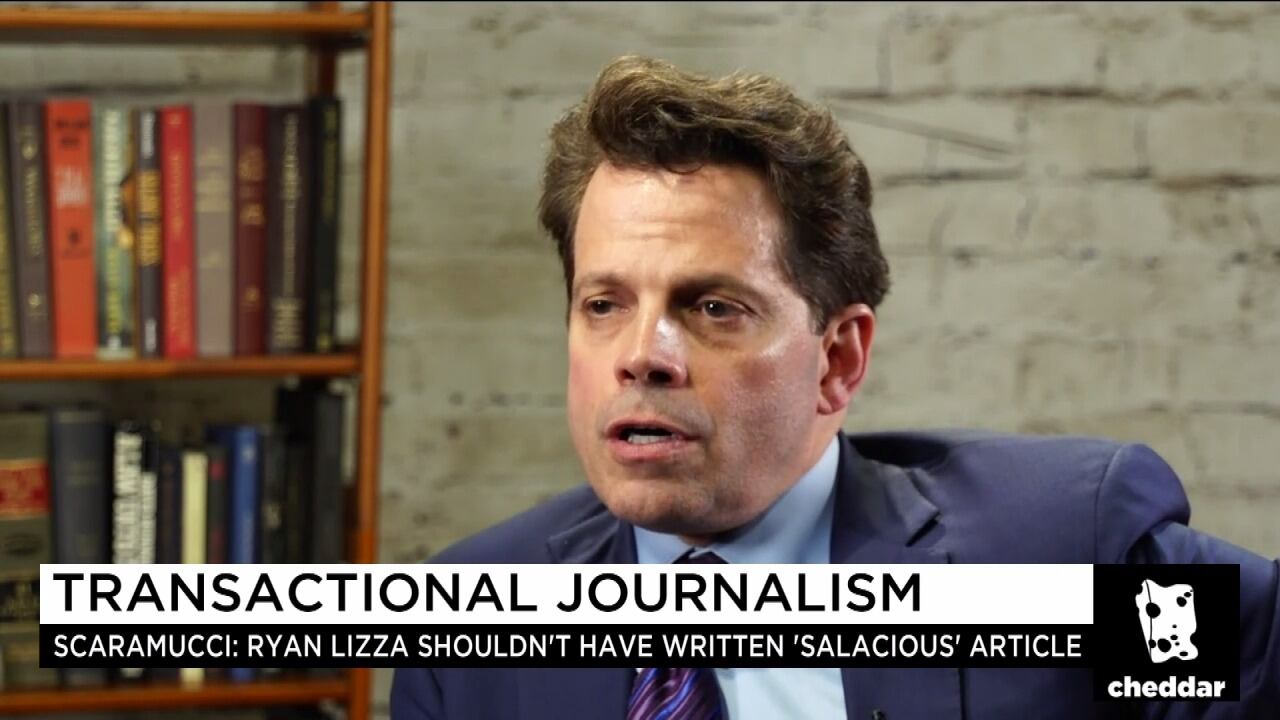
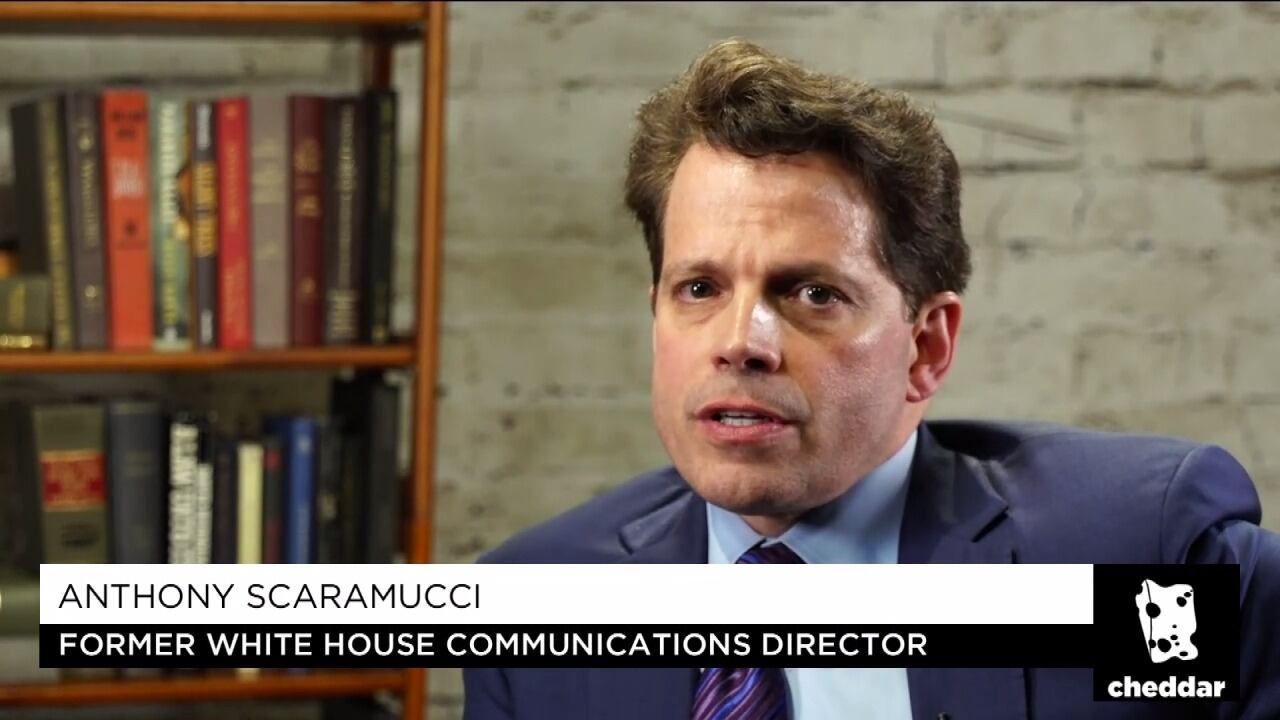
The former White House communications director gave a profane interview to The New Yorker that essentially led to his firing. "I got bagged inappropriately," Anthony Scaramucci told Cheddar's J.D. Durkin.
The former White House Communications Director, who was fired in after a brief 11-day tenure last year, tells Cheddar that both the Deputy Attorney General and Special Counsel Robert Mueller are fair and principled men.
Anthony Scaramucci, the former White House Communications Director, told Cheddar's J.D. Durkin that the fall out around Dr. Ronny Jackson's nomination for Secretary of Veteran's Affairs is purely partisan politics.
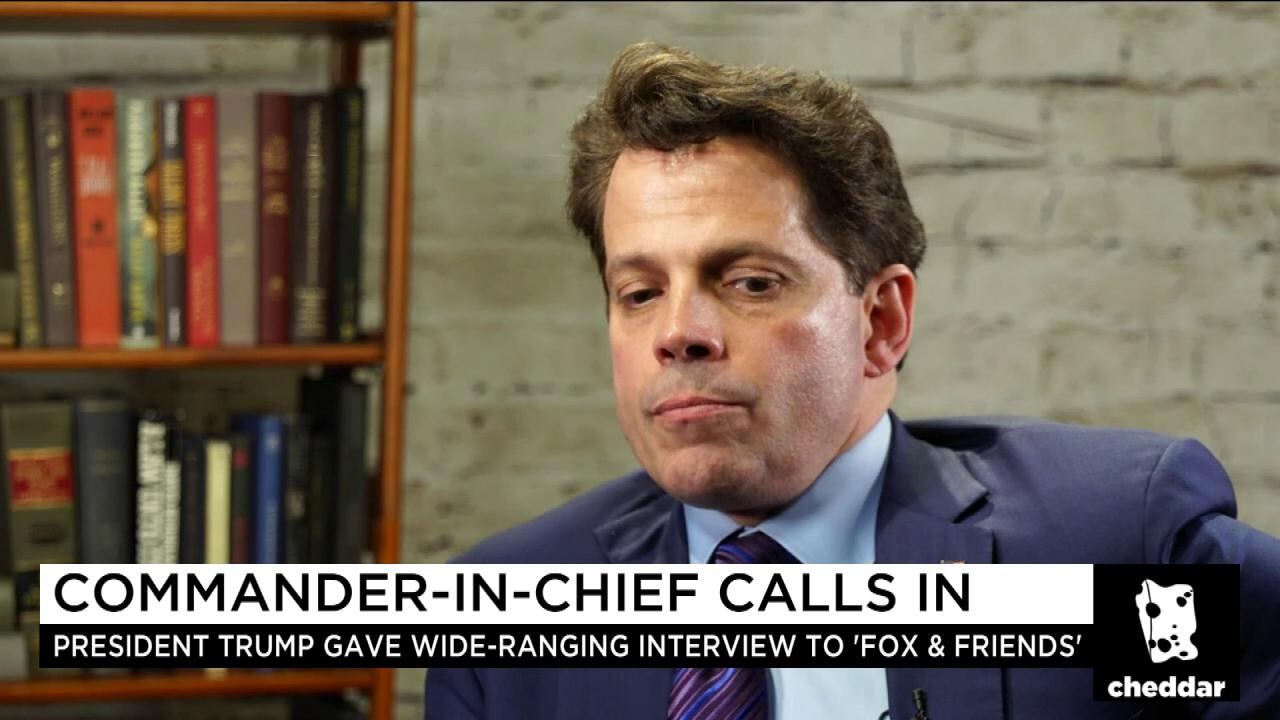
Former White House Communications Director Anthony Scaramucci said the President should "get out more," because his direct appeals to his base via on-air interviews is what they love about him. His comments came after Trump gave a wide-ranging interview to Fox News, in which he admitted, after previous denials, that his personal attorney Michael Cohen dealt with adult film actress Stormy Daniels for him.
Since Russia banned the encrypted messaging service last week, Google and Amazon have also been dragged into the fight. This comes at a time when Telegram is considering an ICO and has already raised a total of $1.7 billion, making it the biggest potential coin offering in history.
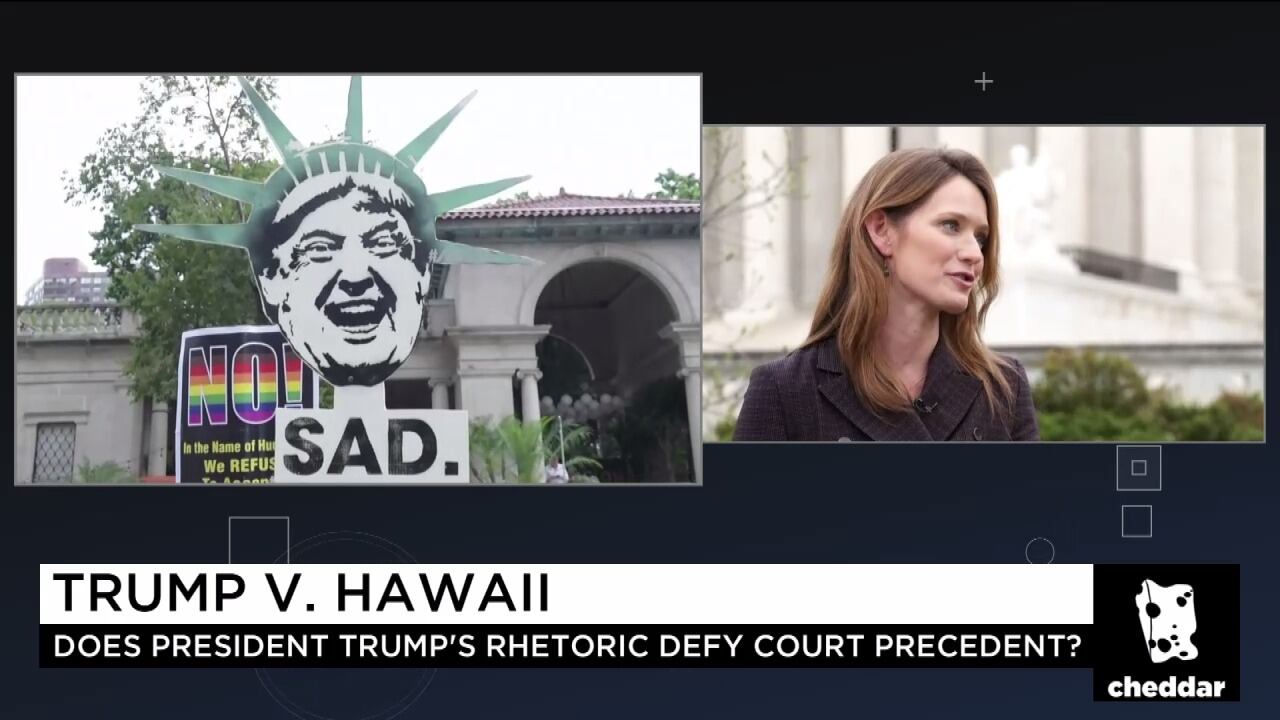
Weeks after President Trump took office, he issued the first travel ban restricting entry into the U.S. for people from some majority-Muslim countries. Since then, after backlash and appeals, Trump has put out two more versions of the directive and now the Supreme Court is deciding whether or not the ban is Constitutional.
More and more politicians are throwing their weight behind legalizing marijuana, now seeing it as more of a "political opportunity" than a liability. That, in part, is driven by pressure from voters, says Paul Armentano, deputy director of the National Organization for Marijuana Laws.
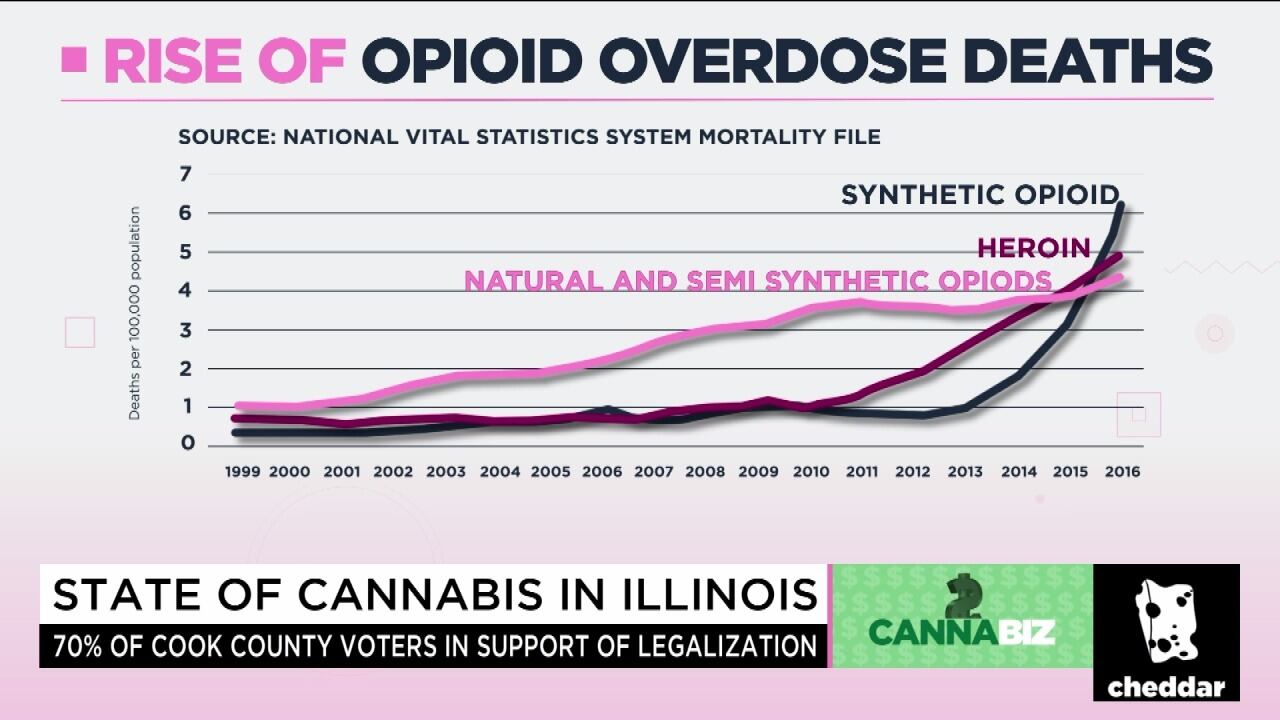
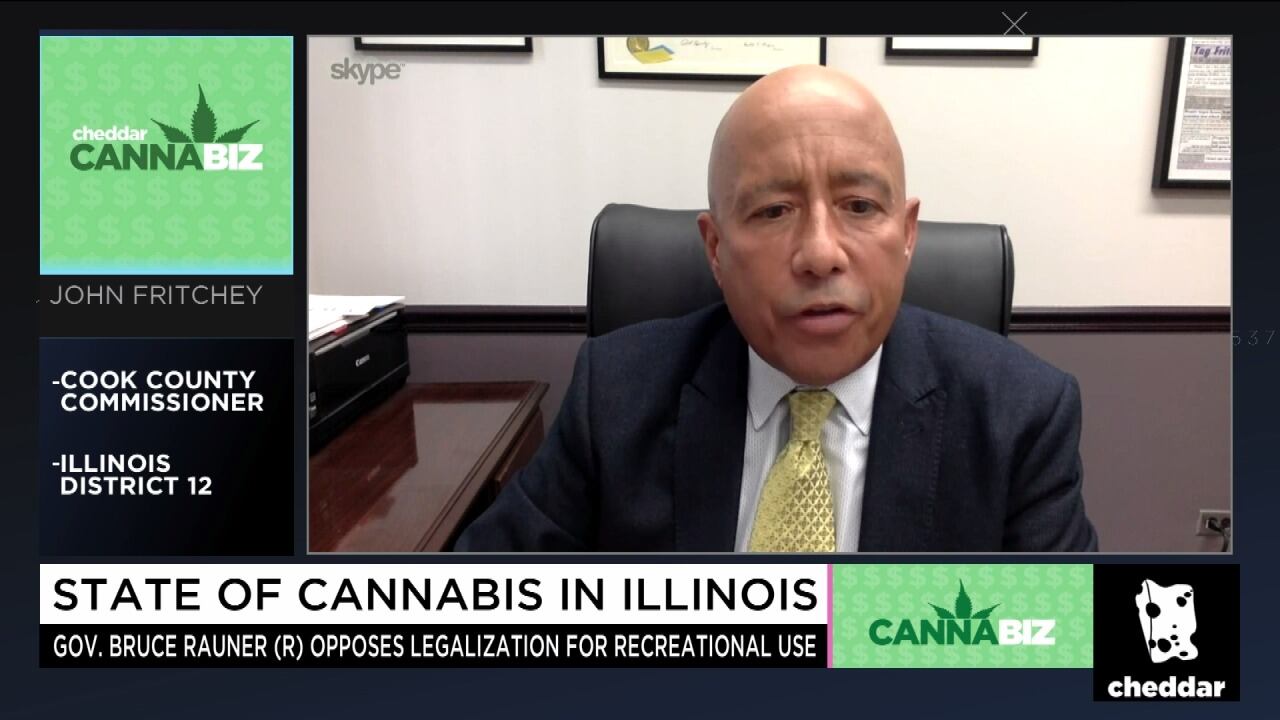
Cook County Commissioner John Fritchey, who holds a medical marijuana card, says the drug's ability to relieve pain makes it a much more effective way to combat opioid addiction. “Why would we continue, in light of the crisis that we have, to prescribe opioids for pain relief?” Fritchey told Cheddar Tuesday.
The legislator has been vocal about getting his medical marijuana card in hopes of getting rid of the stigma around the drug, he told Cheddar. Fritchey is also pushing to legalize recreational use of the cannabis in Illinois and says it should be uses as a tool to fight the opioid crisis.
The Agriculture Department's proposed Farm Bill will kick millions of people off of benefits and take free breakfast and lunches away from hundreds of thousands of kids, says the Democrat from Massachusetts. The new legislation could go to a vote in May.