By Zeke Miller
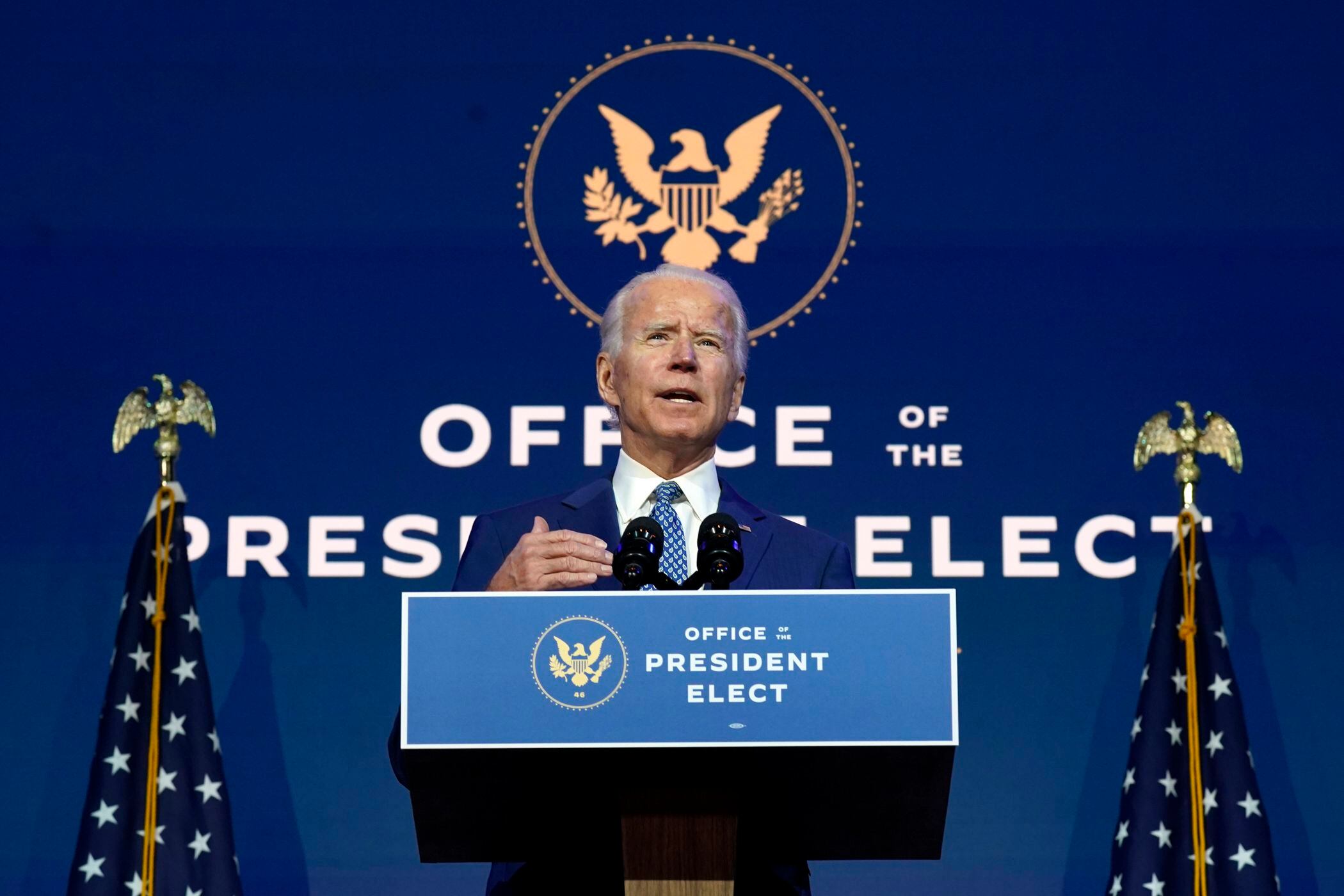
The course of President-elect Joe Biden’s transition to power is dependent in part on an obscure declaration called “ascertainment.”
Here are some details on that process:
WHAT IS ASCERTAINMENT?
The formal presidential transition doesn’t begin until the administrator of the federal General Services Administration ascertains the “apparent successful candidate” in the general election. Neither the Presidential Transition Act nor federal regulations specify how that determination should be made. That decision green lights the entire federal government’s moves toward preparing for a handover of power.
WHY HASN'T IT HAPPENED YET?
Spokesperson Pamela Pennington said in a statement that “GSA and its Administrator will continue to abide by, and fulfill, all requirements under the law,” but the agency has not said why the decision to recognize Joe Biden as the president-elect has not been made. GSA is an executive branch agency. Its administrator, Emily Murphy, is a Trump appointee, but the ascertainment decision is supposed to be apolitical. The White House did not say whether there have been conversations on the matter between officials there and at GSA.
WHAT'S AT STAKE?
The determination clears the way for millions of federal dollars to flow to Biden’s transition team and opens the doors of the federal government to hundreds of Biden staffers, so they can begin assessing agency operations ahead of Inauguration Day on Jan. 20. A delay in recognizing Biden as the next president could slow federal resources to assist the Biden-Harris team in filling about 4,000 political appointments across the government — including critical national security and health postings.
WHY DOES IT MATTER?
Slowing the pace of the transition could hamstring a new administration right out of the gate. The Trump administration, experts say, never fully recovered from the slow pace of hiring from its mismanaged 2016 transition after Trump tossed aside carefully prepared plans the day after his victory.
HAS THIS DELAY EVER HAPPENED BEFORE?
In 2000, the GSA determination was delayed until after the Florida recount fight was settled. The abbreviated transition process was identified by the 9/11 Commission Report as contributing to the nation’s unpreparedness for the crisis.
Though FAANG stocks hit an all-time high last week, their gains could be undermined by the Trump administration's trade stand-off with China that could soon widen into the technology sector, says Jason Ware, chief investment officer at Albion Financial Group.
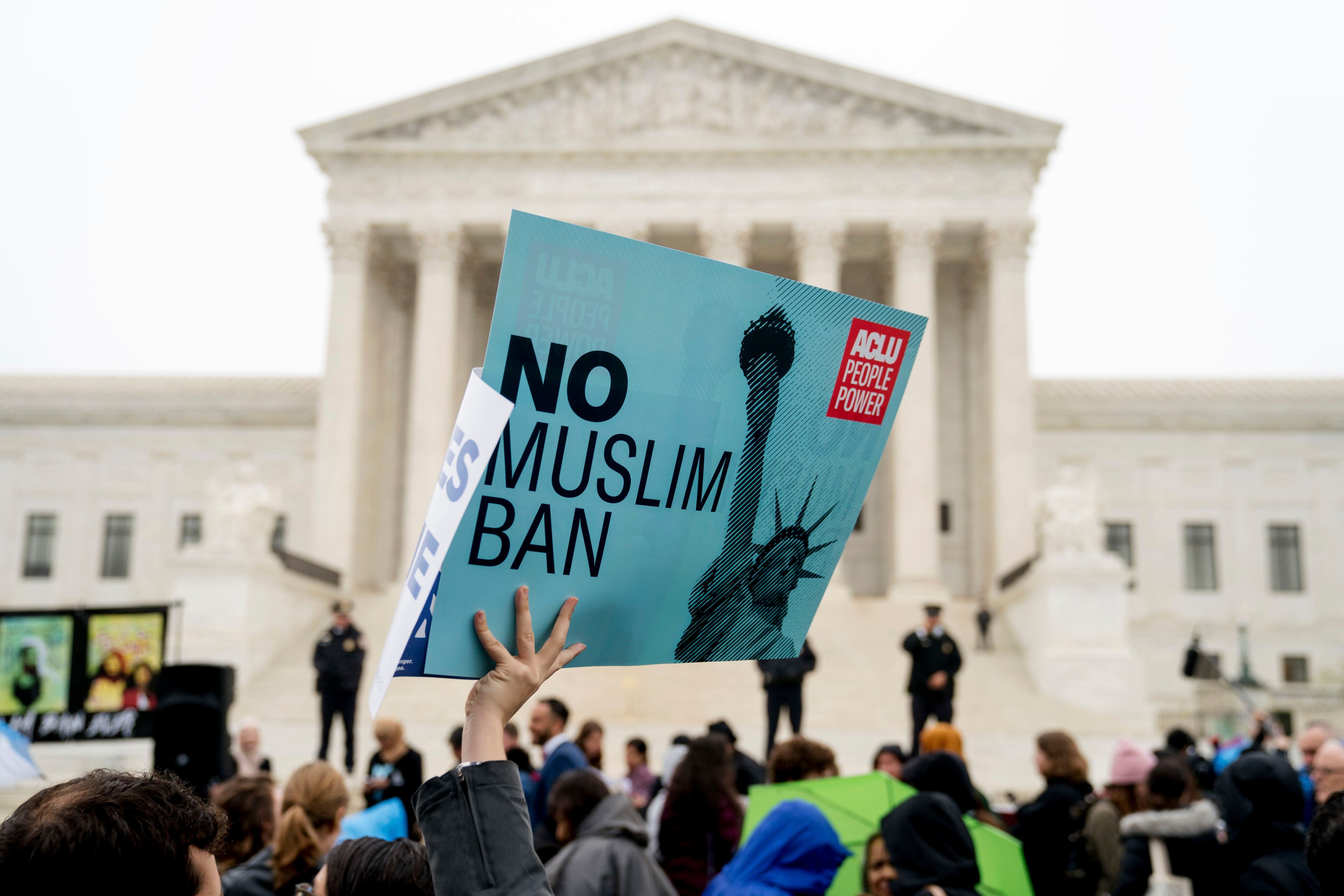
The country's highest court on Tuesday ruled in favor of the travel ban the Trump administration attempted to implement last year. The court rejected the argument that the policy exceeded the president's authority and that it discriminated against Muslims.
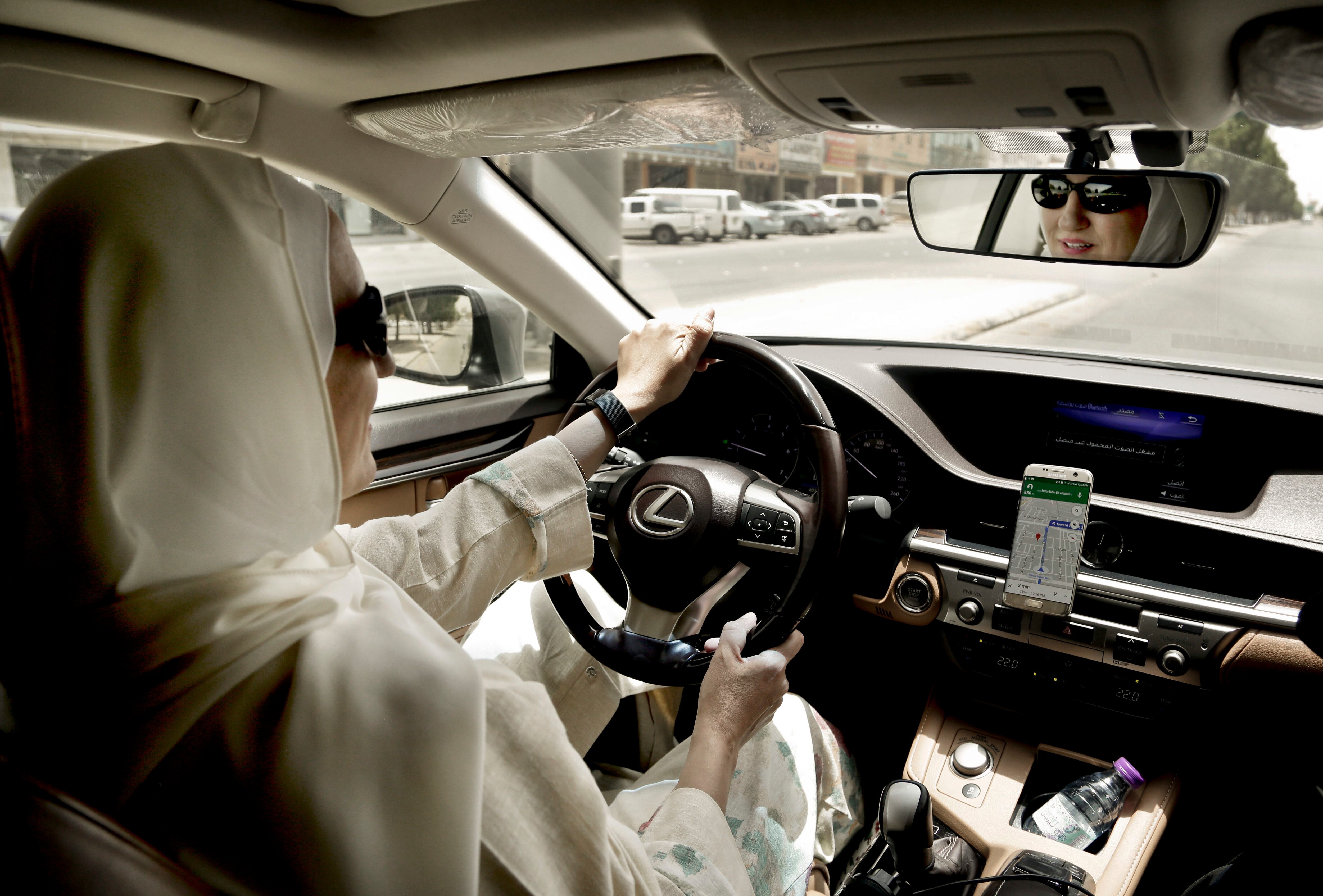
Letting women drive will make them "good workers and consumers," says Hiba Zayadin, the acting Saudi researcher at Human Rights Watch. But "the power structures and systems that keep women as second-class citizens" remain prevalent., she tells Cheddar.
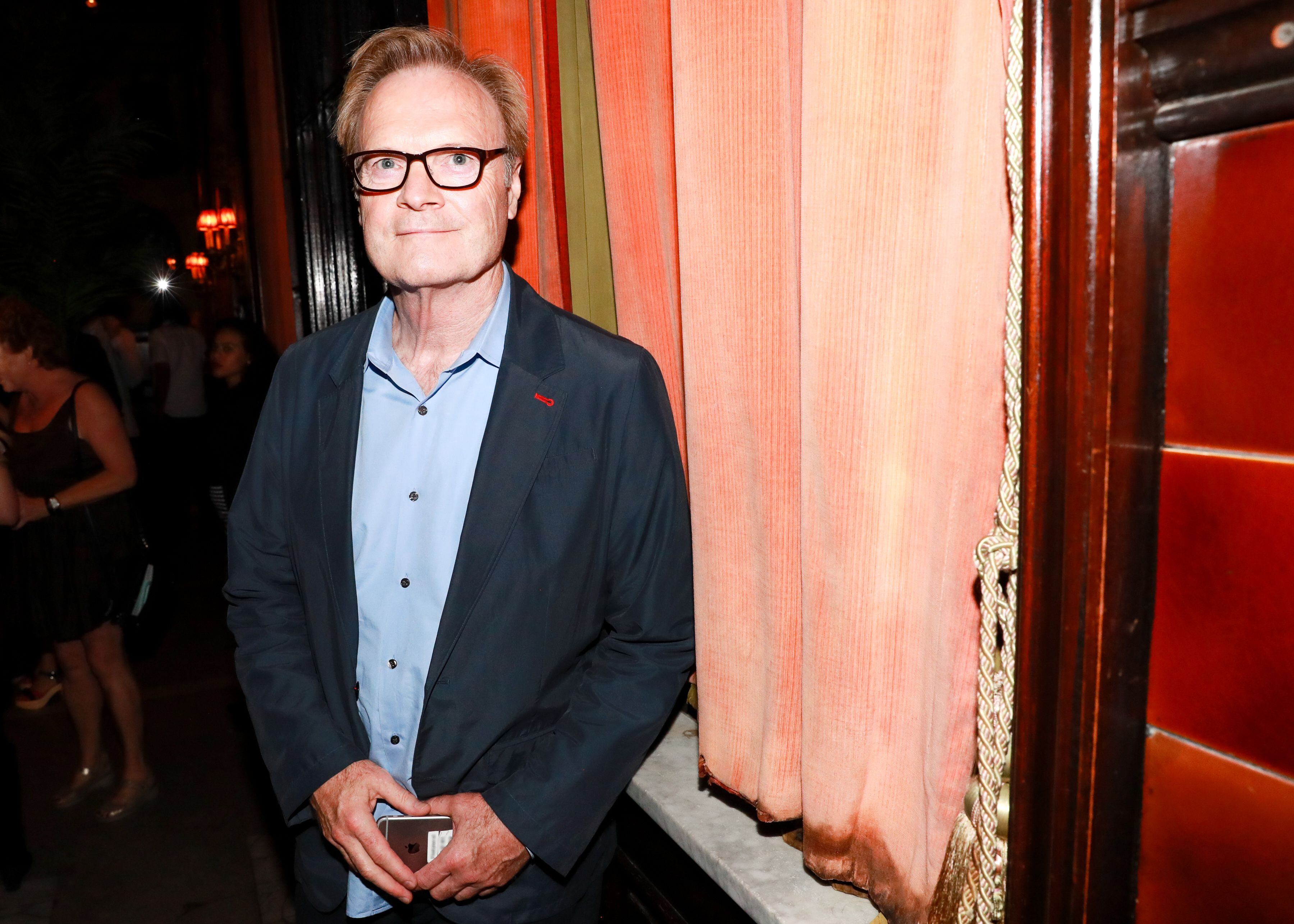
Police shootings have persisted in America for the last several decades but now personal video footage is holding officers accountable, says O'Donnell. The MSNBC host is re-publishing his book "Deadly Force" that chronicles the 1975 police shooting of an unarmed black man that was criticized as "basically a murder".
The president's consistent attacks on media outlets like CNN is "very, very good for business." But Trump has avoided directing his wrath at MSNBC since taking the White House, because the network "is much higher rated" and "he would prefer people to watch CNN," which features many pro-Trump speakers, says O'Donnell.
The MSNBC host explains what happened leading up to the moment when his co-worker, Rachel Maddow, broke down in tears on air while covering the border crisis. O'Donnell tells Cheddar that if he had to report the story on tender age shelters, he might have cried too.
Markets plunged on Monday as President Trump escalated already-tense trade relations with China and investors saw the first sign of American manufacturers feeling the impact of the Trump administration’s increasingly protectionist stance.
Melania Trump received a lot of criticism for wearing a jacket with the phrase "I DON'T REALLY CARE, DO U?" scrawled across the back on her way to meet with migrant children at the Texas-Mexico border. The bizarre choice, at such a heated moment, may have been "a very calculated move," said Vox reporter Rebecca Jennings.
Citigroup CEO Michael Corbat weighs in on the backlash over family separation at the border and the need for immigration reform.
Image Credit: Shutterstock
The country's top court on Thursday ruled that states can force online retailers to charge sales taxes on purchases even if they don't have a physical presence in the state. D.A. Davidson's Tom Forte says Amazon may actually end up benefiting from that rule.