By Zeke Miller
The course of President-elect Joe Biden’s transition to power is dependent in part on an obscure declaration called “ascertainment.”
Here are some details on that process:
WHAT IS ASCERTAINMENT?
The formal presidential transition doesn’t begin until the administrator of the federal General Services Administration ascertains the “apparent successful candidate” in the general election. Neither the Presidential Transition Act nor federal regulations specify how that determination should be made. That decision green lights the entire federal government’s moves toward preparing for a handover of power.
WHY HASN'T IT HAPPENED YET?
Spokesperson Pamela Pennington said in a statement that “GSA and its Administrator will continue to abide by, and fulfill, all requirements under the law,” but the agency has not said why the decision to recognize Joe Biden as the president-elect has not been made. GSA is an executive branch agency. Its administrator, Emily Murphy, is a Trump appointee, but the ascertainment decision is supposed to be apolitical. The White House did not say whether there have been conversations on the matter between officials there and at GSA.
WHAT'S AT STAKE?
The determination clears the way for millions of federal dollars to flow to Biden’s transition team and opens the doors of the federal government to hundreds of Biden staffers, so they can begin assessing agency operations ahead of Inauguration Day on Jan. 20. A delay in recognizing Biden as the next president could slow federal resources to assist the Biden-Harris team in filling about 4,000 political appointments across the government — including critical national security and health postings.
WHY DOES IT MATTER?
Slowing the pace of the transition could hamstring a new administration right out of the gate. The Trump administration, experts say, never fully recovered from the slow pace of hiring from its mismanaged 2016 transition after Trump tossed aside carefully prepared plans the day after his victory.
HAS THIS DELAY EVER HAPPENED BEFORE?
In 2000, the GSA determination was delayed until after the Florida recount fight was settled. The abbreviated transition process was identified by the 9/11 Commission Report as contributing to the nation’s unpreparedness for the crisis.
President Trump has already spurned key allies at the annual summit, accusing Germany of being a "captive of Russia." Cheddar's J.D. Durkin, who is on the ground in Brussels, gets into the latest.
The U.S. tariffs would only end up hurting the consumer and the automakers employees across its plants and distribution centers in America, says Zack Hicks, CEO and president of the Toyota Connected unit in North America.
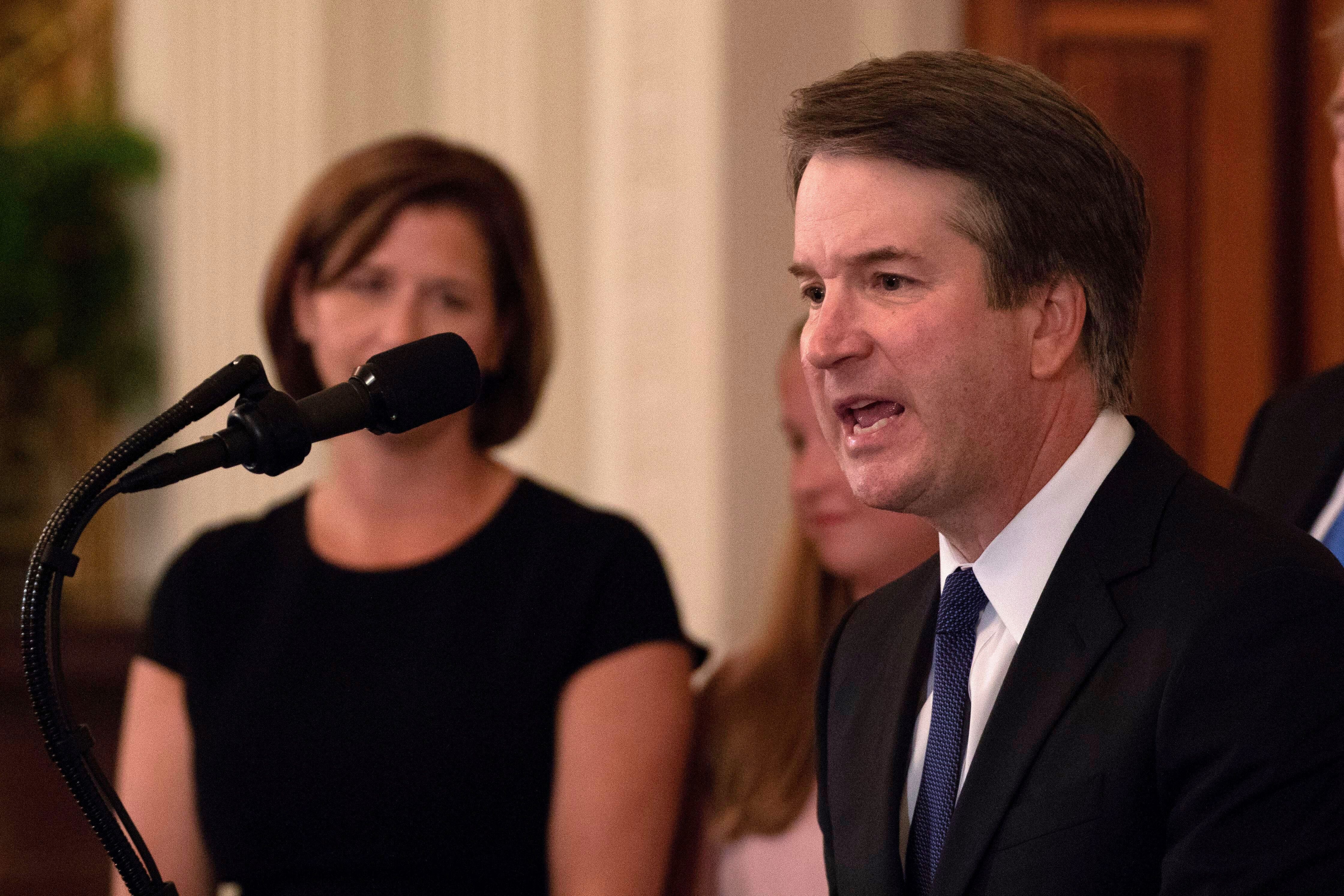
President Donald Trump nominated the DC appellate court judge to replace Supreme Court Justice Anthony Kennedy, who's retiring at the end of the month.
A study finds male political reporters in Washington, D.C., retweet other men more than women. “Men and women are operating in gender echo chambers in Washington on Twitter,” says Nikki Usher, the lead author of the study.
Members of the military alliance are prepared to be spurned by the president and worry he may start to unravel the organization. But the Trump administration has, in fact, increased its spending on NATO, suggesting that worries surrounding the event might not turn transpire, says Dan Michaels, the Wall Street Journal Brussels bureau chief.
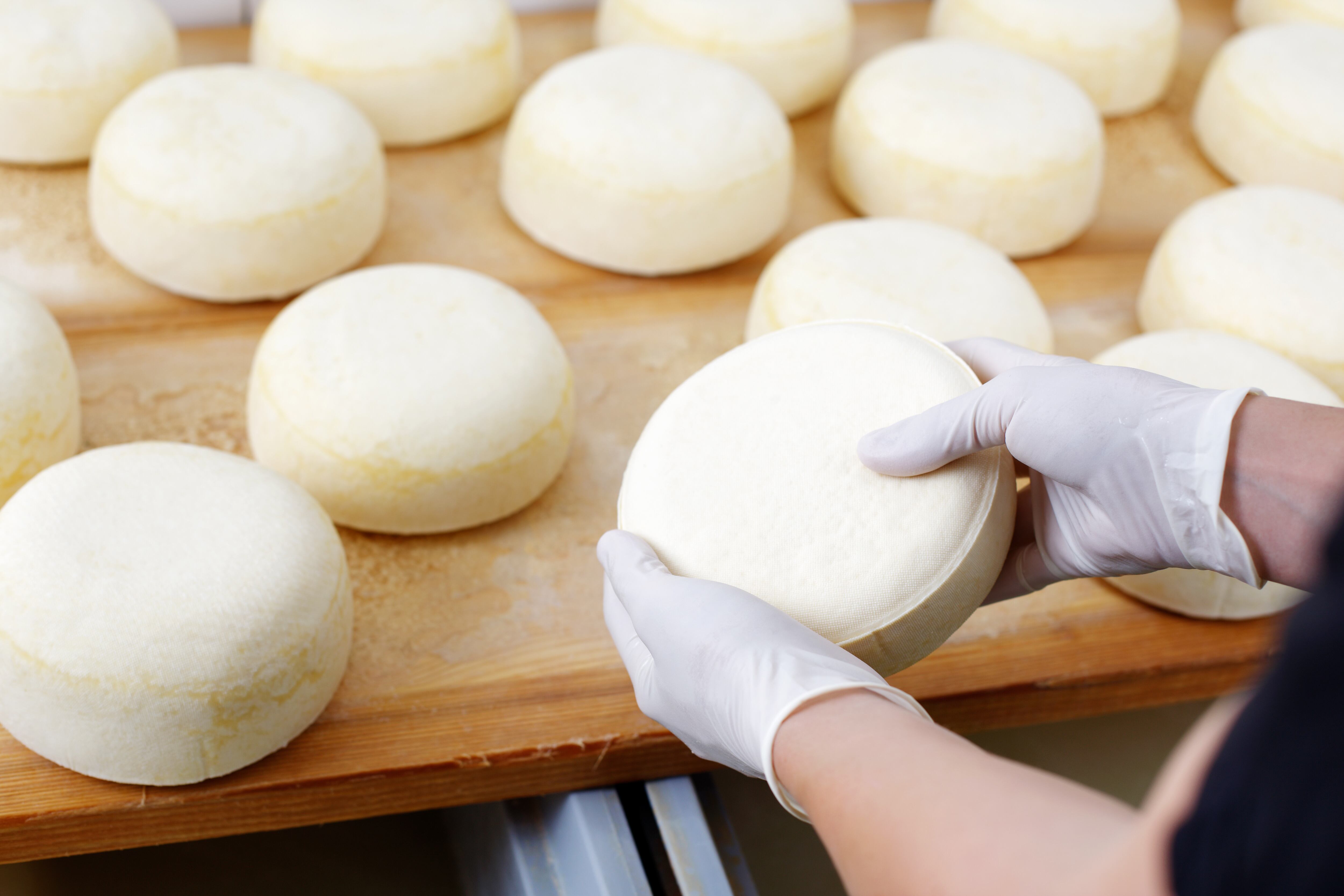
American cheese producers that rely heavily on exports are already feeling the impact of tariffs on their products, forcing them to reconsider their strategy completely, says Heather Hadden, a reporter for the Wall Street Journal.
Although the recent job report showed the U.S. economy added 213,000 jobs in June, the trade war is predicted to have a significant impact on the economy. "Unless we get either isolated resolutions of these disputes or global resolutions ... we don't see any momentum in that space," Mark Hamrick, senior economic analyst at Bankrate.com, tells Cheddar.
President Trump is expected to submit his Supreme Court nominee to replace Justice Anthony Kennedy on Monday.
The three favorites are almost "identical" in policy stances, says Rick Hasen, professor of law and political science at UC-Irvine.
The U.S. tariffs on Chinese products that kicked in on Friday are specifically targeted at high-tech goods, an attempt to crack down on alleged intellectual property theft. But they could end up raising the cost of products like e-cigarettes, e-bikes, and smart home devices that are overwhelmingly used by millennials, says Axios reporter Erica Pandey.
U.S. tariffs on $34 billion worth of Chinese goods kicked in early Friday, prompting China to respond in kind and escalating tensions between the two countries into what Beijing describes as "the biggest trade war in economic history."