By Zeke Miller
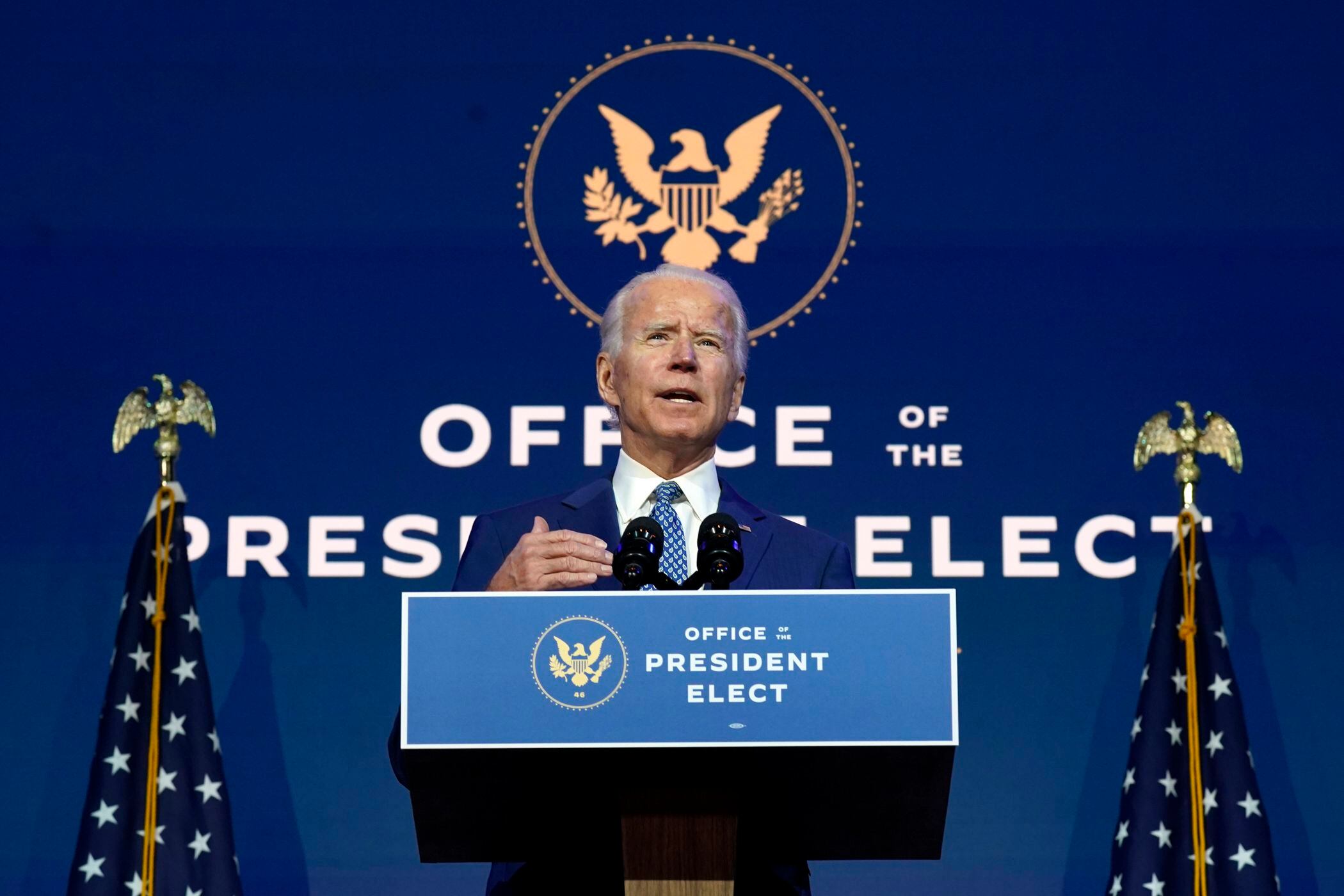
The course of President-elect Joe Biden’s transition to power is dependent in part on an obscure declaration called “ascertainment.”
Here are some details on that process:
WHAT IS ASCERTAINMENT?
The formal presidential transition doesn’t begin until the administrator of the federal General Services Administration ascertains the “apparent successful candidate” in the general election. Neither the Presidential Transition Act nor federal regulations specify how that determination should be made. That decision green lights the entire federal government’s moves toward preparing for a handover of power.
WHY HASN'T IT HAPPENED YET?
Spokesperson Pamela Pennington said in a statement that “GSA and its Administrator will continue to abide by, and fulfill, all requirements under the law,” but the agency has not said why the decision to recognize Joe Biden as the president-elect has not been made. GSA is an executive branch agency. Its administrator, Emily Murphy, is a Trump appointee, but the ascertainment decision is supposed to be apolitical. The White House did not say whether there have been conversations on the matter between officials there and at GSA.
WHAT'S AT STAKE?
The determination clears the way for millions of federal dollars to flow to Biden’s transition team and opens the doors of the federal government to hundreds of Biden staffers, so they can begin assessing agency operations ahead of Inauguration Day on Jan. 20. A delay in recognizing Biden as the next president could slow federal resources to assist the Biden-Harris team in filling about 4,000 political appointments across the government — including critical national security and health postings.
WHY DOES IT MATTER?
Slowing the pace of the transition could hamstring a new administration right out of the gate. The Trump administration, experts say, never fully recovered from the slow pace of hiring from its mismanaged 2016 transition after Trump tossed aside carefully prepared plans the day after his victory.
HAS THIS DELAY EVER HAPPENED BEFORE?
In 2000, the GSA determination was delayed until after the Florida recount fight was settled. The abbreviated transition process was identified by the 9/11 Commission Report as contributing to the nation’s unpreparedness for the crisis.
The U.S. Senate Committee on Banking, Housing and Urban Affairs introduced legislation Tuesday requiring banks to maintain “digital dollar wallets” for coronavirus stimulus payments to consumers.
New York Governor Andrew Cuomo Wednesday afternoon said the greatest strain on the state’s health care system from the coronavirus could come in approximately 21 days, while also providing early indications about steps the state might eventually take to restart the economy.
One of the most influential industries on Capitol Hill was left out of the package that advanced early Wednesday, an apparent setback for a sector that had expected to easily secure $3 billion to fund the purchase of oil to fill the Strategic Petroleum Reserve (SPR).
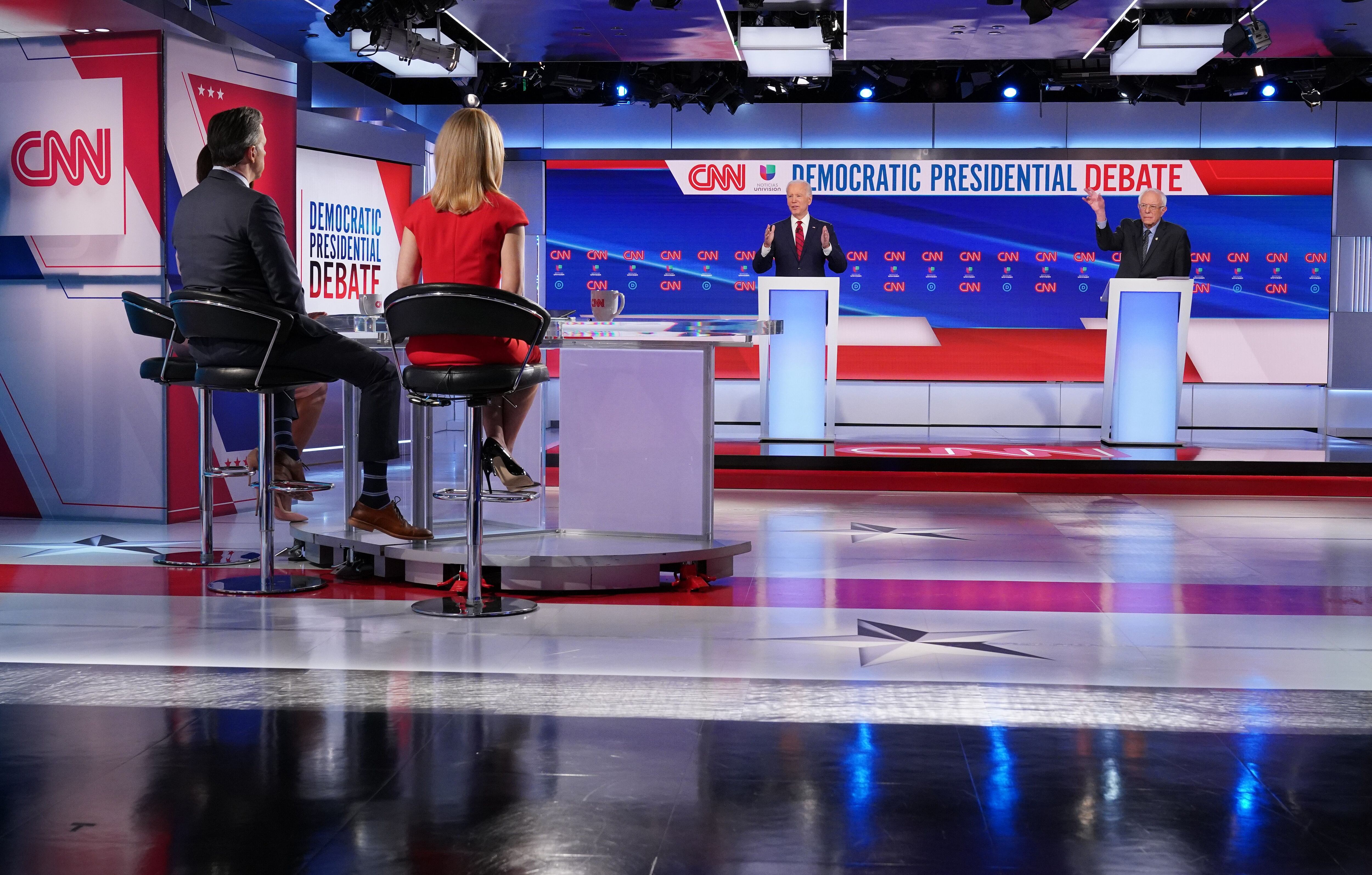
There's no 12th Democratic presidential debate on the horizon now that the nominating process is in a holding pattern due to the coronavirus pandemic.
The Senate will reconvene later Wednesday to vote on the package. But that does not mean the bill is guaranteed to land on President Donald Trump’s desk. The House of Representatives has to pass it, and that may not be an easy feat.
The White House and Senate leaders of both major political parties announced agreement early Wednesday on an unprecedented $2 trillion emergency bill to rush sweeping aid to businesses, workers and a health care system slammed by the coronavirus pandemic.
Stocks are moving tentatively higher in early trading on Wall Street Wednesday after Congress and the White House reached a deal to inject nearly $2 trillion of aid into an economy ravaged by the coronavirus.
The death toll in Spain from the coronavirus shot up by more than 700 on Wednesday, surpassing China and is now second only to Italy as the pandemic spread rapidly in Europe, with even Britain’s Prince Charles testing positive for the virus.
Each piece of legislation is long: 247 pages for the Senate bill and a whopping 1,404 pages for the House bill. While we cannot distill every provision, here’s a look at some of the major differences between the two pieces of legislation.
Stocks are jumping in midday trading on Wall Street Tuesday amid expectations that Congress is nearing a deal on a big coronavirus relief bill. That would follow more aggressive steps from the Federal Reserve announced a day earlier to support lending and bond markets.