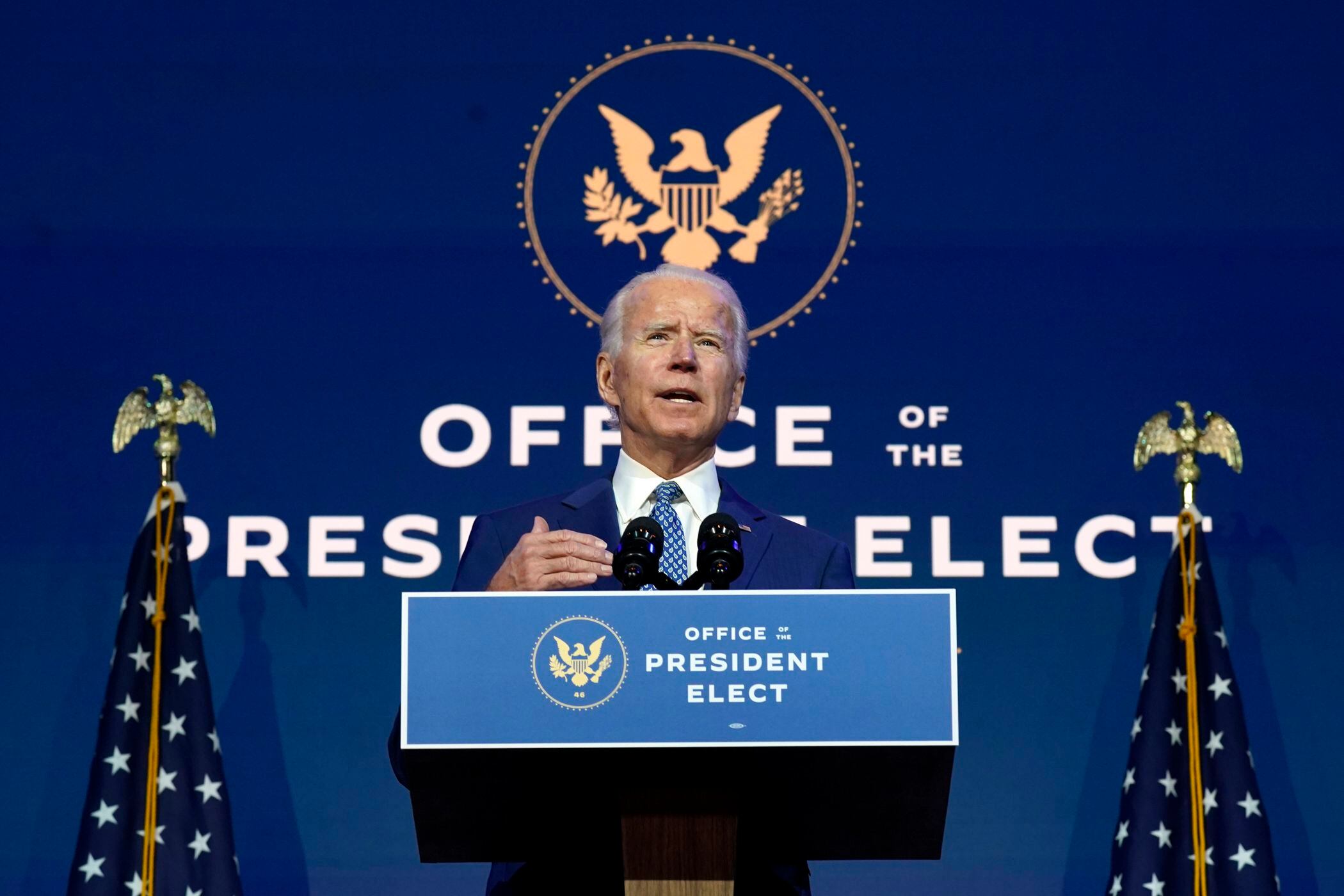
President-elect Joe Biden speaks Monday, Nov. 9, 2020, at The Queen theater in Wilmington, Del. (AP Photo/Carolyn Kaster)
By Zeke Miller
The course of President-elect Joe Biden’s transition to power is dependent in part on an obscure declaration called “ascertainment.”
Here are some details on that process:
WHAT IS ASCERTAINMENT?
The formal presidential transition doesn’t begin until the administrator of the federal General Services Administration ascertains the “apparent successful candidate” in the general election. Neither the Presidential Transition Act nor federal regulations specify how that determination should be made. That decision green lights the entire federal government’s moves toward preparing for a handover of power.
WHY HASN'T IT HAPPENED YET?
Spokesperson Pamela Pennington said in a statement that “GSA and its Administrator will continue to abide by, and fulfill, all requirements under the law,” but the agency has not said why the decision to recognize Joe Biden as the president-elect has not been made. GSA is an executive branch agency. Its administrator, Emily Murphy, is a Trump appointee, but the ascertainment decision is supposed to be apolitical. The White House did not say whether there have been conversations on the matter between officials there and at GSA.
WHAT'S AT STAKE?
The determination clears the way for millions of federal dollars to flow to Biden’s transition team and opens the doors of the federal government to hundreds of Biden staffers, so they can begin assessing agency operations ahead of Inauguration Day on Jan. 20. A delay in recognizing Biden as the next president could slow federal resources to assist the Biden-Harris team in filling about 4,000 political appointments across the government — including critical national security and health postings.
WHY DOES IT MATTER?
Slowing the pace of the transition could hamstring a new administration right out of the gate. The Trump administration, experts say, never fully recovered from the slow pace of hiring from its mismanaged 2016 transition after Trump tossed aside carefully prepared plans the day after his victory.
HAS THIS DELAY EVER HAPPENED BEFORE?
In 2000, the GSA determination was delayed until after the Florida recount fight was settled. The abbreviated transition process was identified by the 9/11 Commission Report as contributing to the nation’s unpreparedness for the crisis.
Rebecca Walser, President of Walser Wealth Management, joins Cheddar News' Closing Bell, where she discusses the factors behind Monday's surge on Wall Street and explains why investors will likely experience volatility in the market throughout the month of December.
Cheddar's Chloe Aiello joined "Closing Bell" to break down the progress of the SAFE Banking Act in Congress as cannabis businesses operators struggle to find financial institutions that will service them. Banks face steep federal penalties, including the risk of losing a bank charter, if found to be servicing marijuana businesses even if their state has legalized operations. Aiello reported that while there was some bipartisan support for the measure in the Senate, the bill faces some opposition from conservatives with "longstanding concerns" about cannabis and progressives who prefer a more comprehensive approach to reform.
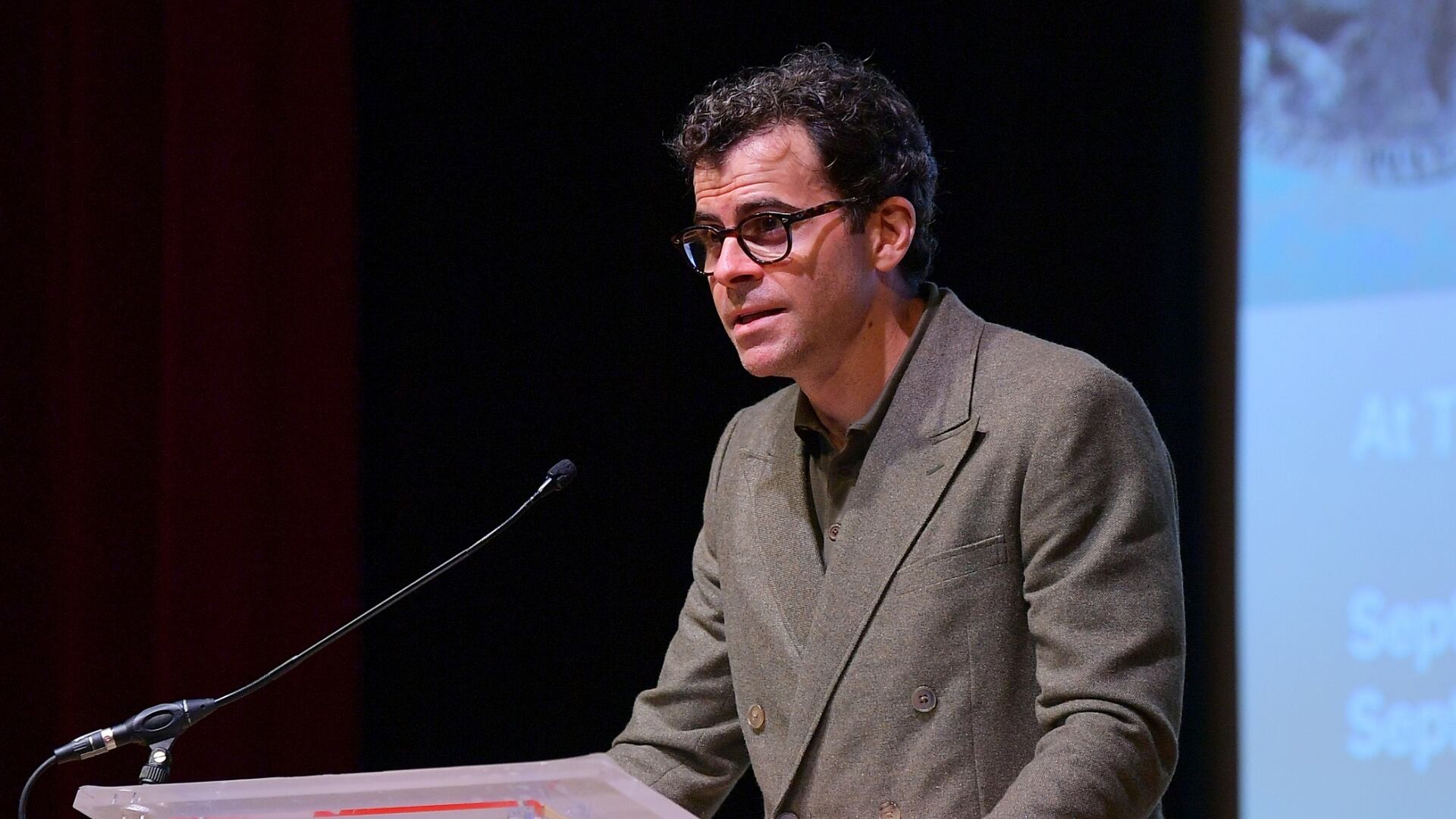
Head of Instagram Adam Mosseri is slated to testify this week in front of the Senate Commerce Subcommittee after a Wall Street Journal report that found the Meta-owned social media platform is negatively impacting the mental wellness of teen girls.
Chinese regulators are reportedly behind China-based ride-hailing company DiDi exiting from the New York Stock Exchange, just days after listing earlier this year. The regulators stated prior that DiDi had not received the necessary clearances to list in the states. Gordon Chang, Asian affairs expert, joined Cheddar to break down what the delisting says about the relationship between nations. "This really strikes me as an attempt to really to force a decoupling of China and the U.S. in the financial markets," Chang said.
U.S. Futures were pointing to a higher open to round out the week despite a miss on the November Jobs Report, which showed slower job growth than expected-- and as the omicron variant continues to spread across the country. Patrick Healey, Founder & President at Caliber Financial Partners joined Cheddar's Opening Bell to discuss.
Just days after the detection of the Omicron variant, the World Health Organization has agreed to start the process of establishing a global pandemic treaty or accord. Amy Maxmen, senior reporter for Nature, and Dr. Samuel Scarpino, managing director for the Rockefeller Foundation's Pandemic Prevention Institute, joined Cheddar to discuss this effort and what lessons can be learned from the many COVID-19 failures as the world prepares for future pandemics.
It's a mixed bag for the November jobs report. Hiring slowed last month as employers only added 210,000 jobs, massively missing the estimate of 550,000. But there was one bright spot: the unemployment rate fell to 4.2%, with the number of unemployed people dropping to 6.9 million. Both of those numbers are considerably down from their highs at the end of the 2020 recession. Heather Boushey, a member of President Biden's Council of Economic Advisers, joined Cheddar to discuss the report and the state of the country's ongoing economic recovery.