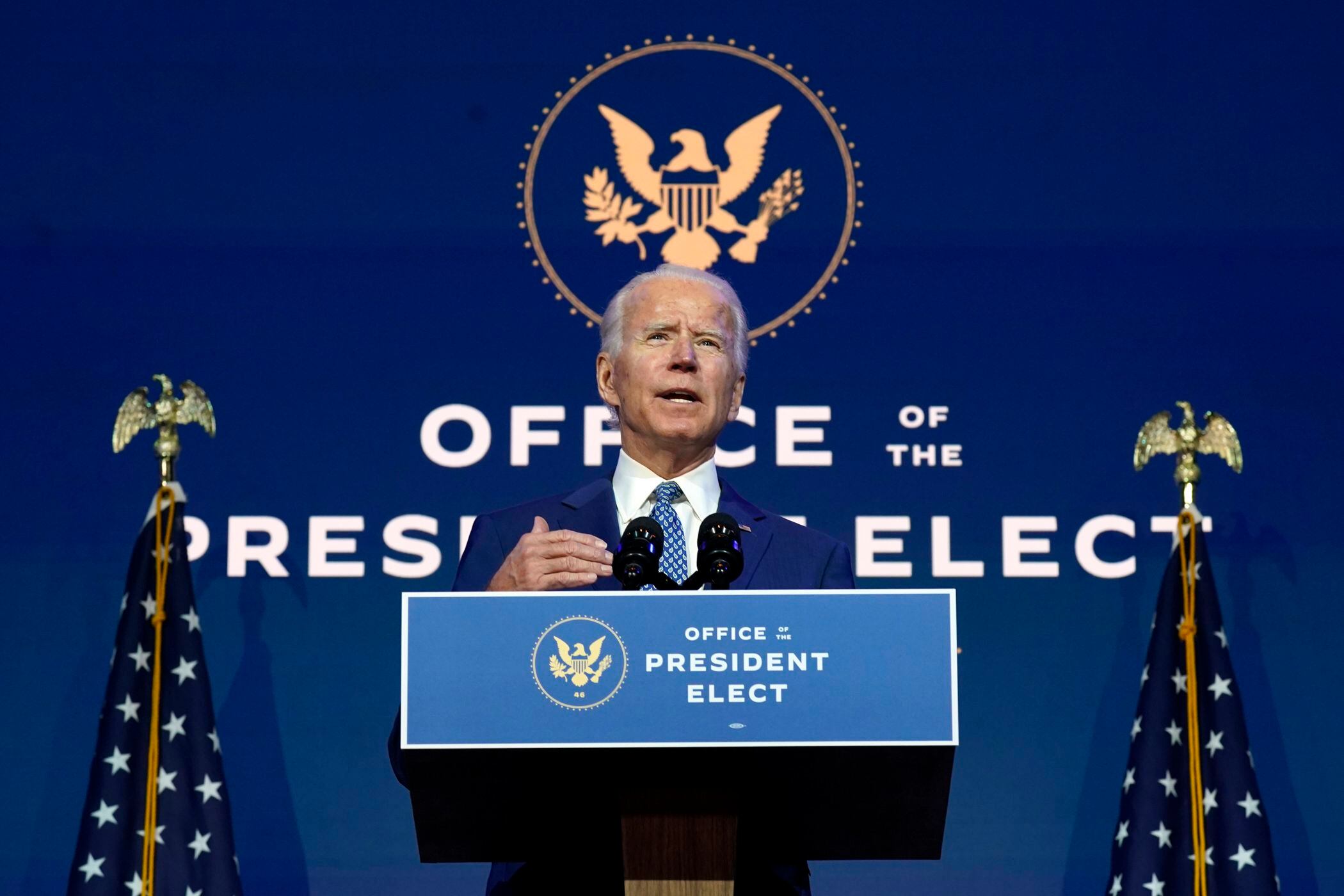
President-elect Joe Biden speaks Monday, Nov. 9, 2020, at The Queen theater in Wilmington, Del. (AP Photo/Carolyn Kaster)
By Zeke Miller
The course of President-elect Joe Biden’s transition to power is dependent in part on an obscure declaration called “ascertainment.”
Here are some details on that process:
WHAT IS ASCERTAINMENT?
The formal presidential transition doesn’t begin until the administrator of the federal General Services Administration ascertains the “apparent successful candidate” in the general election. Neither the Presidential Transition Act nor federal regulations specify how that determination should be made. That decision green lights the entire federal government’s moves toward preparing for a handover of power.
WHY HASN'T IT HAPPENED YET?
Spokesperson Pamela Pennington said in a statement that “GSA and its Administrator will continue to abide by, and fulfill, all requirements under the law,” but the agency has not said why the decision to recognize Joe Biden as the president-elect has not been made. GSA is an executive branch agency. Its administrator, Emily Murphy, is a Trump appointee, but the ascertainment decision is supposed to be apolitical. The White House did not say whether there have been conversations on the matter between officials there and at GSA.
WHAT'S AT STAKE?
The determination clears the way for millions of federal dollars to flow to Biden’s transition team and opens the doors of the federal government to hundreds of Biden staffers, so they can begin assessing agency operations ahead of Inauguration Day on Jan. 20. A delay in recognizing Biden as the next president could slow federal resources to assist the Biden-Harris team in filling about 4,000 political appointments across the government — including critical national security and health postings.
WHY DOES IT MATTER?
Slowing the pace of the transition could hamstring a new administration right out of the gate. The Trump administration, experts say, never fully recovered from the slow pace of hiring from its mismanaged 2016 transition after Trump tossed aside carefully prepared plans the day after his victory.
HAS THIS DELAY EVER HAPPENED BEFORE?
In 2000, the GSA determination was delayed until after the Florida recount fight was settled. The abbreviated transition process was identified by the 9/11 Commission Report as contributing to the nation’s unpreparedness for the crisis.
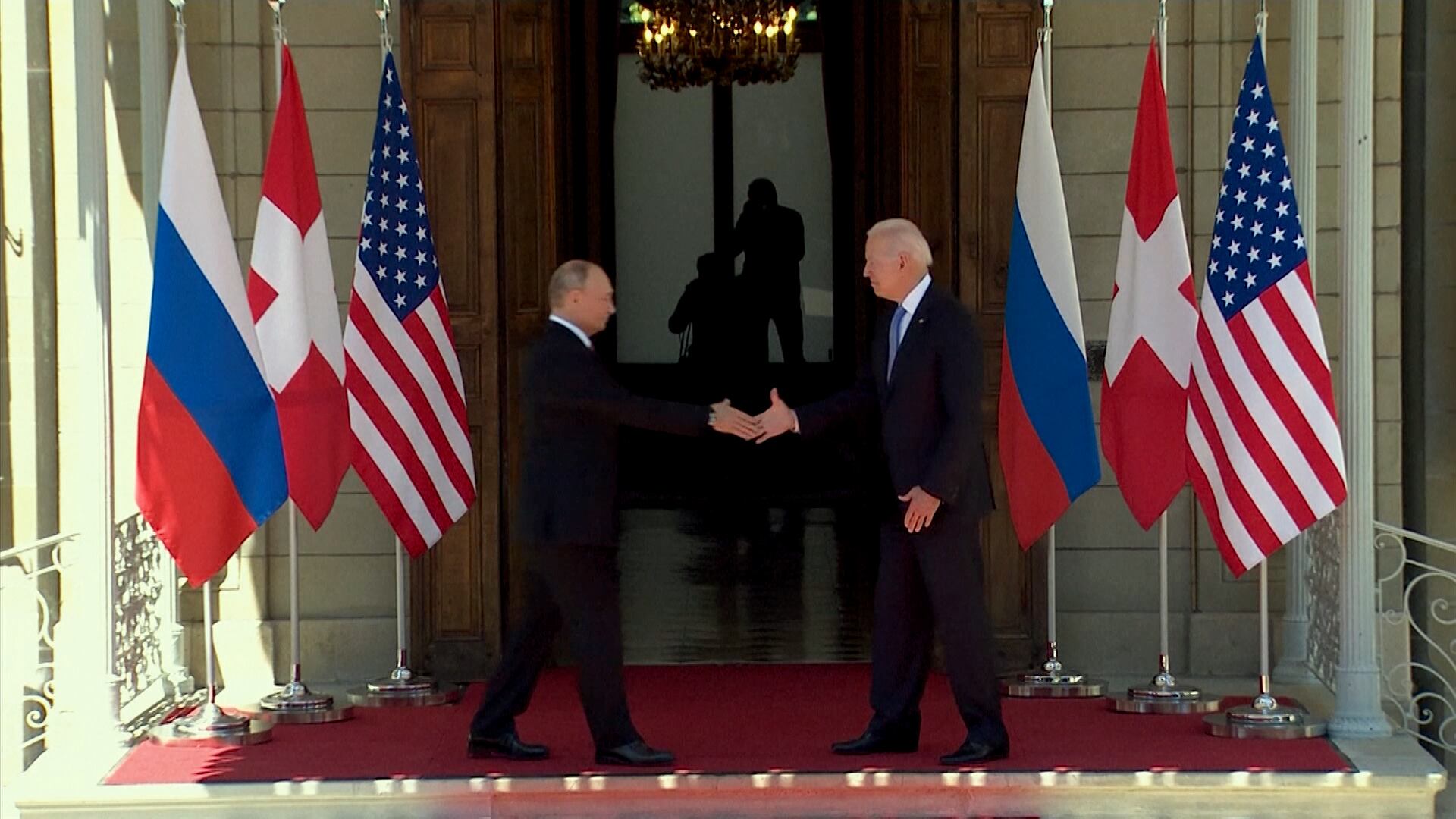
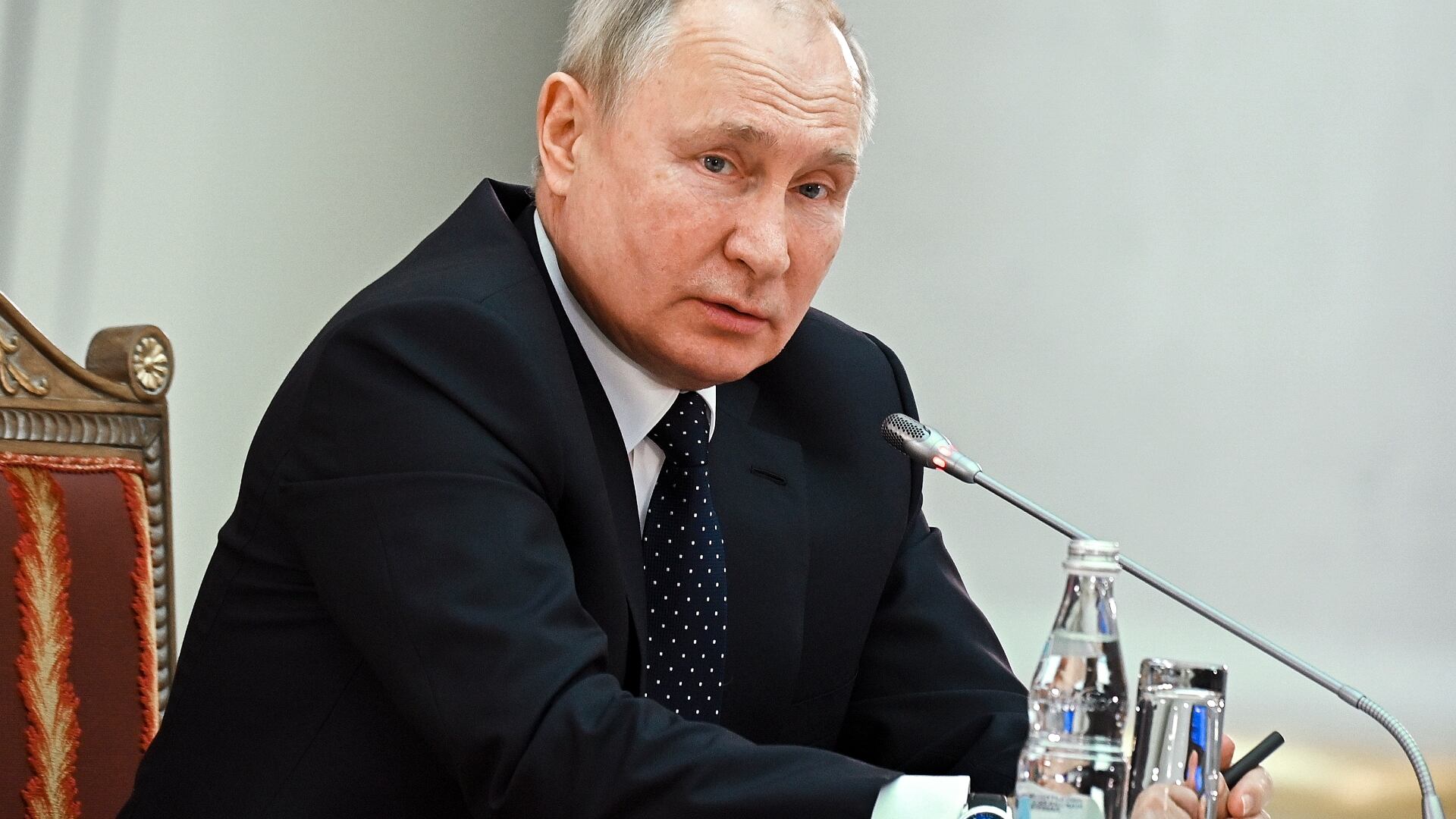
Matt Hayden, vice president of govtech solutions at Exiger and a former assistant secretary of cyber at Department of Homeland Security, joined Cheddar to discuss the surprise phone call initiated by Russian President Vladimir Putin to President Joe Biden, ahead of January security talks about the rising tensions over Ukraine. "We're hoping to hear that we're able to talk about the aggression and the leadup of the Ukrainian militarization," Hayden said. "But we're also looking to hear is how the Kremlin leveraged their talking points to try to test their negotiation stance with the United States leading into this January 10th meeting."
The No Surprises Act begins implementation on January 1, 2022. The legislation is meant to curb the practice of unexpected billing for care from providers the patient was unaware were out-of-network from their insurance. Patricia Kelmar, director of health care campaigns for U.S. PIRG joined Cheddar to describe the hundreds, sometimes thousands, of dollars charged to unsuspecting patients and how things will change under the new law. "If we are picking an in-network doctor and an in-network hospital, we should not see those added costs from anesthesiologists, radiologists, scrub-in surgeons," she said. "The other area it protects you is in air ambulances — not ground ambulances, unfortunately — but the helicopters or the airplanes you might need to transport you in an emergency situation."
President Joe Biden and Russian President Vladmir Putin are expected to have another conversation surrounding escalating tensions between Russia and Ukraine. Ariel Cohen, senior fellow at the Atlantic Council, joined Cheddar's Ken Buffa to discuss the ongoing tensions and why Putin's request for a conversation with Biden comes now. "This is very serious. This is the worst security crisis we had since the collapse of the Soviet Union," Cohen told Cheddar.
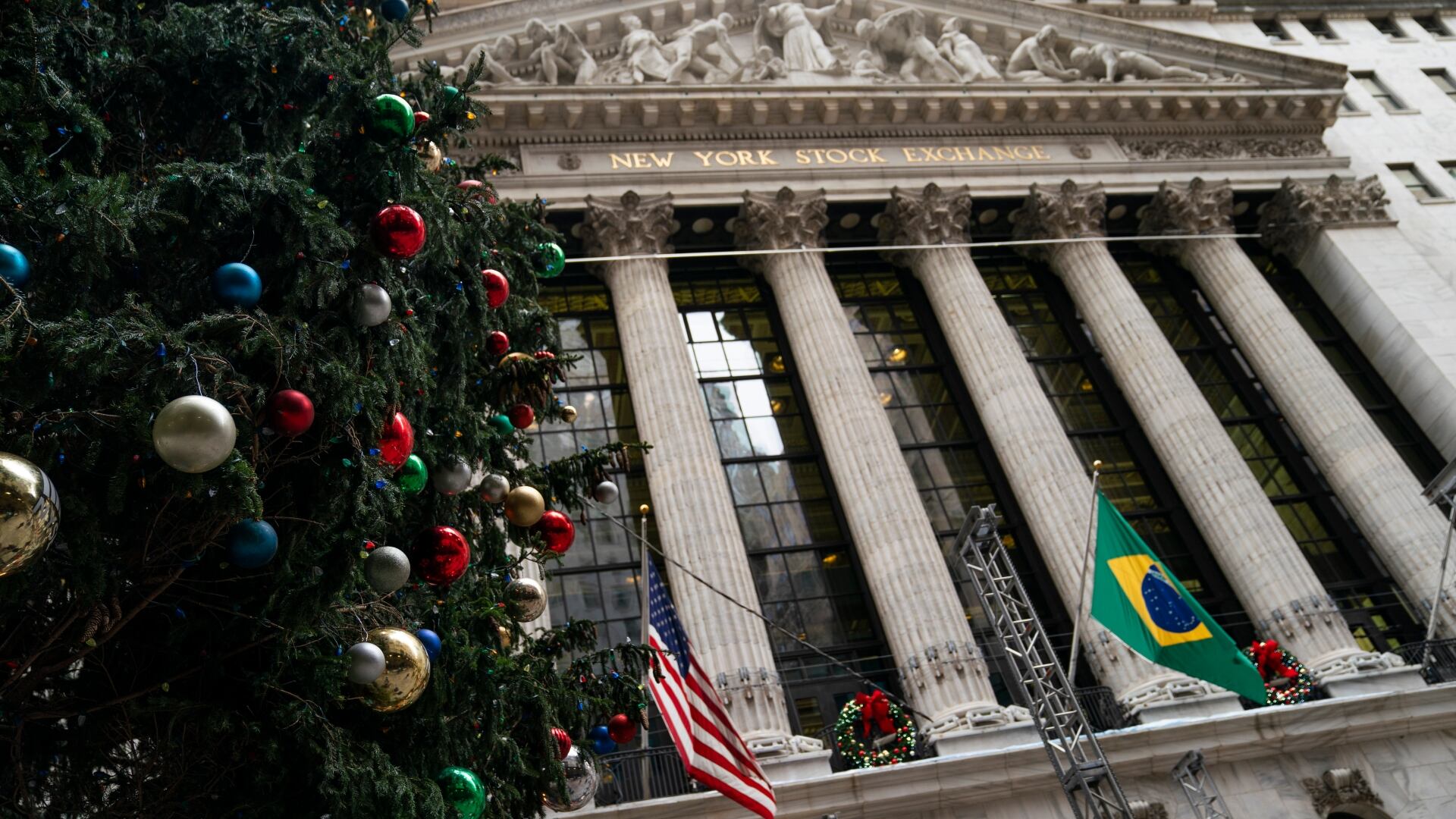
Stocks closed mixed on Wednesday, but two indexes - the Dow and the S&P 500 - ended the session with a new record. Akshata Bailkeri, Equity Analyst at Bruderman Asset Management, joins Cheddar News' Closing Bell, where she says there is a consensus for robust consumer spreading in 2022, especially as the Omicron variant is proving to be milder than other COVID-19 strains.
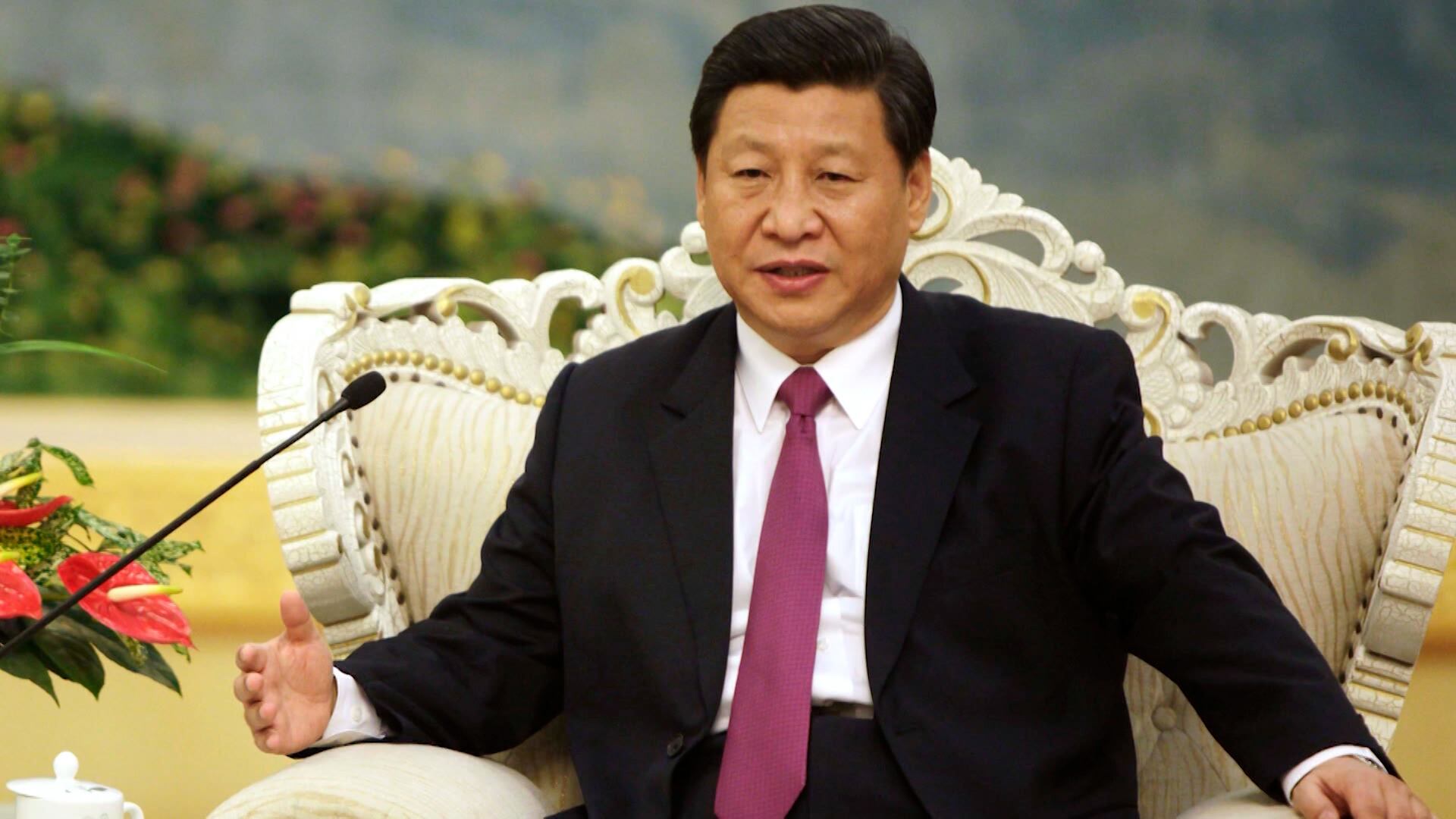
John Quelch, Dean of Miami Herbert Business School, joins Cheddar News' Closing Bell, where he says the retail giant is acting in accordance to President Biden's new law banning goods from China's Xinjiang region. Quelch also elaborates on the importance of China in Walmart's overall strategy.